
Judgment of Paris — History & Facts
What first catches the eye in Judgment of Paris is the theatrical arrangement of bodies and glances, each figure locked in a silent negotiation. Paris, seated and draped in rose, extends the golden apple with a tension that ripples through the scene. The three goddesses—each crowned or draped, each distinct in posture—vie for his favor not with overt rivalry, but with gestures and sidelong looks.
The soft, golden light caresses their skin, heightening the sense of suspended decision, while a small putto tugs playfully at the central figure, injecting a note of mischief into the solemnity. Even the dog curled at the foreground seems to sense the gravity of this mythic beauty contest. Painted around 1640, this work by Alessandro Turchi belongs to a world where mythological scenes were more than decoration—they were vehicles for exploring power, desire, and judgment. In seventeenth-century Italy, such paintings were often commissioned for private palaces, their stories doubling as lessons in taste and virtue for an elite audience.
The era prized the sensual clarity and balanced compositions visible here, with artists like Turchi blending Venetian color with Roman classicism. Today, the painting’s journey has brought it to the digital collection of the Metropolitan Museum of Art, a reminder that some stories—no matter how often retold—never lose their invitation to look, compare, and judge anew.
More Artworks by Alessandro Turchi

The Flood
Alessandro Turchi

Lamentation over the Body of Christ
Alessandro Turchi
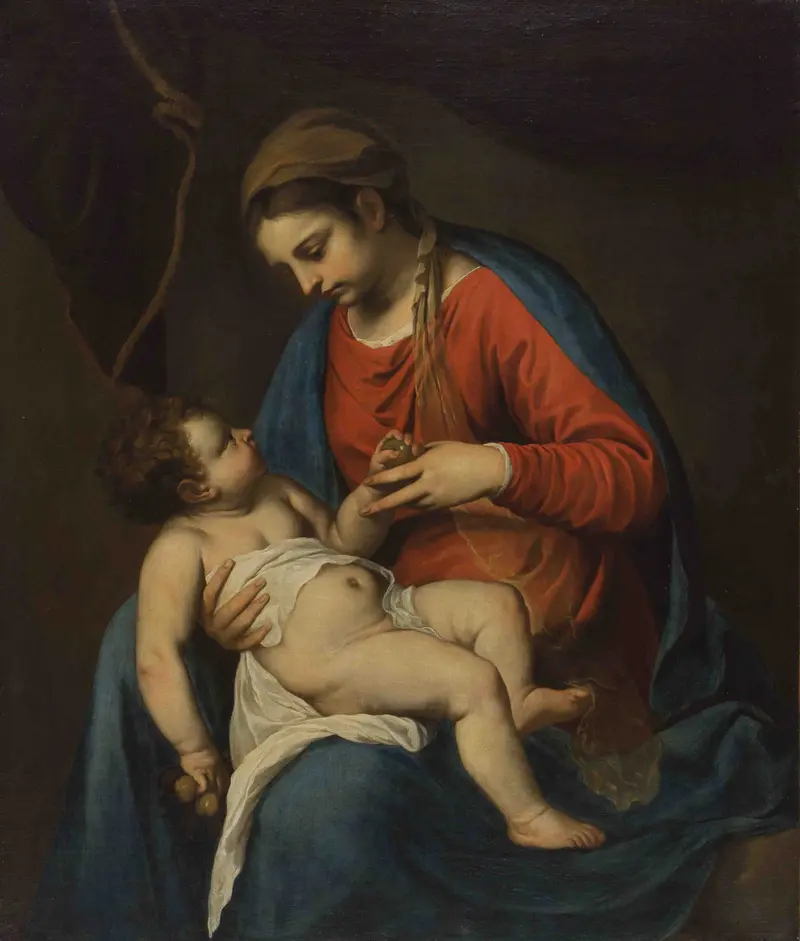
Maria with Child
Alessandro Turchi

Saint Peter visits Saint Agatha in her Prison
Alessandro Turchi
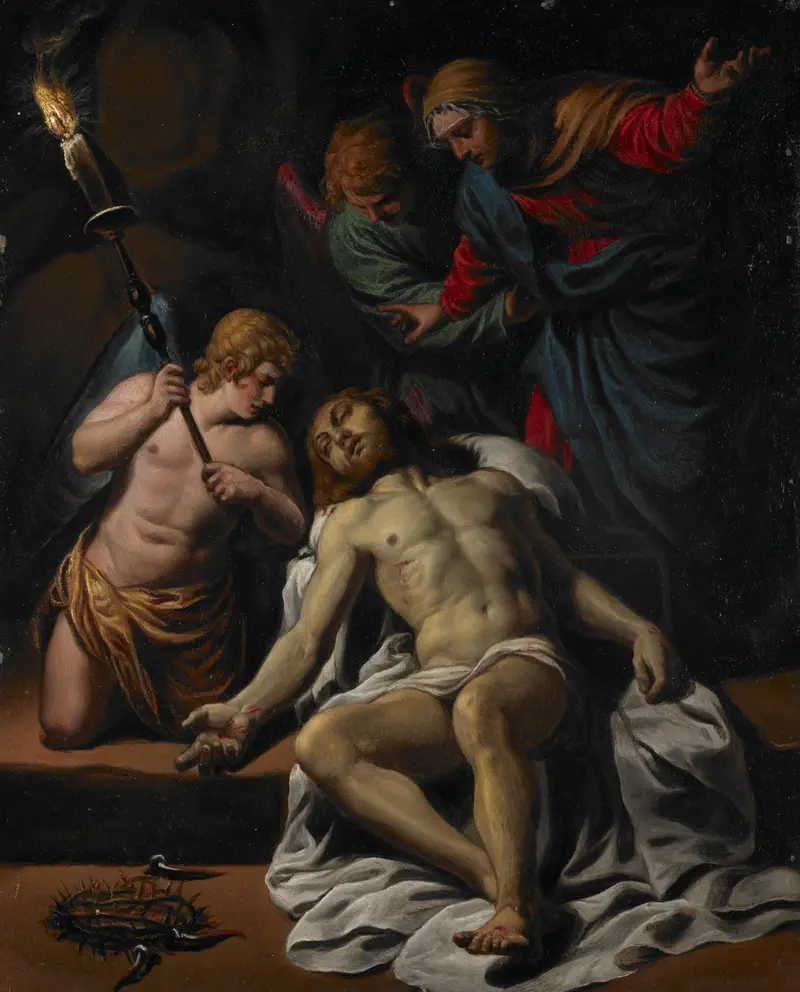
The Lamentation
Alessandro Turchi
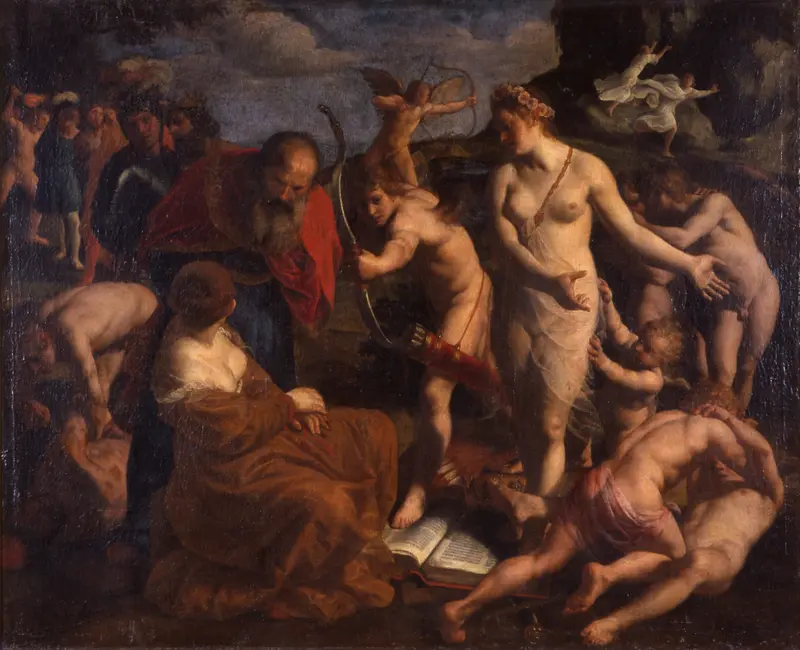
Allegory on the Power of Love ('Omnia Vincit Amor')
Alessandro Turchi

Allegory of Music
Alessandro Turchi
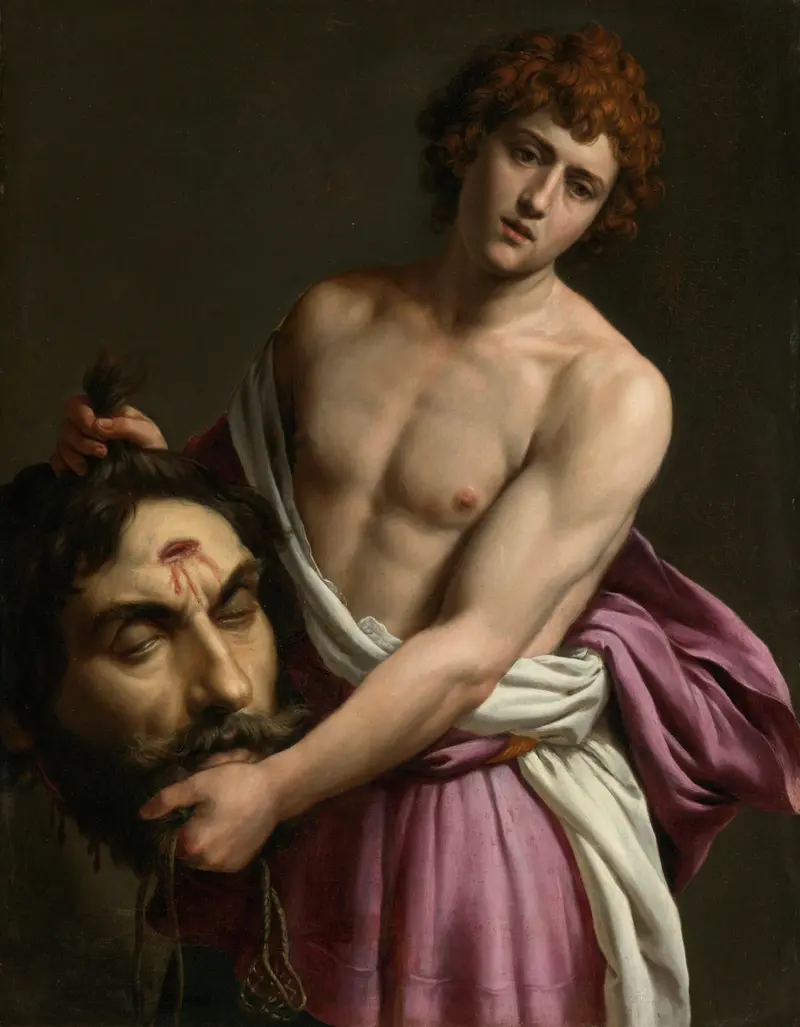
David with the Head of Goliath
Alessandro Turchi
Venus and Cupid
Alessandro Turchi
Venus and Adonis
Alessandro Turchi





