
Saint Peter visits Saint Agatha in her Prison — History & Facts
What holds the viewer first is the hush of the encounter: a young woman, half-shrouded in cloth, sits in a dim cell, her head bowed in exhaustion or pain, while a bearded figure reaches toward her with a gesture that hovers between blessing and healing. Light slices through the darkness, not from above but from a torch held by a winged youth, whose presence signals the miraculous. The composition draws the eye in a slow arc from the woman’s pale, vulnerable body, to the intent face of her visitor, and finally to the torch and the angelic attendant—each figure caught in a moment of suspended action.
The palette is all earth and shadow, lending the scene a gravity that matches its subject: not suffering, but the arrival of hope. Painted in 1630 by Alessandro Turchi, this work belongs to a world where stories of saints and martyrs provided both spiritual instruction and emotional drama for viewers. The Baroque era prized such moments of revelation, and artists like Turchi used theatrical lighting and carefully staged gestures to heighten the sense of the miraculous. Paintings of this kind were often commissioned for private devotion or for altars, where the faithful could contemplate the endurance and sanctity of figures like Saint Agatha.
Little is recorded about the specific journey of this canvas, now documented in a self-photographed collection, but its very survival speaks to the enduring power of these old narratives. Look again at the gentle touch, the interplay of shadow and flesh—this is a story meant to be felt as much as seen.
More Artworks by Alessandro Turchi

The Flood
Alessandro Turchi
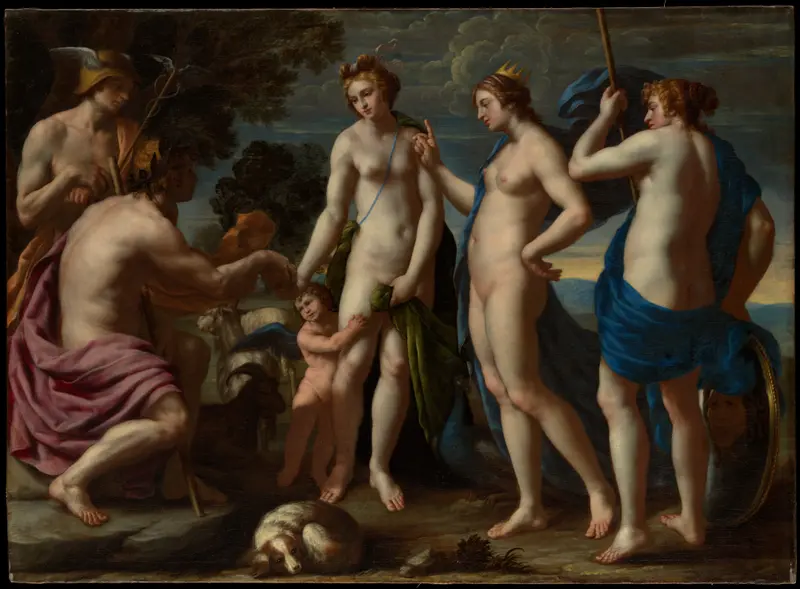
Judgment of Paris
Alessandro Turchi
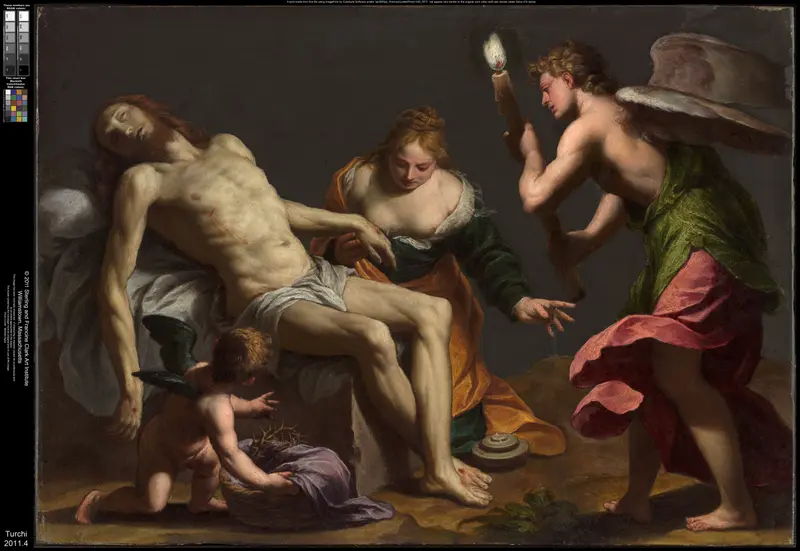
Lamentation over the Body of Christ
Alessandro Turchi
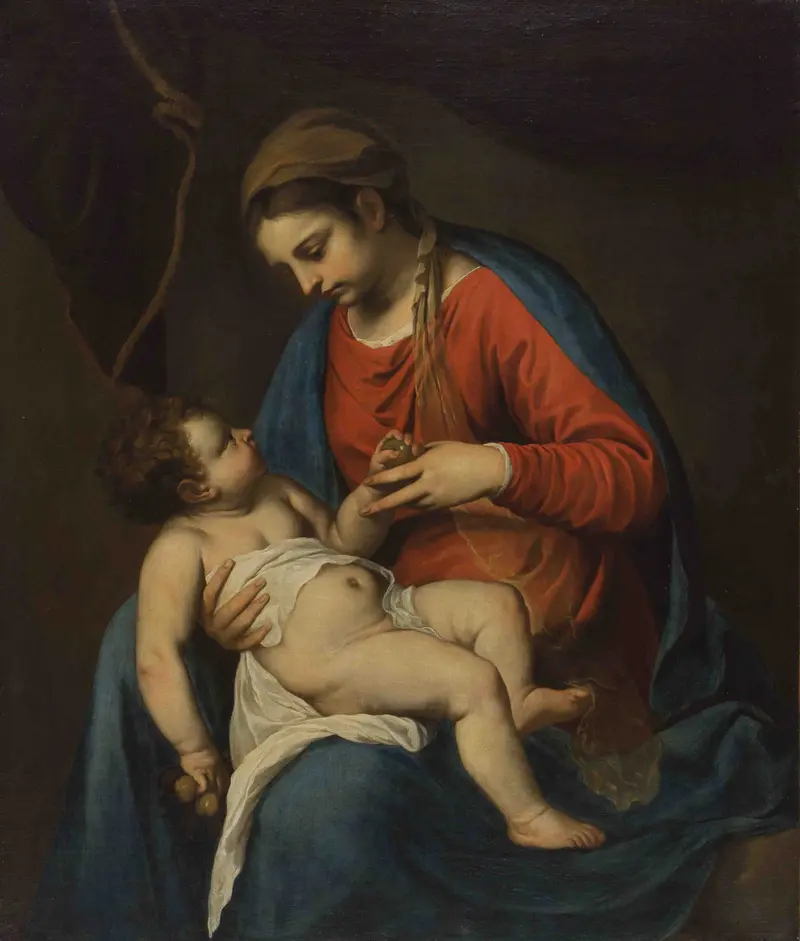
Maria with Child
Alessandro Turchi
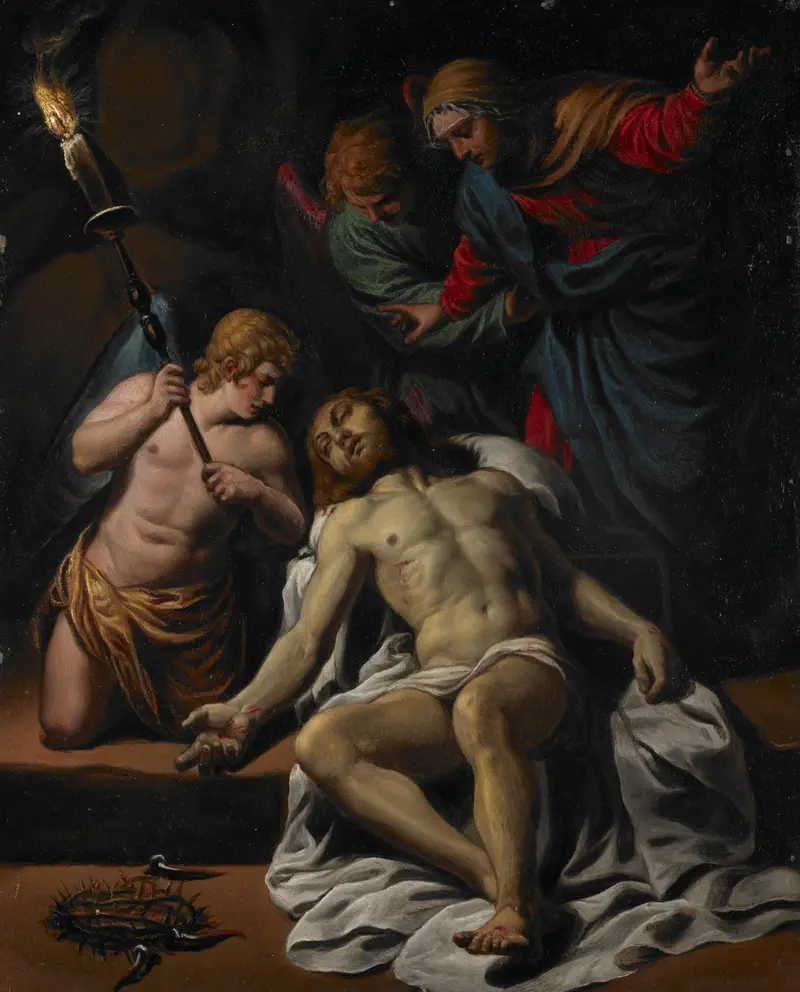
The Lamentation
Alessandro Turchi
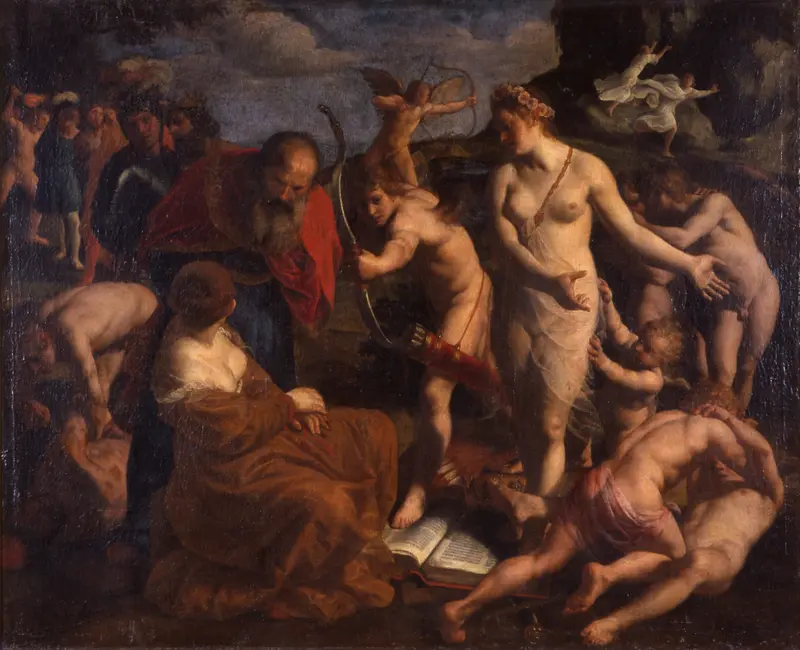
Allegory on the Power of Love ('Omnia Vincit Amor')
Alessandro Turchi
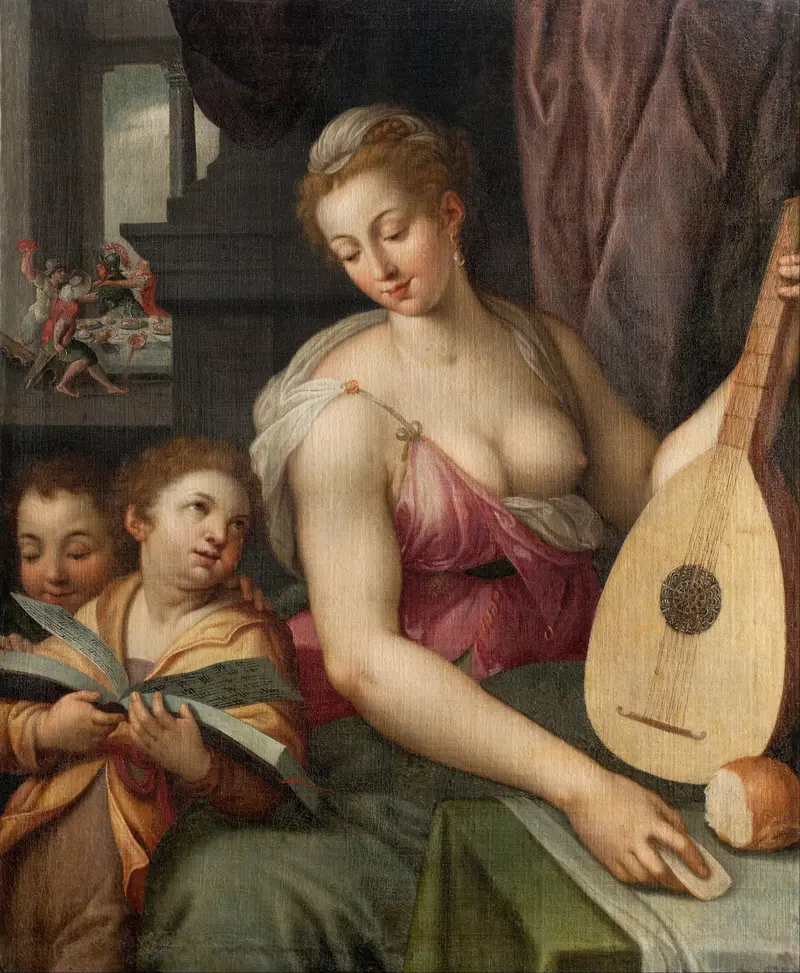
Allegory of Music
Alessandro Turchi
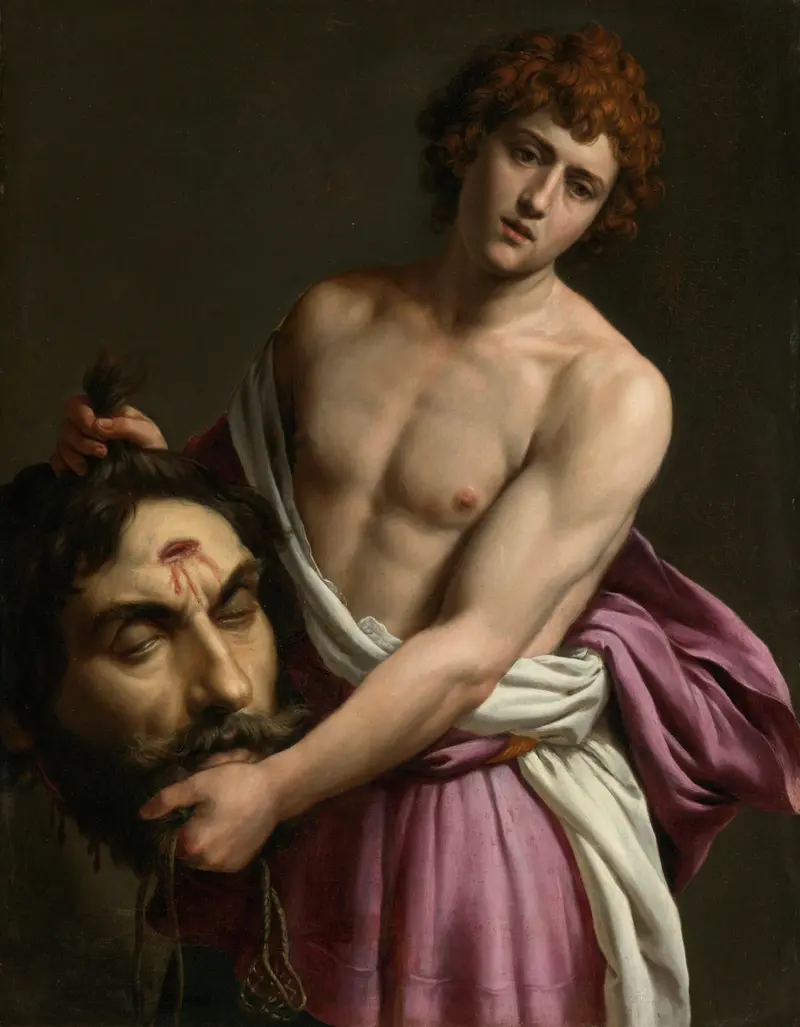
David with the Head of Goliath
Alessandro Turchi
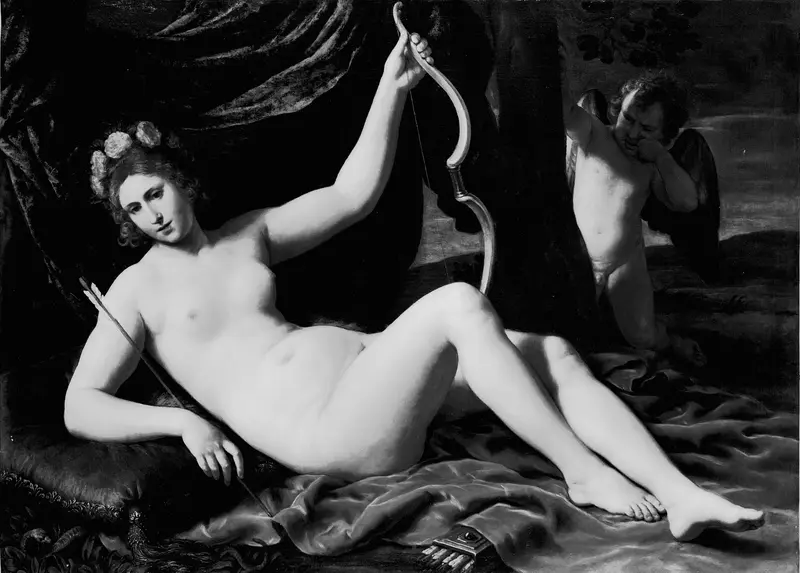
Venus and Cupid
Alessandro Turchi
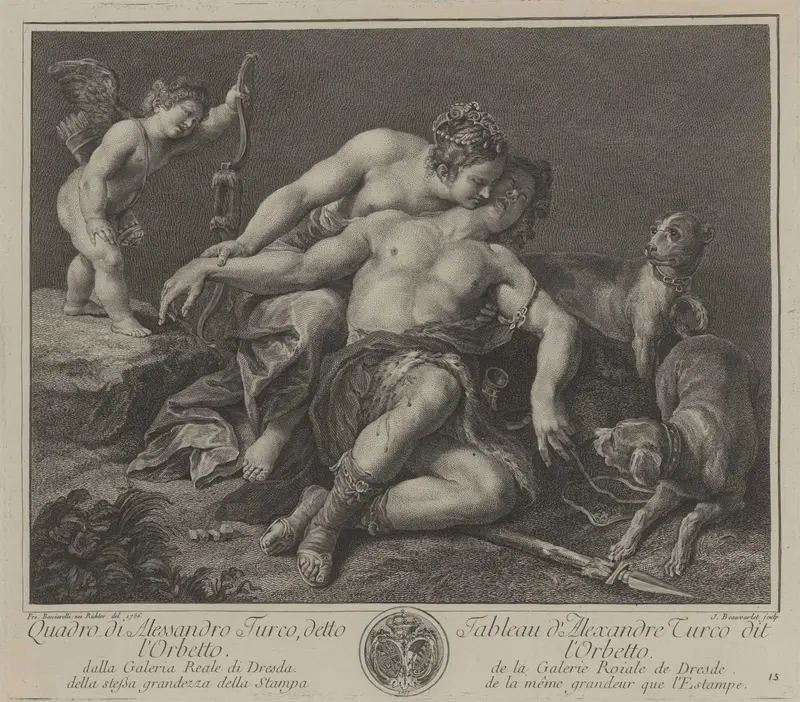
Venus and Adonis
Alessandro Turchi





