
David with the Head of Goliath — History & Facts
The first thing that arrests the eye in Alessandro Turchi’s David with the Head of Goliath is the startling intimacy of its aftermath. The young David, his bare torso rendered with a living softness, stands not in triumph but in a moment of quiet reckoning. His gaze, heavy and unguarded, meets the viewer with a kind of vulnerability rarely seen in depictions of this biblical hero.
The light falls across his chest and face, drawing attention to the delicate modeling of flesh, while the massive, lifeless head of Goliath—so much darker, so much heavier—hangs from David’s hand, its wound still raw. The purple drapery wrapped around David’s waist is not just a flourish of color; it signals his new status, the transformation from shepherd boy to chosen king. Painted around 1620, this work belongs to the world of early seventeenth-century Italy, a period when the Baroque taste for drama and psychological depth was reshaping religious art. Artists like Turchi were prized for their ability to make old stories feel immediate, often for private collectors or church patrons eager to display both piety and sophistication.
The subject of David and Goliath was a favorite in this era, a vehicle for meditations on courage, faith, and the unsettling cost of victory. While history has kept few traces of this particular painting’s journey, its survival invites us to linger on the uneasy quiet after the battle—a moment suspended between violence and the dawning of a new destiny.
More Artworks by Alessandro Turchi

The Flood
Alessandro Turchi
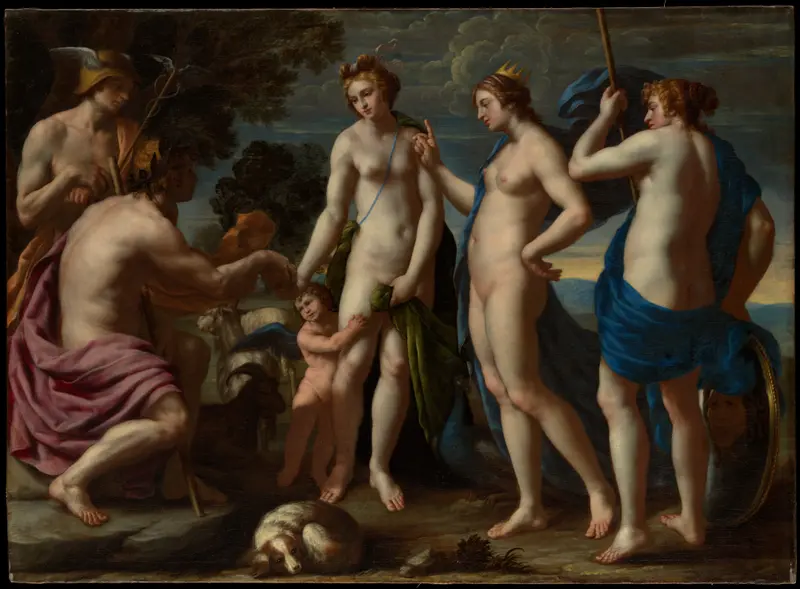
Judgment of Paris
Alessandro Turchi
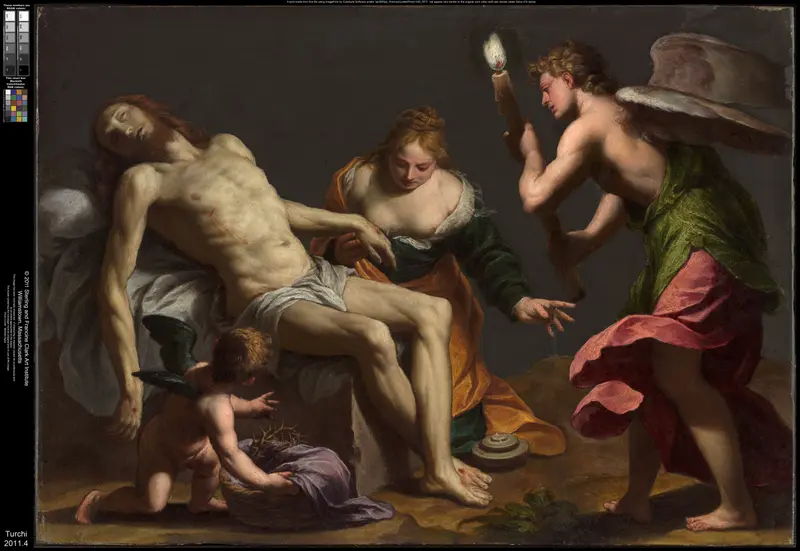
Lamentation over the Body of Christ
Alessandro Turchi
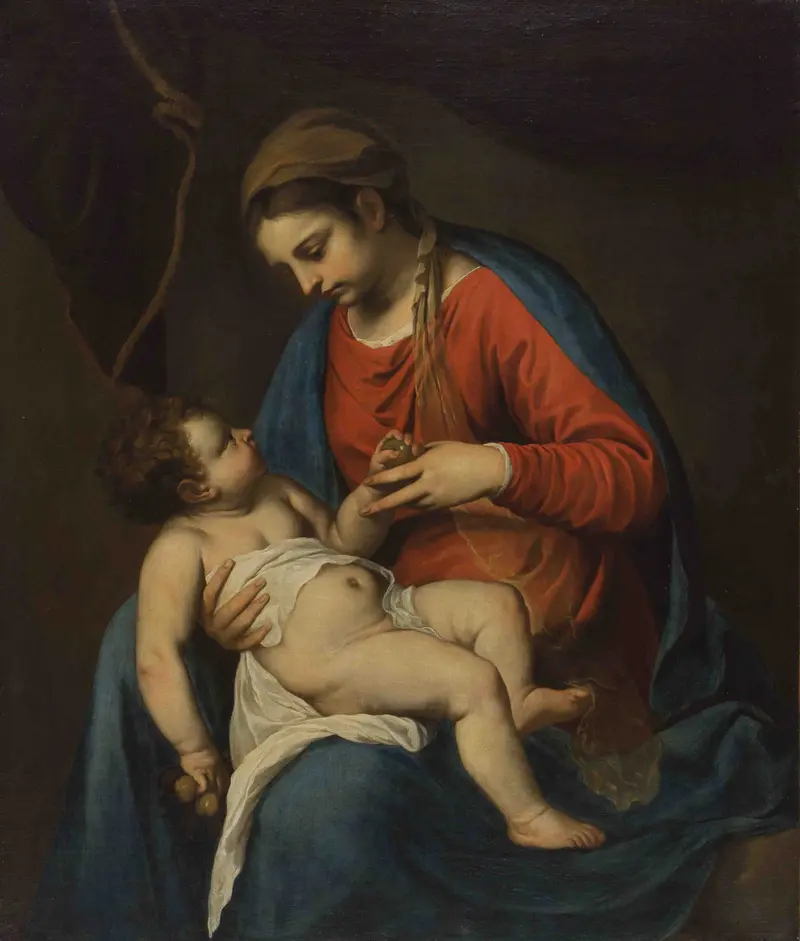
Maria with Child
Alessandro Turchi

Saint Peter visits Saint Agatha in her Prison
Alessandro Turchi
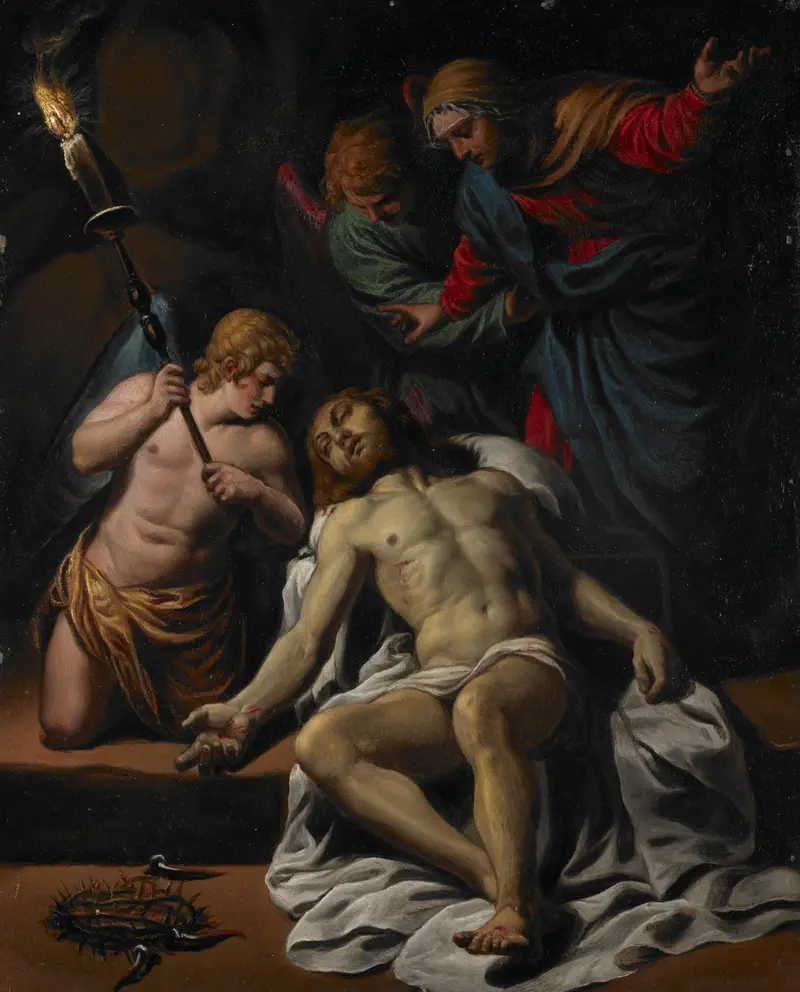
The Lamentation
Alessandro Turchi
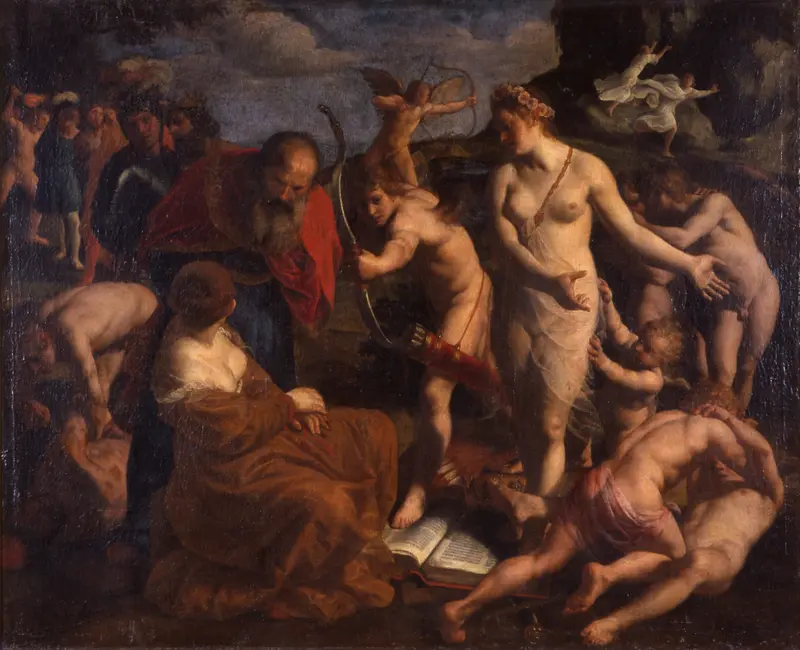
Allegory on the Power of Love ('Omnia Vincit Amor')
Alessandro Turchi
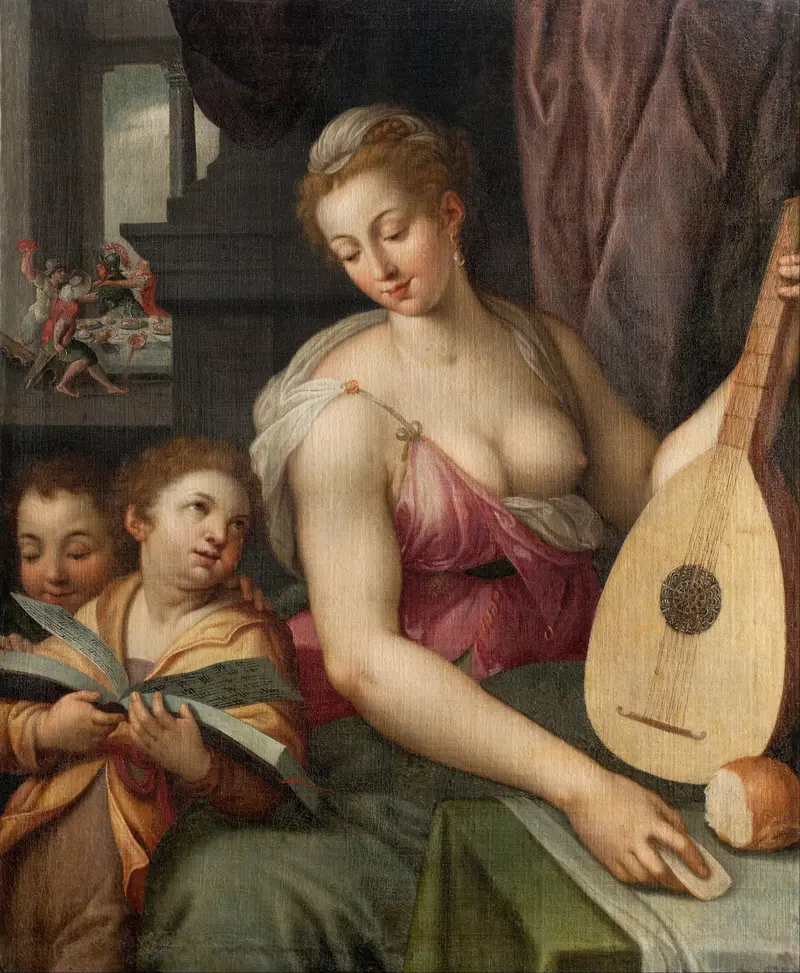
Allegory of Music
Alessandro Turchi
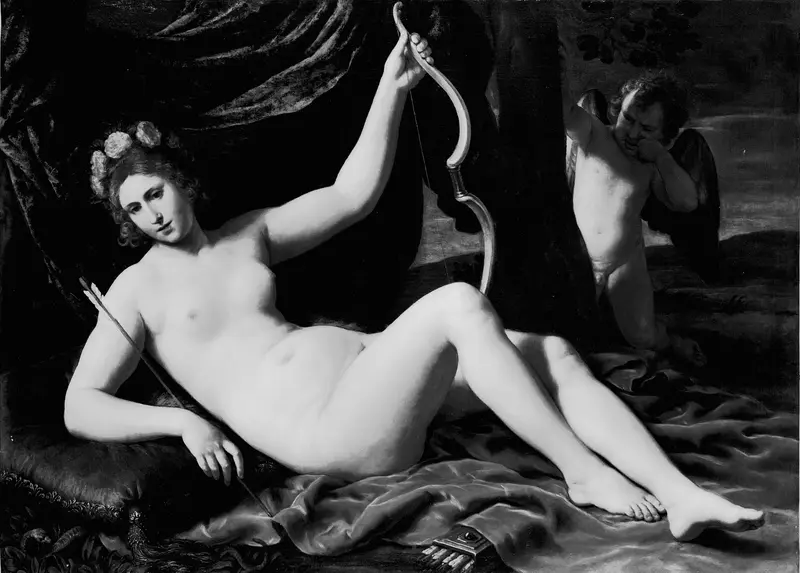
Venus and Cupid
Alessandro Turchi
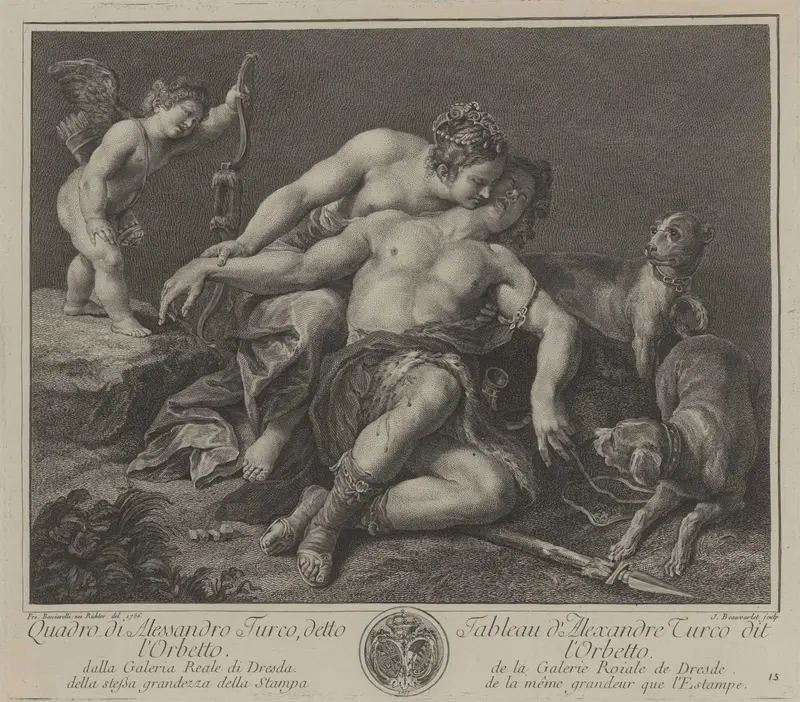
Venus and Adonis
Alessandro Turchi





