
A Vast Landscape — History & Facts
Where does light end, and longing begin? In the expansive embrace of a horizon, the interplay between illumination and yearning dances across the canvas, whispering untold stories of hope and revolution. Focus on the subtle transitions of color in A Vast Landscape, where golden yellows meet vibrant greens. The foreground reveals an intricate tapestry of textured foliage, inviting the eye to explore each brushstroke. Notice how the light cascades over the undulating hills in the background, casting soft shadows that create a sense of depth and tranquility.
This juxtaposition between the vibrancy of life and the calmness of nature evokes an emotional resonance, drawing the viewer into a contemplative state. As you delve deeper, contemplate the tension between the vastness of the landscape and the intimacy it suggests. The expansive sky holds a promise of possibilities, while the solitary elements in the foreground—perhaps a lone tree or a winding path—invoke feelings of solitude and introspection. This duality encapsulates the essence of an era on the brink of change, where nature both nurtures and inspires revolutions of thought, paving the way for new beginnings. In 1890, Emil Jakob Schindler painted this piece amidst an evolving art world and changing European landscape.
Living in Vienna, he was influenced by the burgeoning Symbolist movement, which sought to explore emotional depth beyond mere representation. This was a time of social upheaval, and his work reflects a yearning for connection to both nature and the profound shifts shaping the human experience.
More Artworks by Emil Jakob Schindler
Browse all →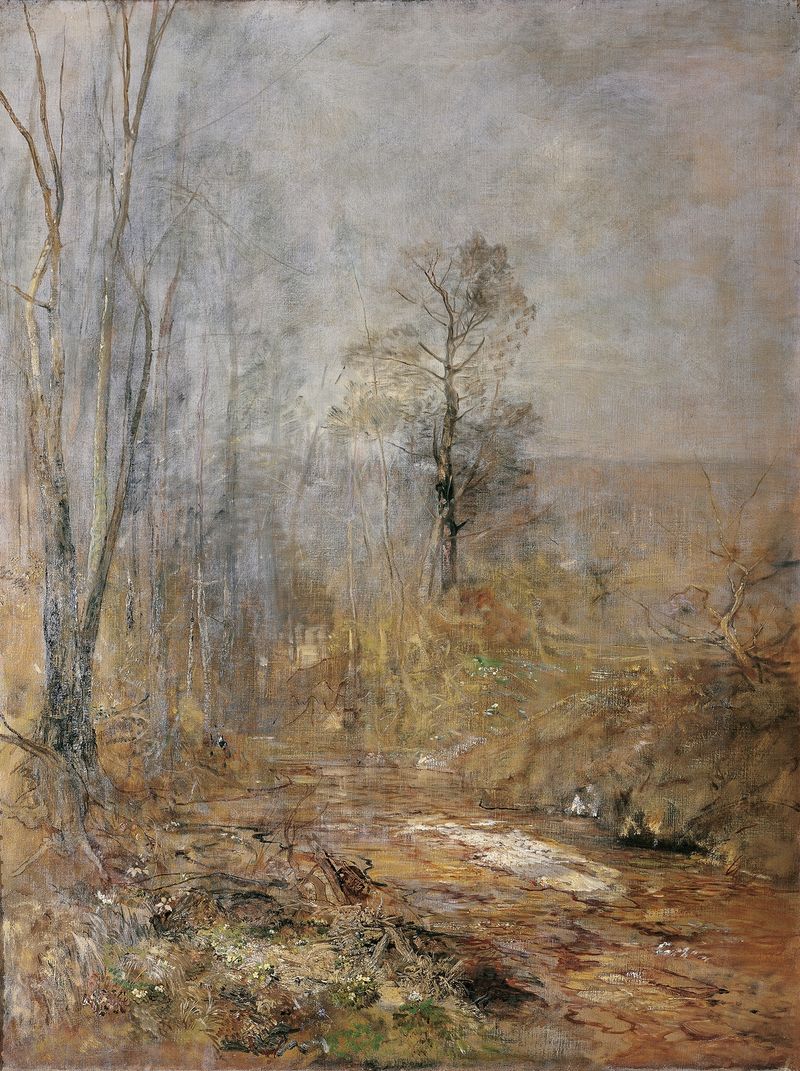
Märzstimmung – Vorfrühling im Wienerwald
Emil Jakob Schindler
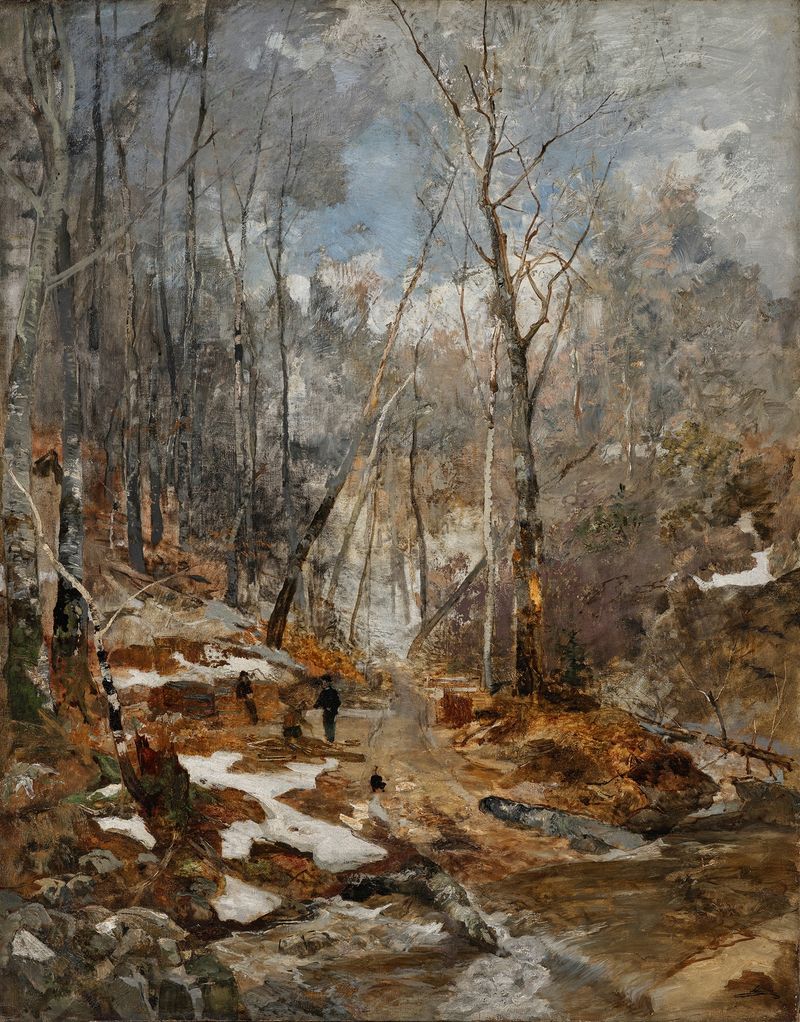
Februarstimmung – Vorfrühling im Wienerwald
Emil Jakob Schindler
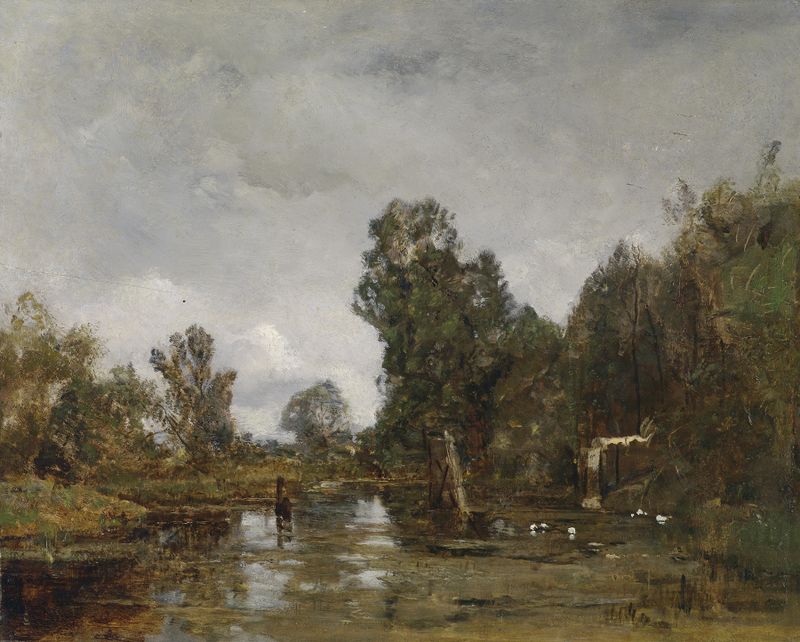
Motiv aus dem Wiener Prater (Krieau)
Emil Jakob Schindler
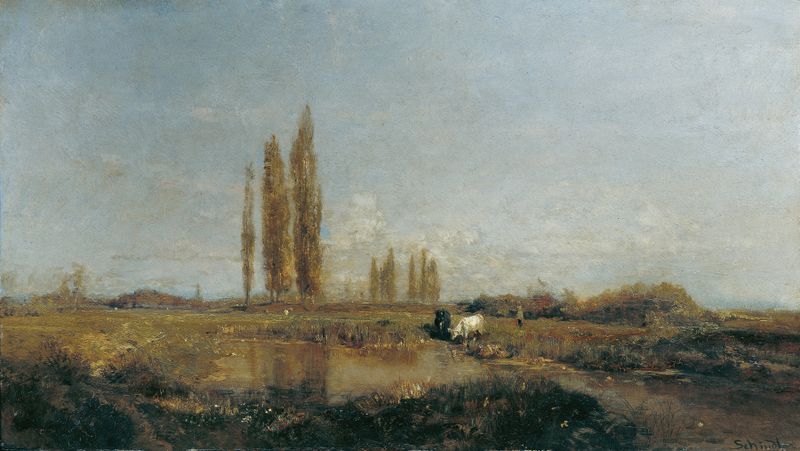
An der Thaya bei Lundenburg
Emil Jakob Schindler
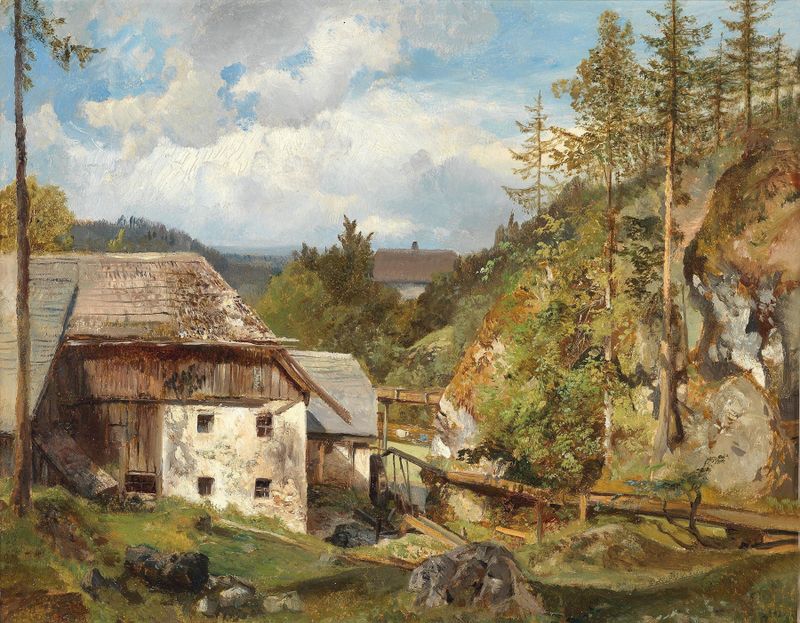
Die Mühle im Wald
Emil Jakob Schindler
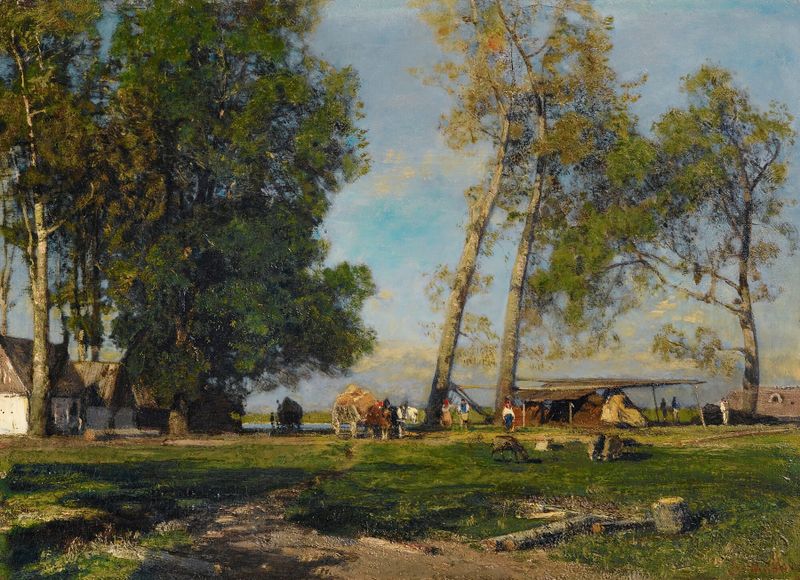
The Prater Gardens, Vienna
Emil Jakob Schindler
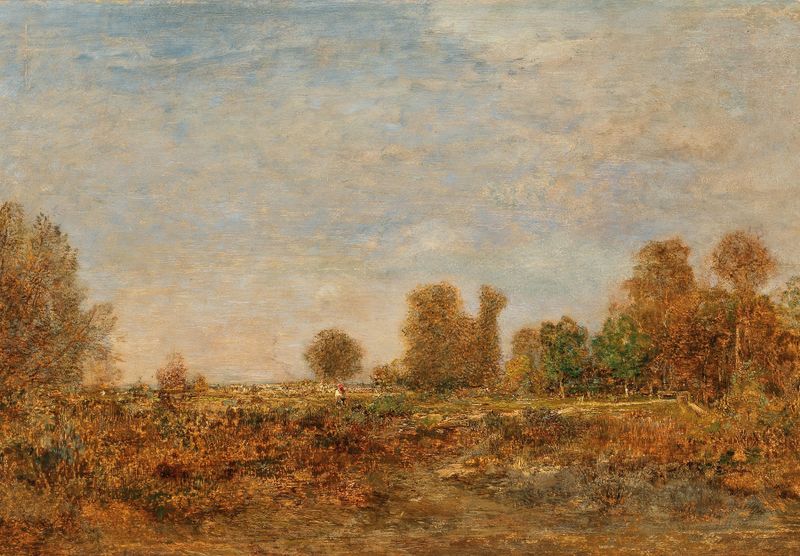
Landschaft, Lundenburg
Emil Jakob Schindler
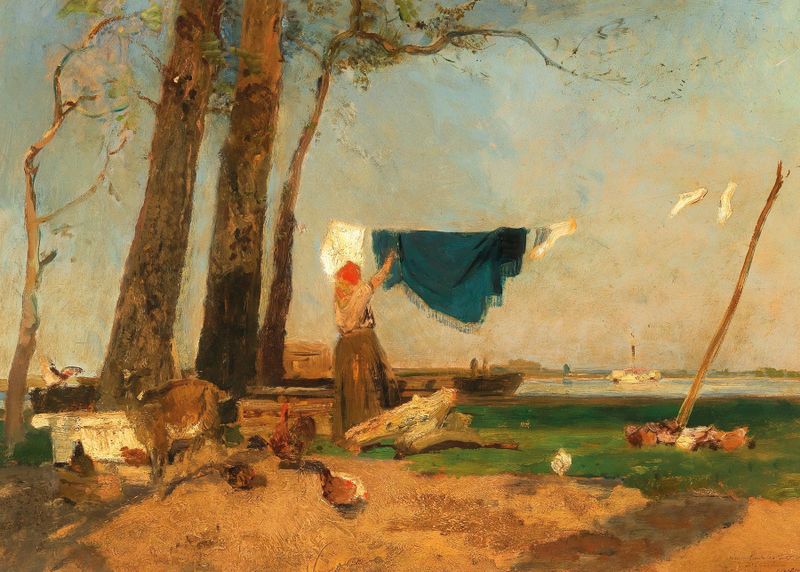
A washerwoman on the Danube bank, near the Praterspitz
Emil Jakob Schindler
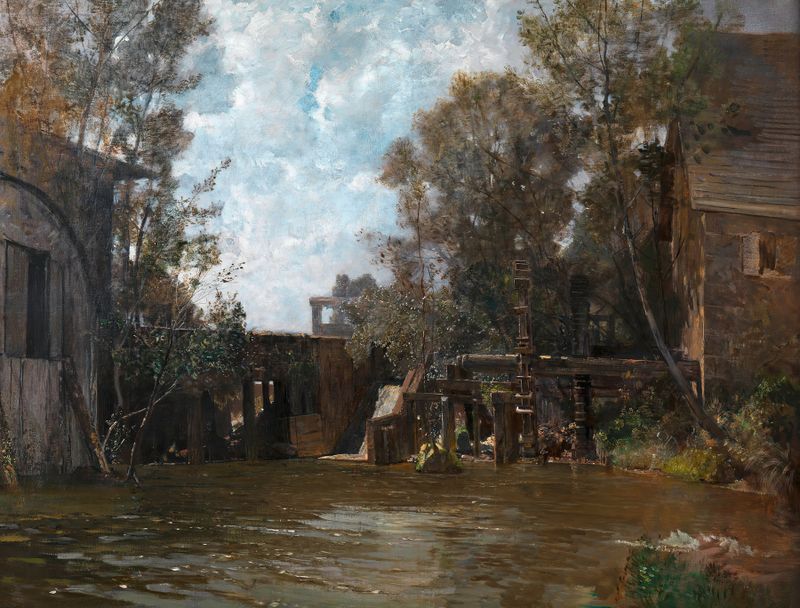
Mühle in Plankenberg
Emil Jakob Schindler
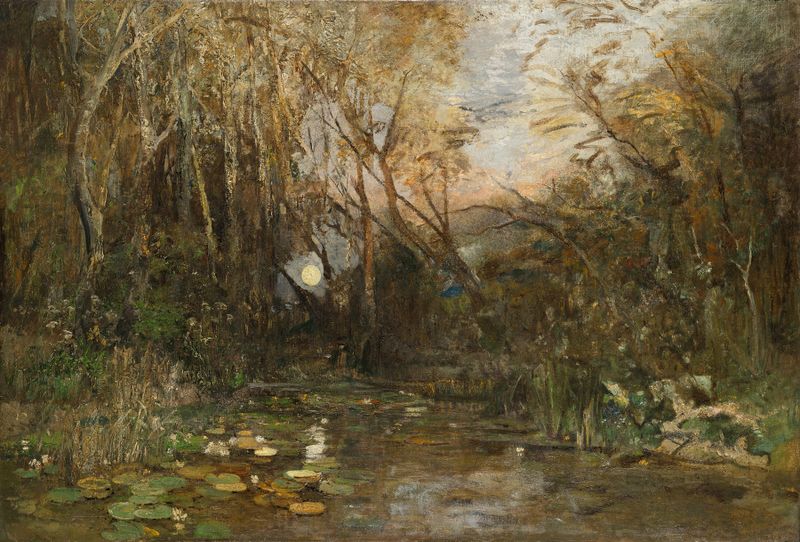
Mondaufgang in der Praterau
Emil Jakob Schindler





