
A View of Mountains Across a Lake — History & Facts
In A View of Mountains Across a Lake, the viewer is greeted by a tranquil landscape. The painting features soft blues and greens, depicting serene mountains reflected in the calm waters of a lake. The sky is painted with gentle hues, suggesting a peaceful atmosphere.
There are no figures present, allowing the viewer to focus on the natural beauty of the scene. The painting showcases Jacques Callot's skill in capturing the subtleties of light and shadow. The colors are blended smoothly, creating a harmonious composition. The brushwork is delicate, emphasizing the serene quality of the landscape.
Although the medium is unknown, it is likely that it employs techniques typical of the Baroque period. Jacques Callot was a French artist known for his prints and landscapes during the early 17th century. This work reflects his interest in nature and the beauty of the French countryside. An interesting fact about this painting is that it exemplifies the Baroque style, characterized by its attention to detail and dramatic use of light.
Callot's landscapes often evoke a sense of calm and contemplation.
More Artworks by Jacques Callot

De verloren zoon als zwijnenhoeder
Jacques Callot
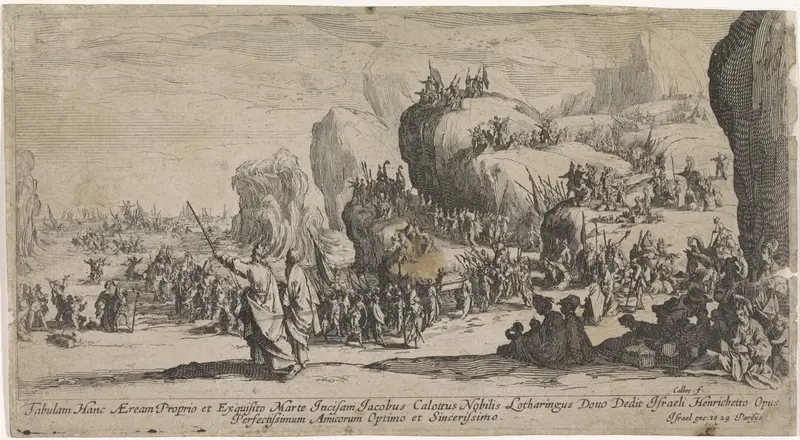
De doortocht door de Rode Zee
Jacques Callot

Kruisiging
Jacques Callot
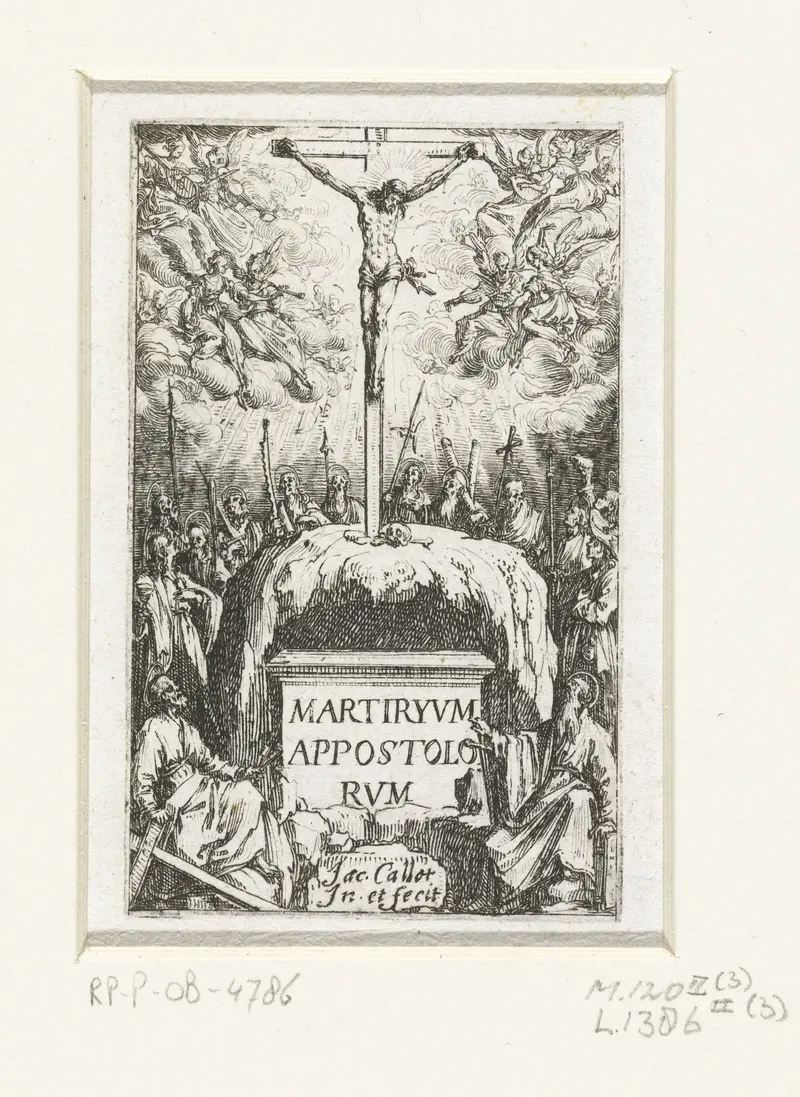
Titelprent voor de prentreeks 'De kleine apostelen' (Het martelaarschap van de apostelen)
Jacques Callot
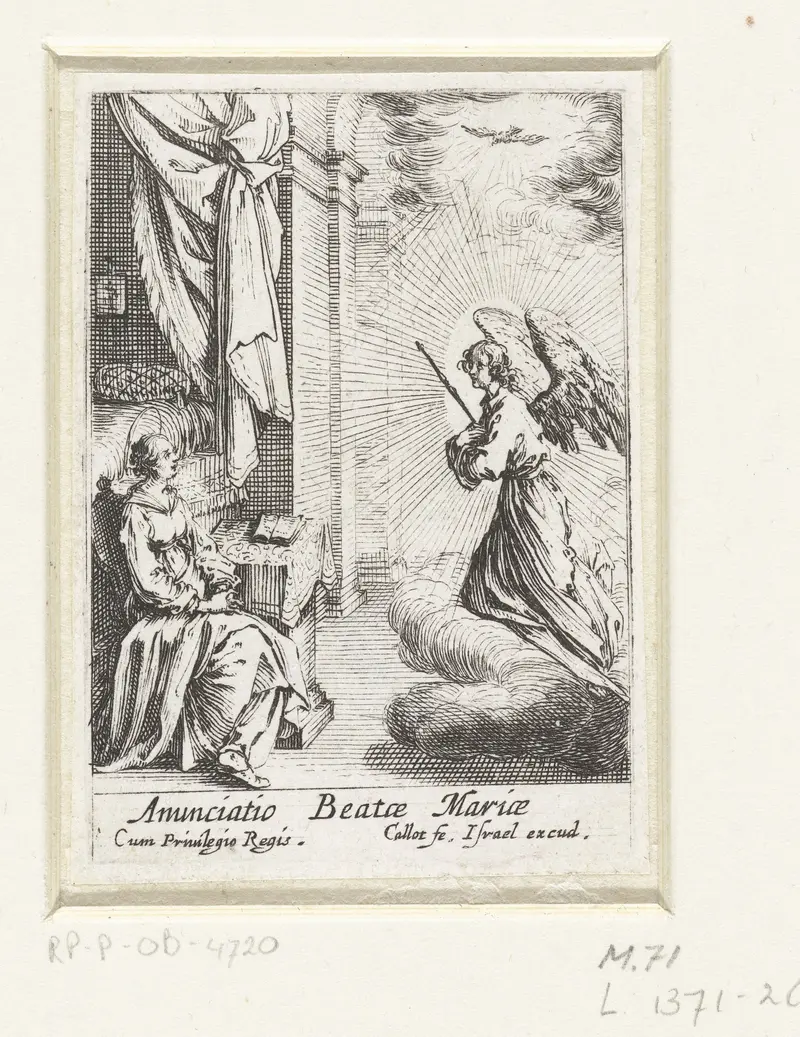
Annunciatie
Jacques Callot
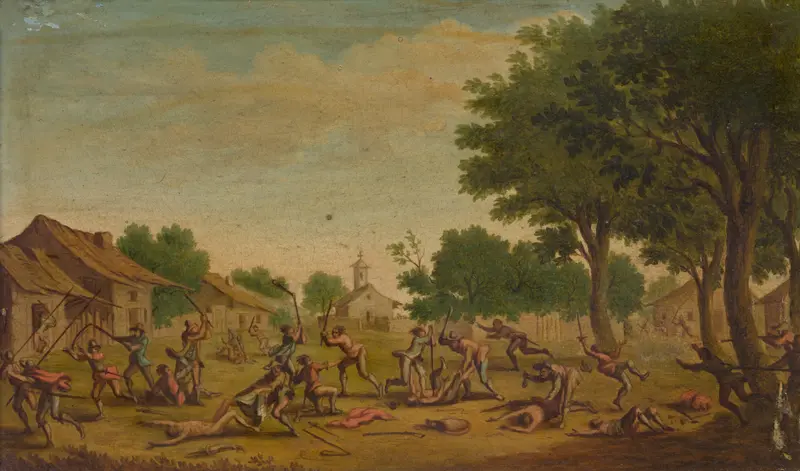
Village Fight
Jacques Callot
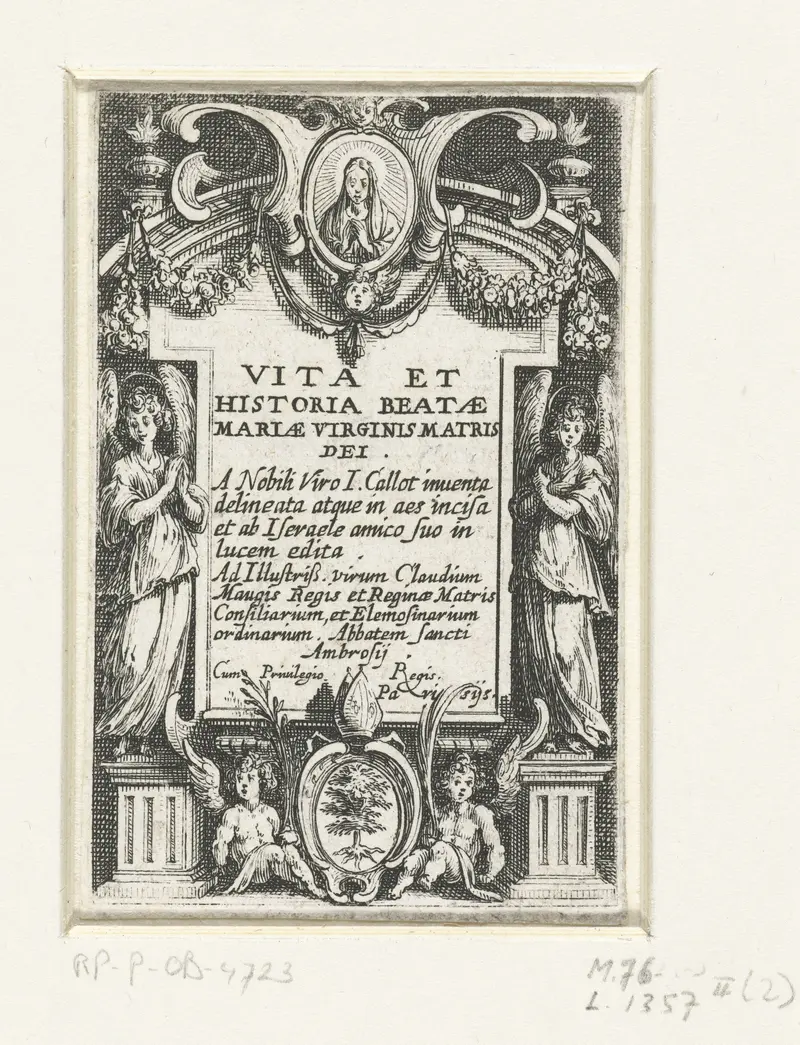
Titelprent voor prentreeks 'Het leven van Maria'
Jacques Callot
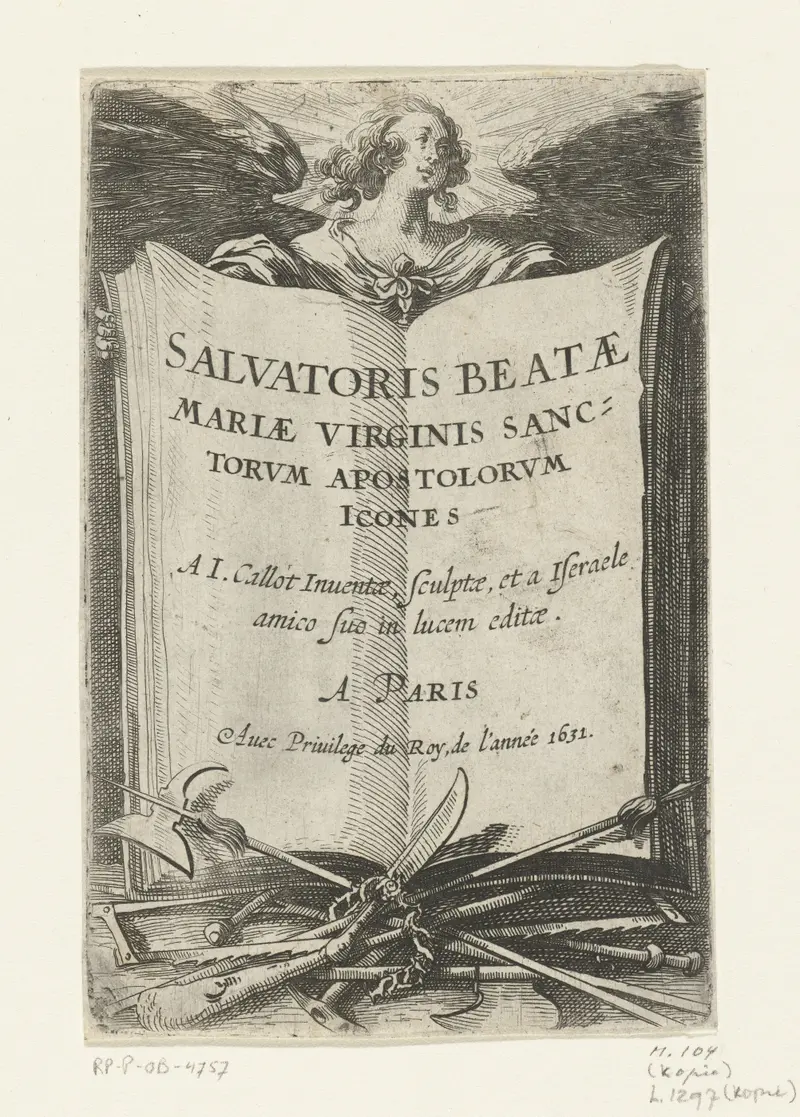
Titelprent voor de prentreeks 'De grote apostelen' (Christus, Maria en de apostelen)
Jacques Callot

Kruisoprichting
Jacques Callot
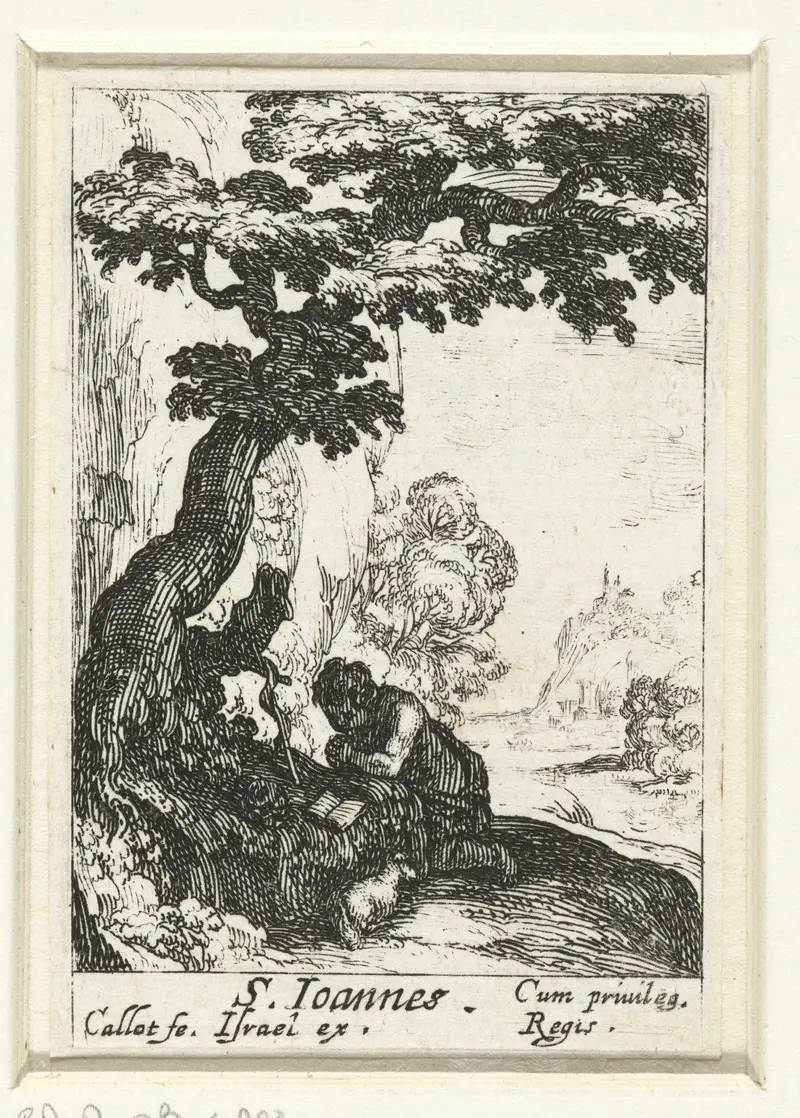
De boetvaardige Johannes de Doper
Jacques Callot
More Landscape Art

The Starry Night
Vincent van Gogh

View of Delft
Johannes Vermeer

Water Lilies
Claude Monet

The Grand Canal, Venice, looking north-west from the Ca' Corner to the Ca' Contarini degli Scrigni, with the campanile of Santa Maria della Carità
Canaletto

Windsor Castle
Canaletto

The Grand Canal looking North-East from the Palazzo Dolfin-Manin to the Rialto Bridge
Canaletto