
A Washerwoman at Éragny — History & Facts
In A Washerwoman at Éragny, Camille Pissarro presents a scene filled with vibrant colors and natural light. The painting depicts a woman engaged in the labor of washing clothes by a river, surrounded by lush greenery. The soft brush strokes create a sense of movement, capturing the gentle flow of water and the woman's actions.
The overall atmosphere is one of tranquility and rural life. This artwork is an example of Impressionism, characterized by its loose brushwork and emphasis on light. The colors are bright and varied, with greens, blues, and earth tones dominating the palette. The viewer can notice how Pissarro captures the effects of sunlight filtering through the trees, illuminating the scene.
The painting is executed in oil on canvas, a common medium for Impressionist artists. Camille Pissarro was a key figure in the Impressionist movement, known for his depictions of rural life. A Washerwoman at Éragny reflects his interest in everyday scenes and the working class. An interesting fact about this work is that it was created during a time when Pissarro was exploring the effects of light and color in his paintings.
This piece exemplifies his dedication to capturing the essence of life in the countryside.
More Artworks by Camille Pissarro
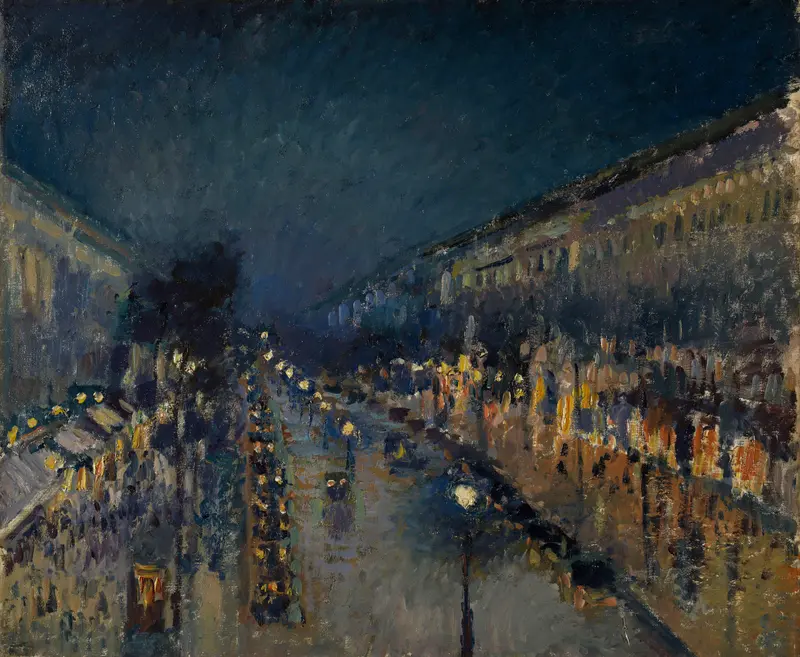
The Boulevard Montmartre at Night
Camille Pissarro

Boulevard des Italiens,Morning_Sunlight
Camille Pissarro

Boulevard Montmartre, Spring
Camille Pissarro
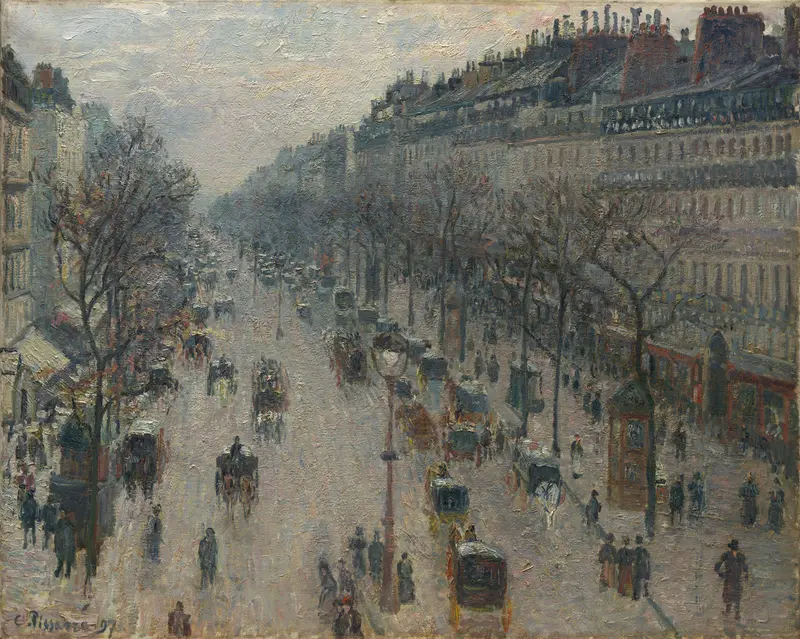
The Boulevard Montmartre on a Winter Morning
Camille Pissarro
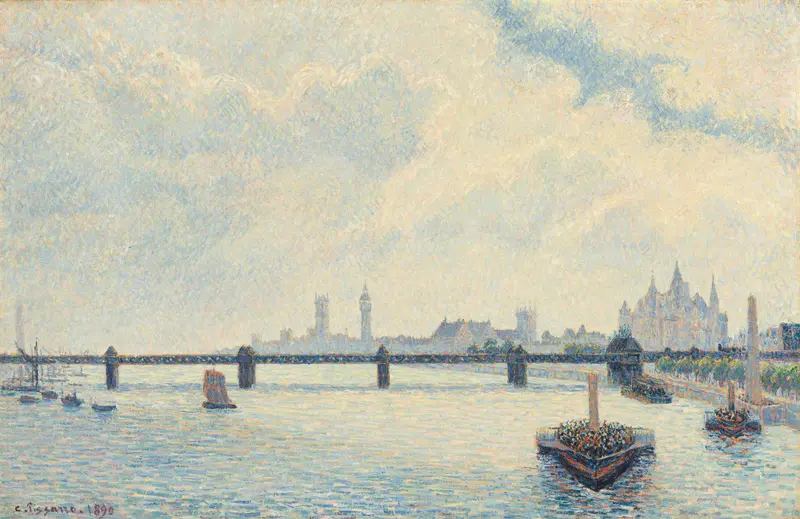
Charing Cross Bridge,London
Camille Pissarro
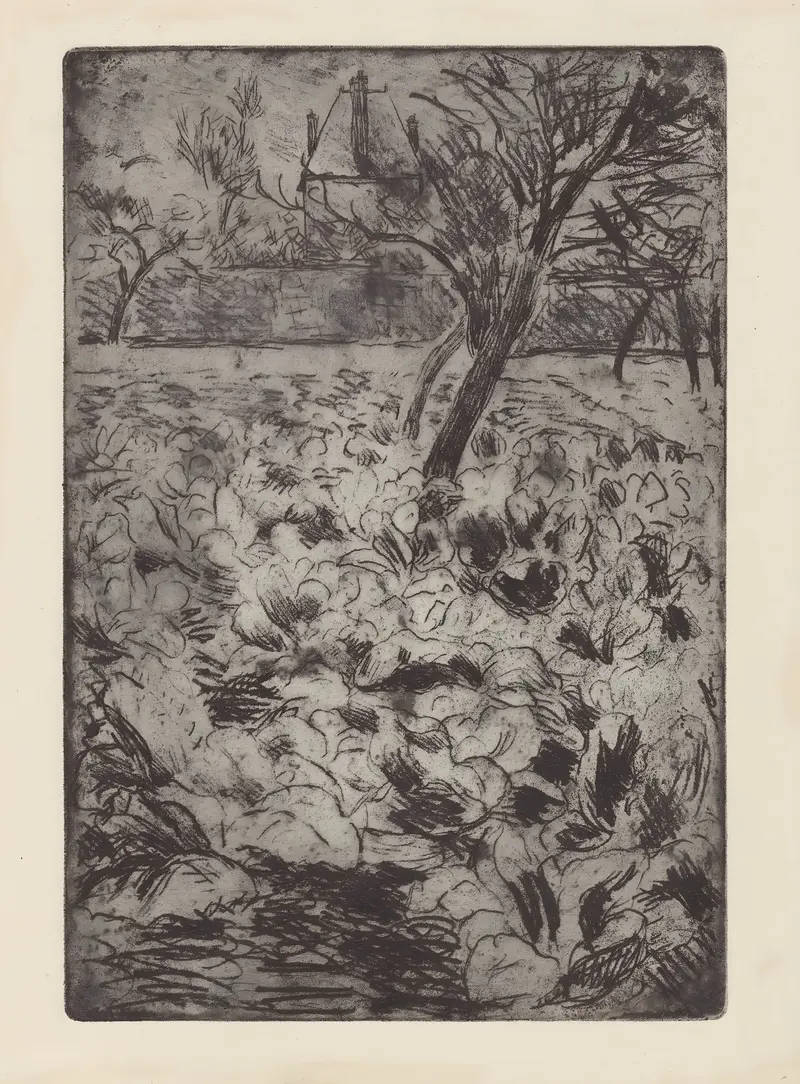
Le champ de choux
Camille Pissarro
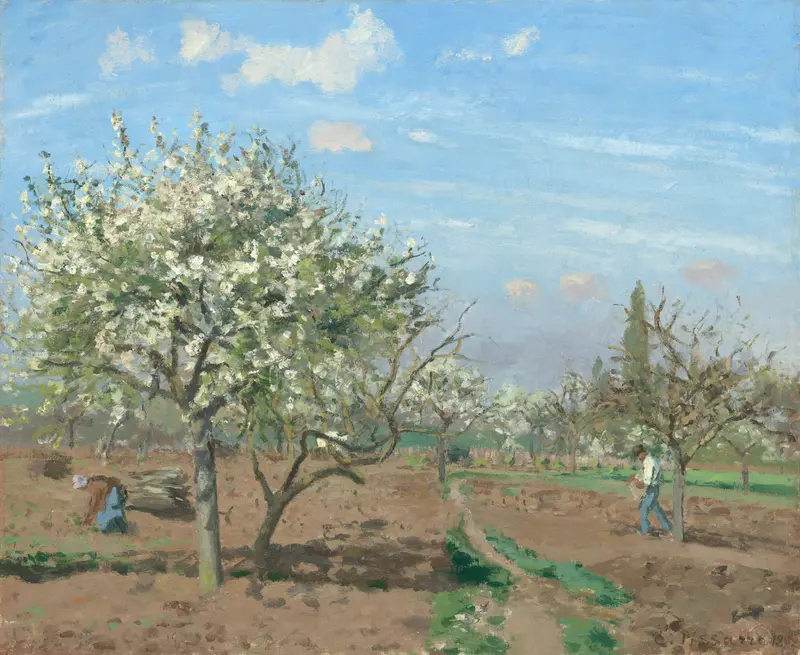
Orchard in Bloom,Louveciennes
Camille Pissarro
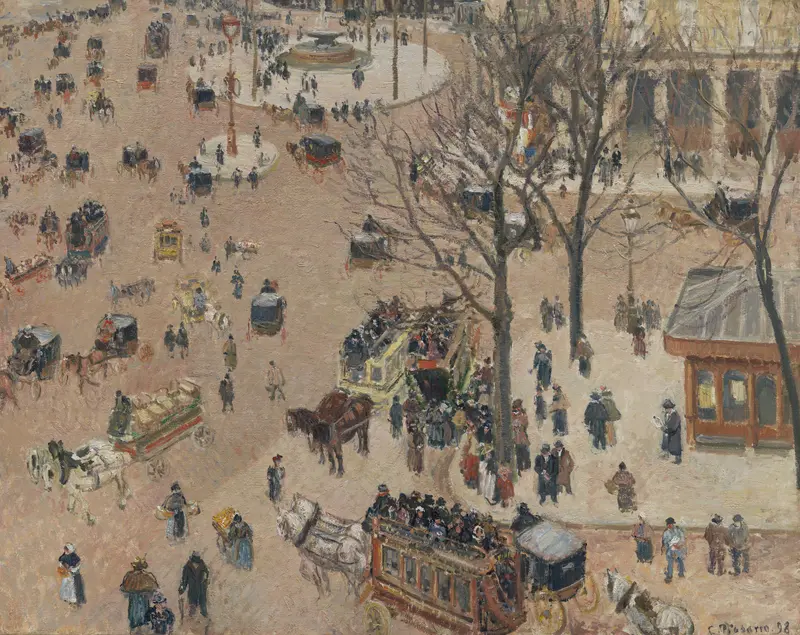
La Place du Théâtre Français
Camille Pissarro

The Pond at Montfoucault, Effect of Winter
Camille Pissarro
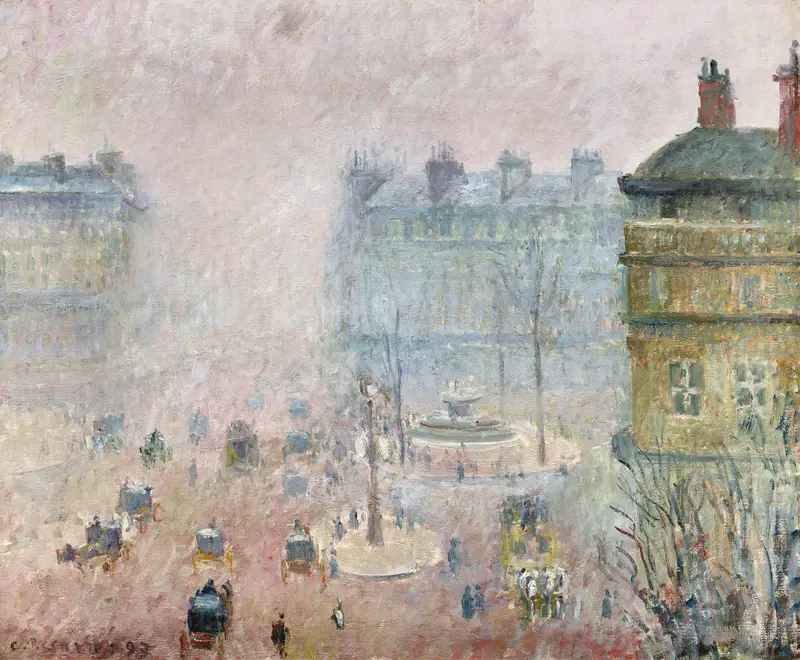
Place du Theatre Francais,Fog Effect
Camille Pissarro
More Genre Scene Art

Banquet of the Officers of the St George Civic Guard
Frans Hals

Rembrandt and Saskia in the Scene of the Prodigal Son
Rembrandt van Rijn

Bal du moulin de la Galette
Pierre-Auguste Renoir

Quadrille at the Moulin Rouge
Henri de Toulouse-Lautrec

A Burial at Ornans
Gustave Courbet

When Will You Marry?
Paul Gauguin