
A Woman with a Dog — History & Facts
When A Woman with a Dog was exhibited in 1769, it marked a turning point for Jean-Honoré Fragonard, who had just returned from Italy and was eager to prove himself in Paris. The painting’s intimate scale and subject matter broke from the grand mythological scenes expected at the Salon, signaling Fragonard’s shift toward the private, playful world that would define his mature style. Contemporary viewers were surprised by his focus on everyday affection rather than allegory or history, a choice that foreshadowed the Rococo’s embrace of personal pleasure. Fragonard captures a fleeting, gentle moment: a young woman, her face alight with a private smile, cradles a small dog in her arms.
The animal’s eager gaze and the woman’s relaxed posture suggest a bond of trust and affection, a theme rarely treated with such warmth in eighteenth-century portraiture. The soft, golden light caresses her powdered hair and the delicate fabrics of her dress, while the loose, energetic brushwork gives the scene a sense of spontaneity. Her jewelry and the fine lace hint at her social standing, yet the painting’s true focus is the shared intimacy between human and animal—a motif Fragonard would revisit, though rarely with such directness.
Unlike the formal pet portraits of Jean-Baptiste Oudry, Fragonard’s approach is informal, almost conspiratorial, inviting the viewer into the sitter’s private world. The exact origins of A Woman with a Dog remain somewhat mysterious; no documented commission survives, and the sitter’s identity is still debated among scholars. The painting’s style and subject place it squarely in the late 1760s, a period when Fragonard was experimenting with new ways to capture the fleeting pleasures of life. Over the centuries, the panel has passed quietly through private collections, largely escaping the upheavals that befell many of Fragonard’s more famous works during the French Revolution.
Today, it stands as a testament to the artist’s gift for turning everyday moments into scenes of enduring charm, and it remains a highlight of any collection of Rococo portraiture.
More Artworks by Jean-Honoré Fragonard
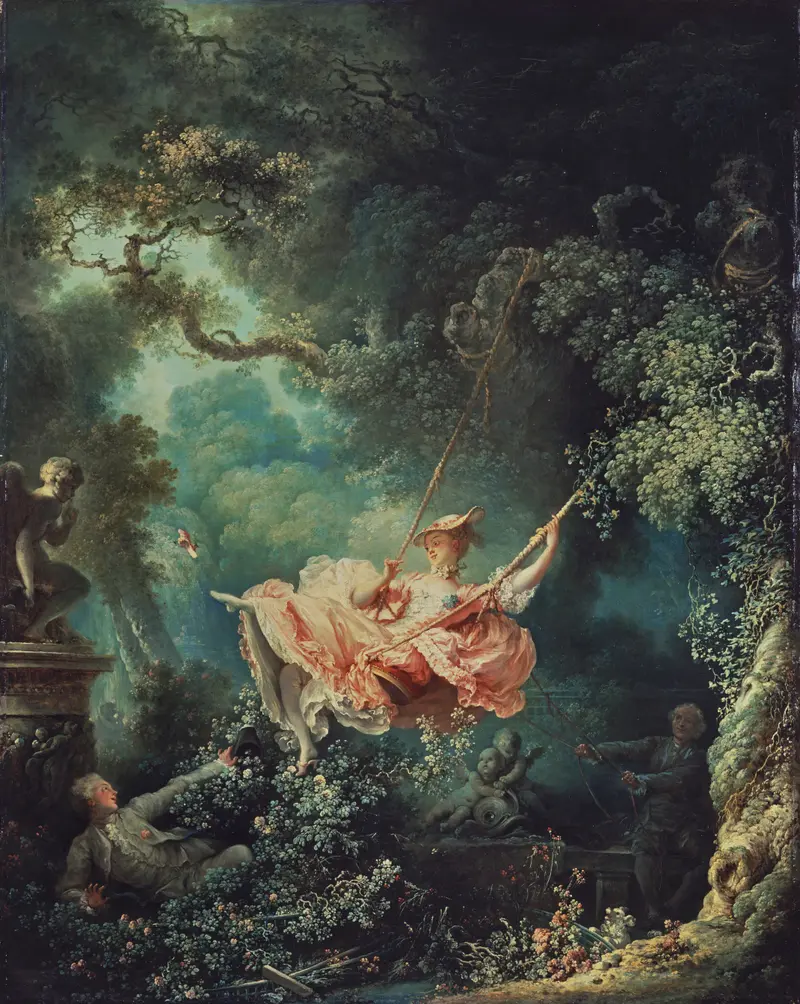
The Swing
Jean-Honoré Fragonard

The Swing
Jean-Honoré Fragonard
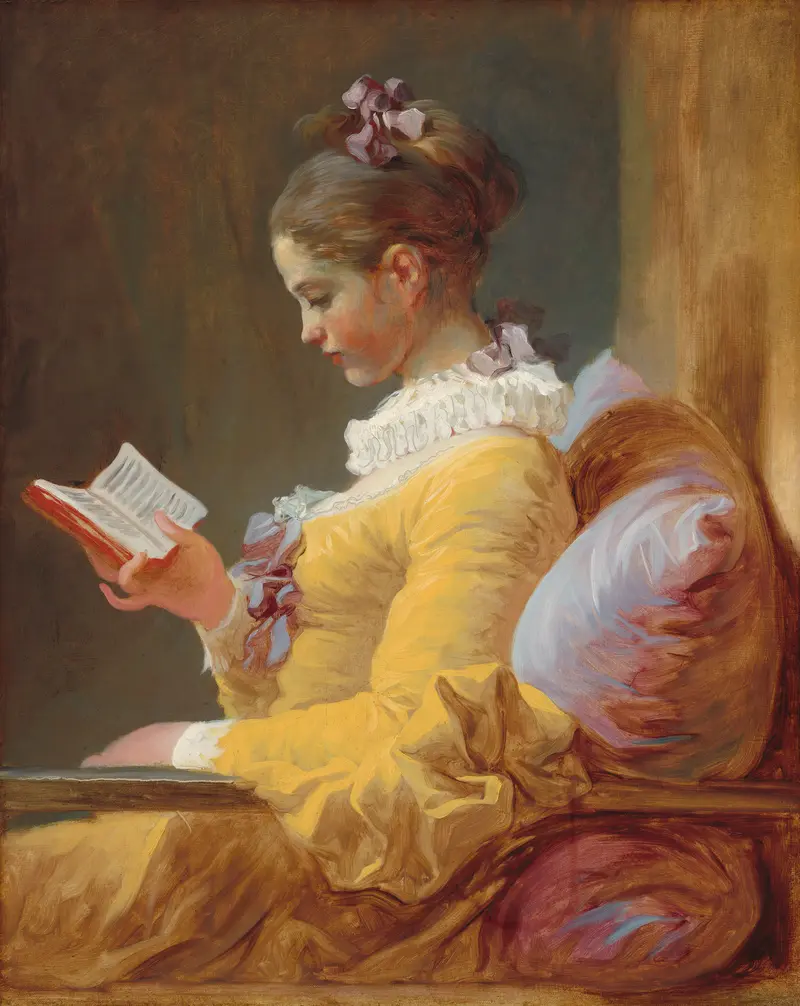
A Young Girl Reading
Jean-Honoré Fragonard
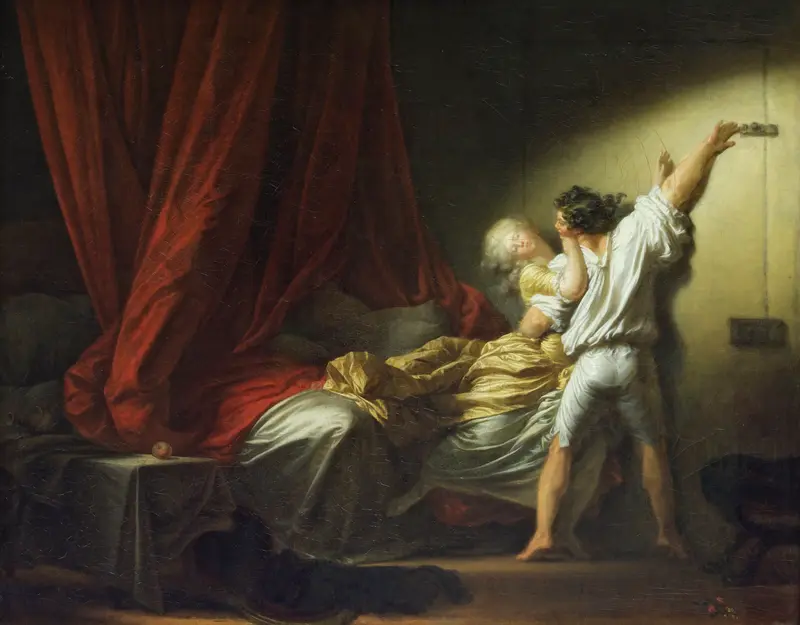
The Lock
Jean-Honoré Fragonard
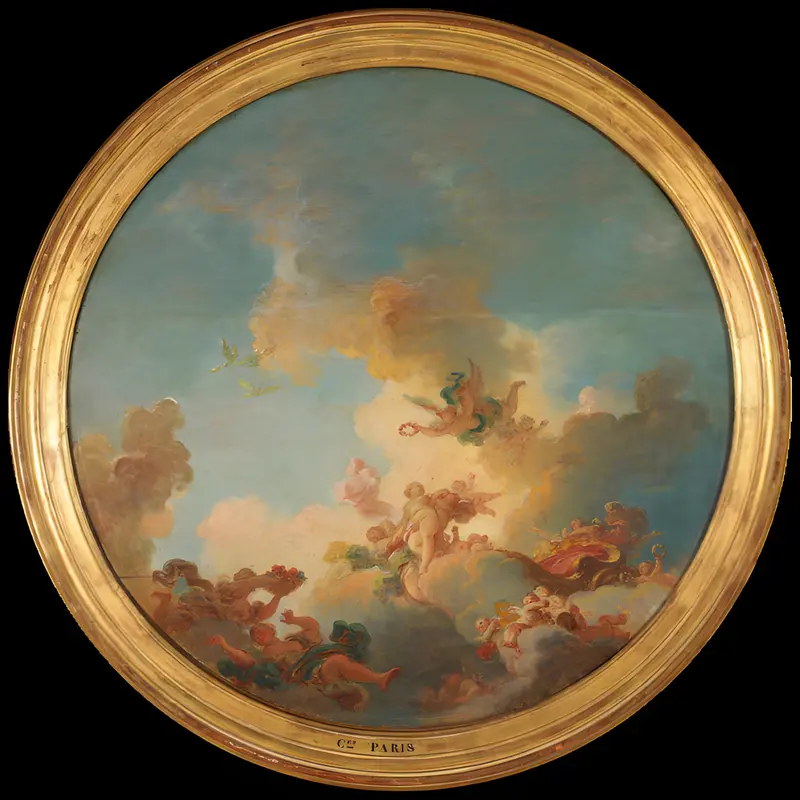
The Triumph of Venus
Jean-Honoré Fragonard
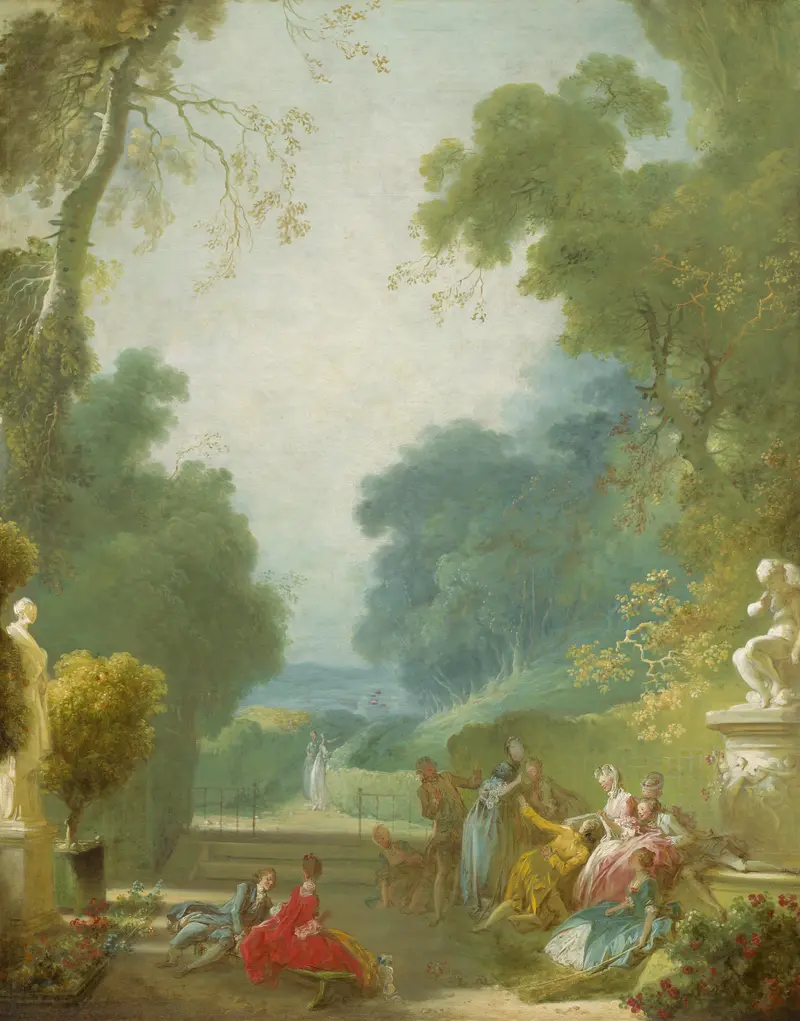
A Game of Hot Cockles
Jean-Honoré Fragonard
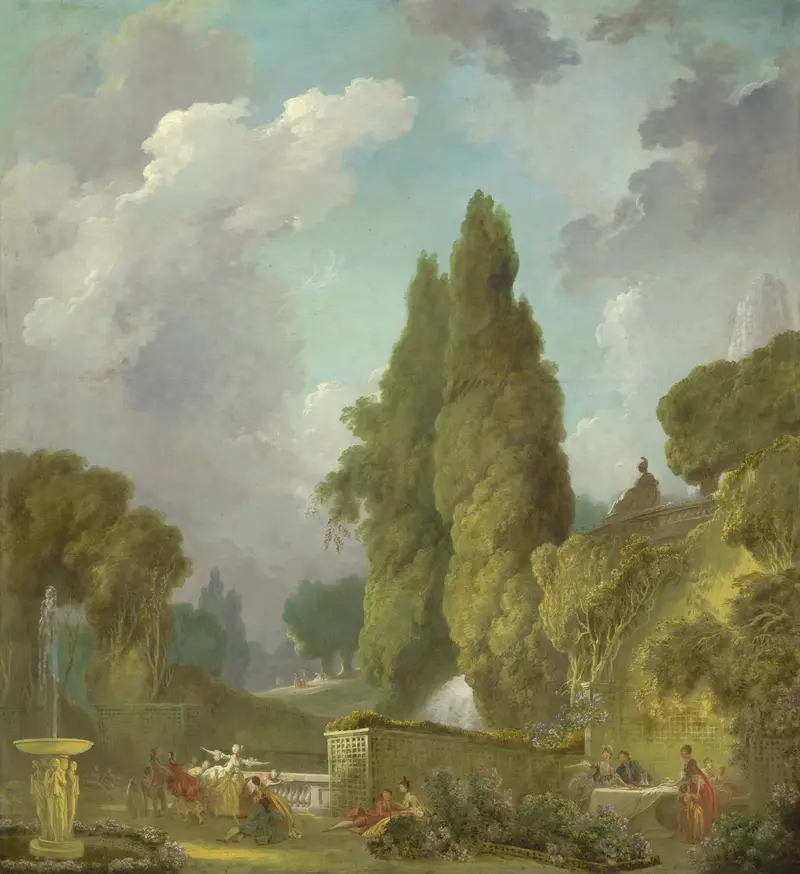
Blindman’s Buff
Jean-Honoré Fragonard
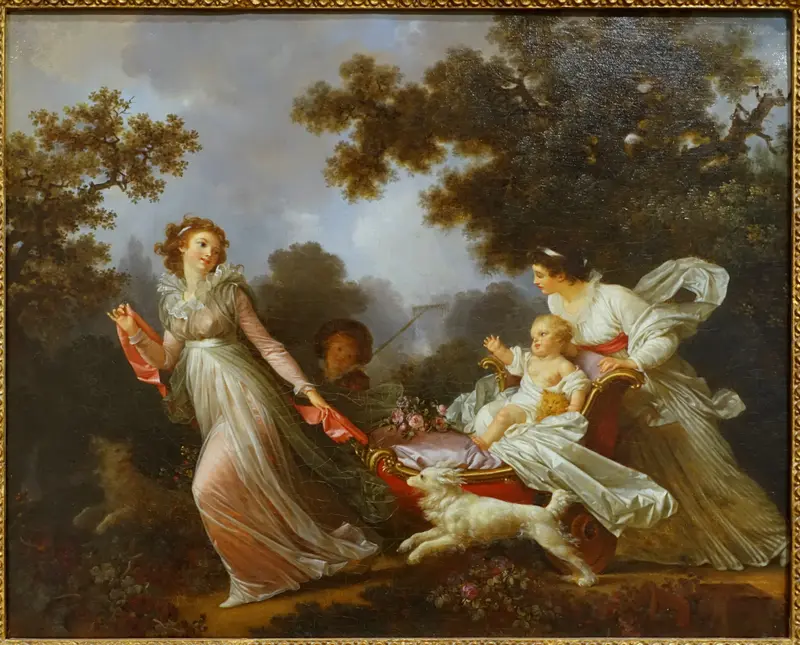
The Beloved Child
Jean-Honoré Fragonard
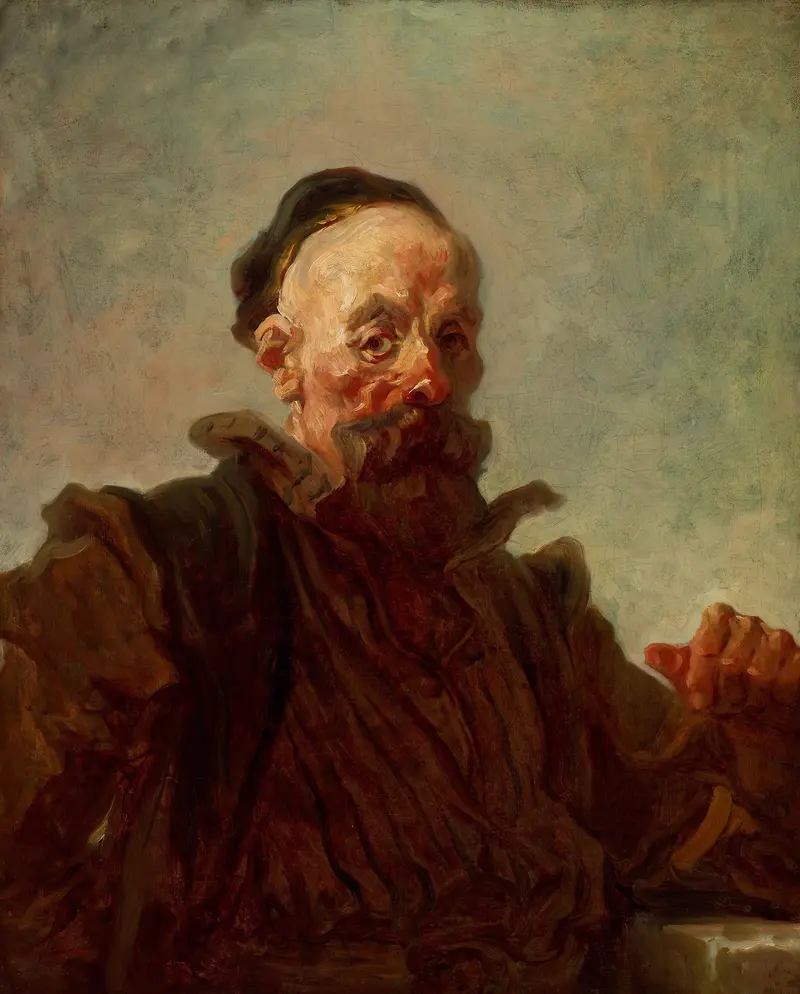
Portrait of a Man in Costume
Jean-Honoré Fragonard
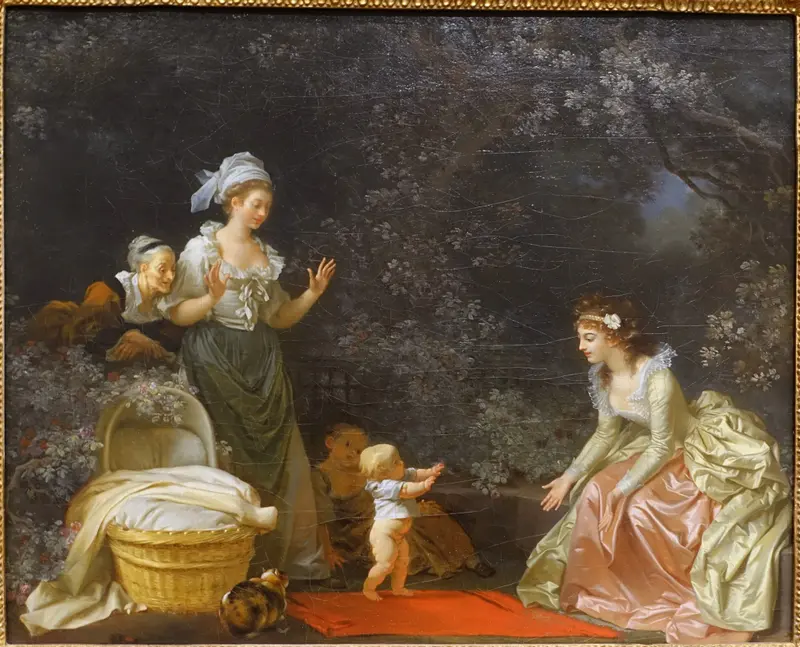
The First Steps
Jean-Honoré Fragonard





