
A Young Saint — History & Facts
What holds the viewer here is the gaze: the young saint’s eyes, wide and luminous, are cast upward into shadow, as if searching for something just beyond the edge of the canvas. The artist, John William Waterhouse, chooses not to surround his subject with the usual trappings of sainthood—no golden halo, no crowded narrative—only the stark vertical of a reed and the rough cross formed from a cattail. The figure’s bare shoulder and loosely draped cloth invite the eye to linger on the contrast between innocence and ritual, flesh and symbol.
The light, soft and golden, falls gently across her face, warming the skin and setting the chestnut hair aglow, while the background recedes into a darkness that feels both protective and isolating. This is the world of late nineteenth-century British painting, when artists like Waterhouse returned again and again to myth and early Christianity, drawing out their psychological undercurrents. Works such as this, now in the collection of Sotheby’s (Lot.14), were often made for private collectors who craved images that hovered between the spiritual and the sensual. The Pre-Raphaelite movement, with which Waterhouse is closely linked, prized this kind of ambiguity—where the old stories are retold not with certainty, but with longing and doubt.
History has kept few traces of this particular painting’s early life, but its mood is unmistakable: a moment of stillness, suspended between earth and heaven, that asks the viewer to imagine what vision or voice the young saint might see in the darkness above.
More Artworks by John William Waterhouse
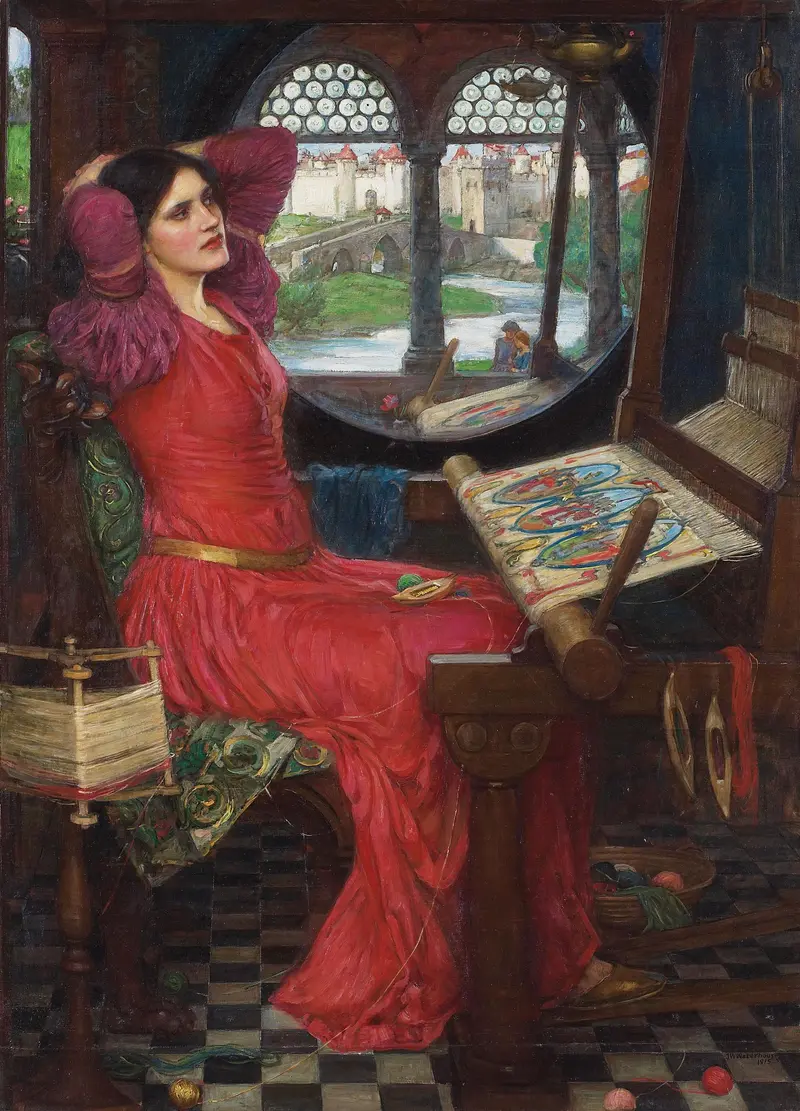
'I Am Half-Sick of Shadows,' Said the Lady of Shalott
John William Waterhouse

The Favourites of the Emperor Honorius, 1883
John William Waterhouse

The Lady of Shalott
John William Waterhouse
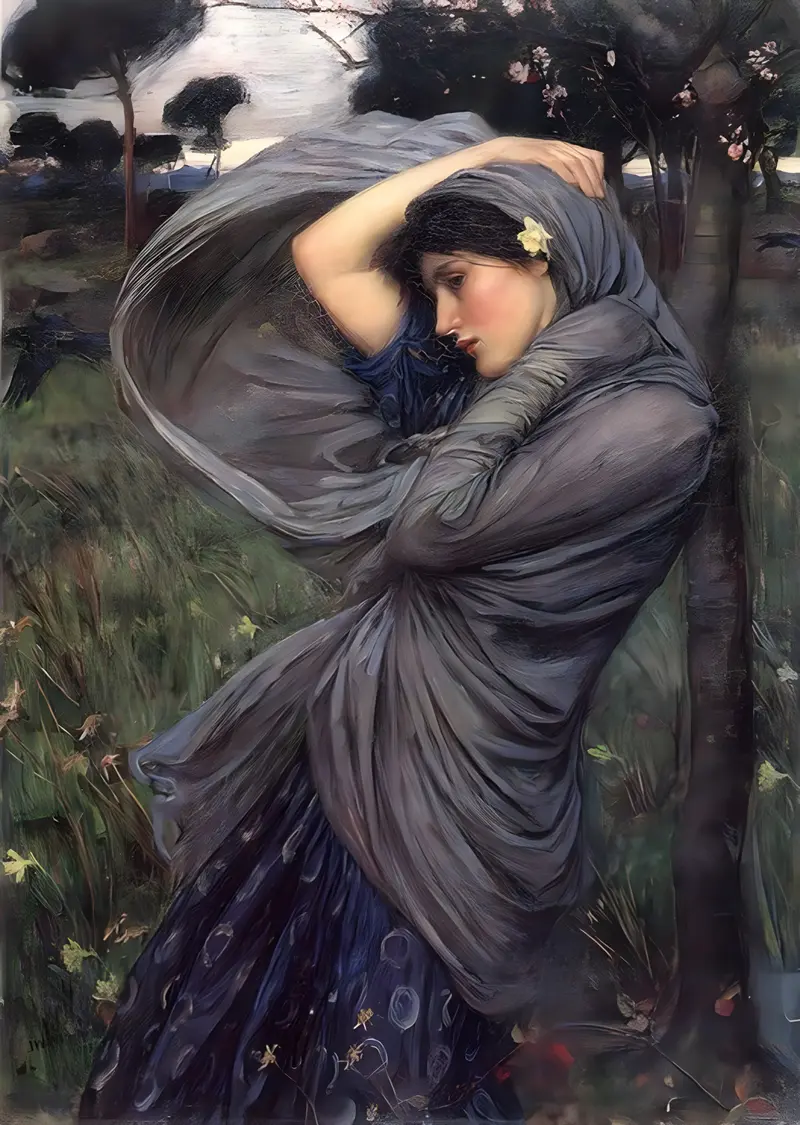
Boreas
John William Waterhouse
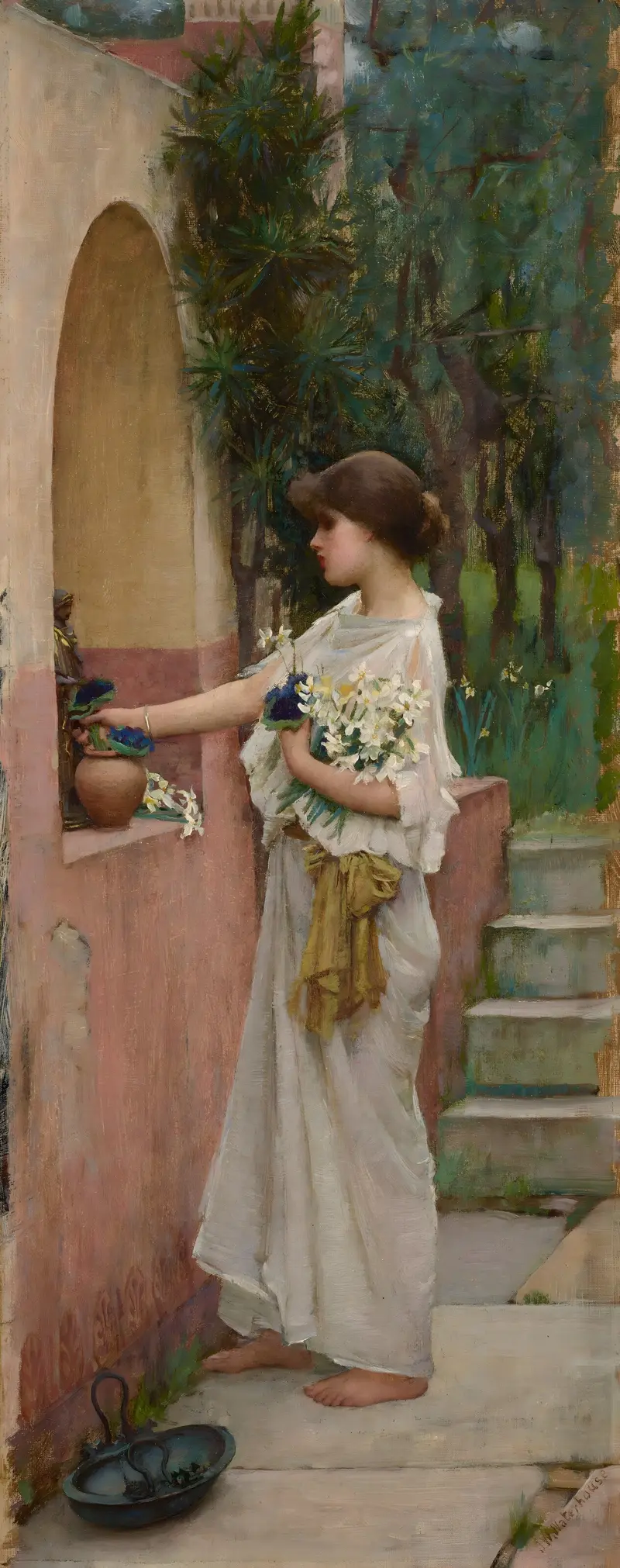
A Roman Offering
John William Waterhouse
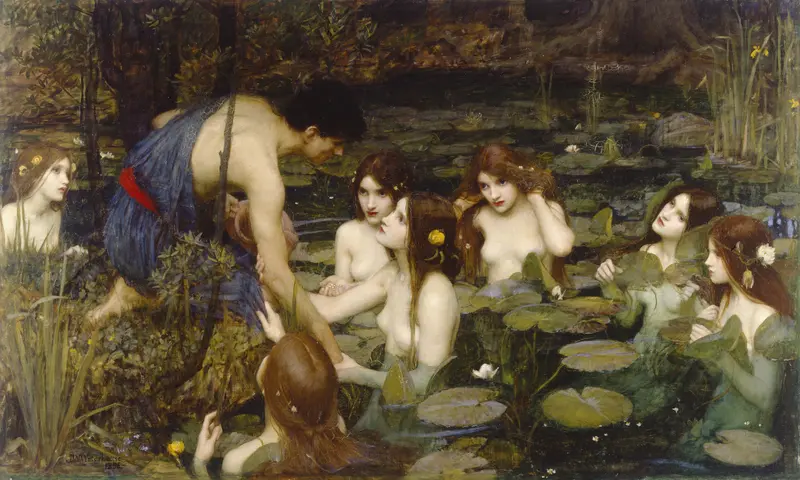
Hylas and the Nymphs
John William Waterhouse
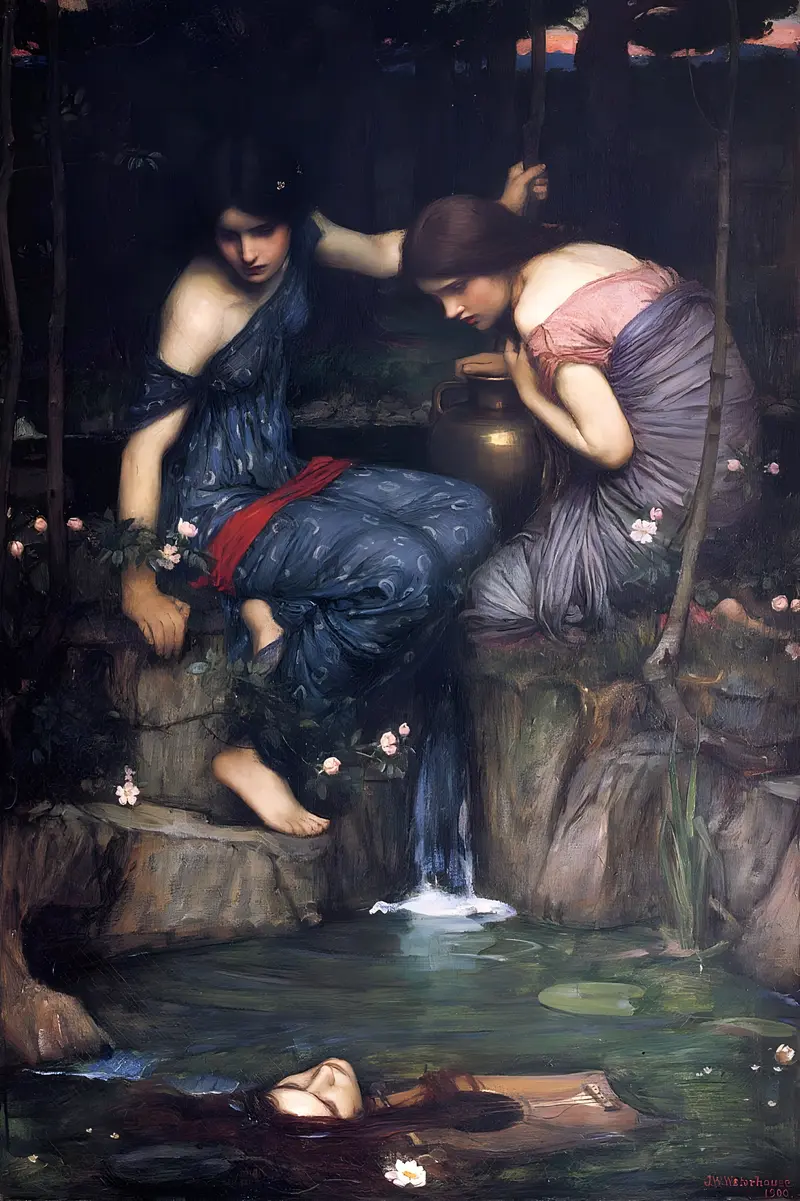
Nymphs Finding the Head of Orpheus
John William Waterhouse
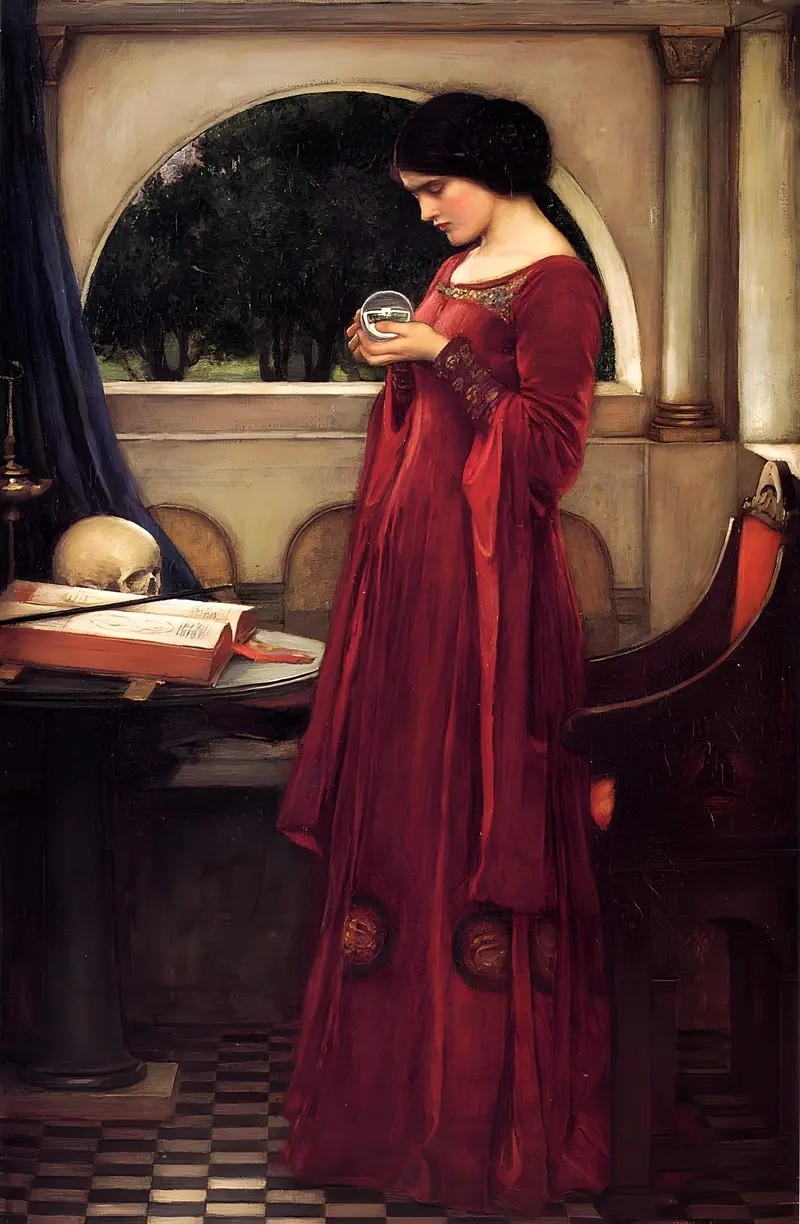
The Crystal Ball
John William Waterhouse
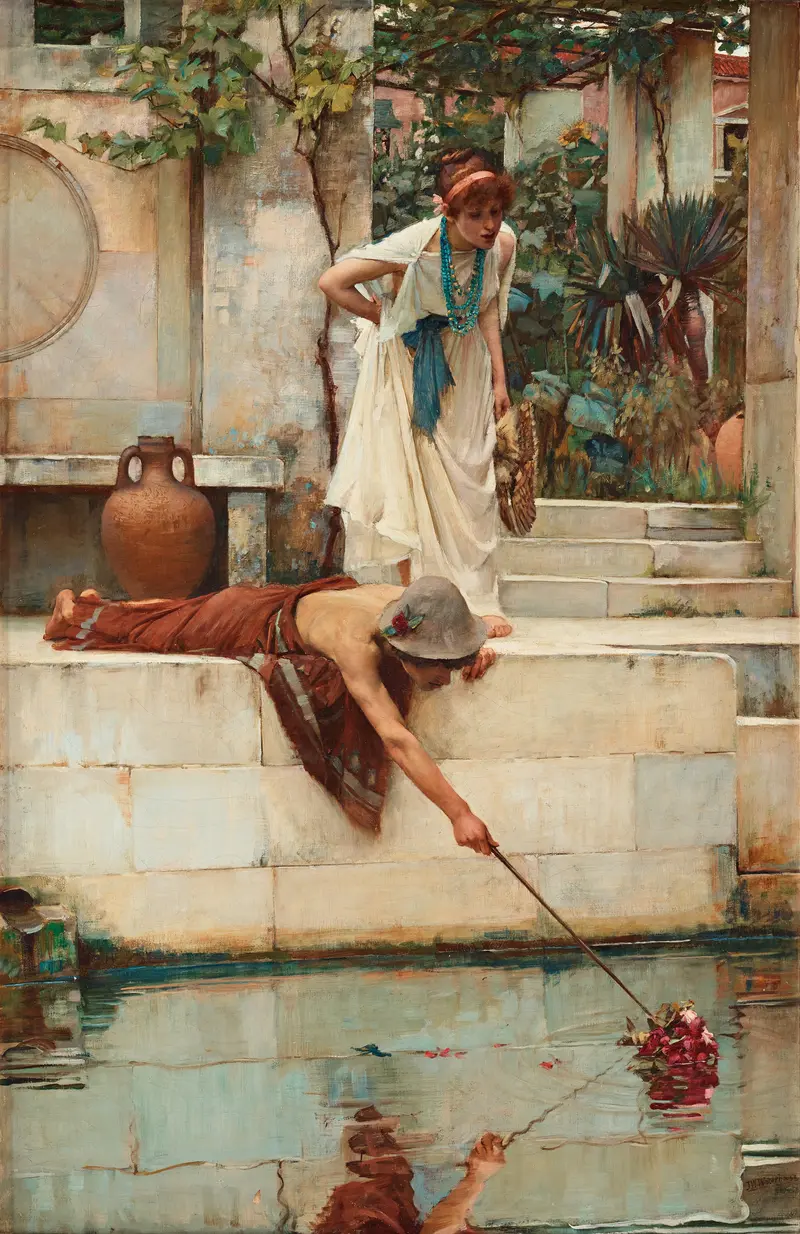
The Rescue
John William Waterhouse
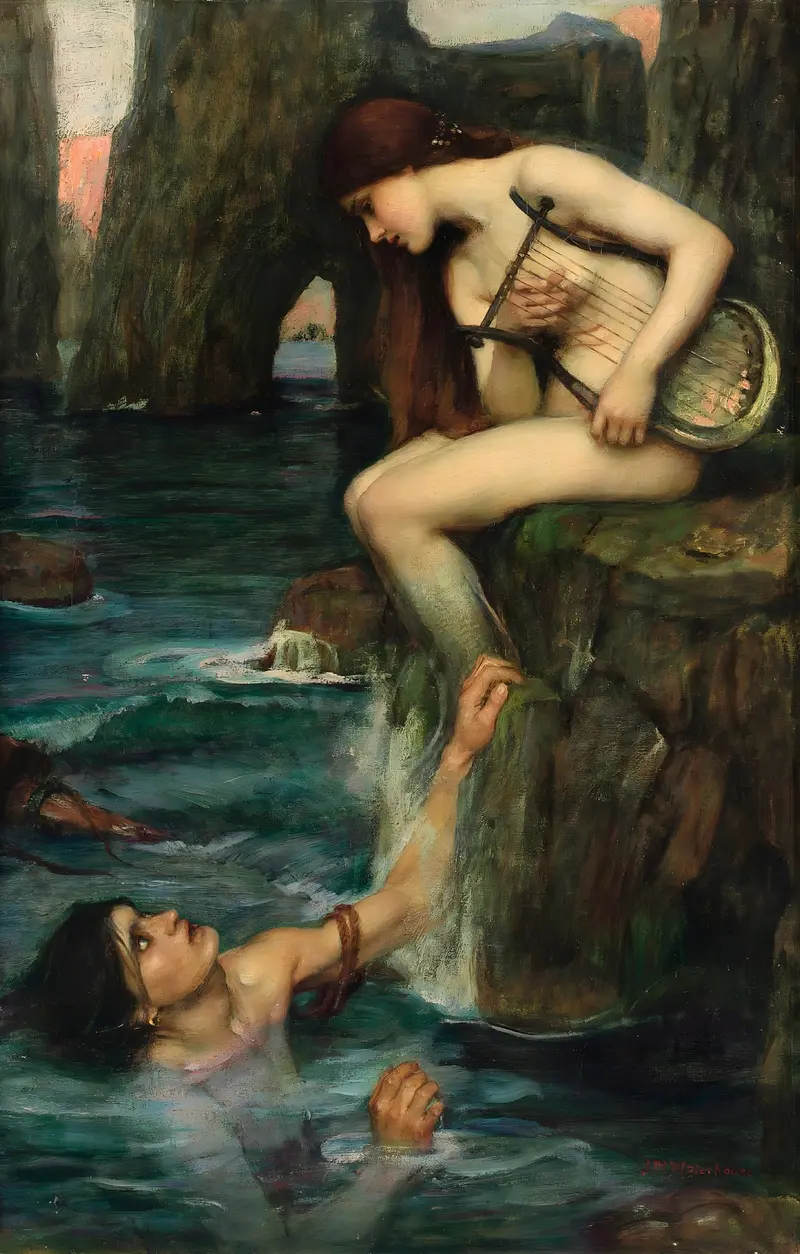
The Siren, 1900
John William Waterhouse





