
Nymphs Finding the Head of Orpheus — History & Facts
What first draws the eye is not the mythic horror, but the hush: two nymphs, poised at the edge of a forest pool, are caught in a moment of discovery so quiet it feels almost private. One leans forward, her hand braced on a golden vessel, her gaze fixed on the water below; the other, draped in deep blue, reaches out with a gentle steadiness. Below them, half-submerged and crowned with loose hair and a lyre, floats the head of Orpheus—his features serene, the violence that brought him here hidden beneath the glassy surface.
The scene is woven with soft pink wild roses and the glow of twilight, the palette a tapestry of dusk blues, mossy greens, and the pale shimmer of skin, all guiding us to the silent tragedy at the heart of the pool. Painted in 1900, Nymphs Finding the Head of Orpheus belongs to the world of late Victorian Britain, when artists like John William Waterhouse returned again and again to ancient myth for its drama and ambiguity. In this era, the Pre-Raphaelite movement and its followers sought to revive the storytelling power of painting, often choosing moments of pause and aftermath rather than battle or climax. Such works were typically commissioned by collectors fascinated by classical learning and the allure of lost worlds, eager to display both taste and erudition.
While little is recorded about the journey of this particular canvas, its presence in a modern online collection is a reminder of how these stories—once the province of elite salons—now invite anyone, anywhere, to linger over the stillness and sorrow Waterhouse so carefully composed. Look again at the water’s surface: myth, memory, and beauty suspended together, forever unresolved.
More Artworks by John William Waterhouse
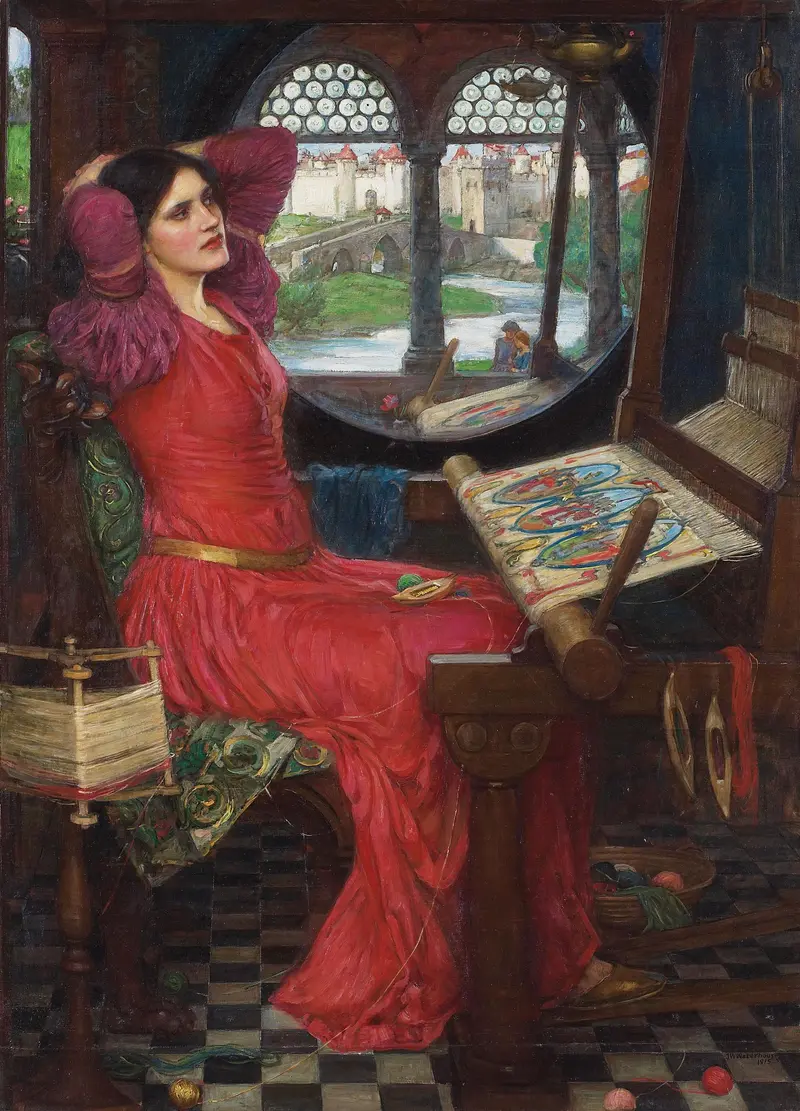
'I Am Half-Sick of Shadows,' Said the Lady of Shalott
John William Waterhouse

The Favourites of the Emperor Honorius, 1883
John William Waterhouse
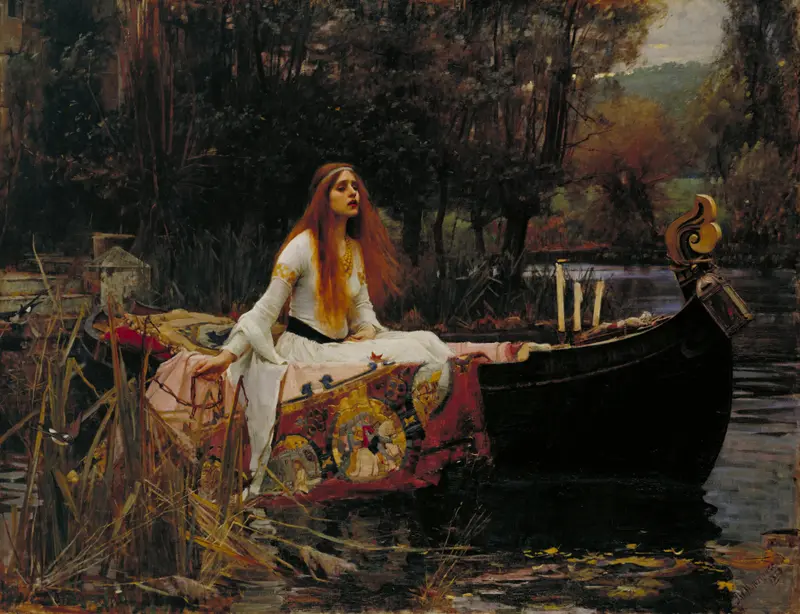
The Lady of Shalott
John William Waterhouse
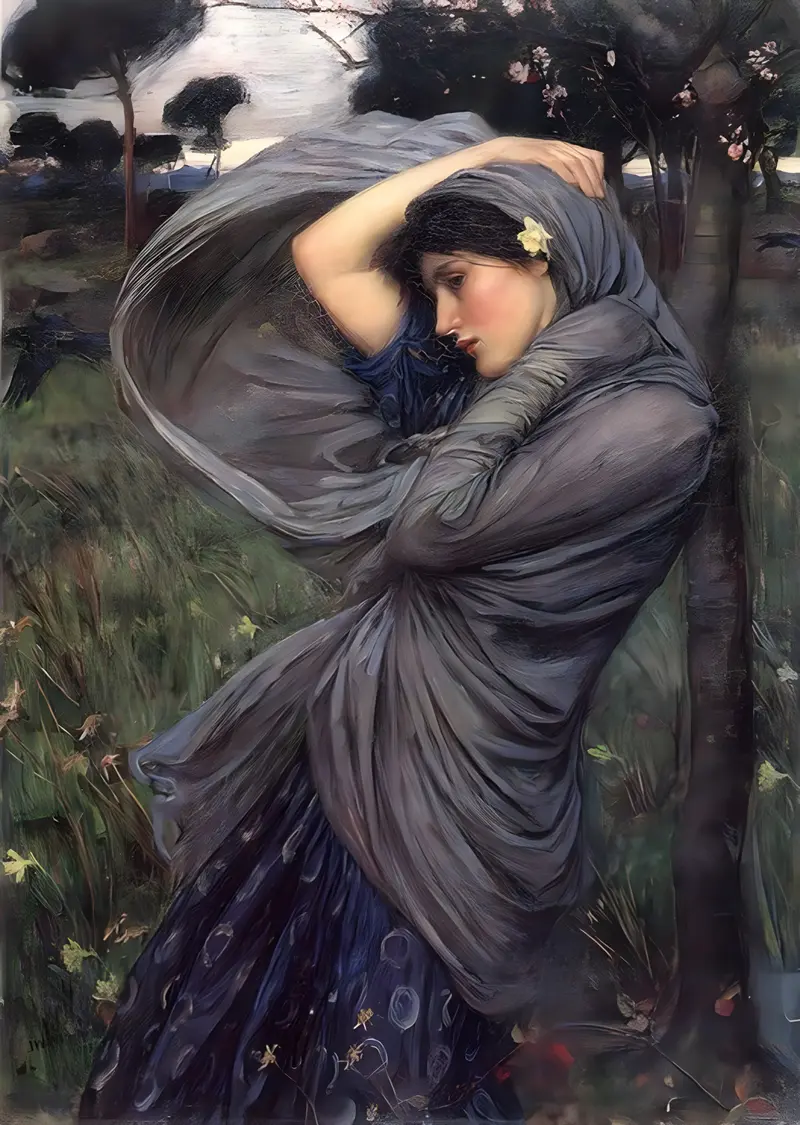
Boreas
John William Waterhouse
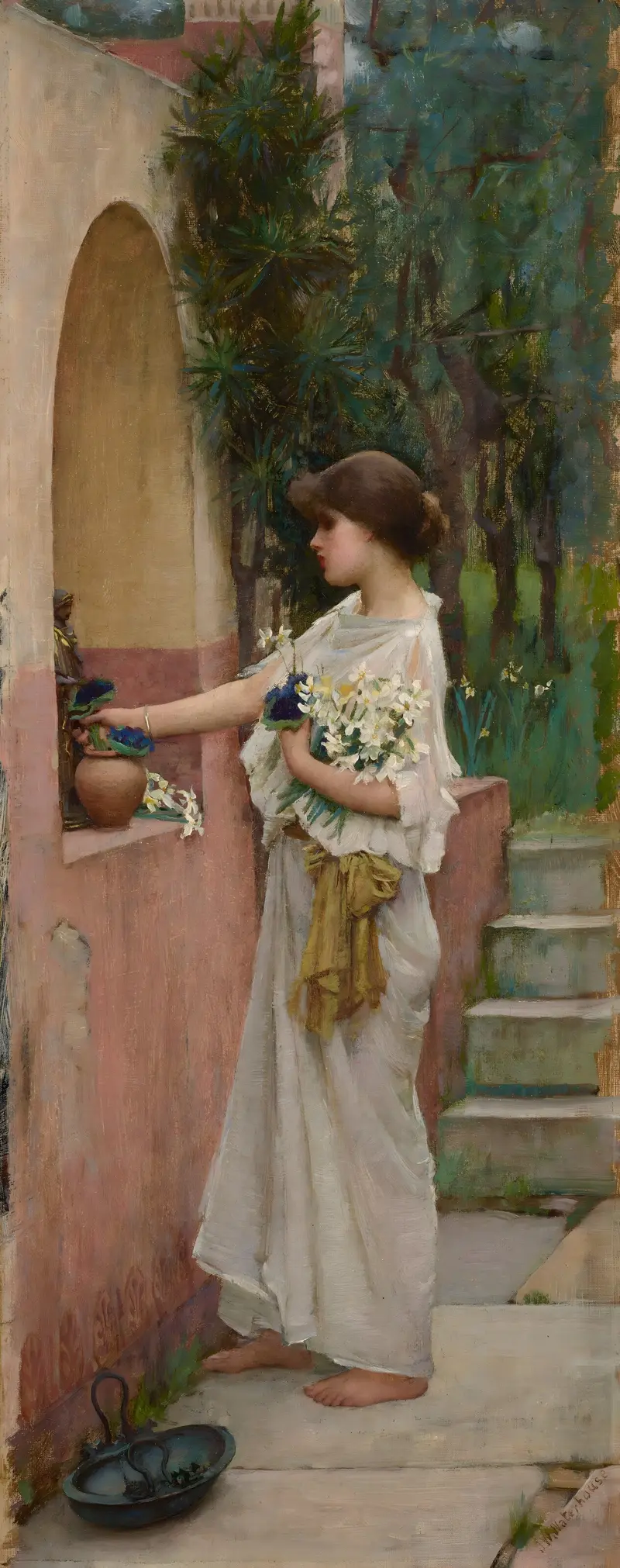
A Roman Offering
John William Waterhouse
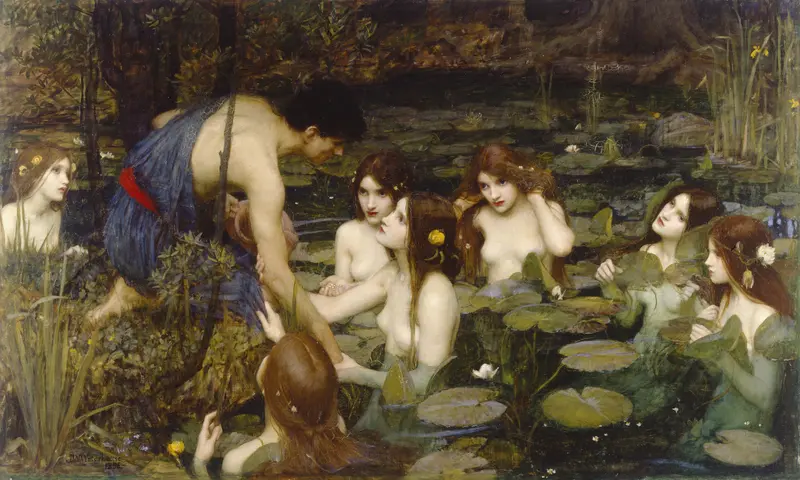
Hylas and the Nymphs
John William Waterhouse
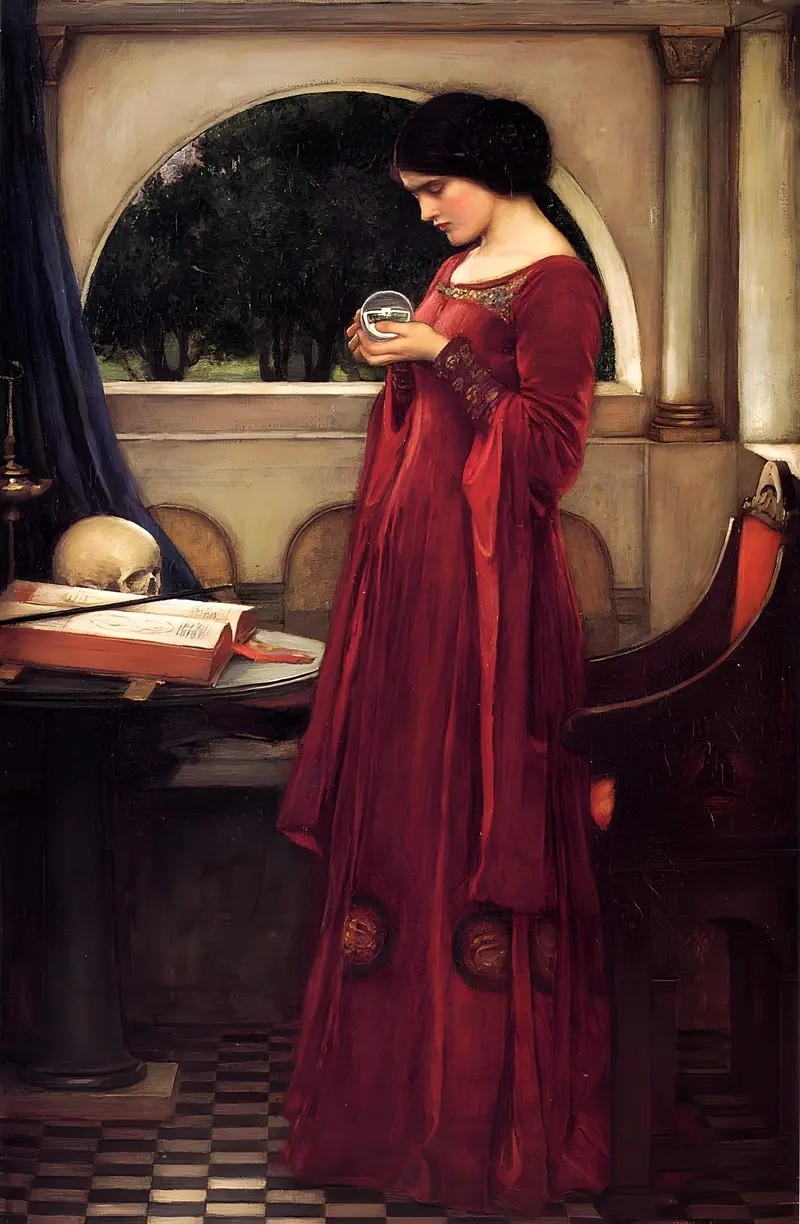
The Crystal Ball
John William Waterhouse
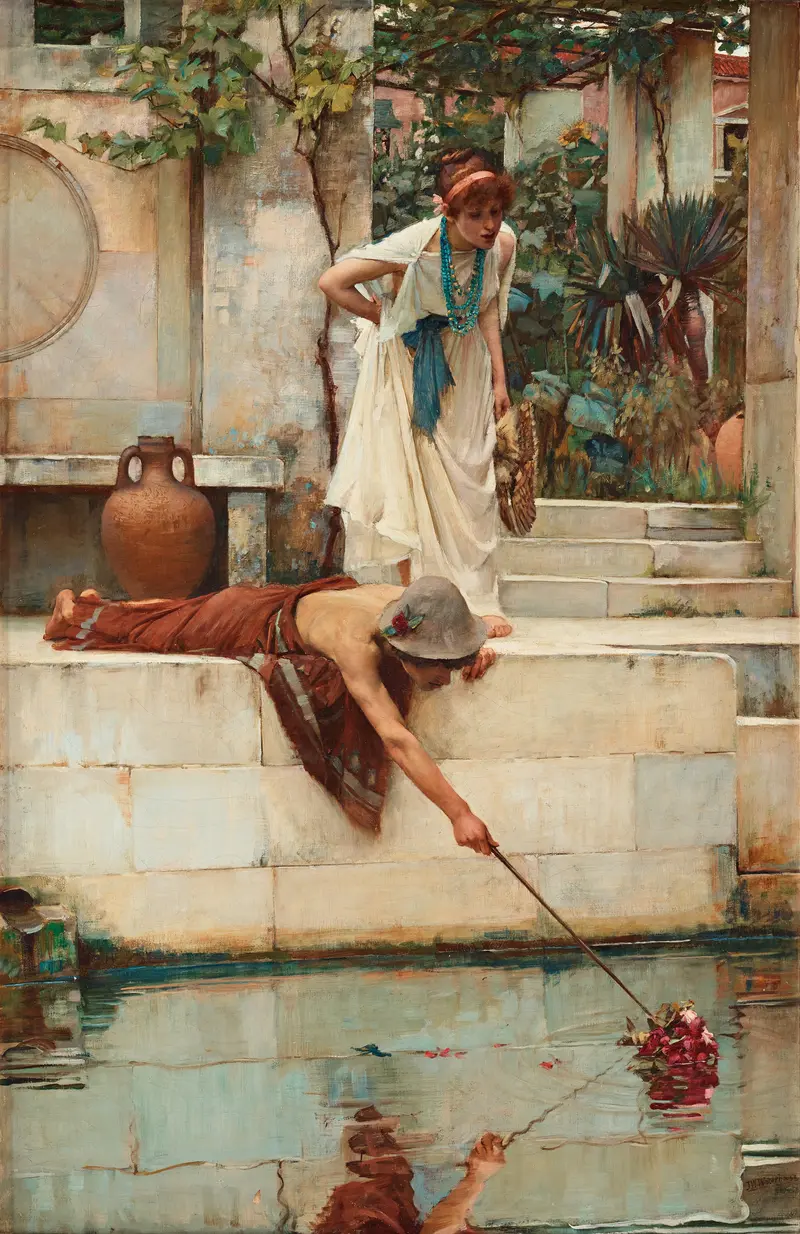
The Rescue
John William Waterhouse
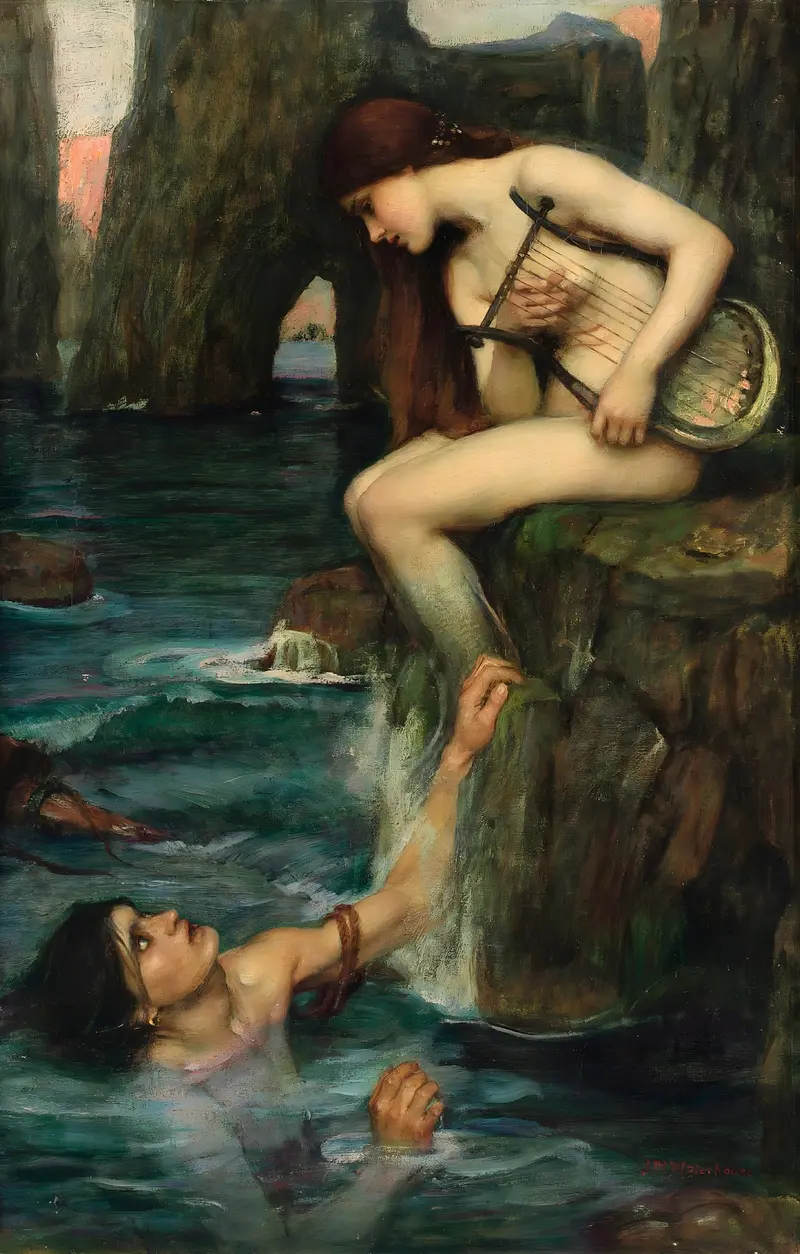
The Siren, 1900
John William Waterhouse
The Soul of the Rose
John William Waterhouse





