
The Lady of Shalott — History & Facts
A young woman with long red hair sits upright in a small boat drifting among reeds on a dark river at dusk. She wears a white gown, and her head is tilted back with her lips slightly open as if singing. A large embroidered tapestry in red, gold and pink hangs over the side of the boat.
Three candles stand near the prow, which is crowned with a gilded ornament, and autumn trees and a pale sky close the scene. She is the Lady of Shalott from Alfred Tennyson's poem, who wove a tapestry in a tower near Camelot and brought a curse on herself by looking directly at Sir Lancelot. Tate says that with her right hand she lets go of the chain that moors the boat, sings 'her last song' and stares at a crucifix lying in front of her. John William Waterhouse painted her in 1888. The three candles are often used to symbolize life, Tate notes, and with two of them blown out they suggest that her life will end soon as she floats down the river.
Sir Henry Tate presented the painting to the nation in 1894. It is in Tate Britain in London.
More Artworks by John William Waterhouse
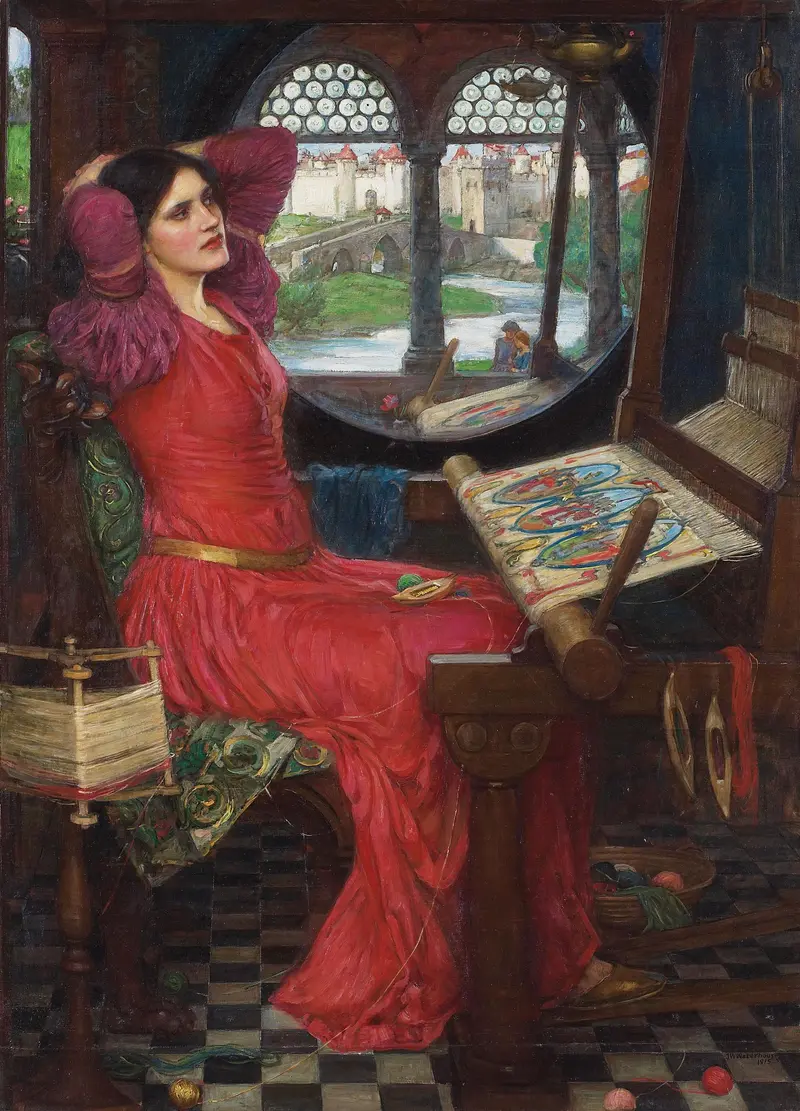
'I Am Half-Sick of Shadows,' Said the Lady of Shalott
John William Waterhouse

The Favourites of the Emperor Honorius, 1883
John William Waterhouse
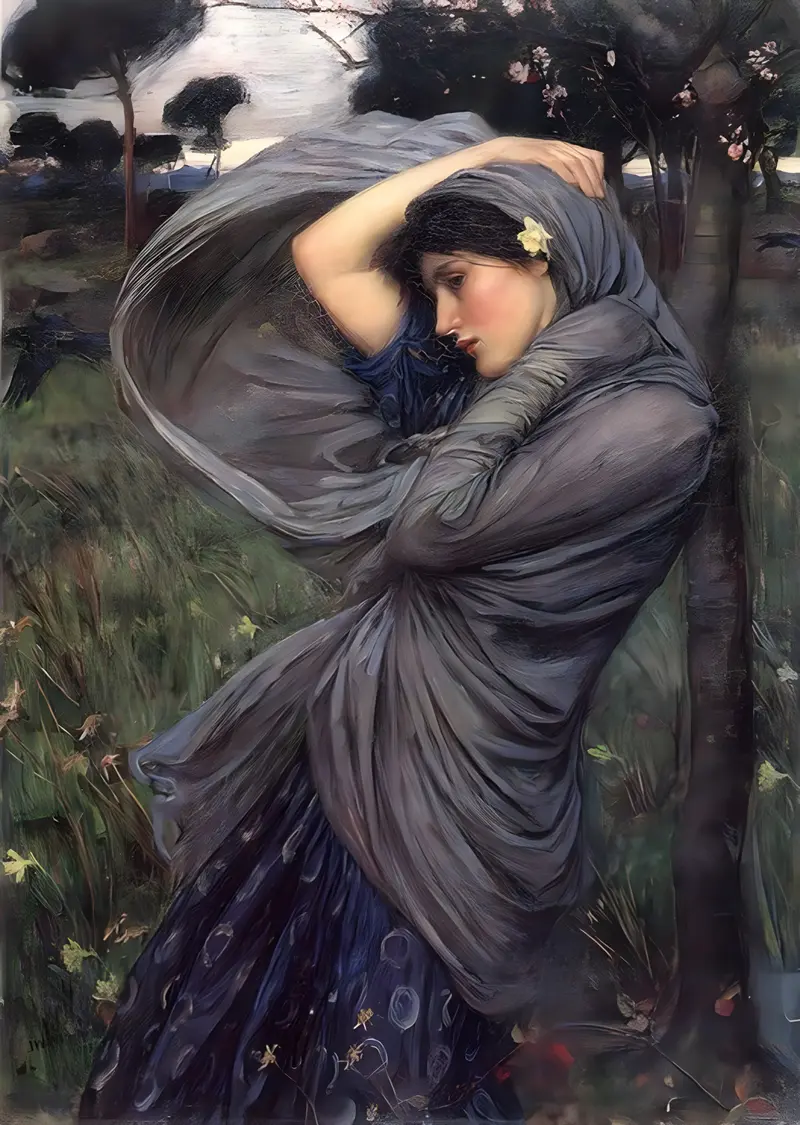
Boreas
John William Waterhouse
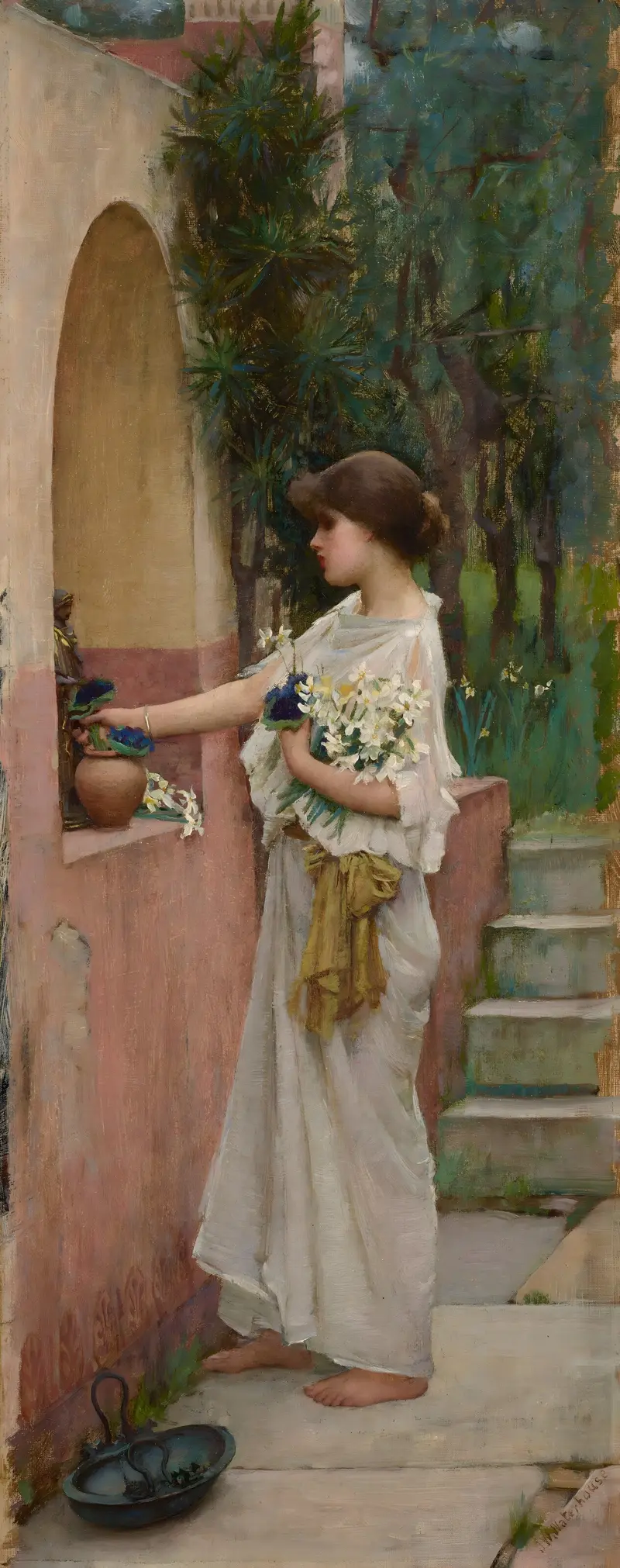
A Roman Offering
John William Waterhouse
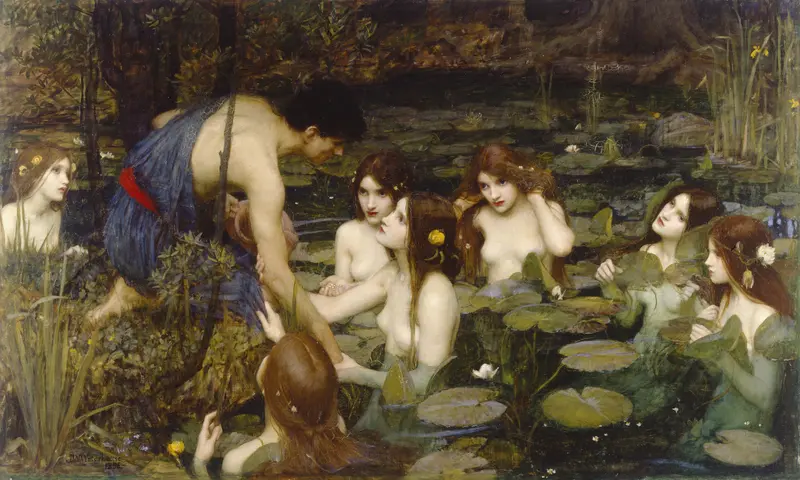
Hylas and the Nymphs
John William Waterhouse
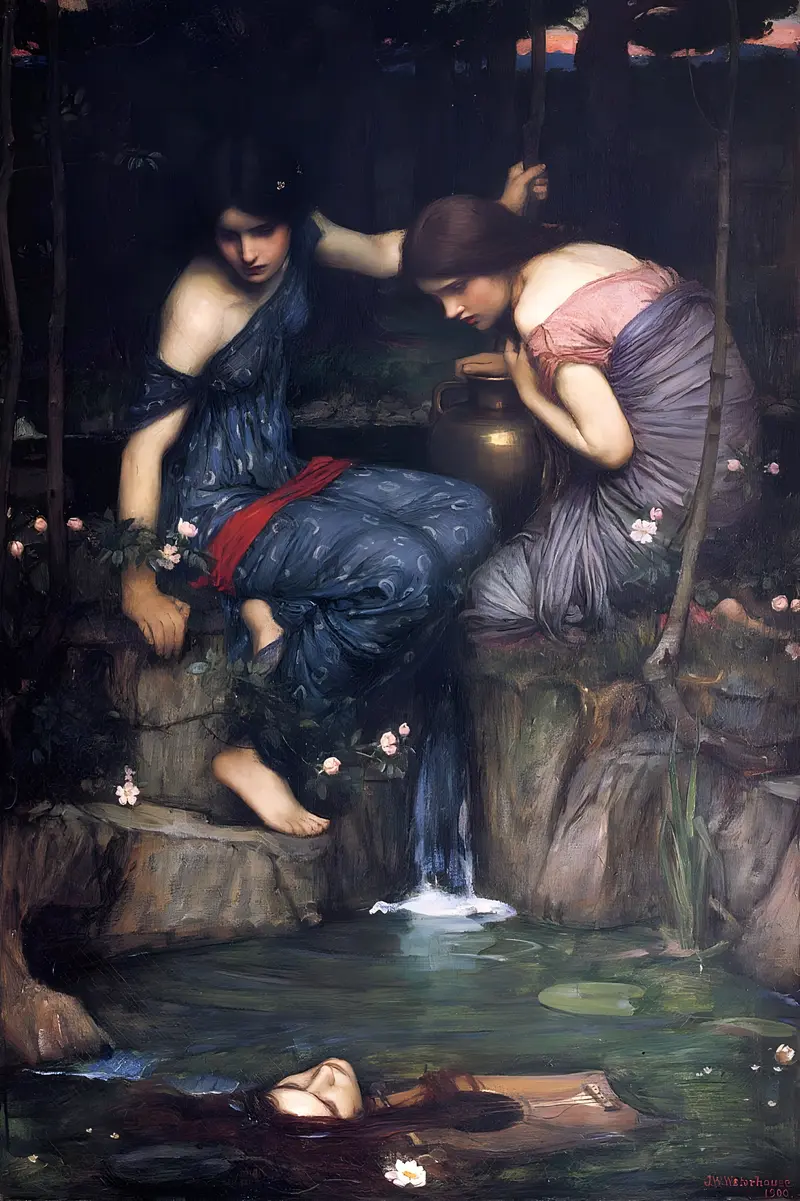
Nymphs Finding the Head of Orpheus
John William Waterhouse
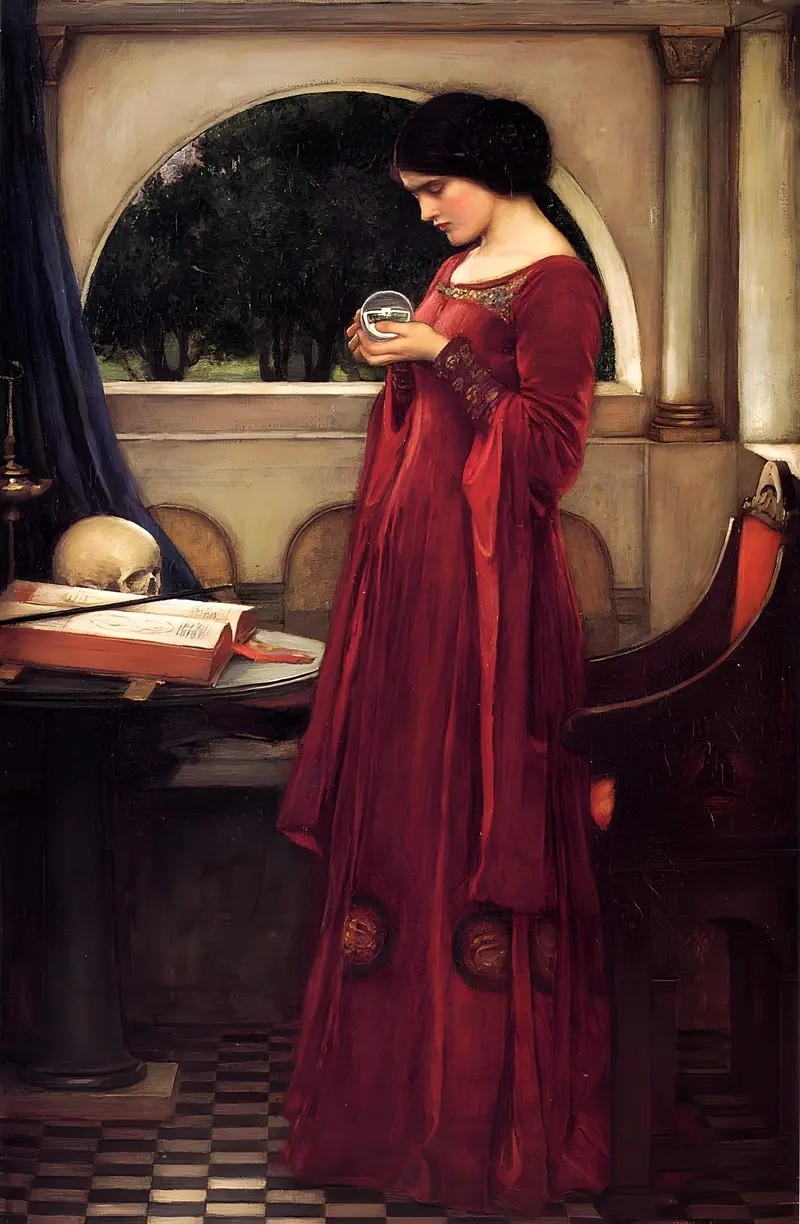
The Crystal Ball
John William Waterhouse
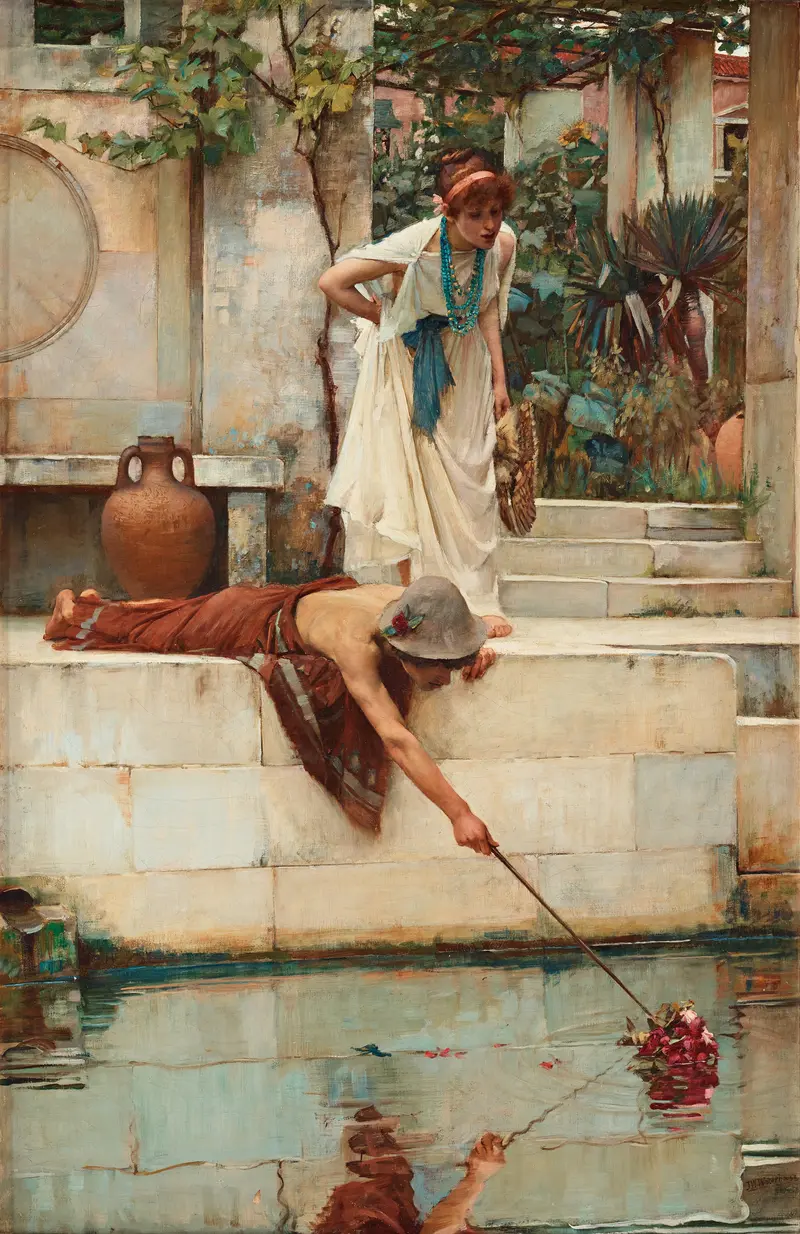
The Rescue
John William Waterhouse
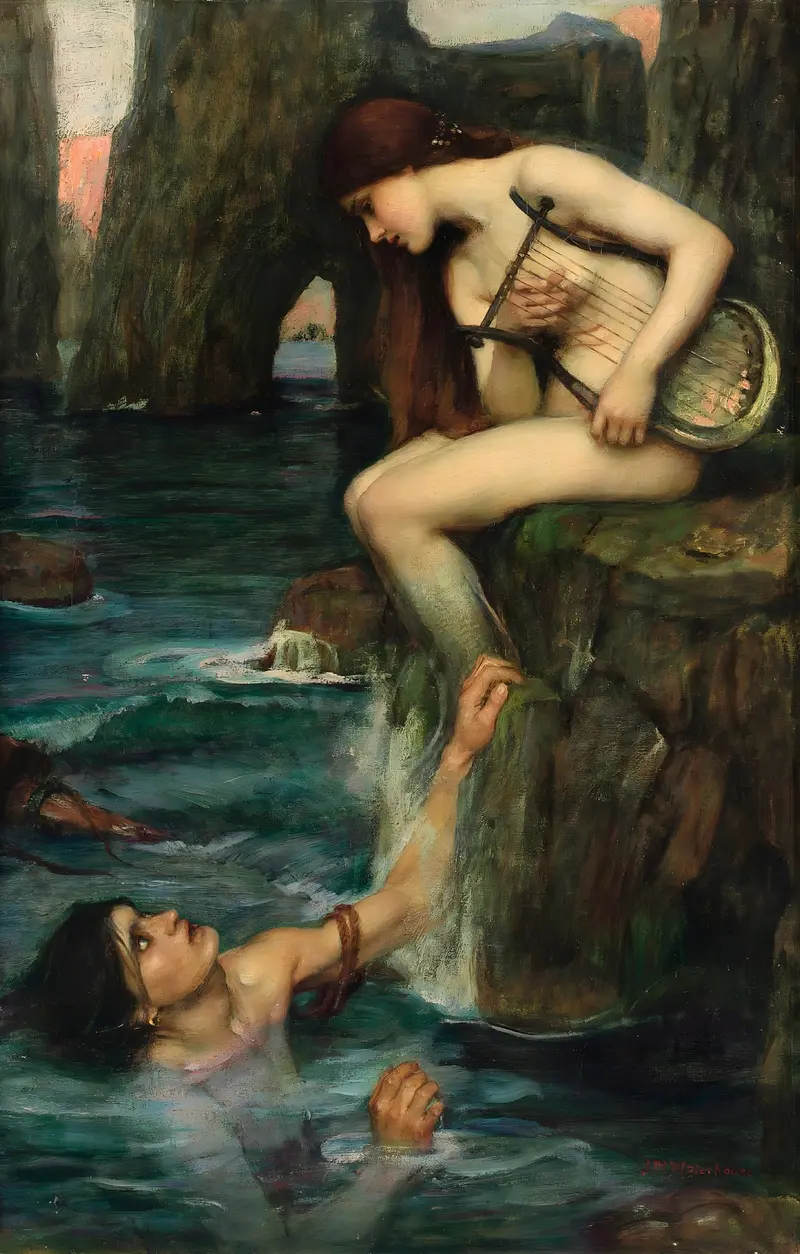
The Siren, 1900
John William Waterhouse
The Soul of the Rose
John William Waterhouse



