
A Roman Offering — History & Facts
A hush of ritual fills this quiet Roman courtyard: a young woman, absorbed in her task, extends a handful of violets toward a terracotta niche, her other arm cradling a bounty of white blossoms. The artist, John William Waterhouse, draws the viewer into the scene by letting the light skim across the gauzy folds of her dress, making them almost translucent, while the soft pinks and greens of the wall and garden create a gentle, contemplative mood. Every detail is chosen for its part in the silent drama: the bronze lamp at her feet, the careful arrangement of flowers, the upward steps leading into shadow.
The girl’s downcast eyes and absorbed expression suggest both devotion and solitude, as if the offering is as much a private meditation as a public rite. Painted circa 1891, A Roman Offering belongs to a late Victorian fascination with the ancient world—an era when artists and their patrons looked to Greece and Rome for scenes of beauty, piety, and everyday life, often filtered through a dreamy, nostalgic lens. Waterhouse was a leading figure in this movement, blending Pre-Raphaelite detail with classical themes; his works were prized for their ability to conjure lost worlds with a sense of immediacy. While little is recorded about the specific journey of this painting until its recent appearance at Christie’s in New York, its subject and style speak to a broader cultural longing for the imagined serenity and order of antiquity.
The longer you look, the more the painting invites you to step into its hush—an ancient moment, stilled and luminous, just beyond reach.
More Artworks by John William Waterhouse
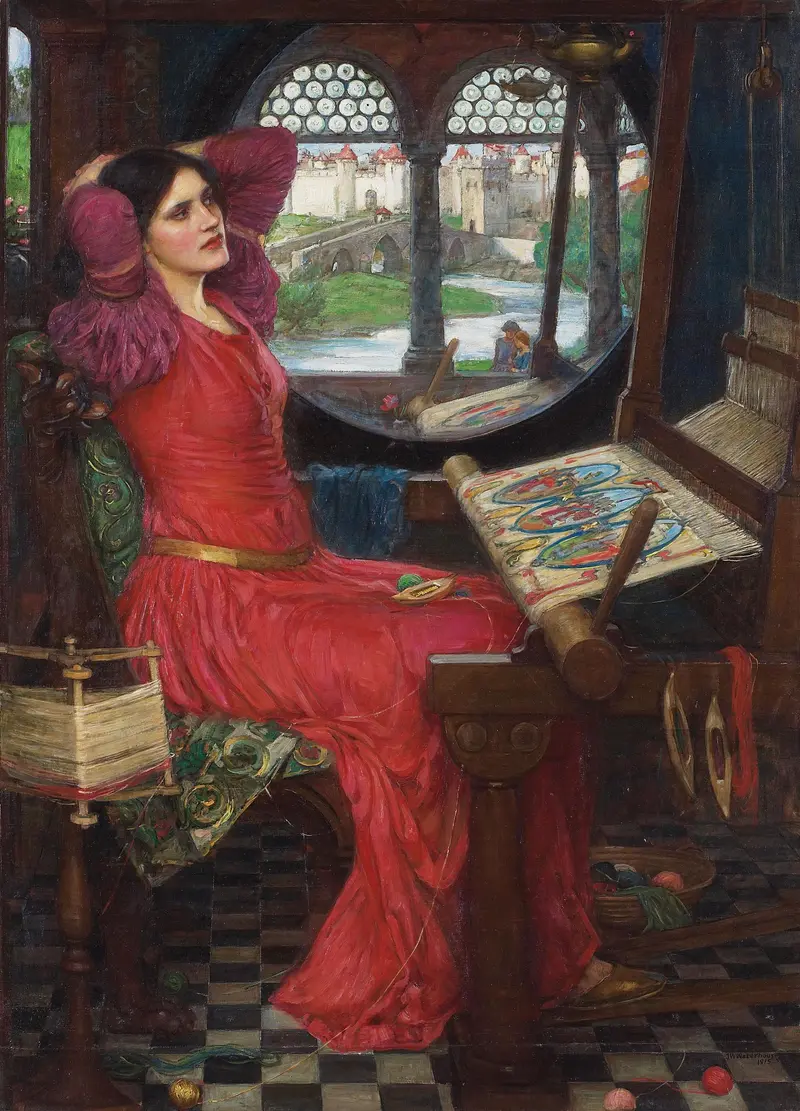
'I Am Half-Sick of Shadows,' Said the Lady of Shalott
John William Waterhouse

The Favourites of the Emperor Honorius, 1883
John William Waterhouse
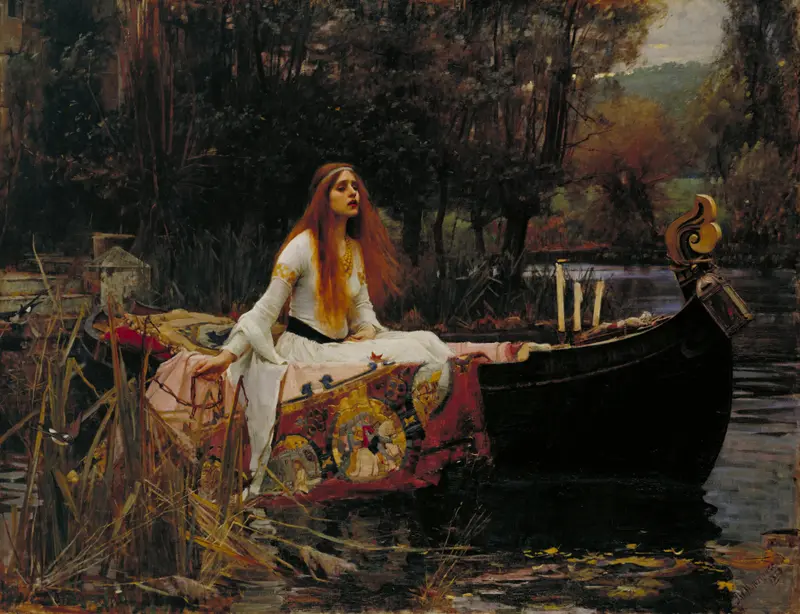
The Lady of Shalott
John William Waterhouse
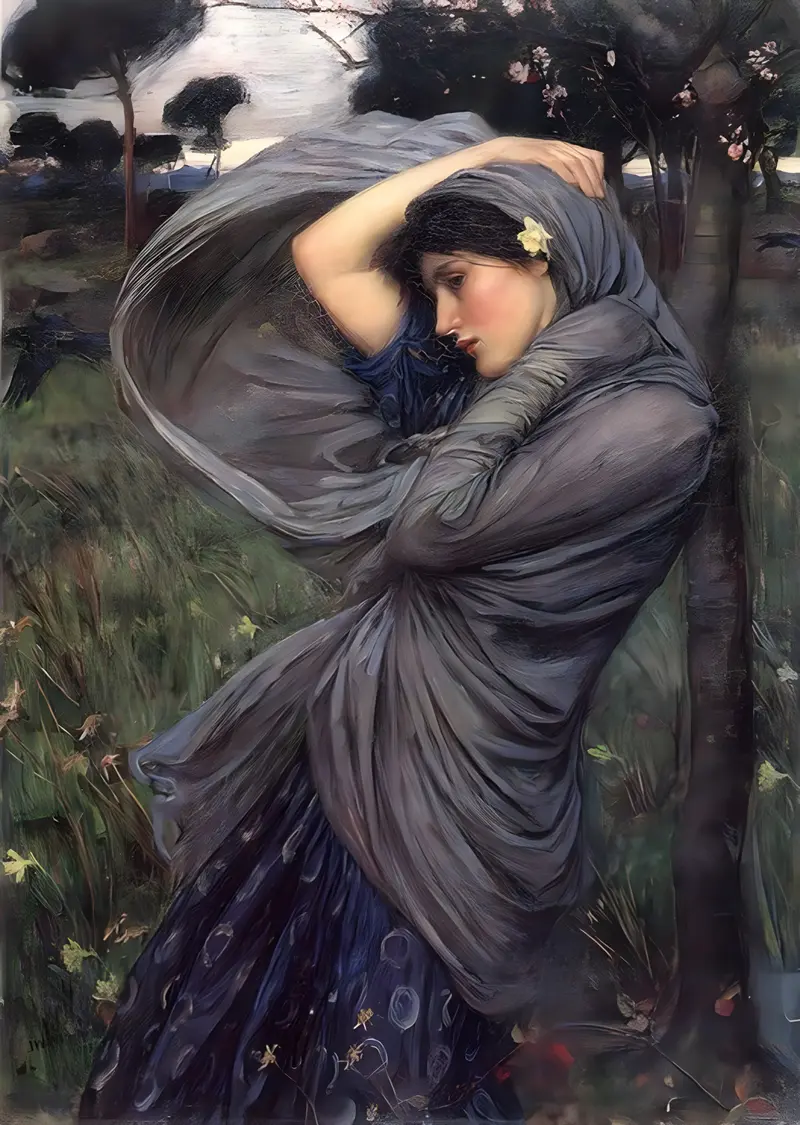
Boreas
John William Waterhouse
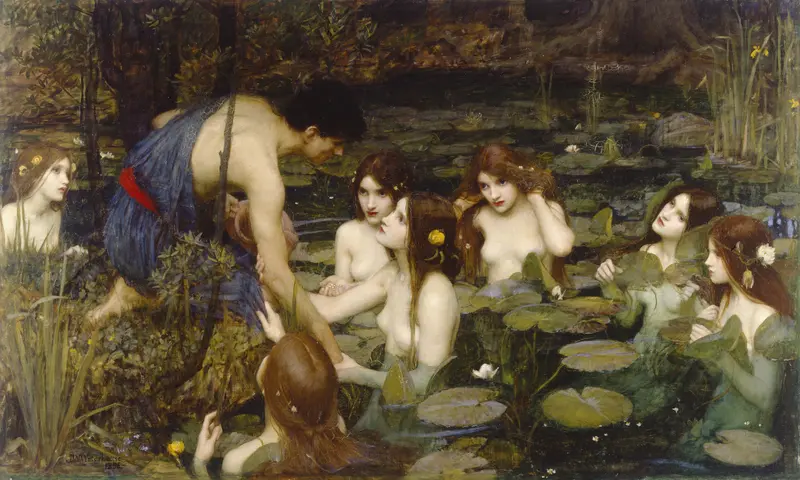
Hylas and the Nymphs
John William Waterhouse
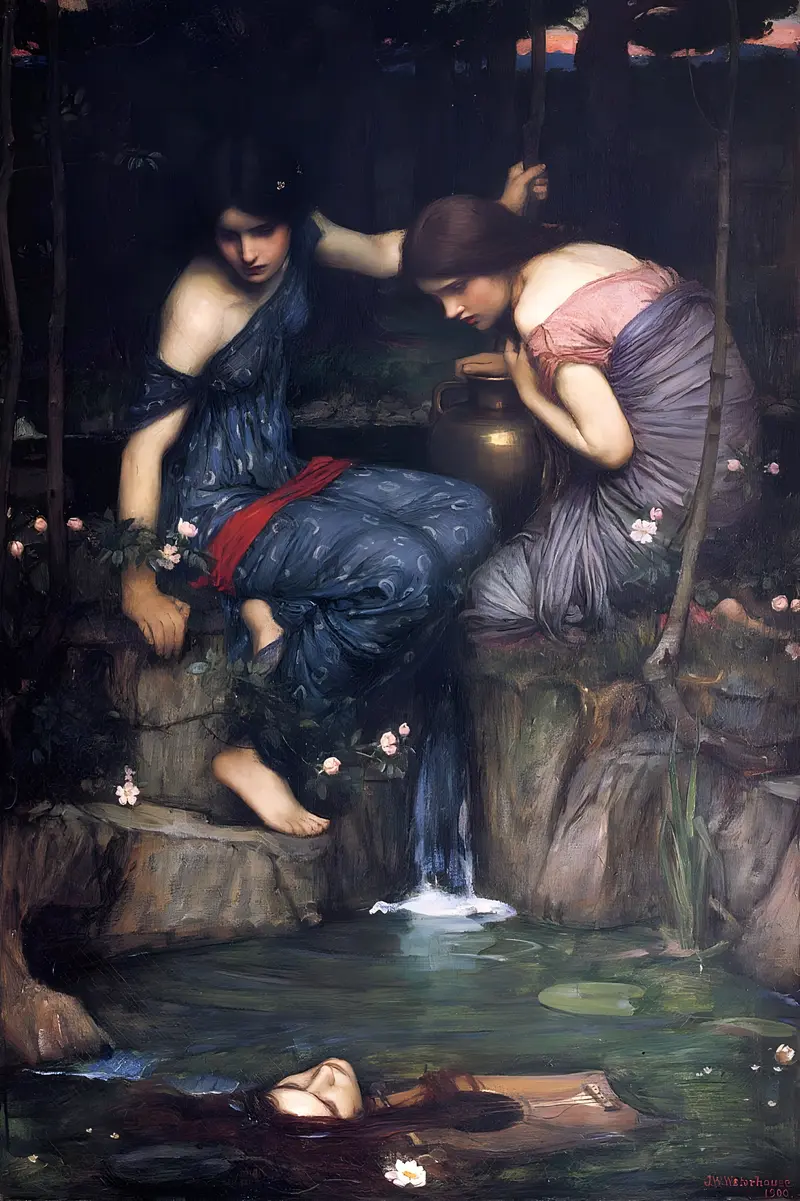
Nymphs Finding the Head of Orpheus
John William Waterhouse
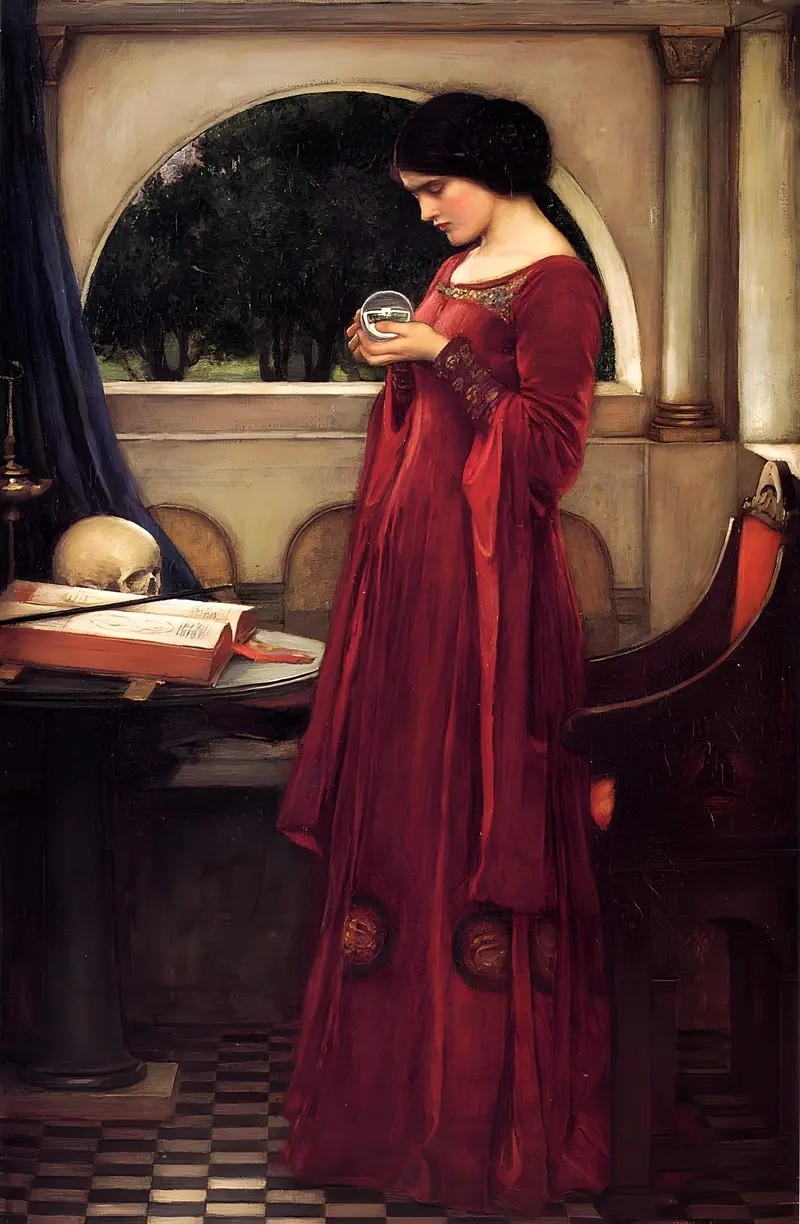
The Crystal Ball
John William Waterhouse
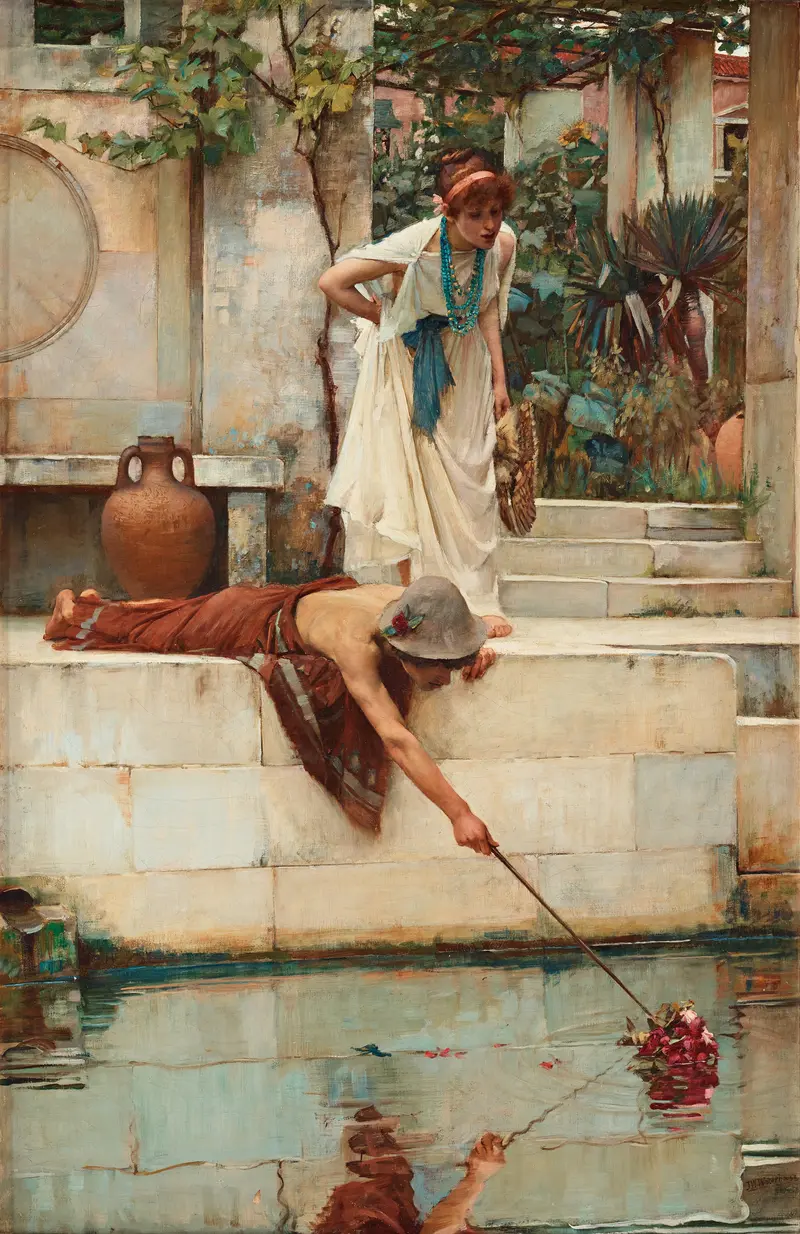
The Rescue
John William Waterhouse
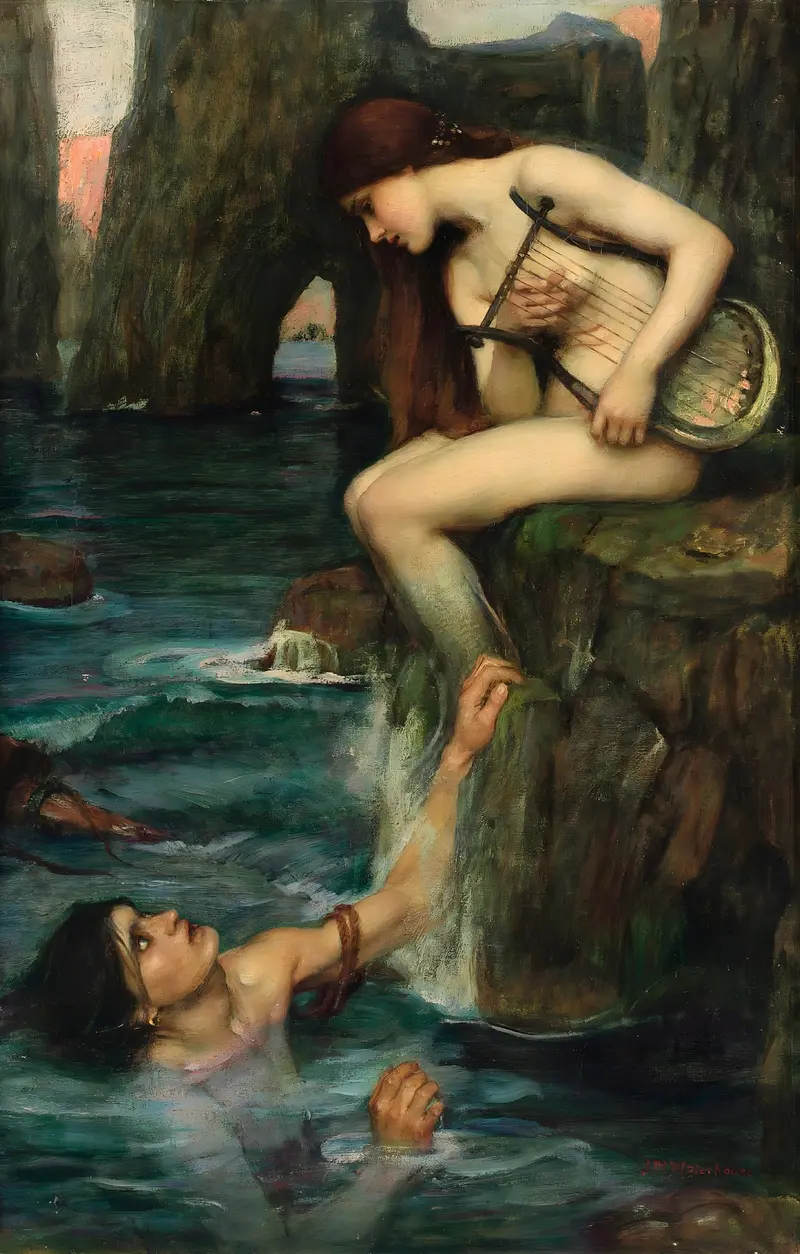
The Siren, 1900
John William Waterhouse
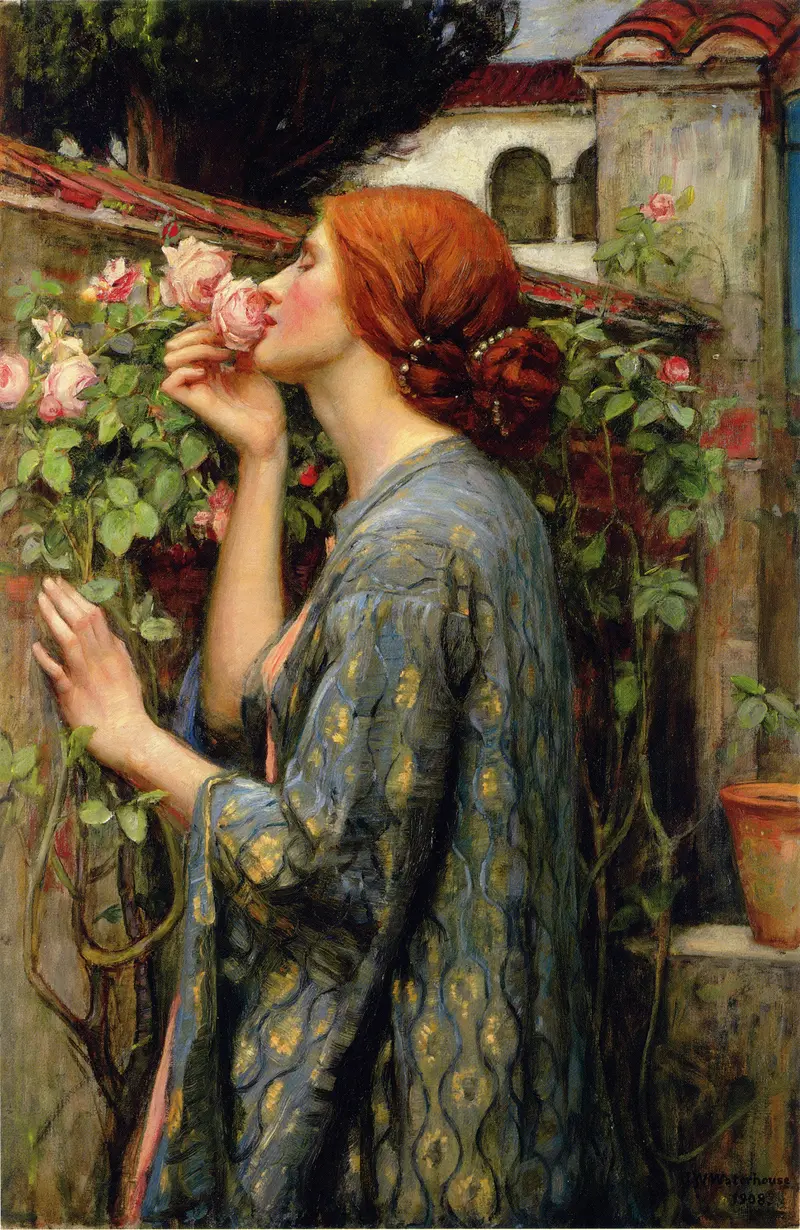
The Soul of the Rose
John William Waterhouse
More Genre Scene Art

Banquet of the Officers of the St George Civic Guard
Frans Hals

Rembrandt and Saskia in the Scene of the Prodigal Son
Rembrandt van Rijn

Bal du moulin de la Galette
Pierre-Auguste Renoir

Quadrille at the Moulin Rouge
Henri de Toulouse-Lautrec

A Burial at Ornans
Gustave Courbet

When Will You Marry?
Paul Gauguin