
The Siren, 1900 — History & Facts
What draws the eye first is not the mythic creature herself, but the charged space between her hand and the drowning figure below—a moment suspended between rescue and doom. The siren, perched on a slick rock, cradles her lyre with a languid grace, her gaze cast downward in a mixture of curiosity and command. The water churns around the desperate swimmer, whose outstretched arm strains toward the siren’s knee, fingers clutching at the last hope or perhaps the final temptation.
Light glances off the siren’s pale skin, making her almost luminous against the dark, enclosing cliffs, while the palette of deep greens and bruised blues wraps the scene in a sense of danger and longing. The painting’s drama is not in any obvious violence, but in the tension of touch—one figure poised, the other pleading, both caught in the undertow of myth. Painted in 1900, The Siren belongs to that twilight moment at the turn of the century when European artists, especially in Britain, mined ancient legend for new emotional depths. Works like this—rich in narrative, lush in color—were prized by collectors eager for scenes that blended classical learning with the allure of the unknown.
John William Waterhouse was a leading figure in this movement, his art shaped by the Pre-Raphaelite fascination with myth and the female form. While little is recorded about this specific painting’s early journey, its appearance in a Sotheby’s sale hints at a life spent in private hands, cherished as both story and spectacle. The world that made such pictures was changing fast, but the siren’s song, and the painter’s, still pulls us back to the edge of the rocks.
More Artworks by John William Waterhouse
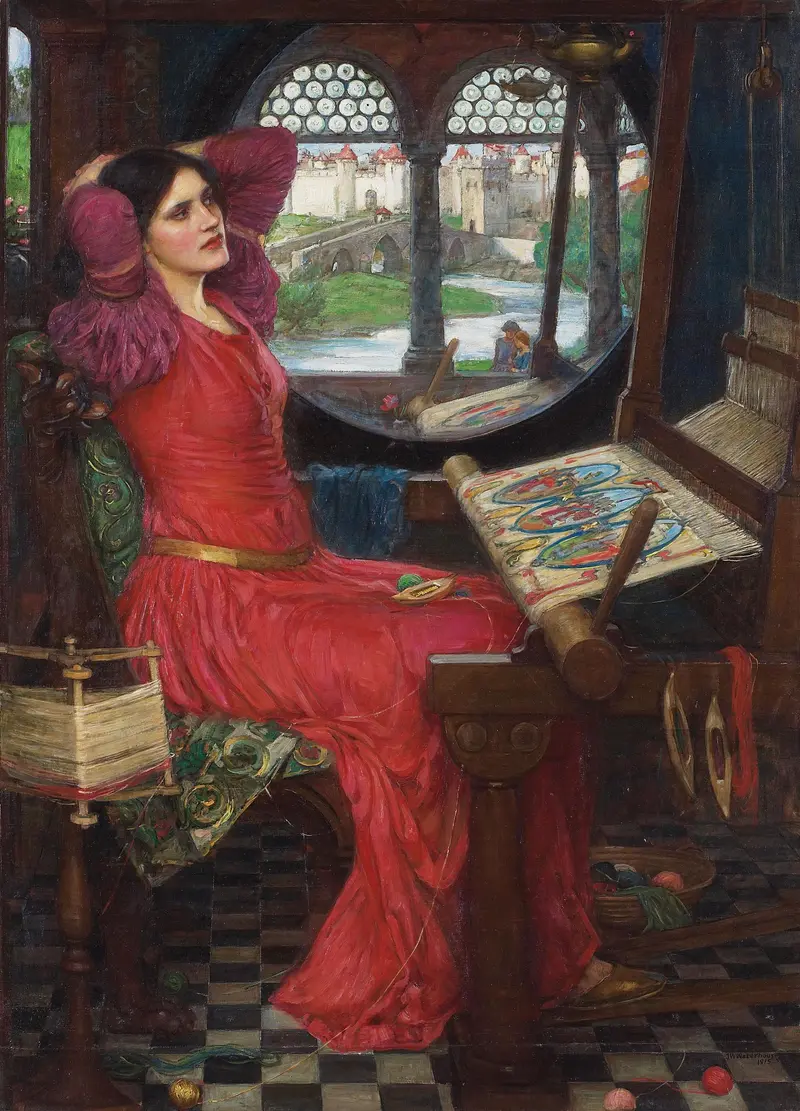
'I Am Half-Sick of Shadows,' Said the Lady of Shalott
John William Waterhouse

The Favourites of the Emperor Honorius, 1883
John William Waterhouse

The Lady of Shalott
John William Waterhouse
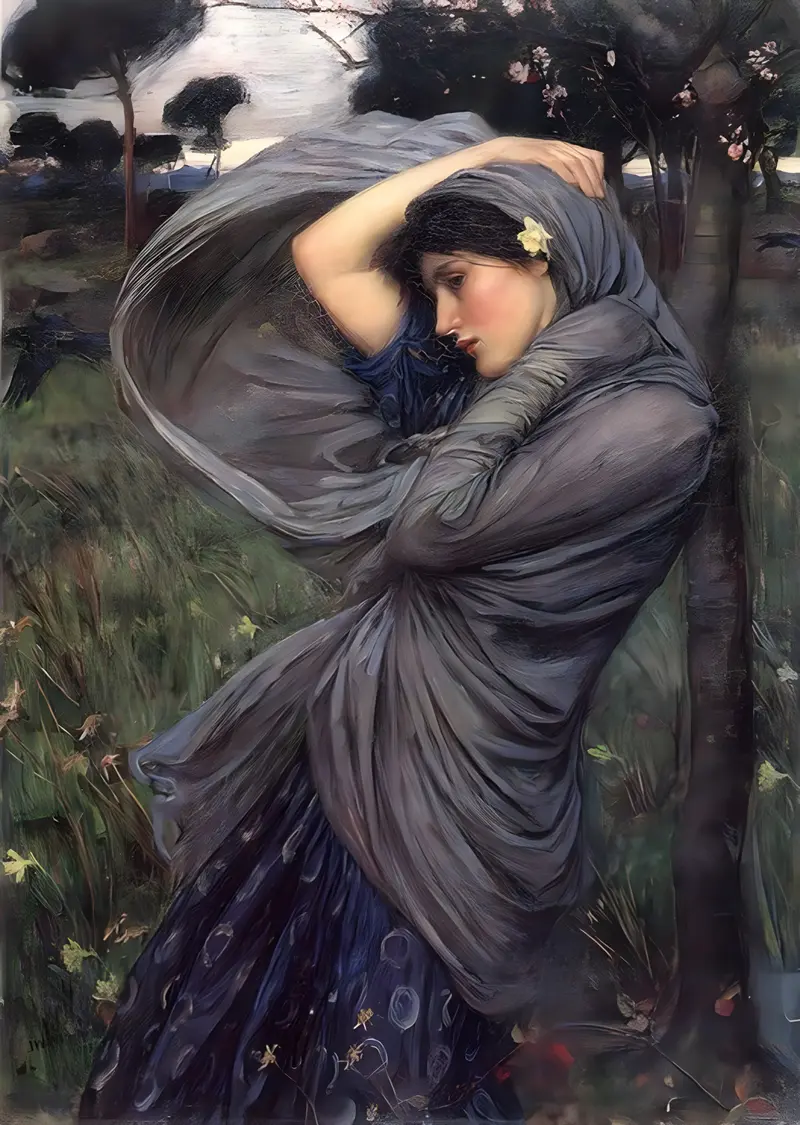
Boreas
John William Waterhouse
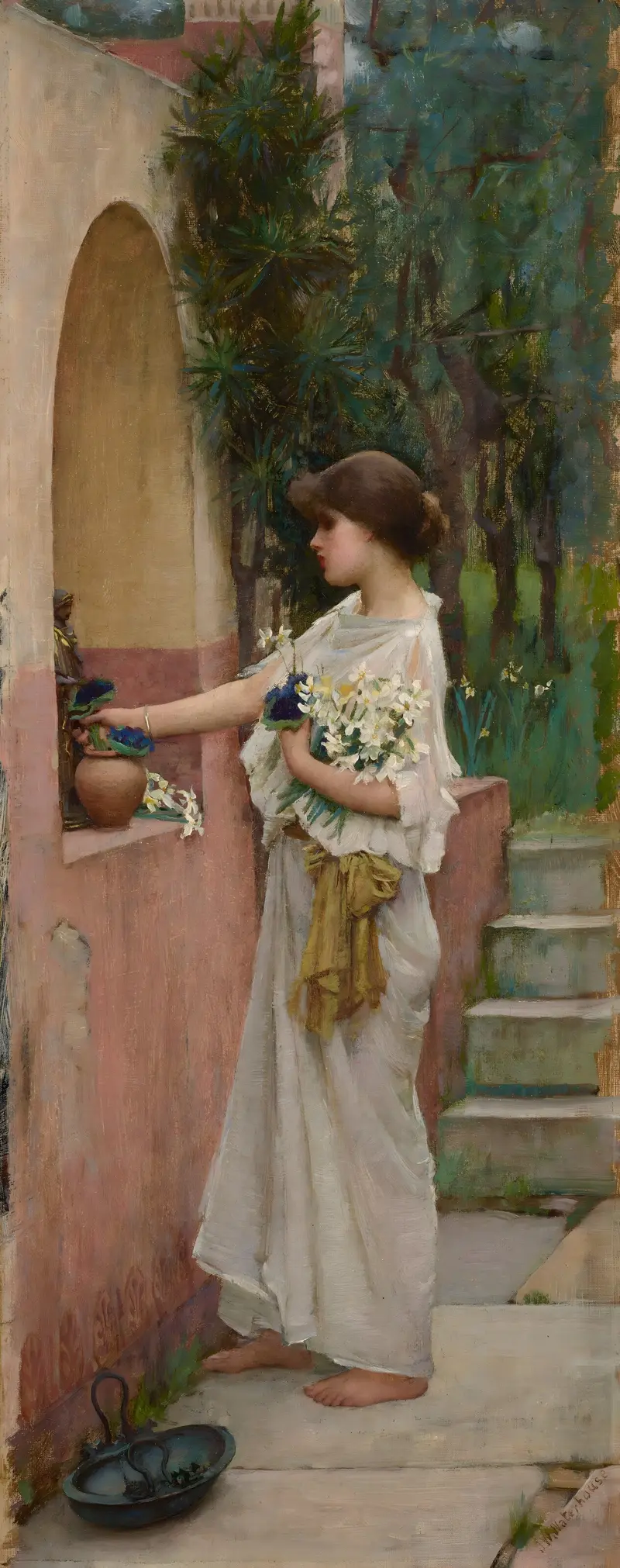
A Roman Offering
John William Waterhouse
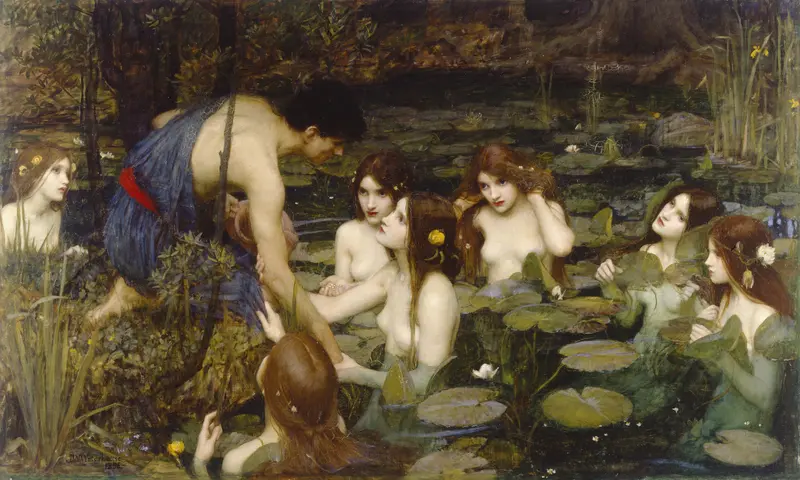
Hylas and the Nymphs
John William Waterhouse
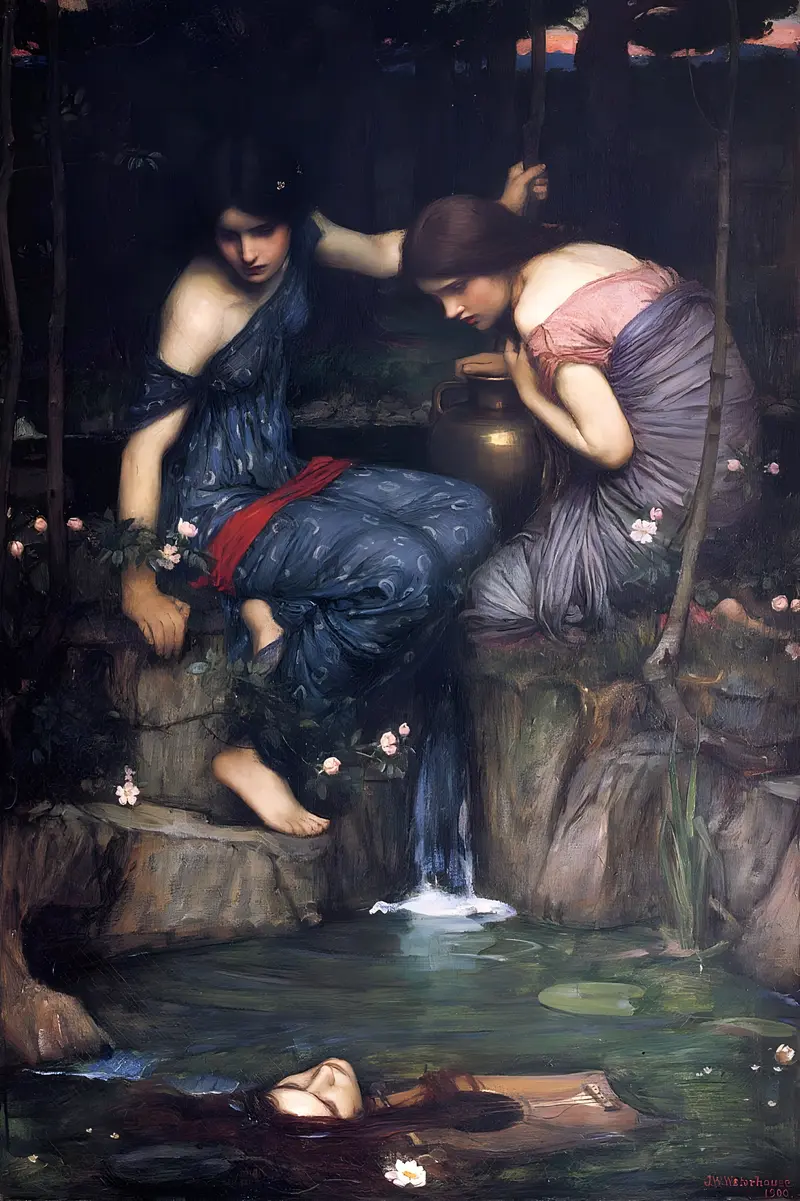
Nymphs Finding the Head of Orpheus
John William Waterhouse

The Crystal Ball
John William Waterhouse
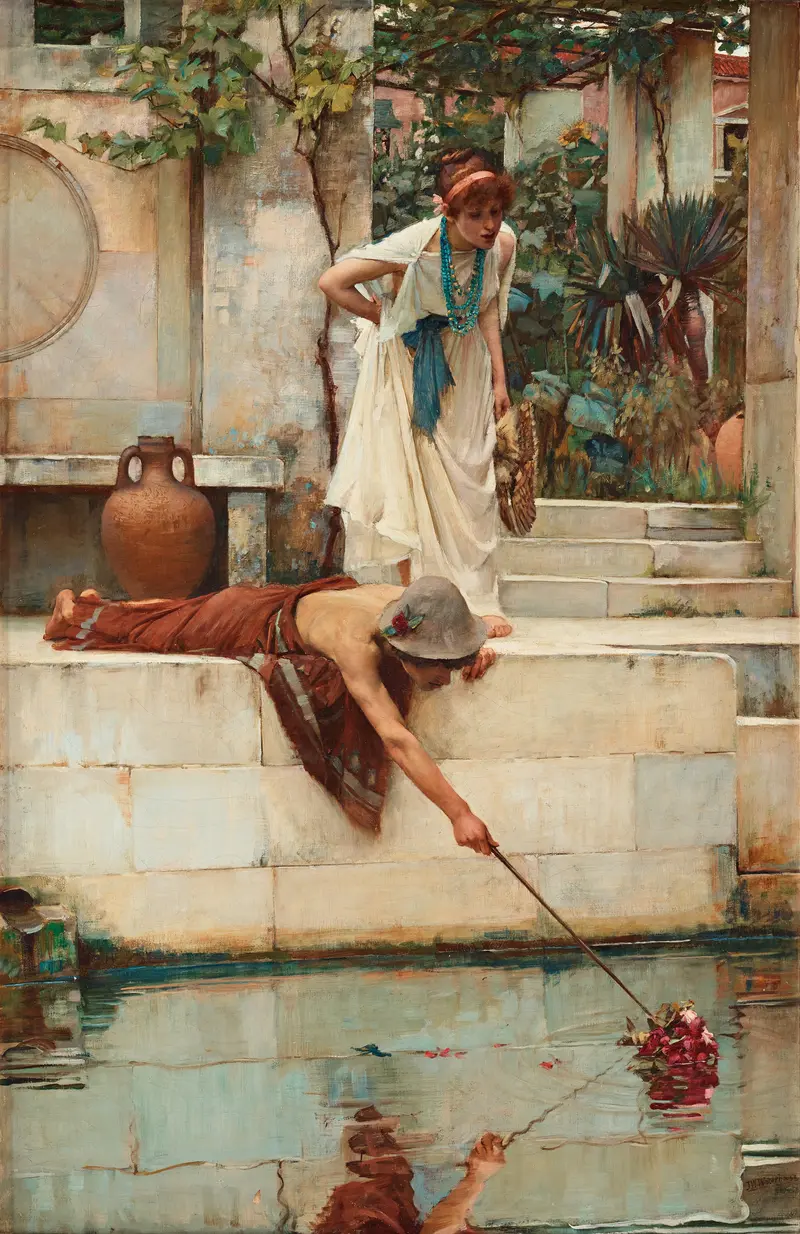
The Rescue
John William Waterhouse
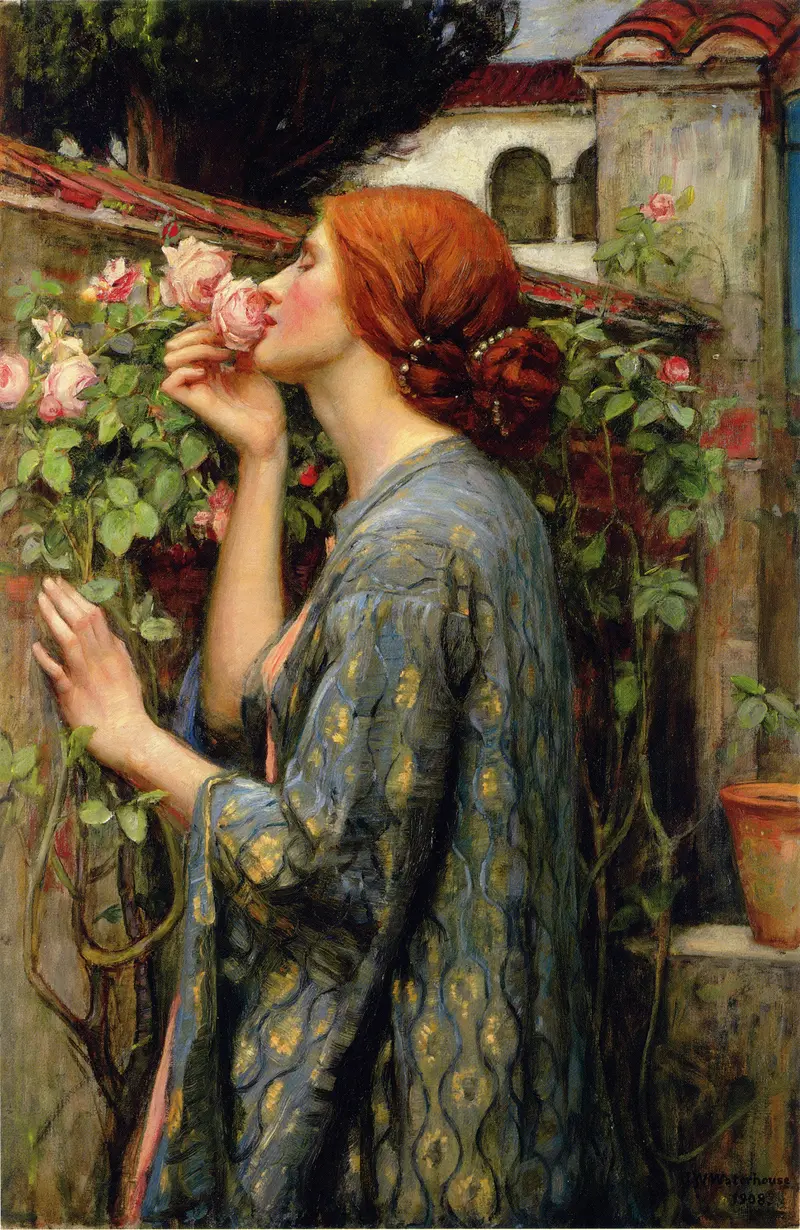
The Soul of the Rose
John William Waterhouse





