
'I Am Half-Sick of Shadows,' Said the Lady of Shalott — History & Facts
A woman in vivid red leans back from her loom, her arms raised, her gaze distant and restless. The world outside her window glows with sunlight and movement—a river, a bridge, and distant figures—while inside, the patterned floor and heavy furniture press in with a sense of enclosure. The threads spilling from her lap and the half-finished tapestry on the loom speak to hours of patient labor, yet her posture and expression tell a different story: longing, fatigue, and the ache of confinement.
The round window frames the outside world like a vision just out of reach, its brightness a stark contrast to the shadowed interior. Every detail—the vibrant embroidery, the scattered balls of yarn, the heavy green chair—serves to heighten the tension between duty and desire, between the world she inhabits and the one she yearns for. Painted in 1915, 'I Am Half-Sick of Shadows,' Said the Lady of Shalott belongs to a long tradition of late nineteenth- and early twentieth-century art that drew inspiration from Arthurian legend and English poetry, especially the works of Tennyson. In this era, artists and patrons alike were captivated by tales of tragic heroines and the interplay of fate and free will.
The Pre-Raphaelite movement, with its love of rich color, medievalism, and psychological drama, set the stage for works like this, where the inner life of the subject is as important as the narrative itself. Though the specific history of this painting is little recorded, its date and style place it firmly in the twilight of the Edwardian age, when the old certainties of art and society were beginning to unravel. The Lady’s silent rebellion invites us to linger, to wonder what she sees—and what she dreams—beyond the window’s glass.
More Artworks by John William Waterhouse

The Favourites of the Emperor Honorius, 1883
John William Waterhouse
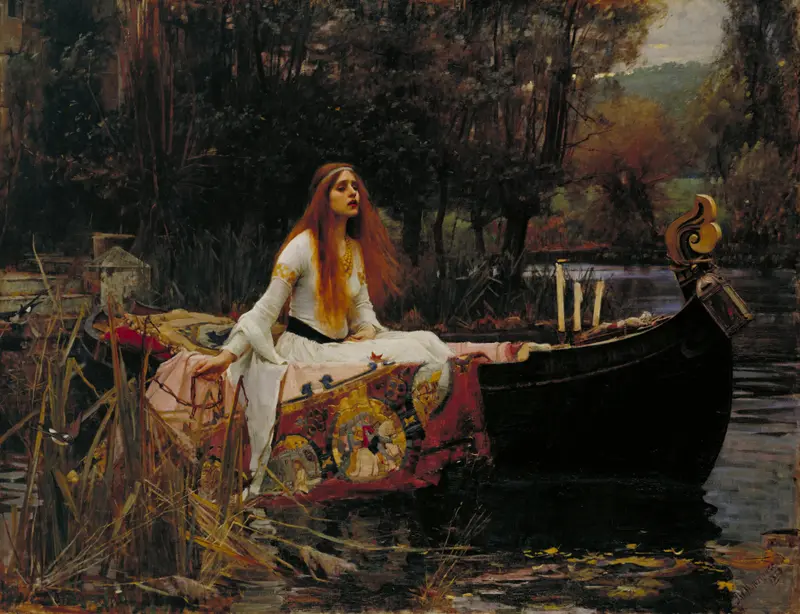
The Lady of Shalott
John William Waterhouse
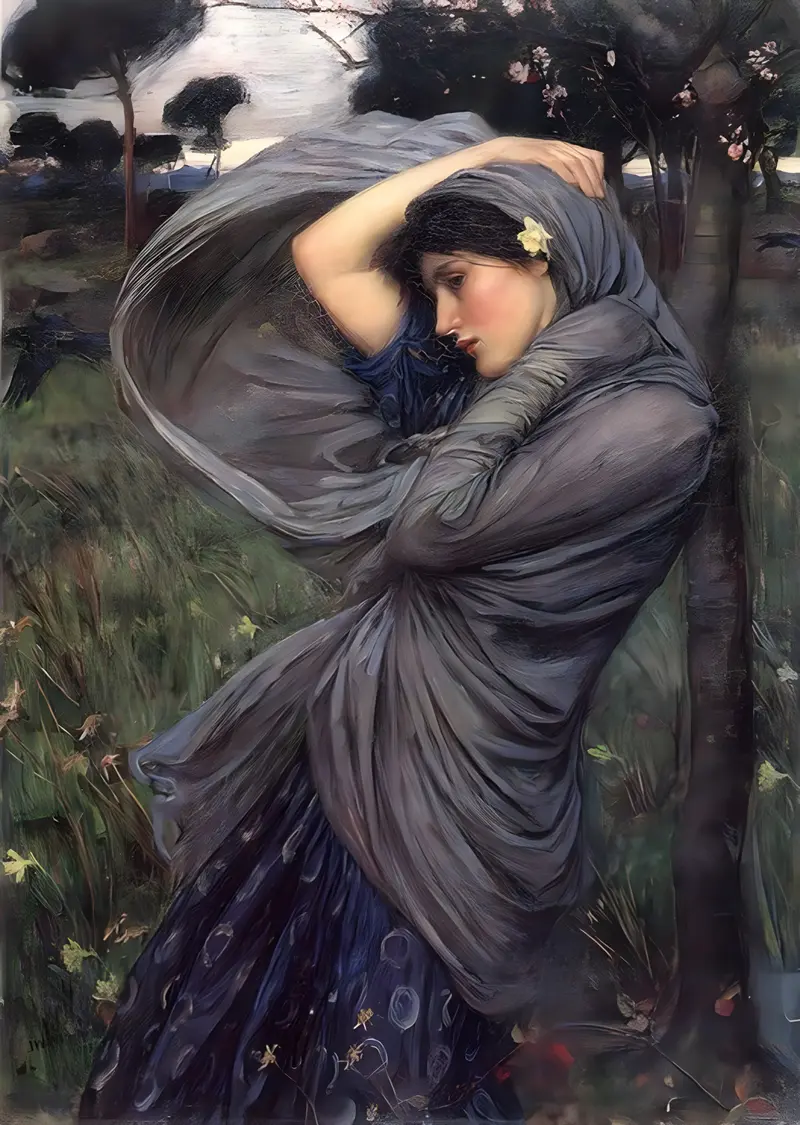
Boreas
John William Waterhouse
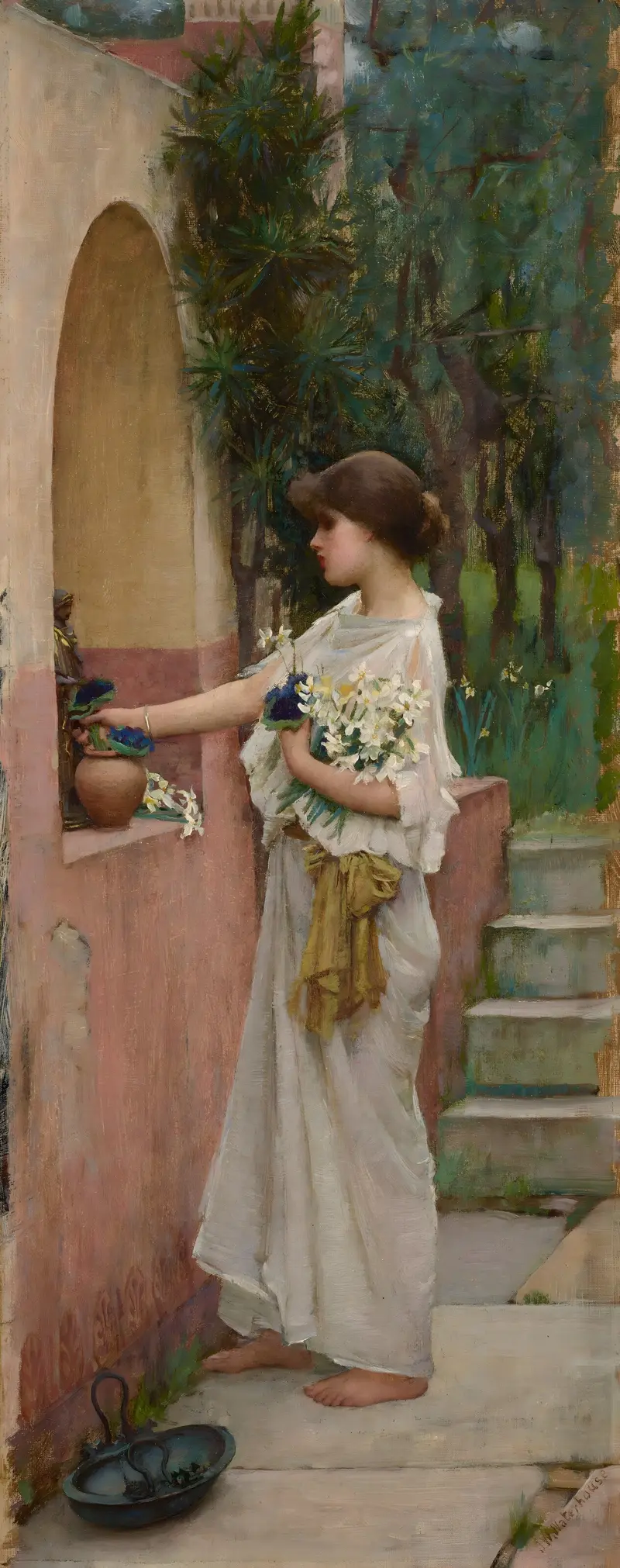
A Roman Offering
John William Waterhouse
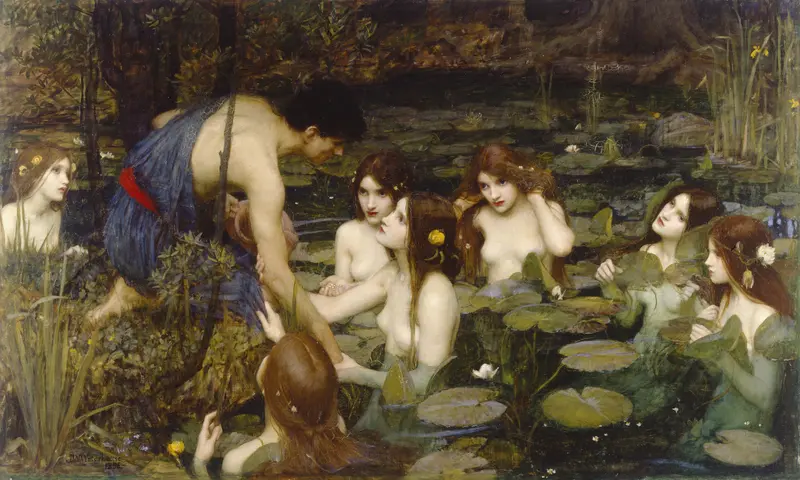
Hylas and the Nymphs
John William Waterhouse
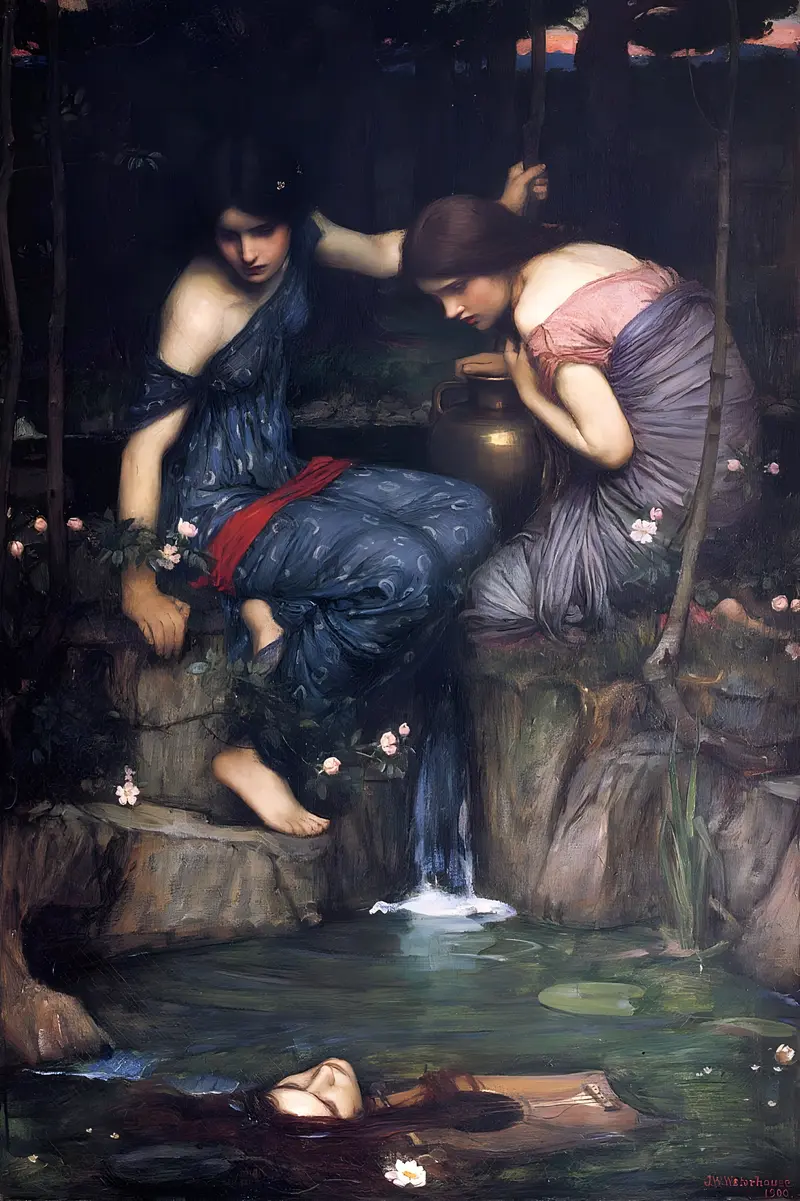
Nymphs Finding the Head of Orpheus
John William Waterhouse
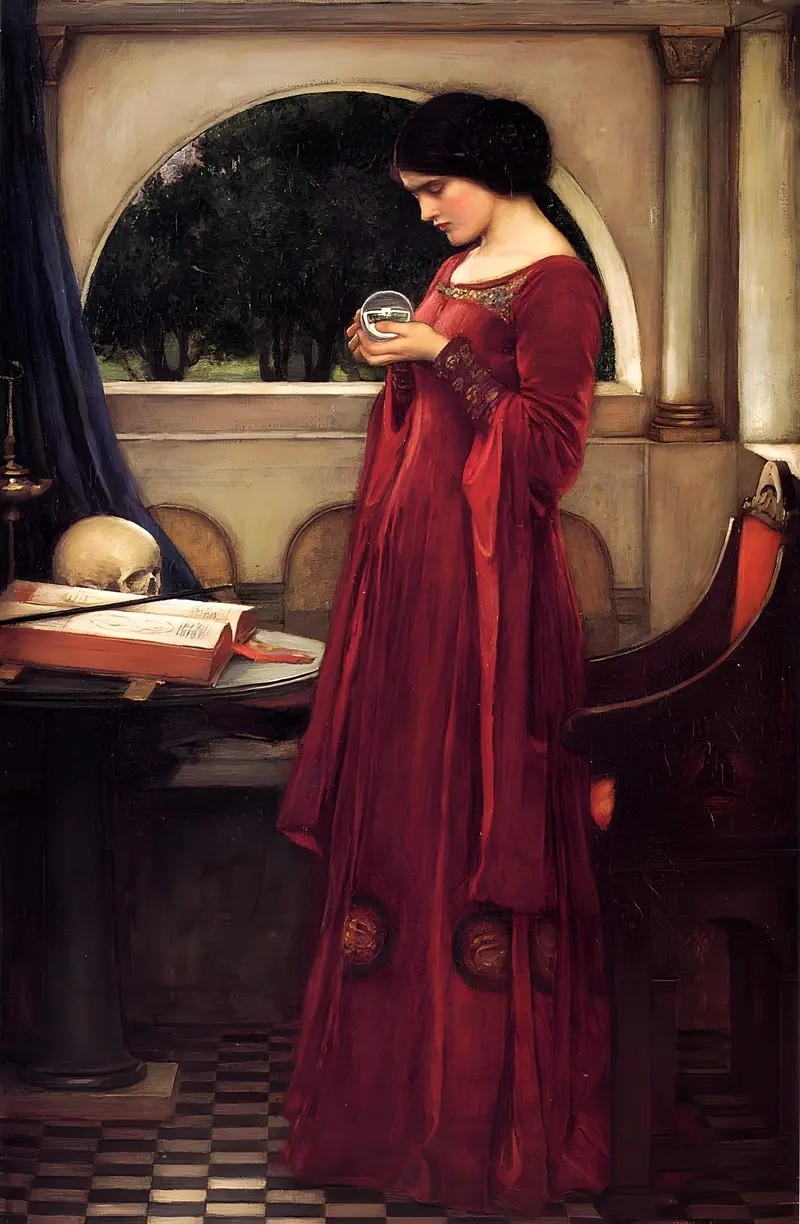
The Crystal Ball
John William Waterhouse
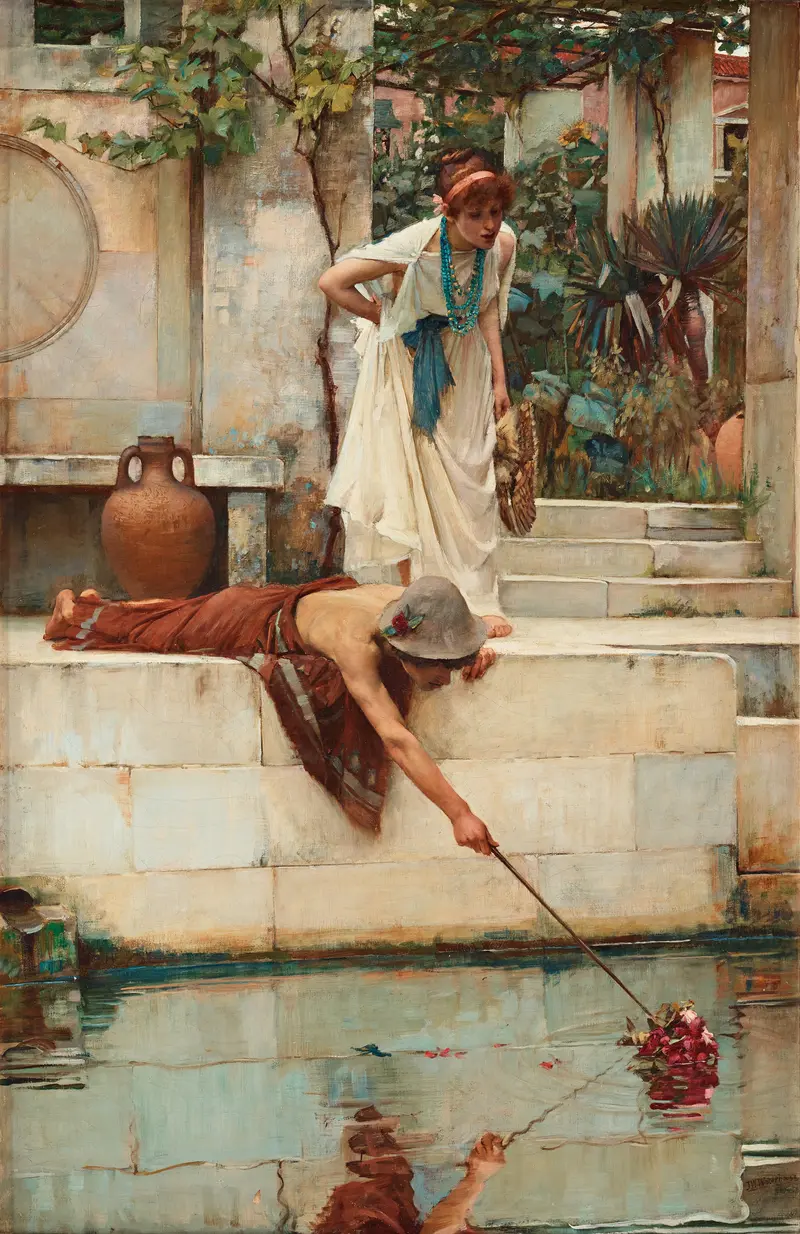
The Rescue
John William Waterhouse
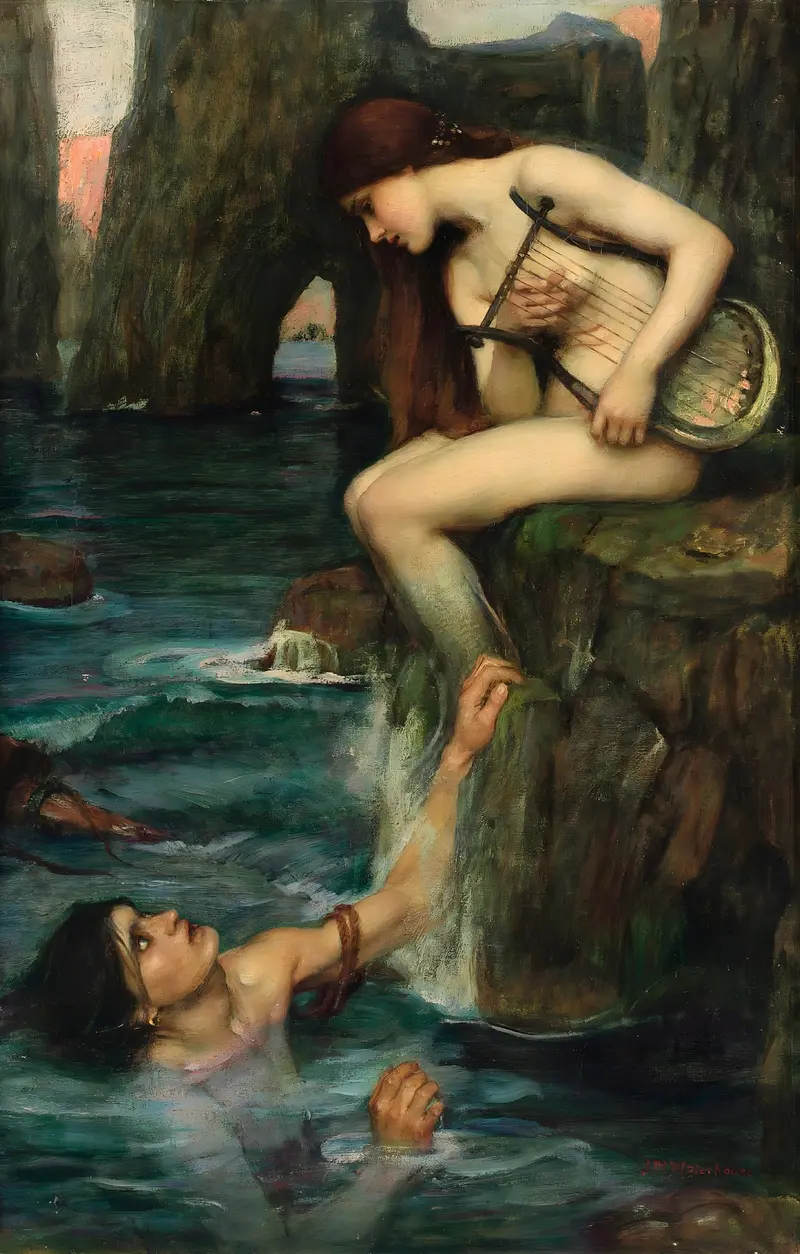
The Siren, 1900
John William Waterhouse
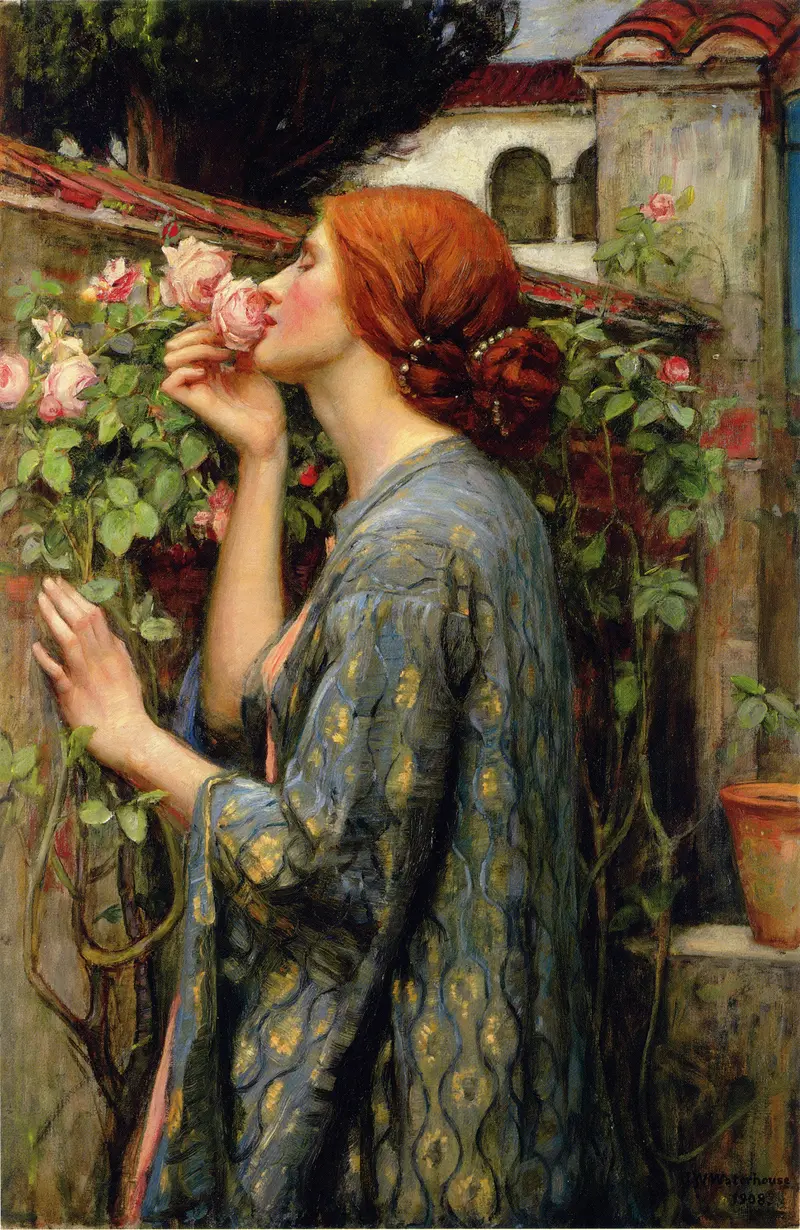
The Soul of the Rose
John William Waterhouse



