
Boreas — History & Facts
A gust of wind seems to sweep through the canvas, catching not just the fabric but the viewer’s attention. The woman’s figure is wrapped in a translucent shawl that billows around her, creating a sense of motion that is almost audible. Her arms are lifted in a gesture of both defense and surrender, as if she is bracing herself against the invisible force that shapes her posture and presses her close to the tree.
The cool palette of violets and greys sets a mood of quiet tension, while the single yellow blossom tucked behind her ear offers a fleeting note of warmth. The landscape behind her, dotted with dark trees and wild grasses, stays just out of focus, letting the drama of wind and fabric take center stage. Painted in 1903 by John William Waterhouse, this work belongs to a moment when British artists were captivated by myth, poetry, and the expressive power of nature. The title, Boreas, hints at the ancient Greek god of the north wind, a fitting allusion for an era that loved to weave classical references into scenes of contemporary feeling.
Such paintings were often created for private collectors, eager to surround themselves with images that promised both beauty and a touch of mystery. While history has kept few traces of this painting’s early journey, it survives as part of the documented collection The Art and Life of John William Waterhouse, inviting us to linger over the restless air and the woman’s quiet resistance.
More Artworks by John William Waterhouse
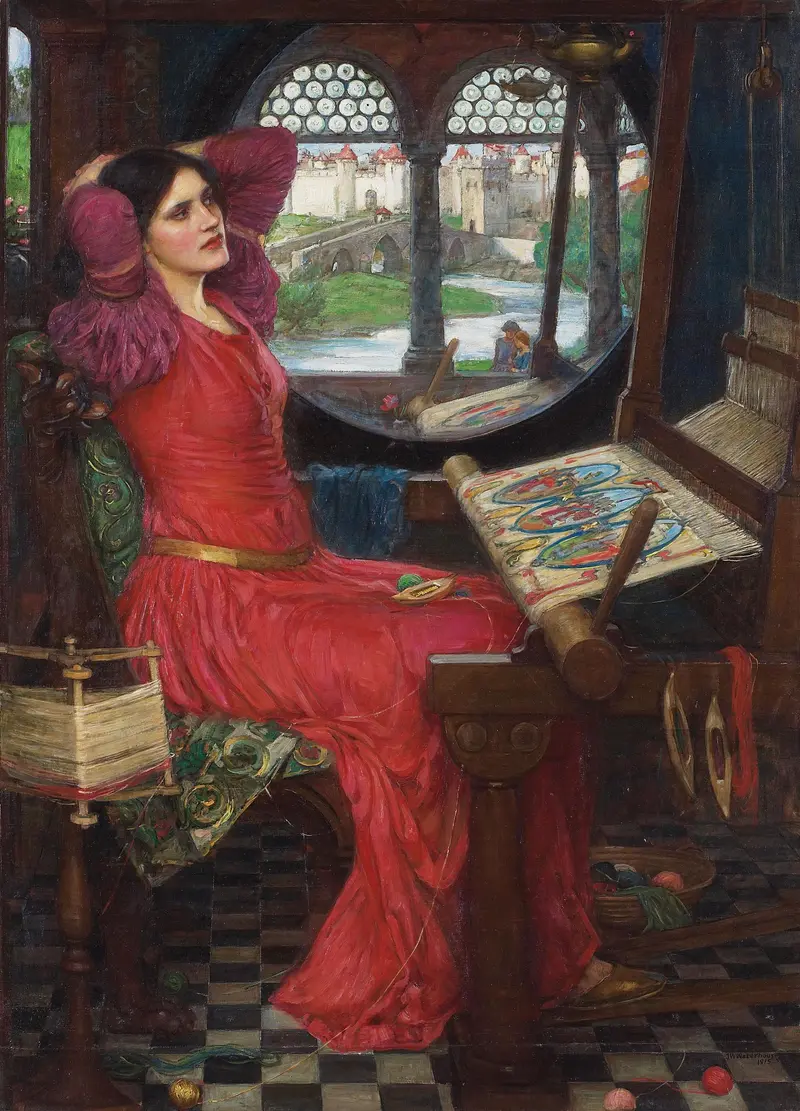
'I Am Half-Sick of Shadows,' Said the Lady of Shalott
John William Waterhouse

The Favourites of the Emperor Honorius, 1883
John William Waterhouse
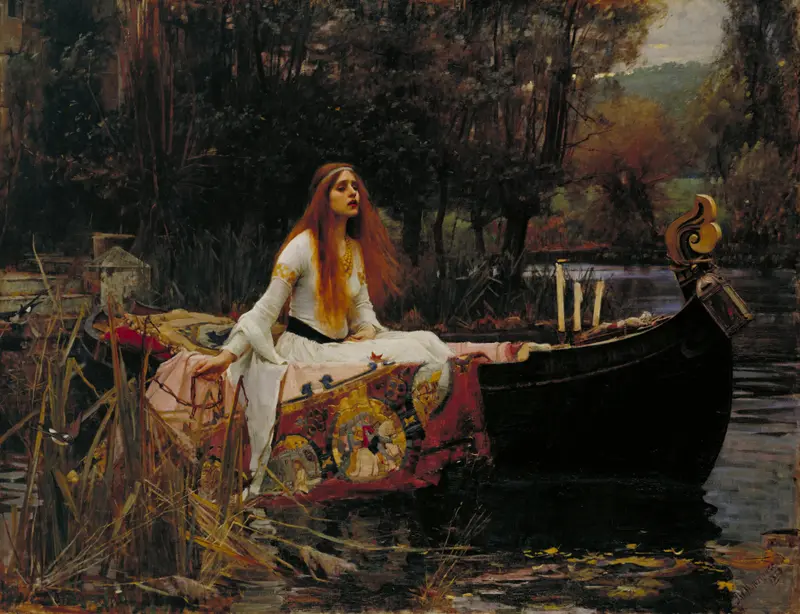
The Lady of Shalott
John William Waterhouse
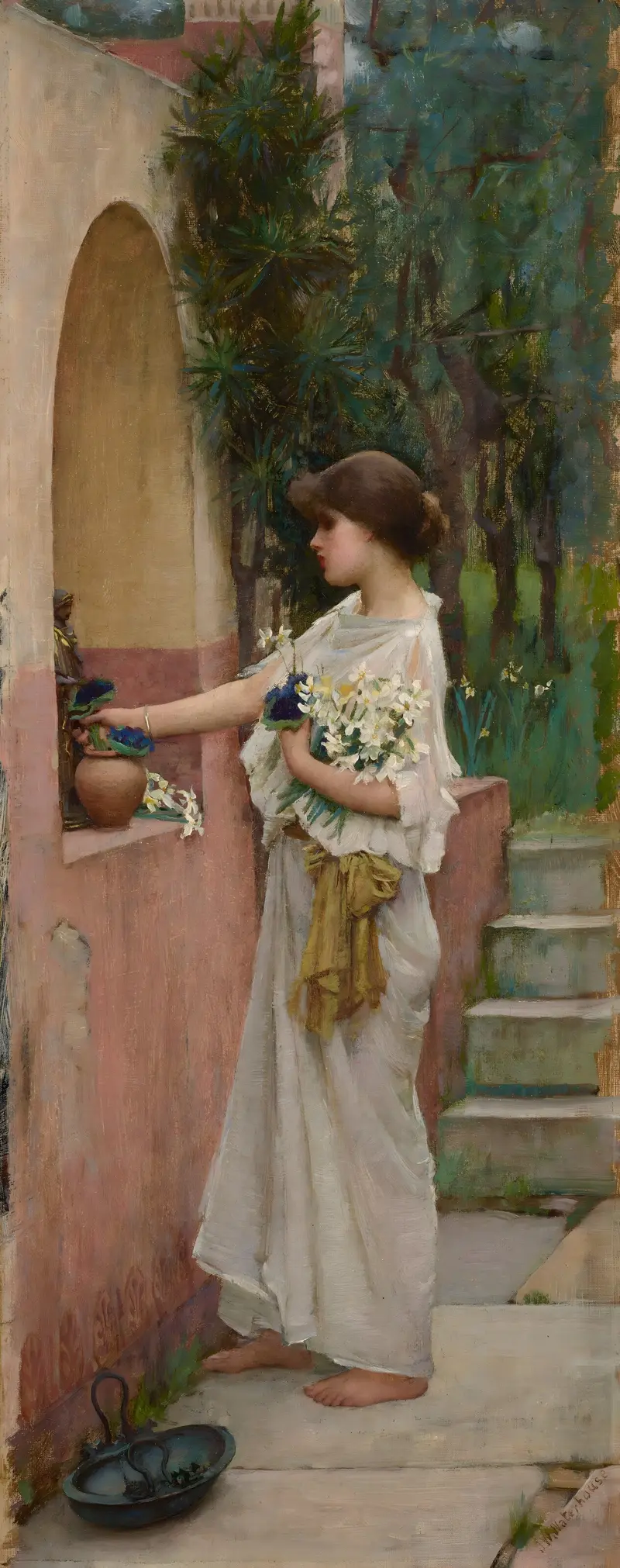
A Roman Offering
John William Waterhouse
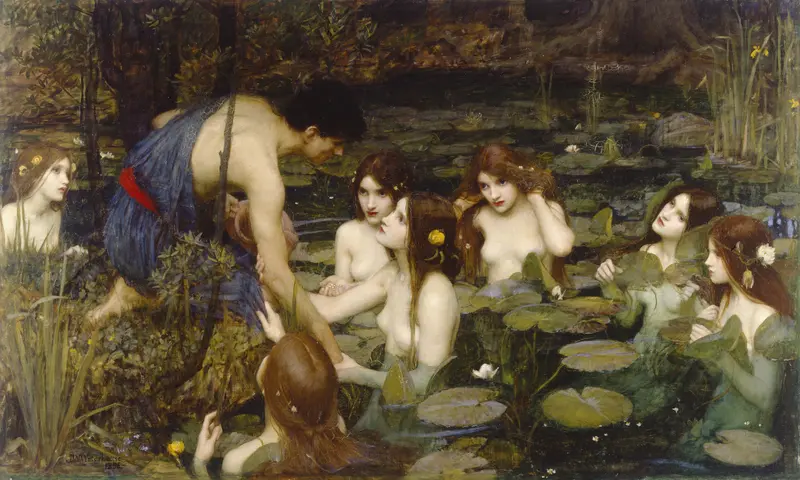
Hylas and the Nymphs
John William Waterhouse
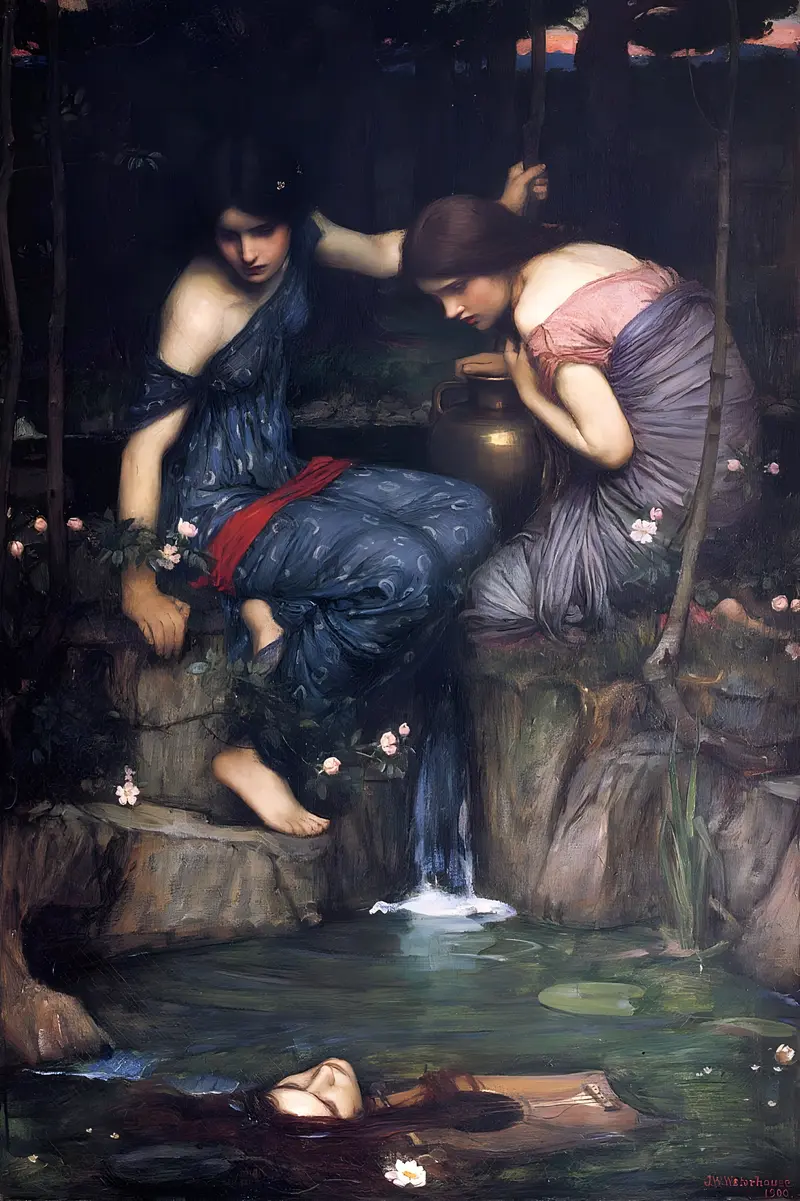
Nymphs Finding the Head of Orpheus
John William Waterhouse
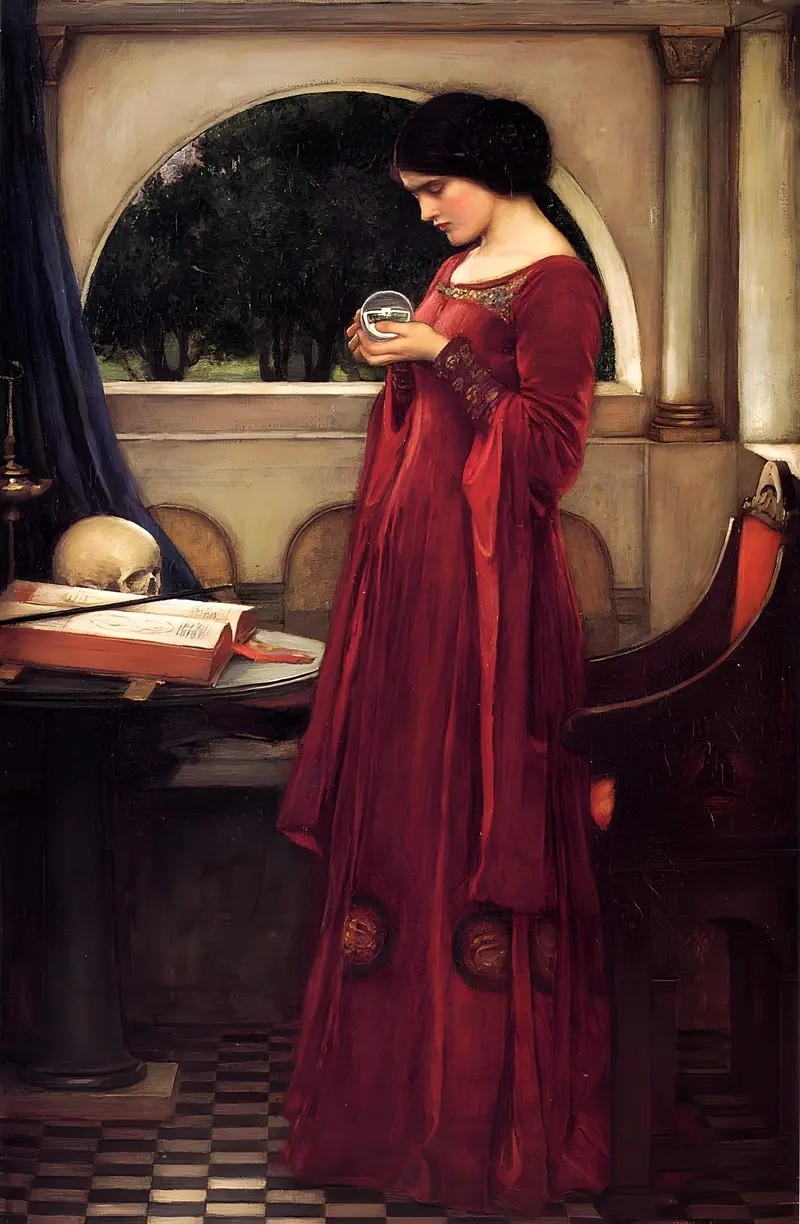
The Crystal Ball
John William Waterhouse
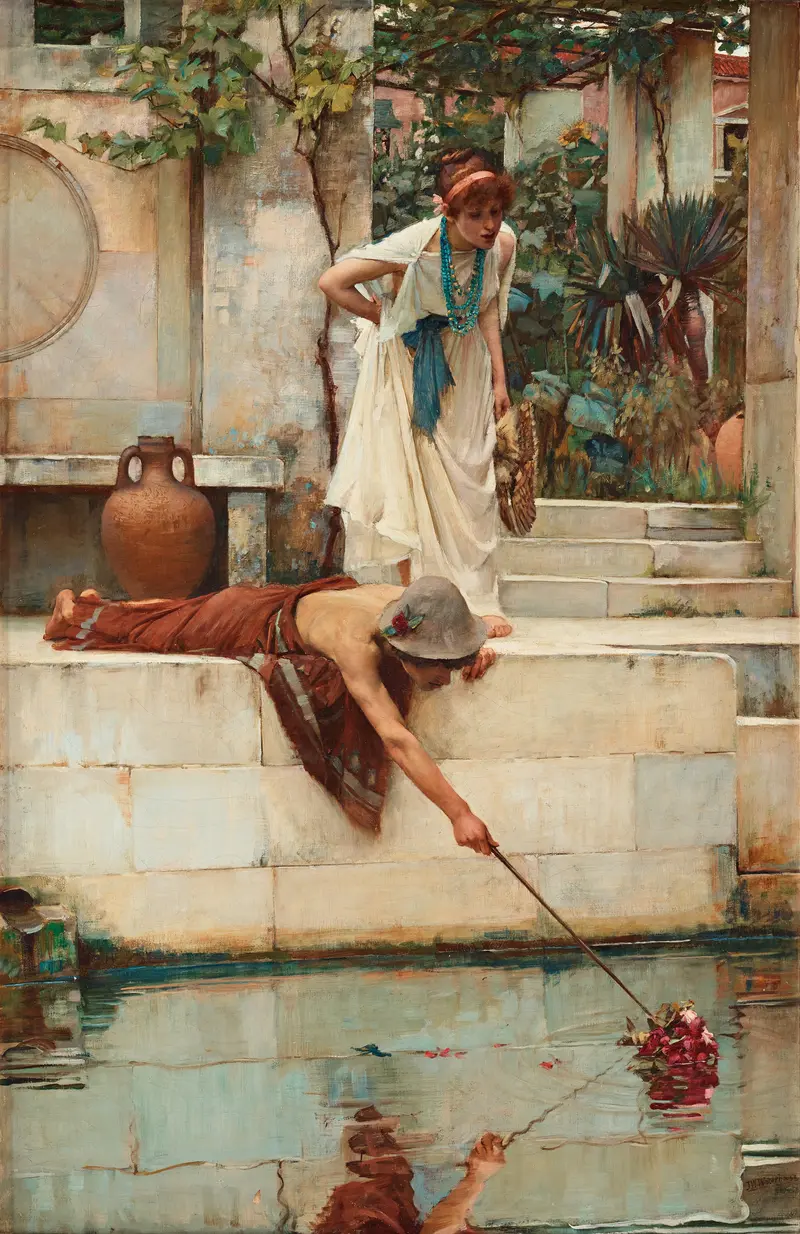
The Rescue
John William Waterhouse
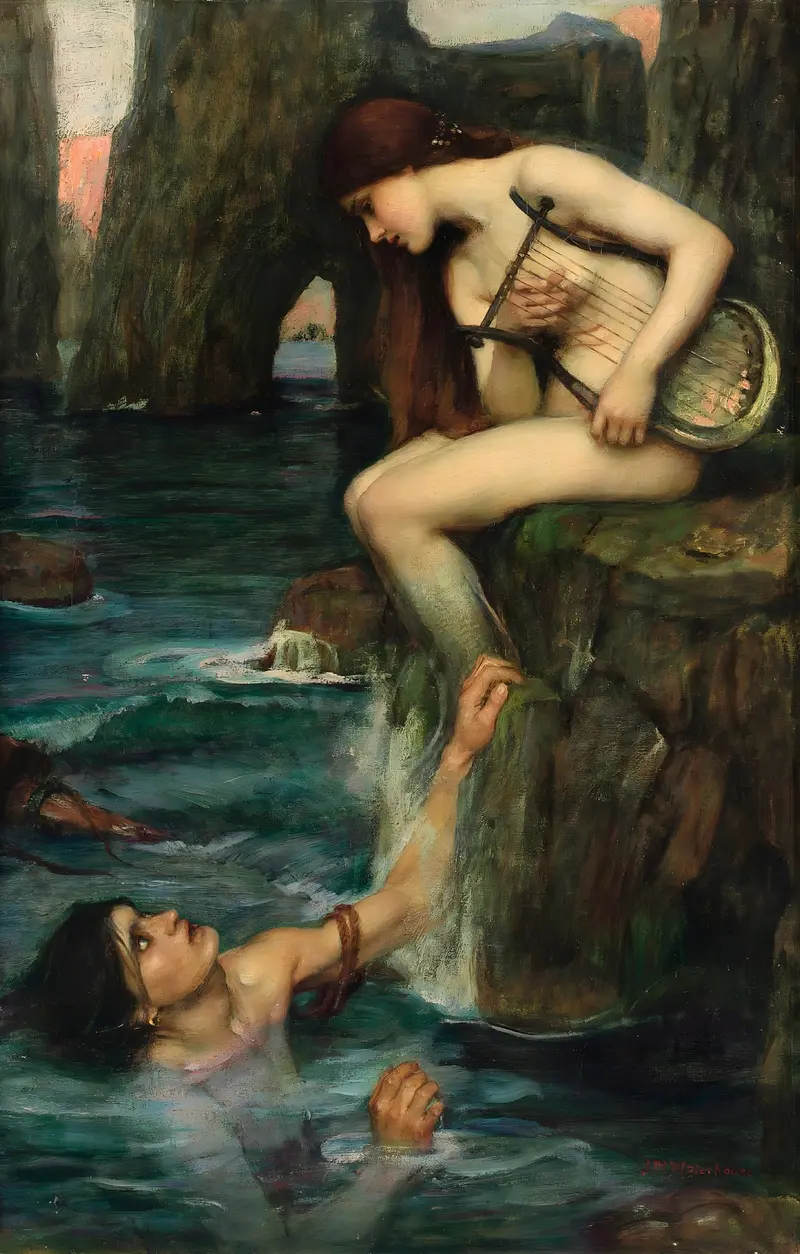
The Siren, 1900
John William Waterhouse
The Soul of the Rose
John William Waterhouse





