
The Crystal Ball — History & Facts
A woman in a deep crimson gown stands absorbed by the glass sphere she cradles, her entire world narrowed to the mysteries it might reveal. The light falls softly across her face and hands, drawing the viewer’s attention to the crystal ball, which glows with an almost uncanny clarity. Every detail in the room is carefully chosen: the skull on the table hints at mortality and the pursuit of forbidden knowledge, while the heavy books and arcane diagrams evoke a world of study and ritual.
The checkerboard floor and classical columns set her apart from the wildness glimpsed through the arched window, creating a tension between interior order and the unknown beyond. Waterhouse’s palette, rich in reds and golds, sets a mood of quiet intensity, as if time itself has paused for this moment of divination. Painted in 1902, The Crystal Ball belongs to the world of late Victorian and Edwardian England, when artists and audiences alike were captivated by the mystical and the medieval. Works like this, by John William Waterhouse, drew on the Pre-Raphaelite tradition, with its fascination for romance, enchantment, and the inner life of women.
Such paintings were often commissioned by collectors eager for scenes that blended beauty with a sense of narrative mystery—images that seemed to promise secrets just out of reach. While history has kept few traces of this particular canvas beyond its date and its journey to an online collection, its spell endures: step closer, and see what the crystal ball might show you.
More Artworks by John William Waterhouse
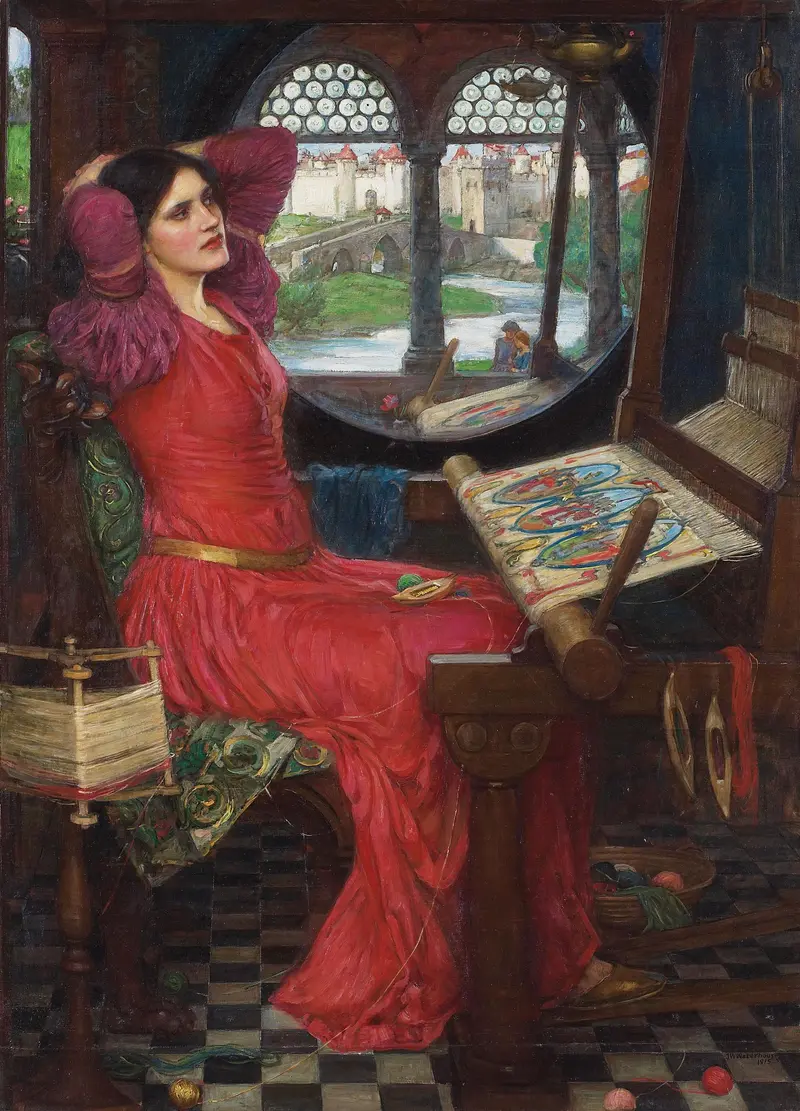
'I Am Half-Sick of Shadows,' Said the Lady of Shalott
John William Waterhouse

The Favourites of the Emperor Honorius, 1883
John William Waterhouse
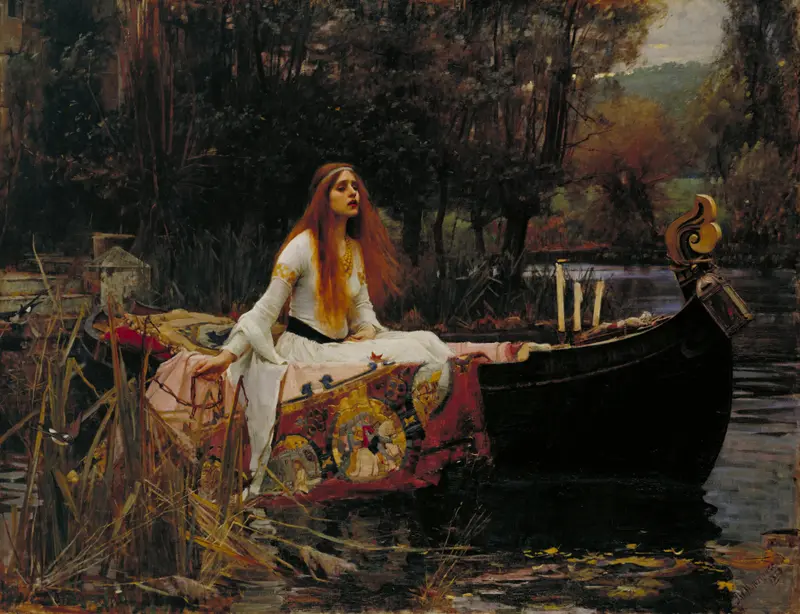
The Lady of Shalott
John William Waterhouse
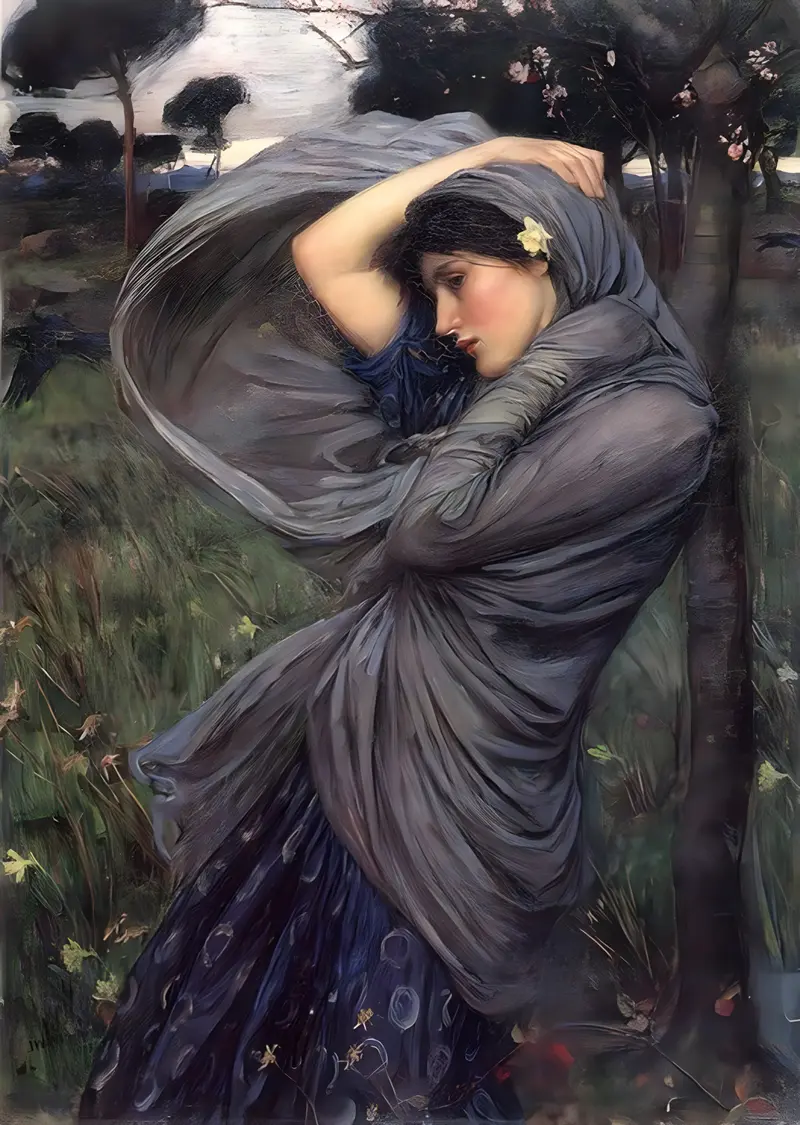
Boreas
John William Waterhouse
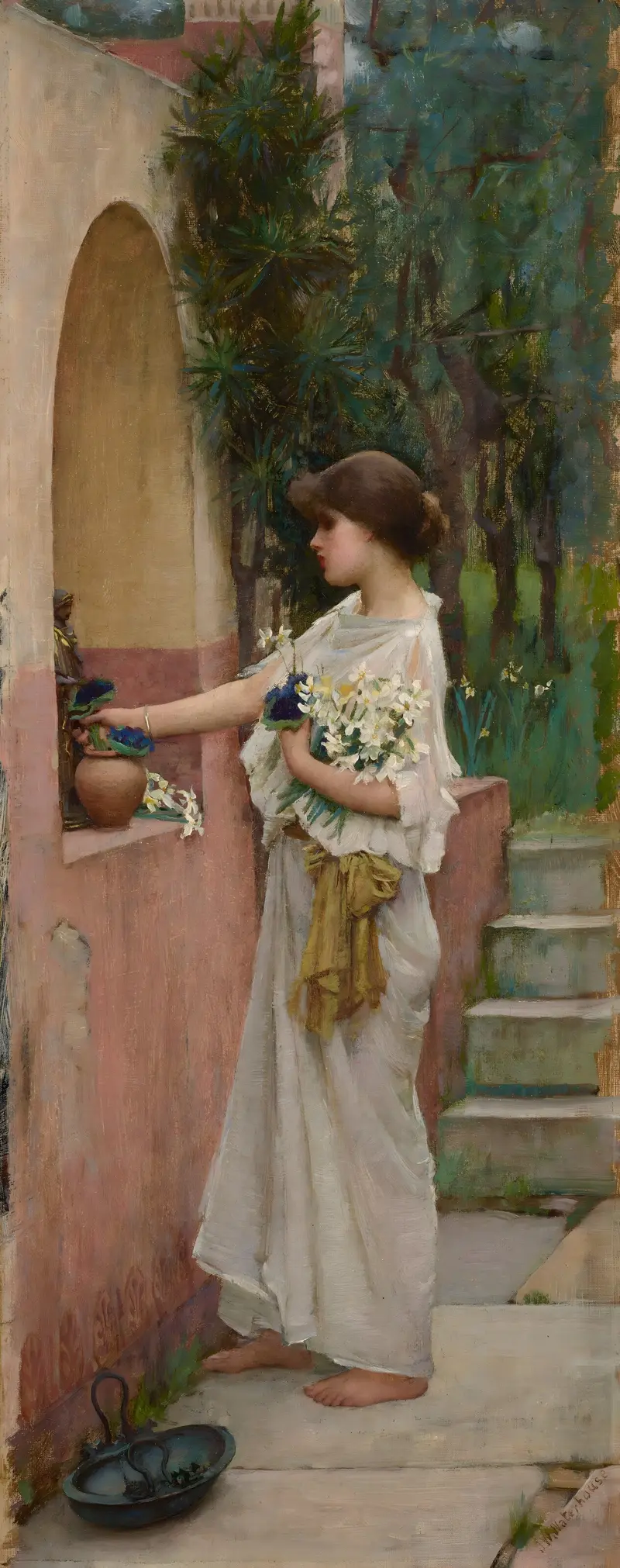
A Roman Offering
John William Waterhouse
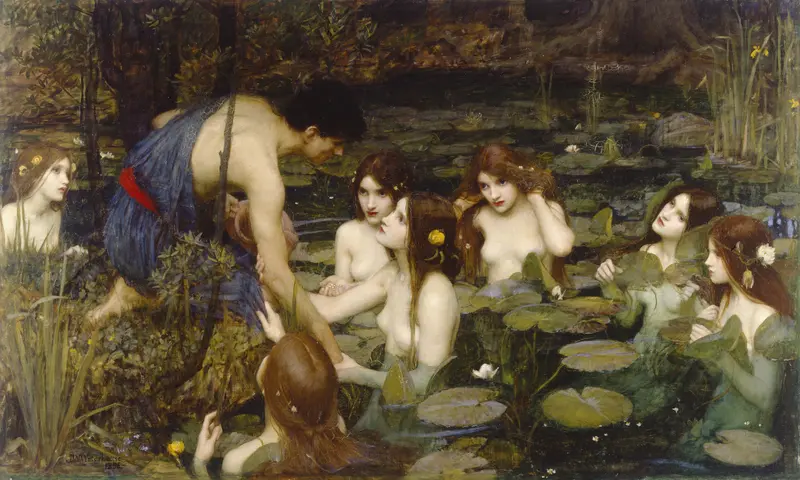
Hylas and the Nymphs
John William Waterhouse
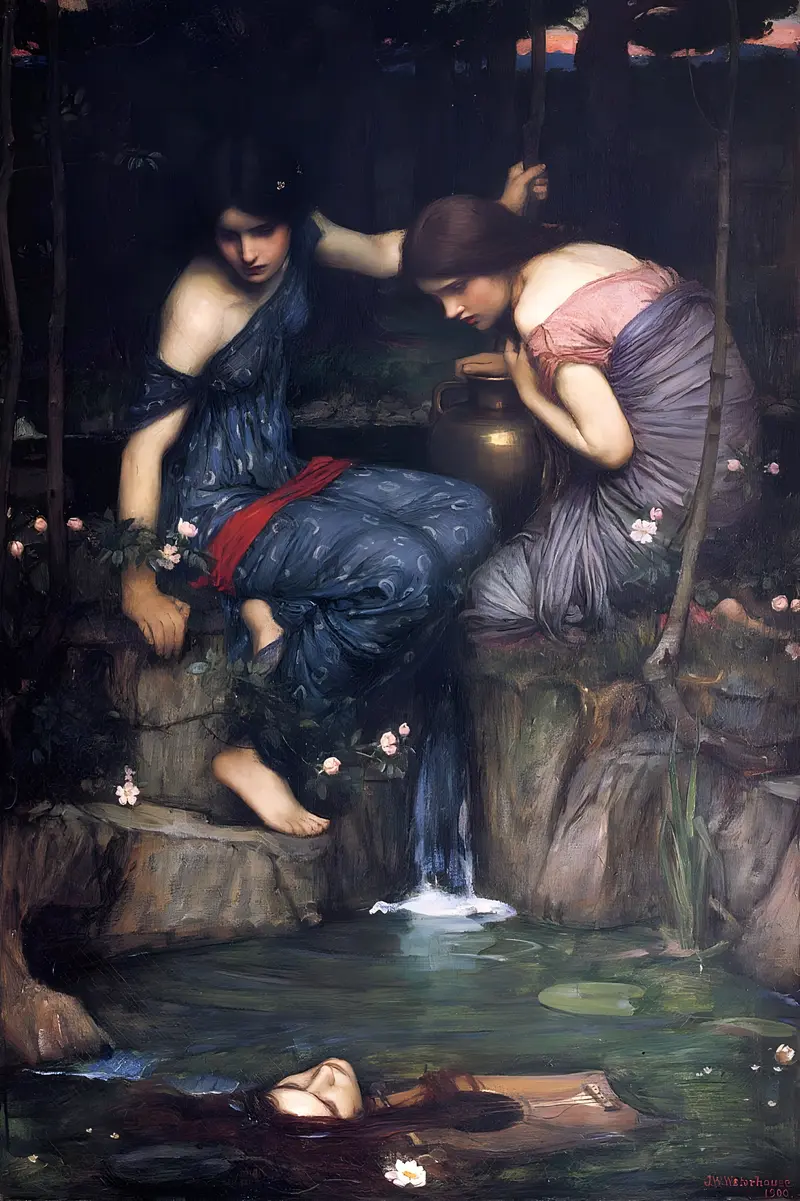
Nymphs Finding the Head of Orpheus
John William Waterhouse
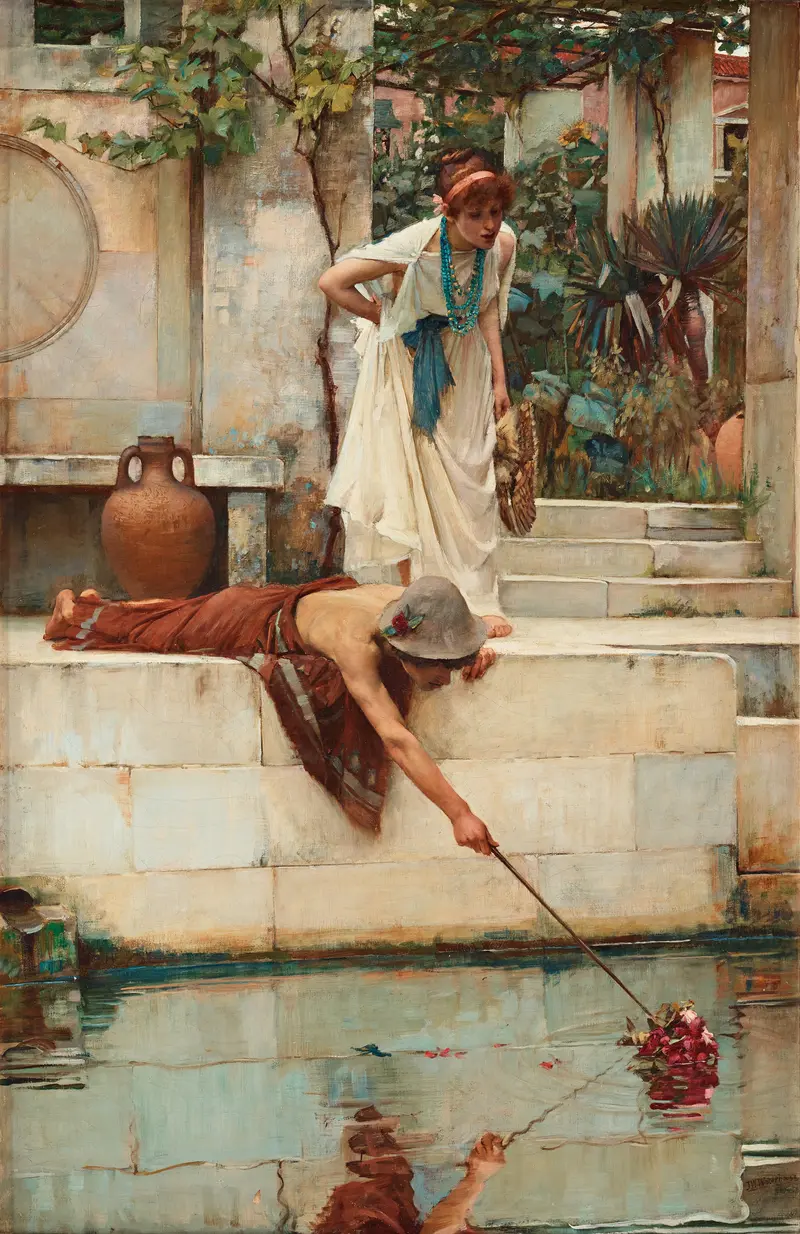
The Rescue
John William Waterhouse
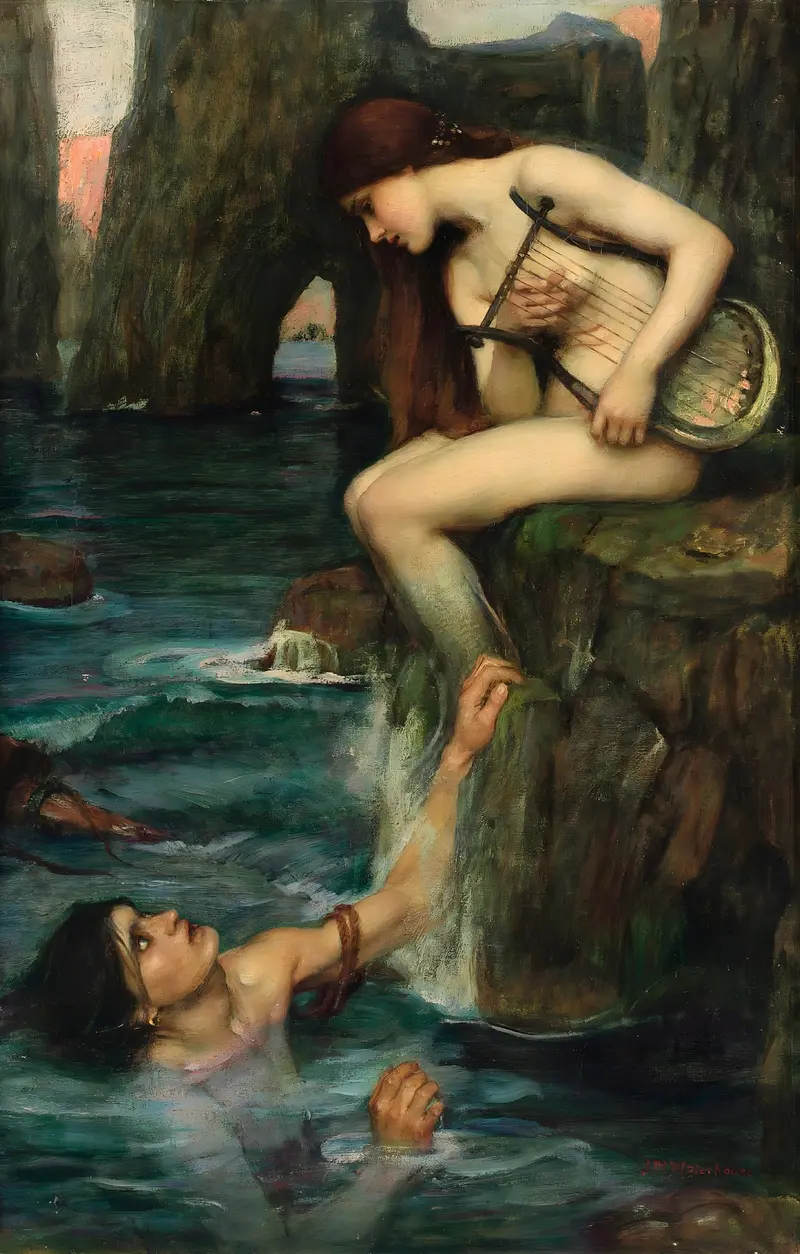
The Siren, 1900
John William Waterhouse
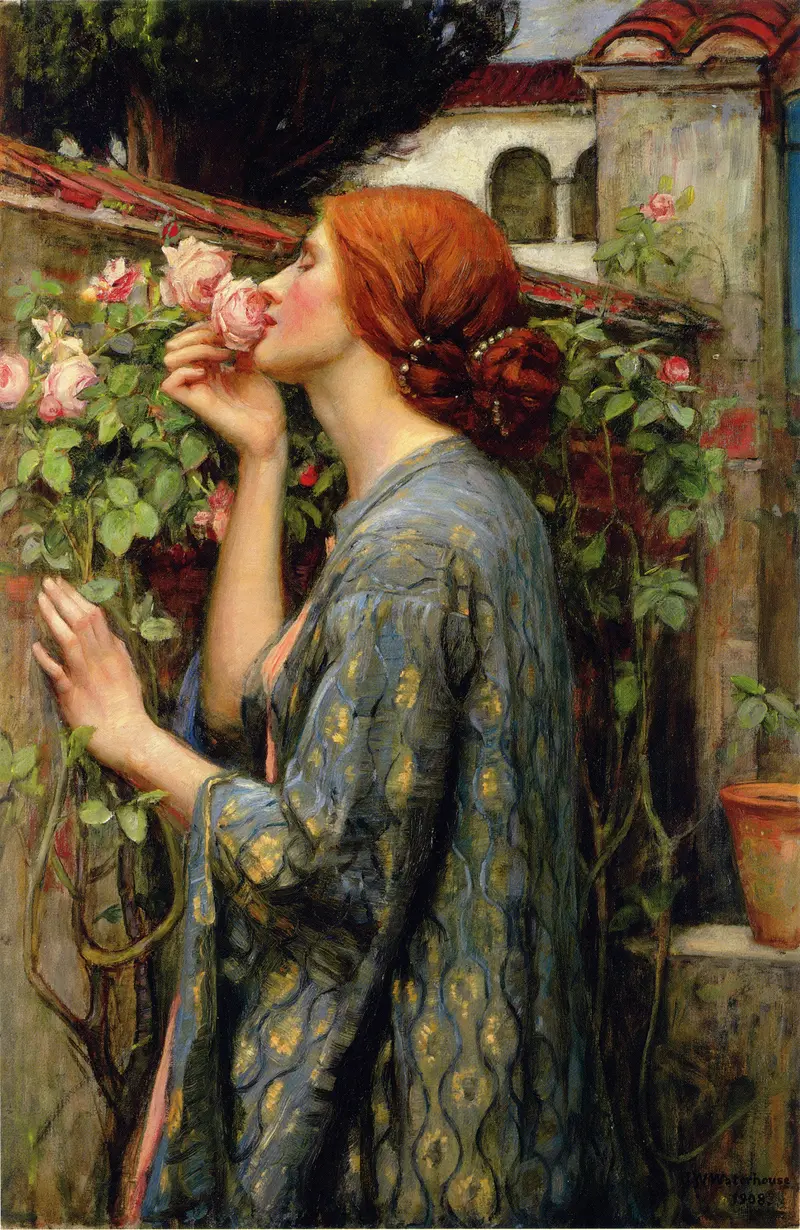
The Soul of the Rose
John William Waterhouse





