
The Favourites of the Emperor Honorius, 1883 — History & Facts
A young man in rich, dark robes sits on a throne-like chair at the left, his gaze lowered as he scatters food from a golden dish to a flock of birds gathered at his feet. Several pigeons and two plump guinea fowl crowd the patterned rug before him, their feathers rendered with meticulous brushwork that captures their varied textures and subtle colors. One bird perches on the ornate structure behind the seated figure, while another stands on the arm of his chair, emphasizing his absorption in their company.
To the right, a group of five men in pale, flowing garments bow and gesture toward the emperor, their postures deferential and their faces intent, yet they are separated from him by both space and the dark band of the rug. An attendant in a short tunic stands by a column, holding a staff topped with a circular emblem, his stance upright and his gaze directed toward the emperor. The setting is a grand marble hall, its floor inlaid with geometric patterns and its walls hung with green drapery and Roman banners, while a statue in a niche and the intricate architectural details evoke the opulence of late antiquity.
Light streams in from the right, illuminating the councillors and the birds, while the emperor remains in shadow, his figure framed by the deep reds and golds of his garments and the rug. Fine, precise brushstrokes describe the folds of cloth, the gleam of metal, and the delicate plumage, characteristic of the detailed realism associated with the Pre-Raphaelite Brotherhood. The composition divides the scene into two distinct zones: the emperor and his birds in a dark, enclosed space, and the officials in a lighter, more open area, reinforcing the emotional and physical distance between ruler and state. Here, Waterhouse chooses to show Honorius absorbed in feeding his birds, while his councillors, dressed in pale robes, wait in vain for his attention. Waterhouse's choice of subject and his meticulous technique reflect the Pre-Raphaelite interest in historical narrative, vivid color, and detailed naturalism.
Sources: Art Gallery of South Australia, record 0.52 · Wikidata Q7733565 · Wikipedia: The Favourites of the Emperor Honorius · Image source (Wikimedia Commons)
More Artworks by John William Waterhouse
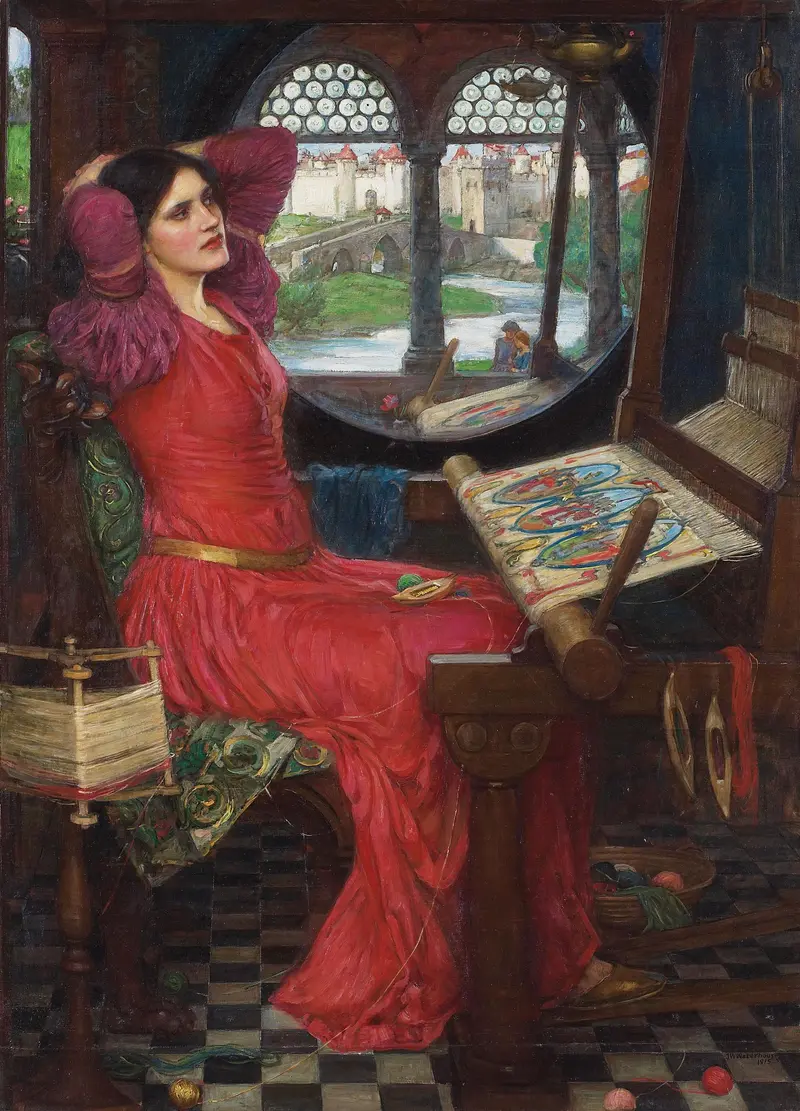
'I Am Half-Sick of Shadows,' Said the Lady of Shalott
John William Waterhouse
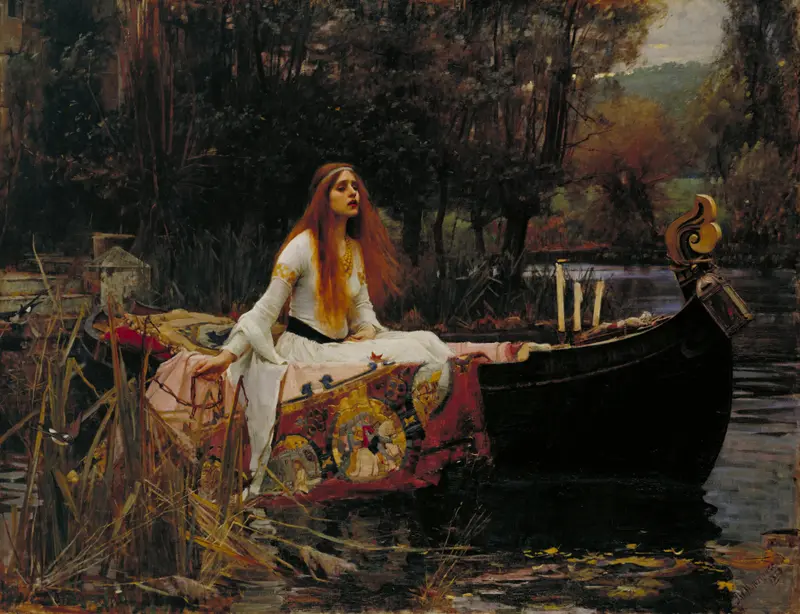
The Lady of Shalott
John William Waterhouse
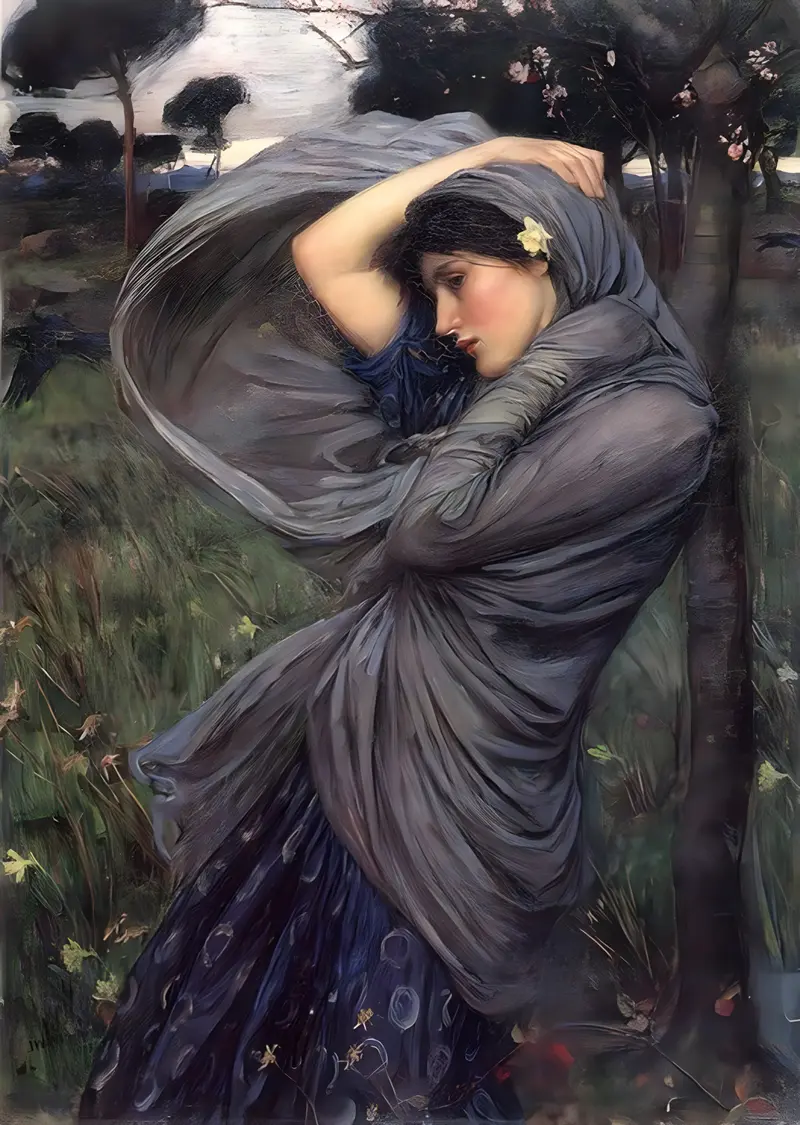
Boreas
John William Waterhouse
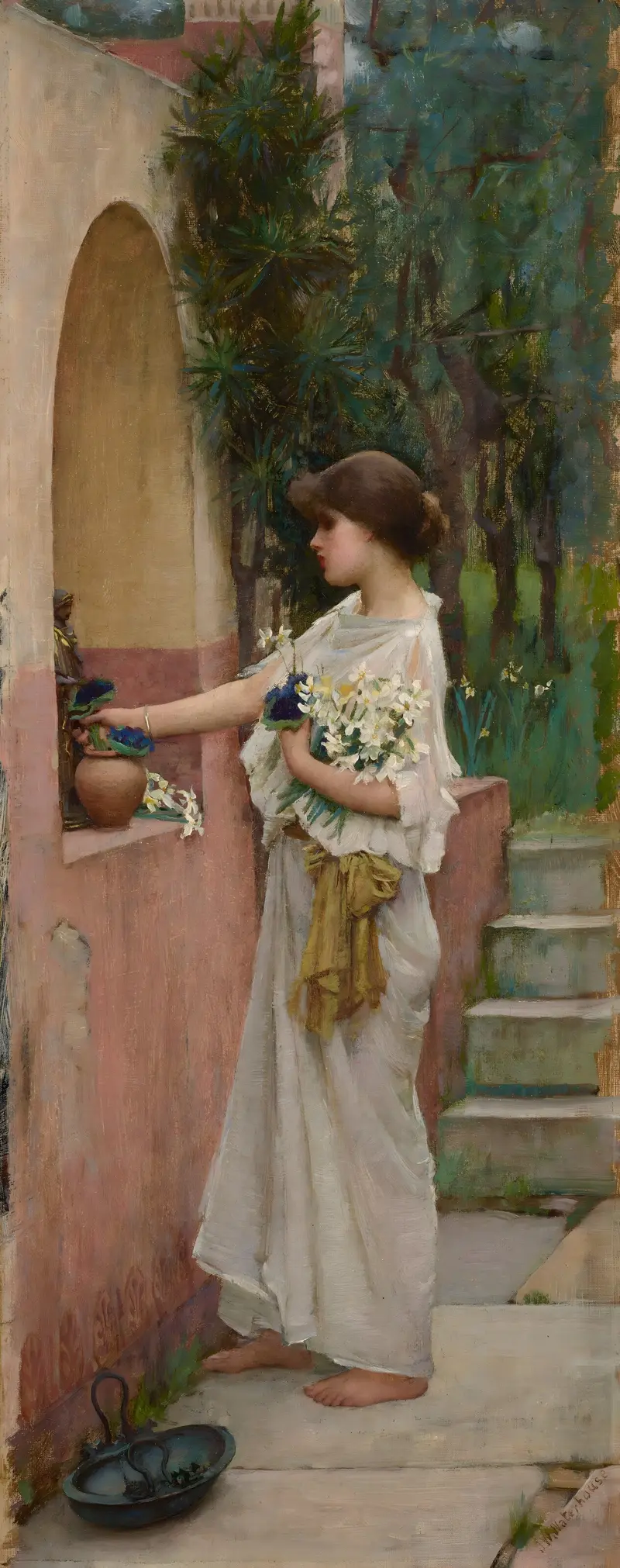
A Roman Offering
John William Waterhouse
Hylas and the Nymphs
John William Waterhouse
Nymphs Finding the Head of Orpheus
John William Waterhouse
The Crystal Ball
John William Waterhouse
The Rescue
John William Waterhouse
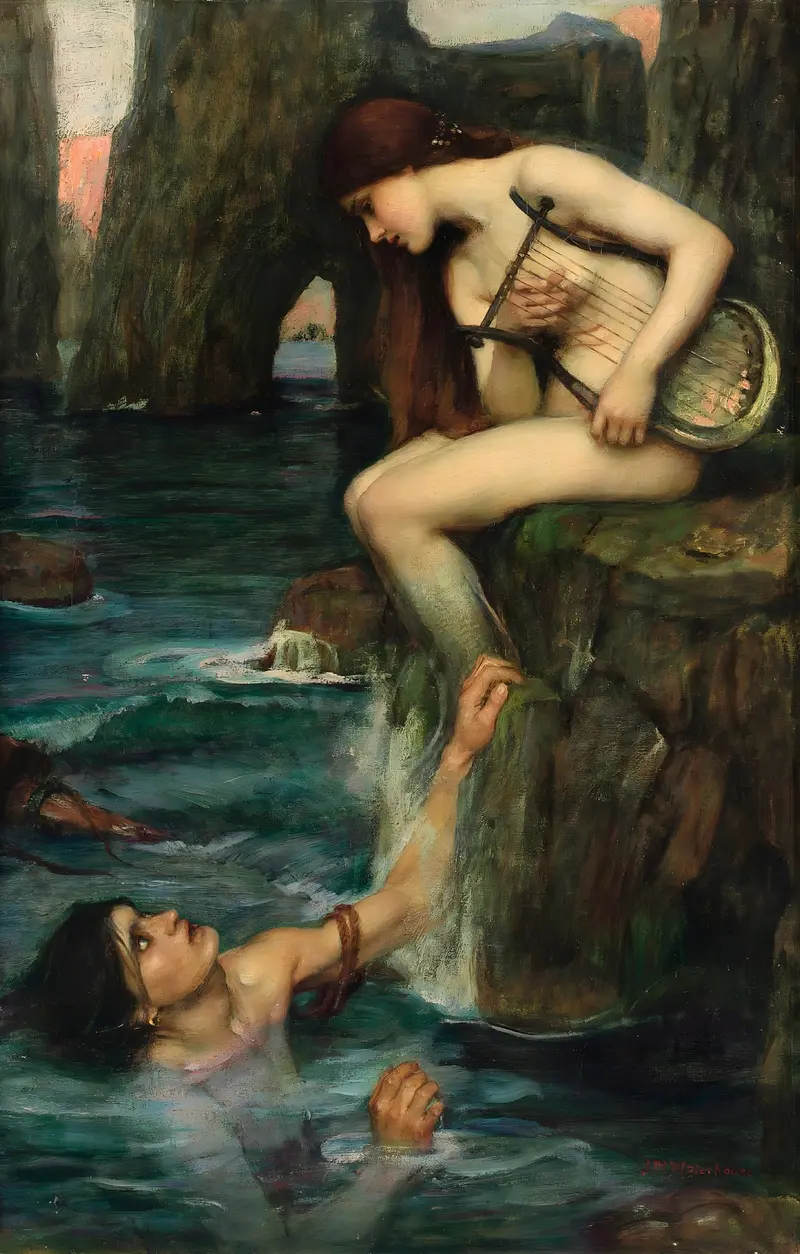
The Siren, 1900
John William Waterhouse
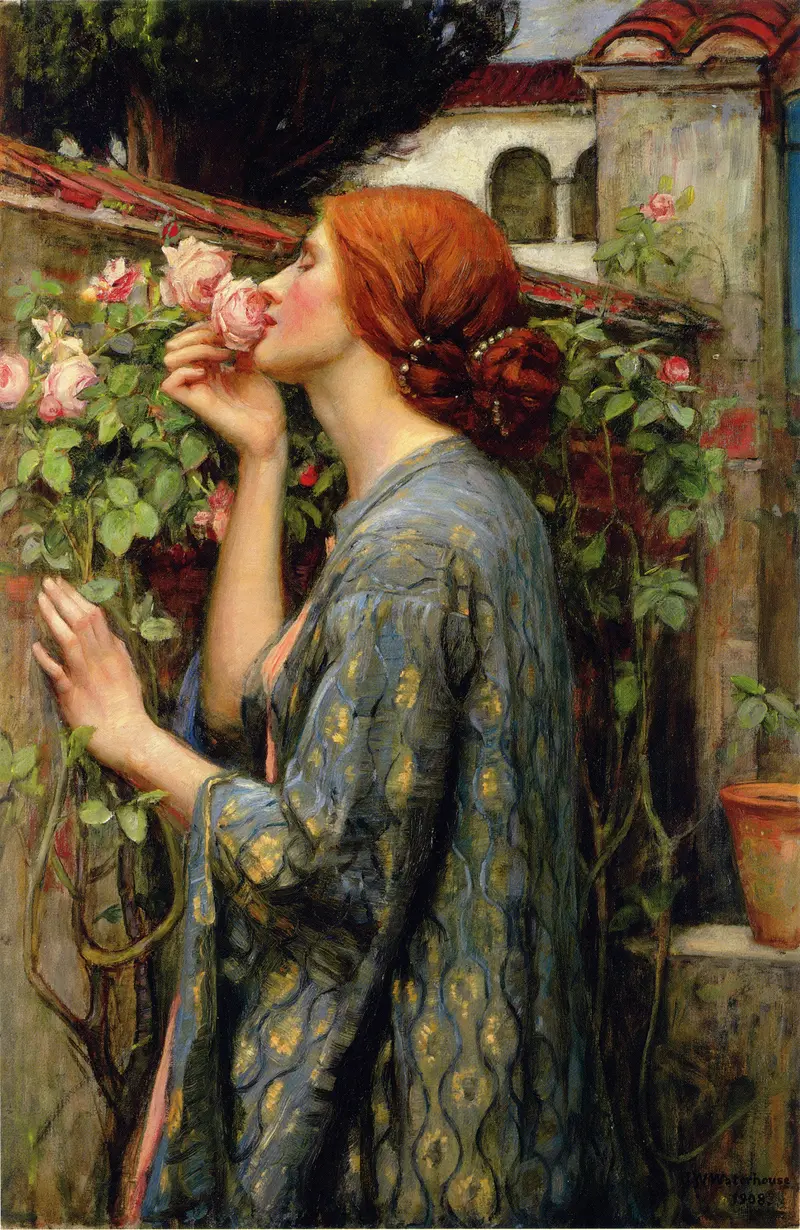
The Soul of the Rose
John William Waterhouse





