
Abraham served by three angels — History & Facts
A hush of anticipation hangs in the air as three radiant figures, unmistakably angels by their sweeping wings and otherworldly calm, share a meal with an elderly man draped in red. The table is set with bread and a gleaming vessel, but it is the gestures that draw the eye: one angel points upward, another leans forward, and Abraham, caught in a moment of awe and humility, clutches his chest as if steadying his heart. The light falls most warmly on the angels’ faces and wings, drawing the viewer into the heart of this mysterious encounter, while the deep shadows behind them hint at secrets just beyond reach.
In the doorway, a figure half-shrouded in darkness looks on, adding a sense of quiet suspense—who witnesses, and who understands, this visitation? Created around 1650, Abraham served by three angels by Abraham Jansz. van Diepenbeeck belongs to a world where biblical stories were painted for private devotion and public display alike, often commissioned by wealthy patrons eager to display both piety and taste. The Baroque era prized drama and intimacy, and artists like Diepenbeeck excelled at capturing the moment when the divine brushes against the everyday.
Little is recorded about the journey of this particular painting, but its survival invites us to linger in its golden-lit moment, to imagine the hopes and anxieties of a century when faith and art were inseparable. The story is ancient, but the invitation to read faces and gestures is as immediate as ever—step closer, and let the conversation at the table unfold.
More Artworks by Abraham Jansz. van Diepenbeeck
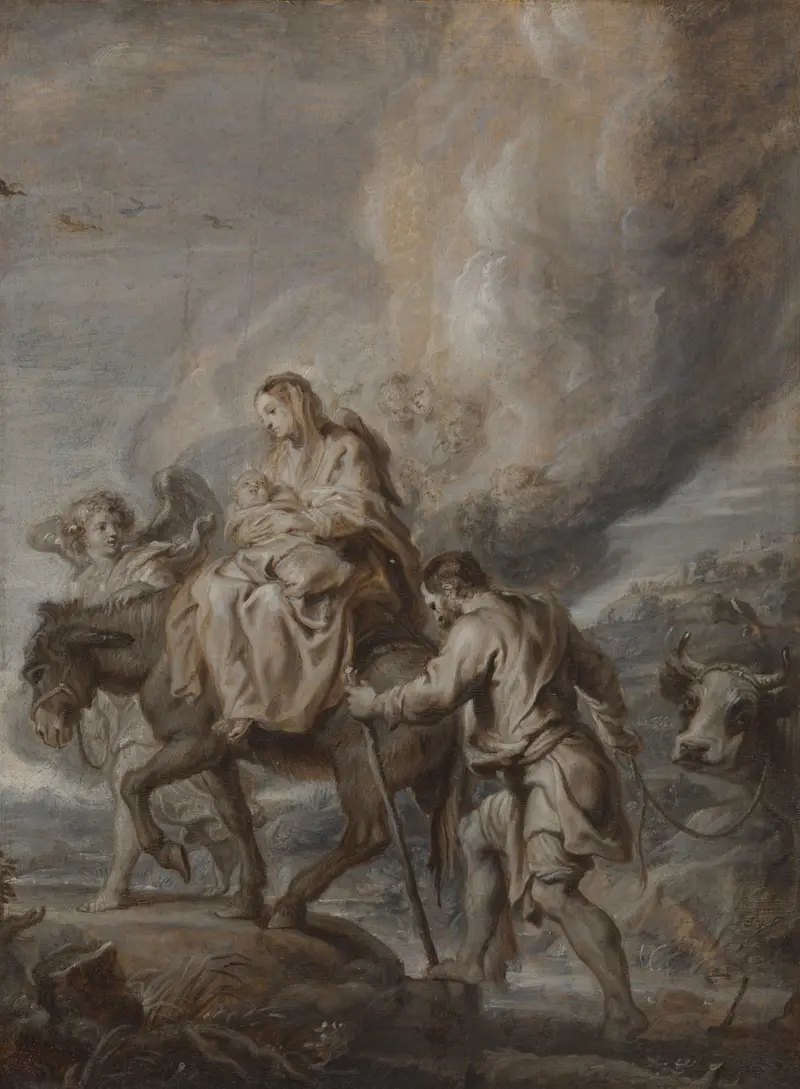
The Flight into Egypt
Abraham Jansz. van Diepenbeeck
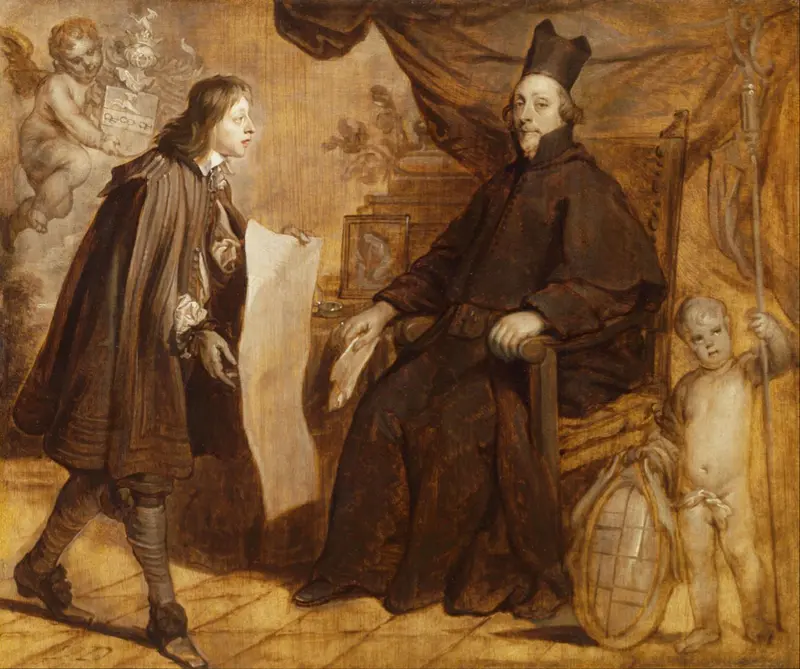
Portrait of a Prelate and a Young Man
Abraham Jansz. van Diepenbeeck
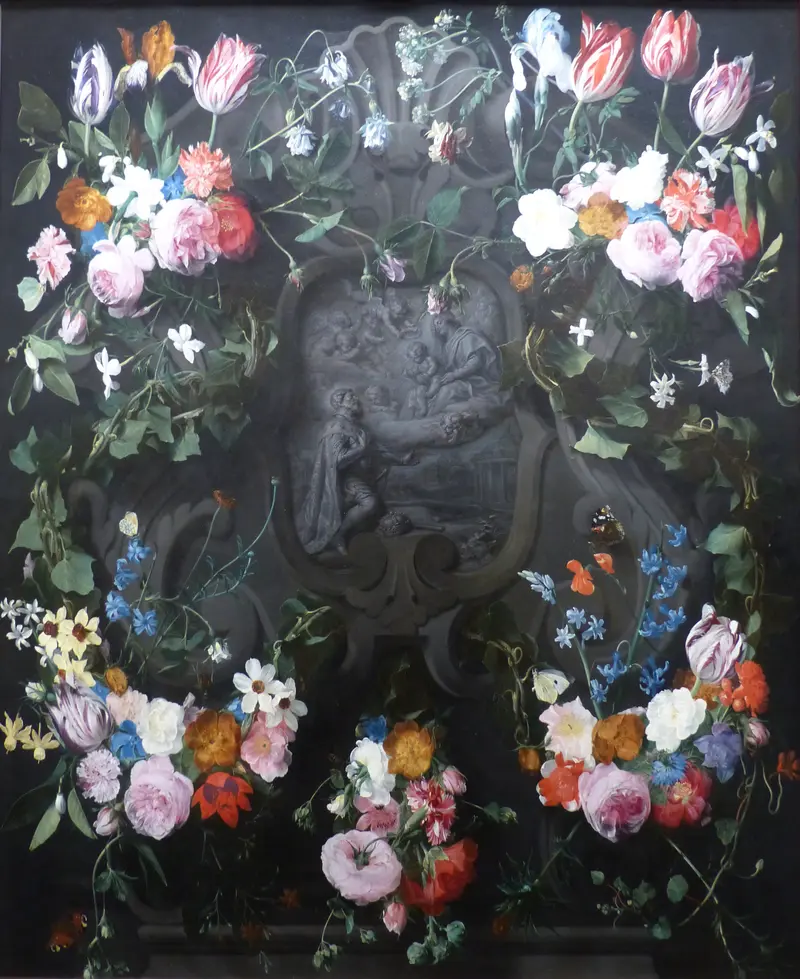
Guirlande de fleurs avec l'apparition de la Vierge-à-l'Enfant à St Léopold
Abraham Jansz. van Diepenbeeck
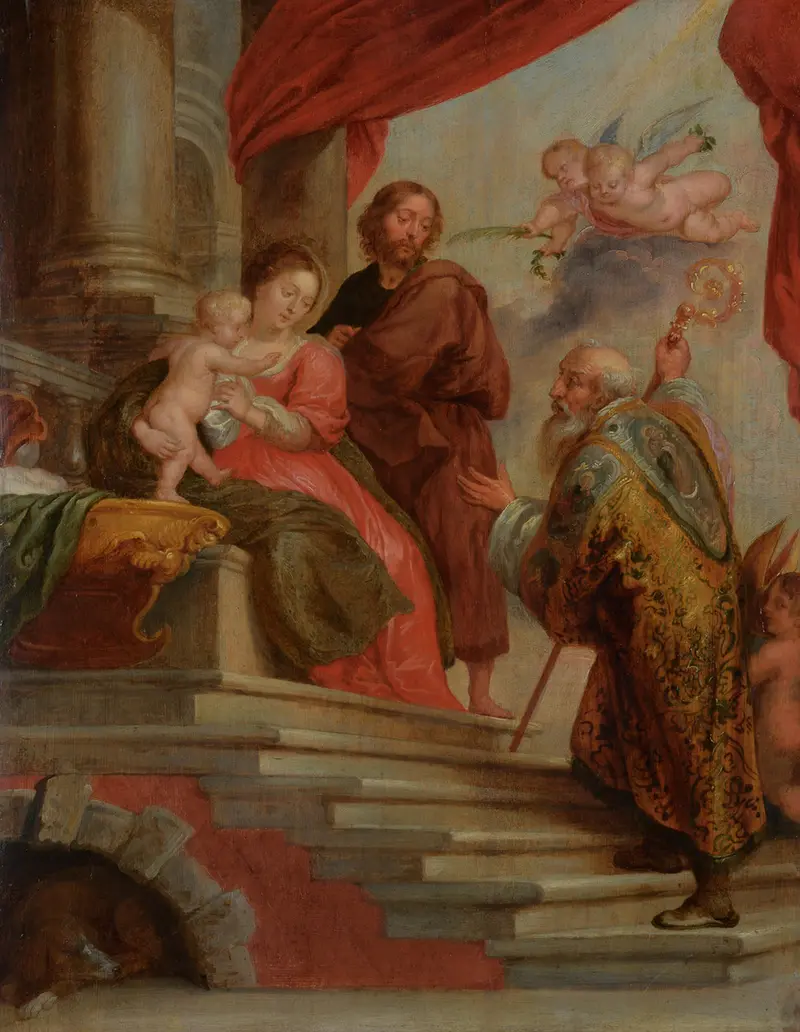
Holy family and Saint Willibrord
Abraham Jansz. van Diepenbeeck
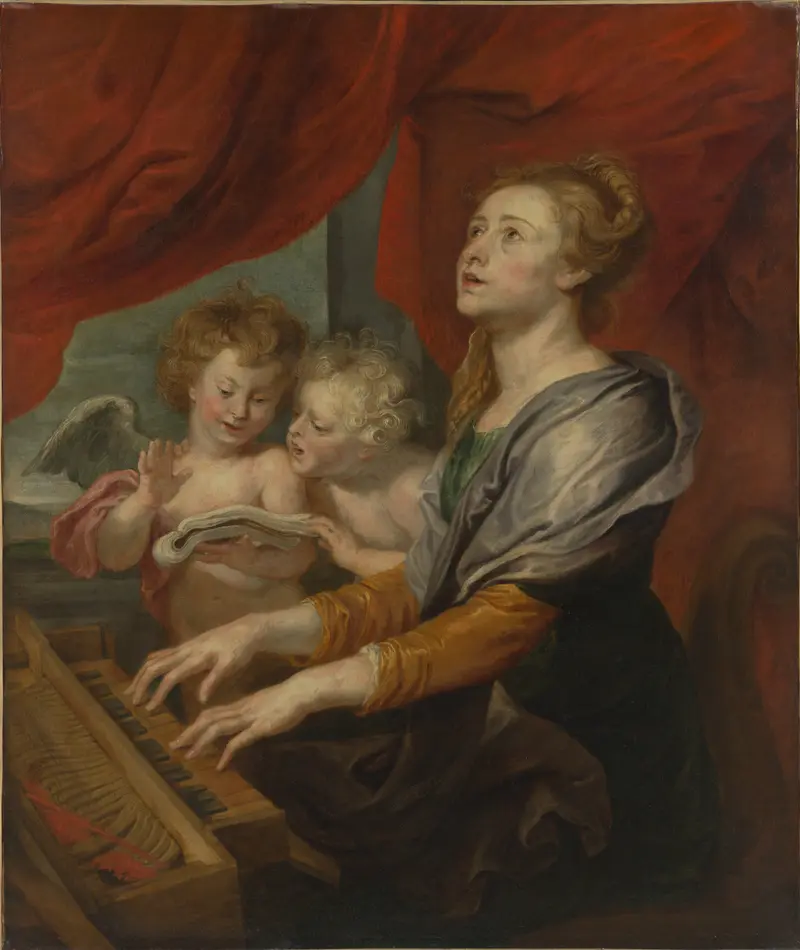
Saint Cecilia
Abraham Jansz. van Diepenbeeck
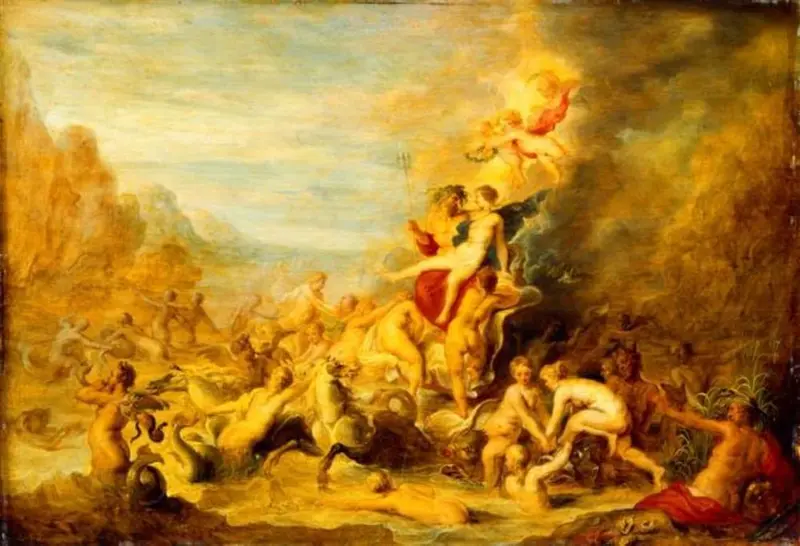
Triumph of Neptune and Amphitrite
Abraham Jansz. van Diepenbeeck
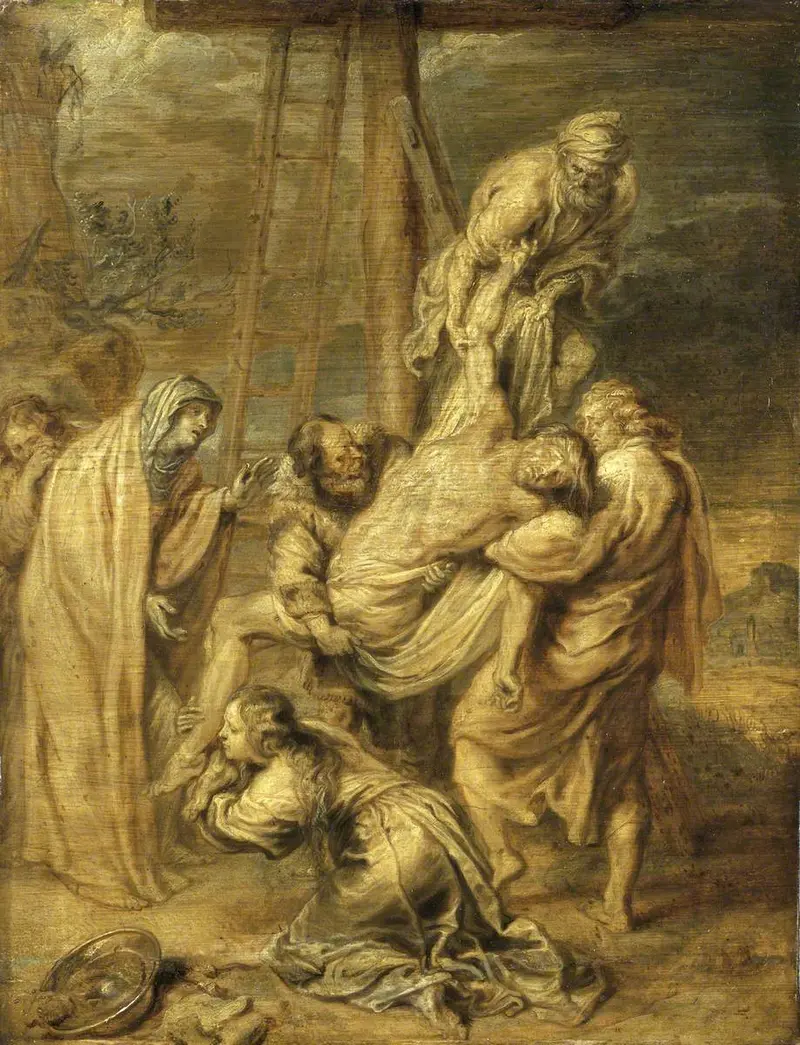
The Deposition
Abraham Jansz. van Diepenbeeck
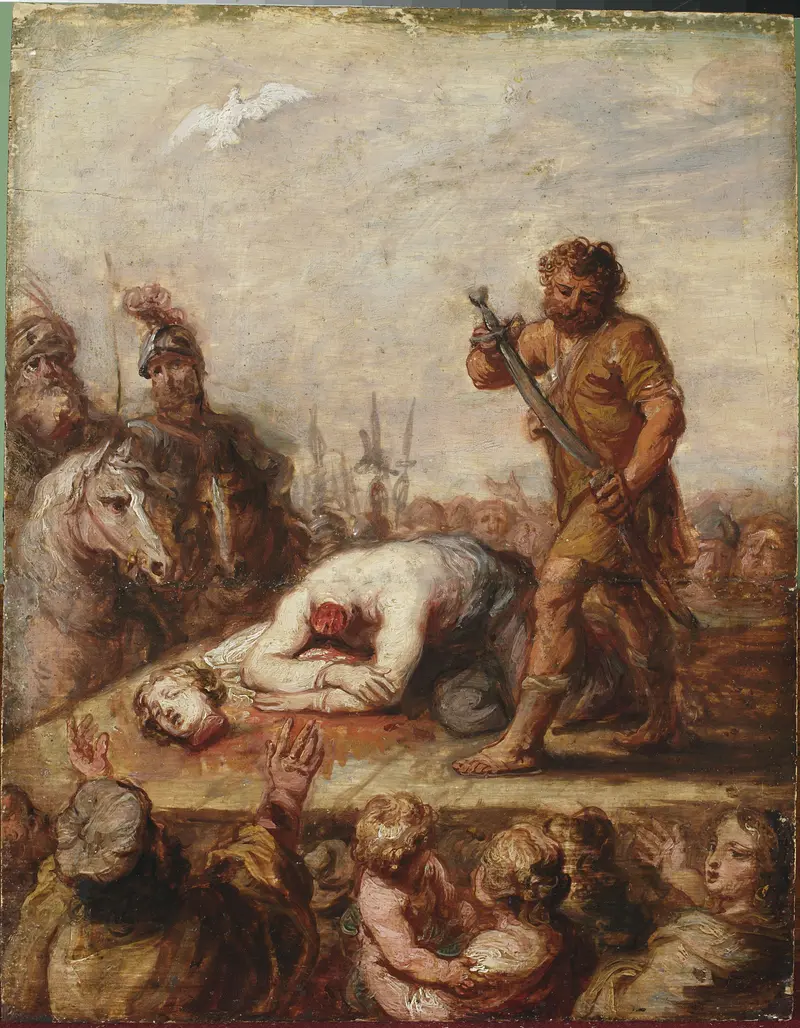
Sketch for a Decapitation of a Saint Woman (St. Catherine?)
Abraham Jansz. van Diepenbeeck
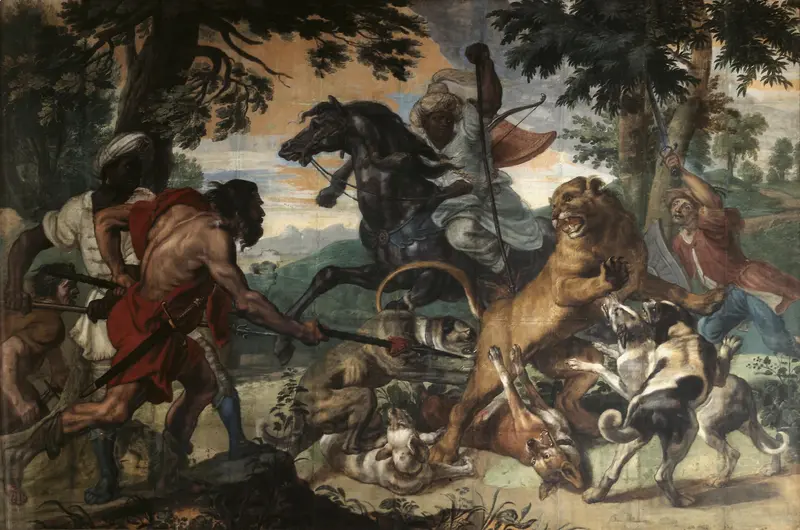
Lion Hunting
Abraham Jansz. van Diepenbeeck
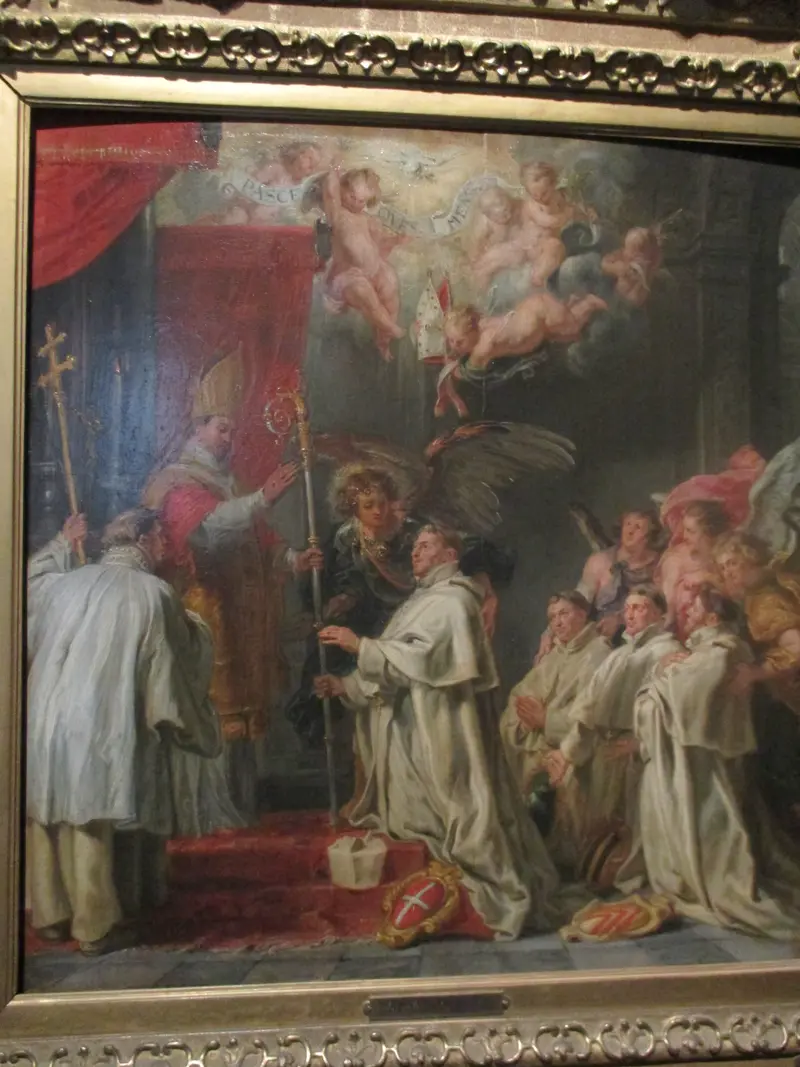
The archangel Michael supports the blessed Waltmann, who is being consecrated abbot by Saint Norbert
Abraham Jansz. van Diepenbeeck





