
Adoration of the Magi — History & Facts
What first seizes the eye in Antonio Vivarini’s Adoration of the Magi is the dazzling procession of color and pattern, a tapestry of gold, crimson, and azure that seems to spill out of the picture’s frame. The Magi, draped in brocades and crowned with fantastical headpieces, kneel and stand in reverence before the Christ Child, whose pale, luminous skin draws every gaze to the quiet center of the spectacle. The artist orchestrates the scene with a theatrical sense of movement: banners flutter, angels swoop overhead, and a city glows in the background like a vision from a dream.
Even the animals—donkeys and horses, their heads bowed or peering curiously—are swept up in the current of homage and wonder. Every gesture is deliberate: the oldest king kneels, his hands outstretched in offering, while the Virgin’s blue cloak enfolds the child in a calm, protective arc. Painted between circa 1445 and 1447, this work belongs to a moment when Venetian painters like Vivarini were absorbing the innovations of the early Renaissance—perspective, naturalistic detail, and a new appetite for spectacle. Altarpieces of the Adoration were prized by churches and confraternities, who saw in the Magi’s journey a model of devotion and worldly splendor brought to kneel before the divine.
The crowded composition, filled with richly dressed figures and exotic animals, reflects both the pageantry of Venetian society and the era’s fascination with distant lands and courtly ritual. History has kept few traces of this particular painting’s early life, but its survival in a modern collection invites us to step into the world it conjures—one where the miraculous and the magnificent meet in a single, crowded moment.
More Artworks by Antonio Vivarini

St. Louis of Toulouse
Antonio Vivarini
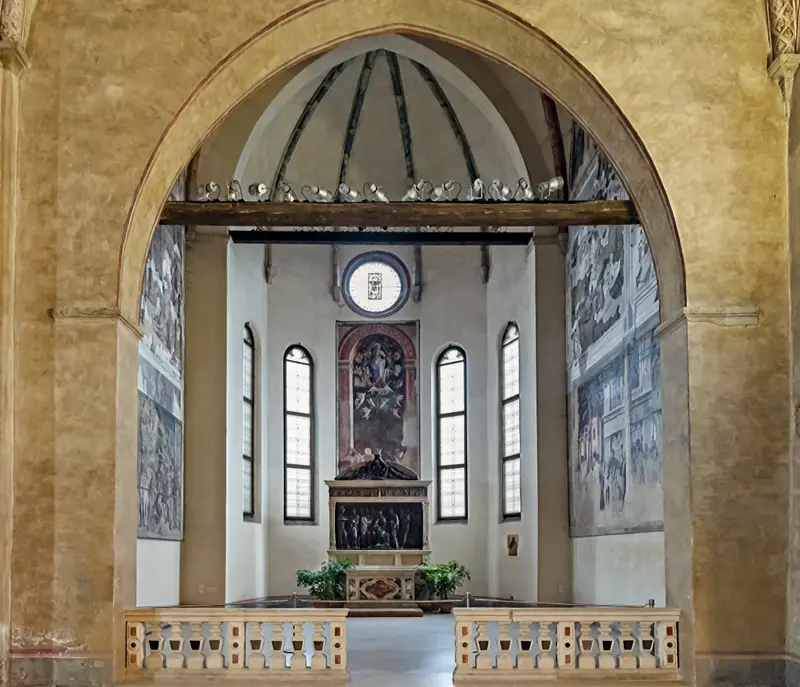
Ovetari Chapel
Antonio Vivarini
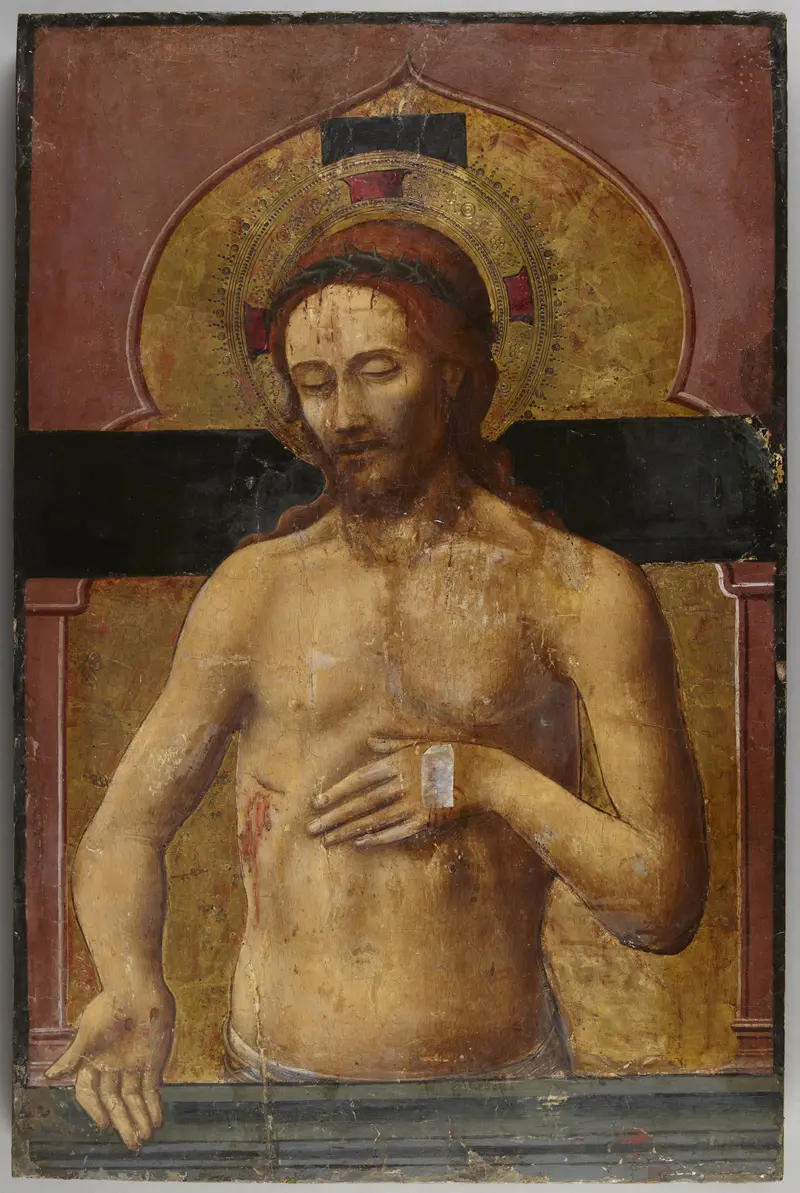
Christ in the Tomb
Antonio Vivarini
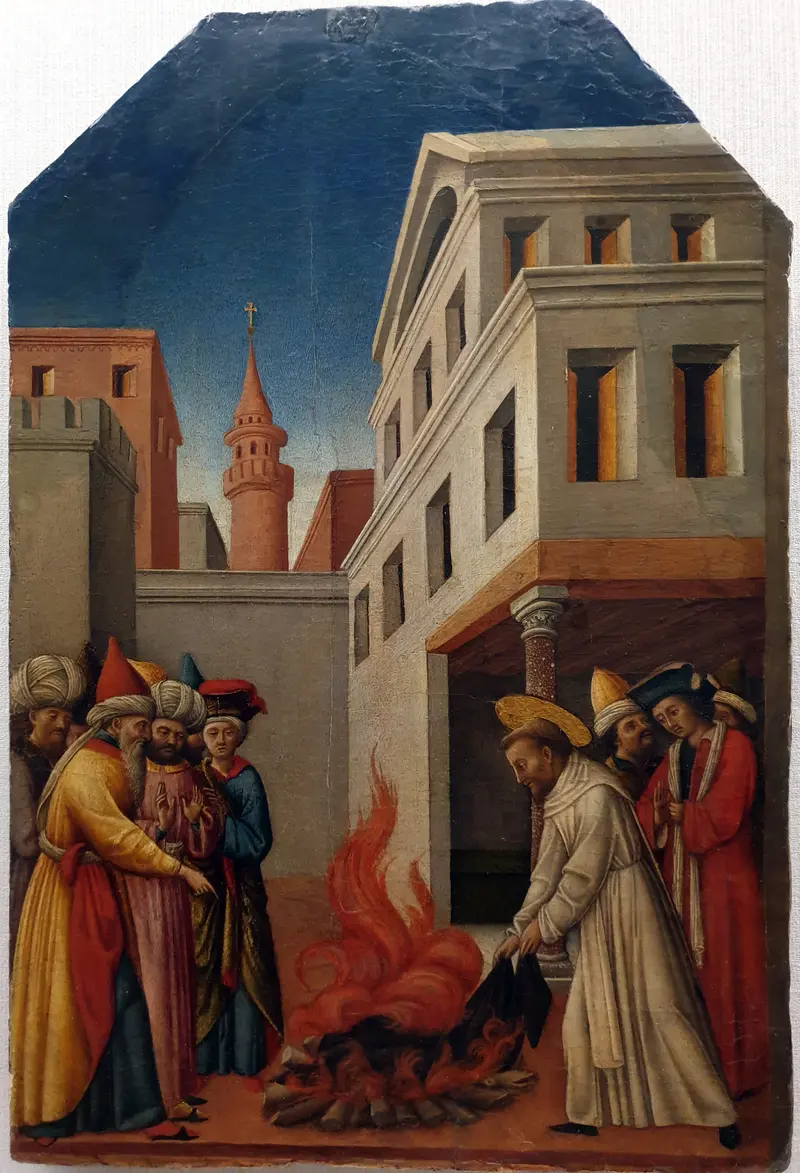
Miracle of the fire of Petrus Martyr
Antonio Vivarini
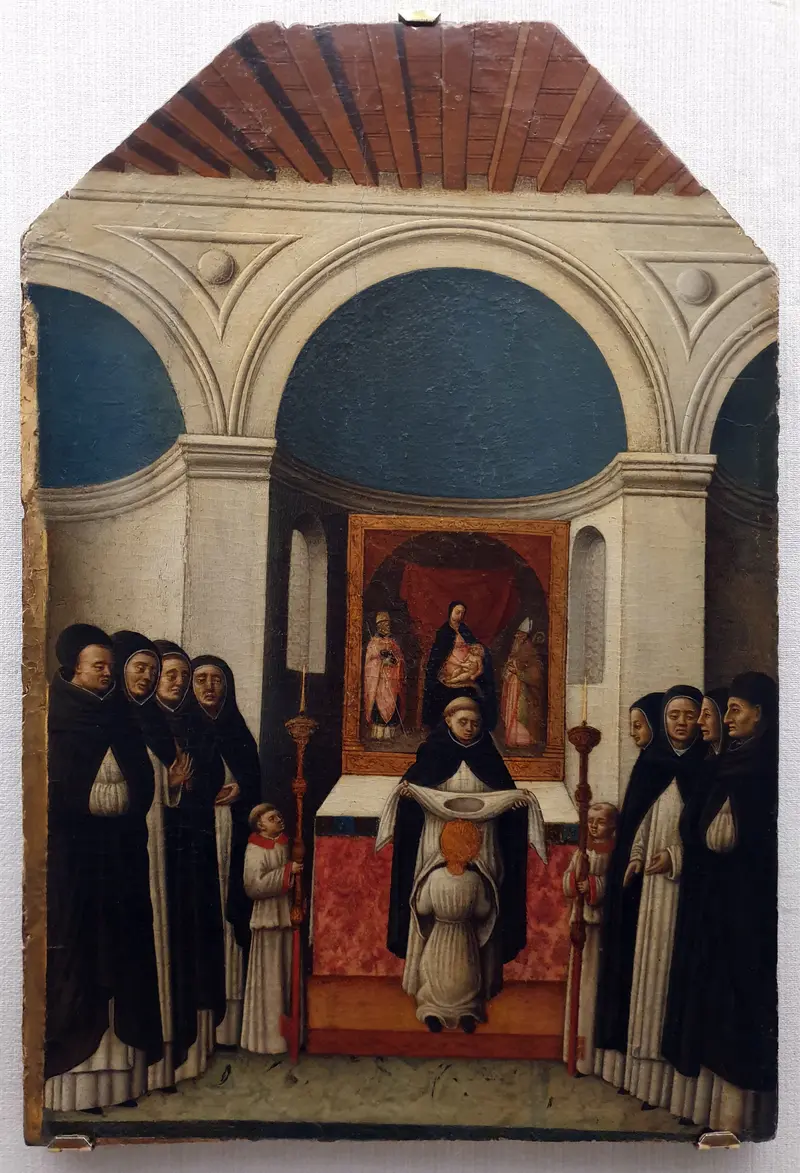
The Saint's Investiture upon His Entry into the Dominican Order
Antonio Vivarini
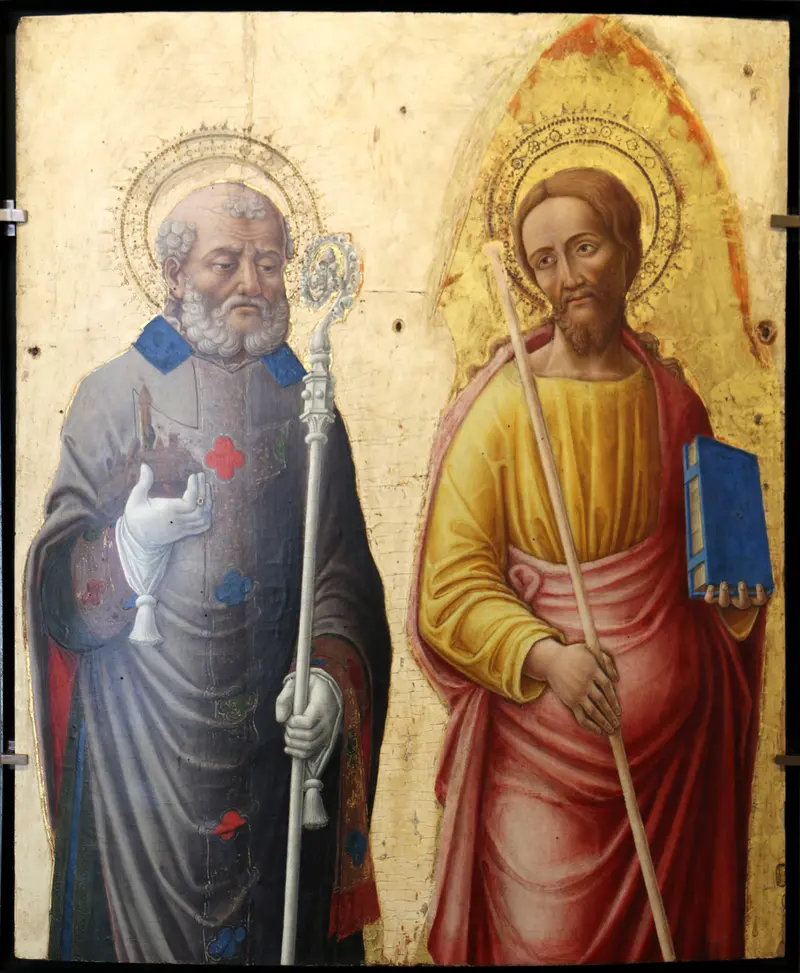
Vivarini saints Pétrone et Jacques
Antonio Vivarini
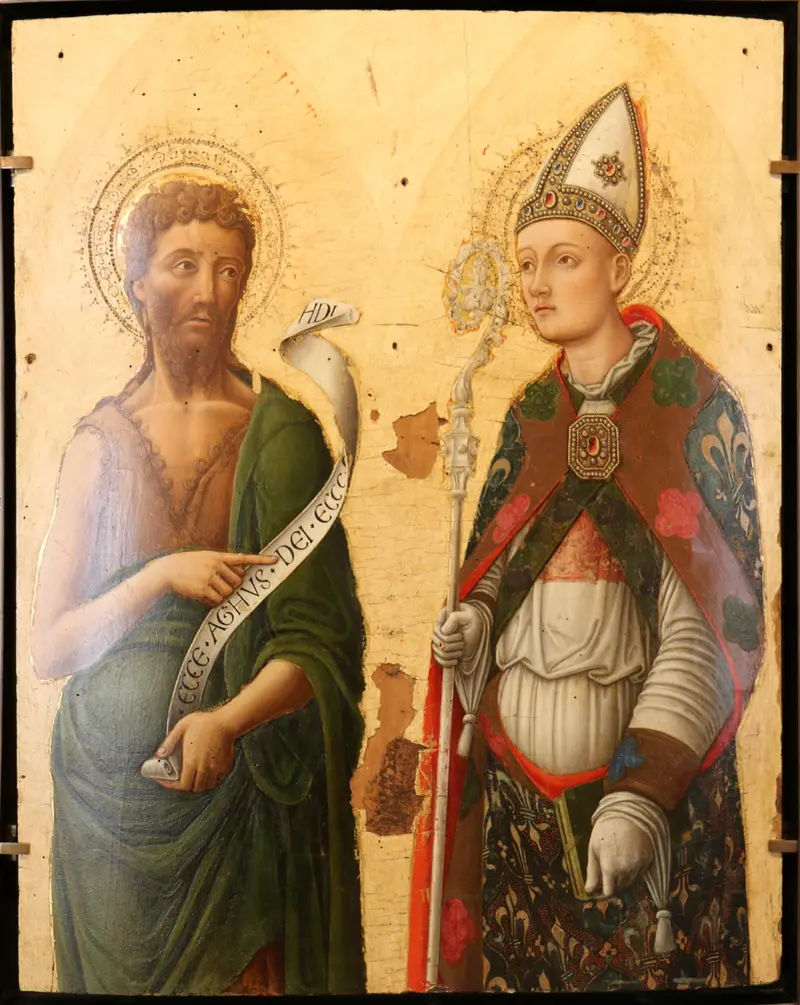
Vivarini Saint Jean Baptiste et saint Louis de Toulouse
Antonio Vivarini
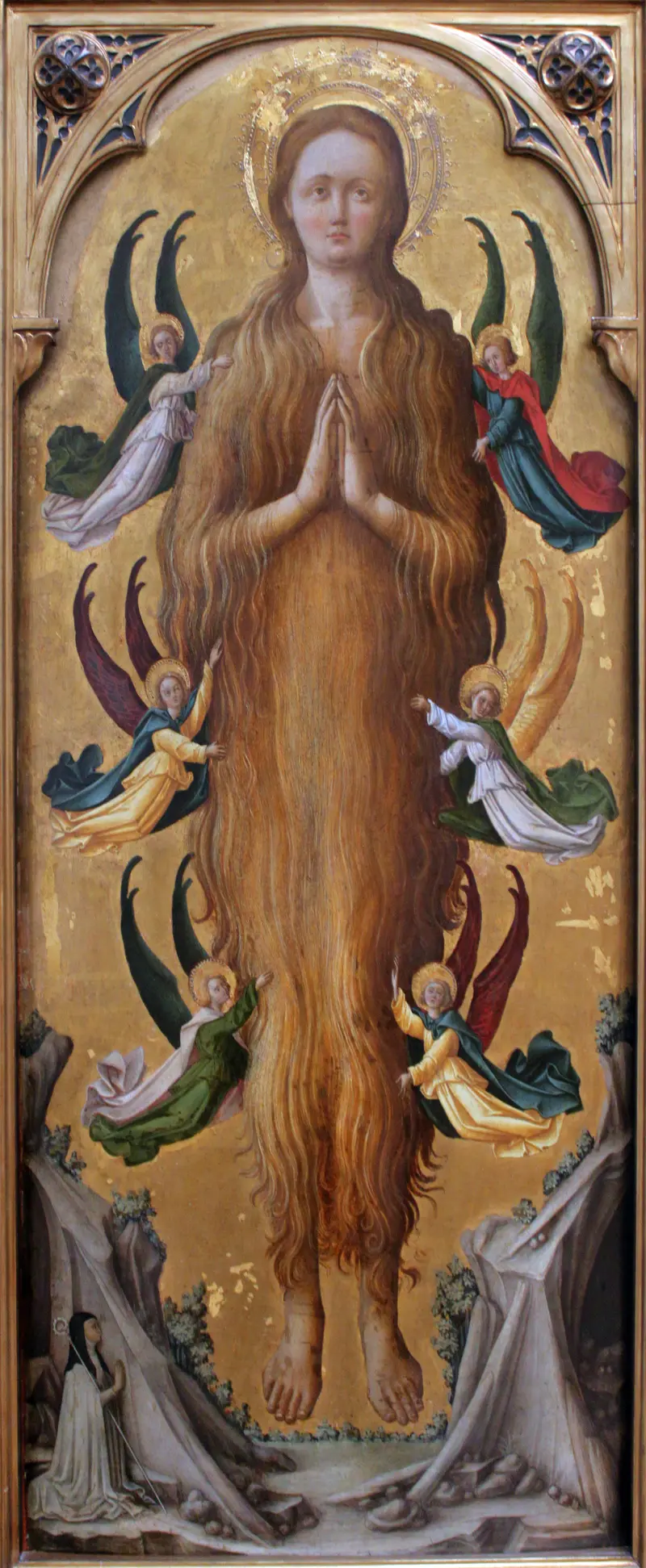
The holy Mary Magdalene, borne aloft by angels
Antonio Vivarini
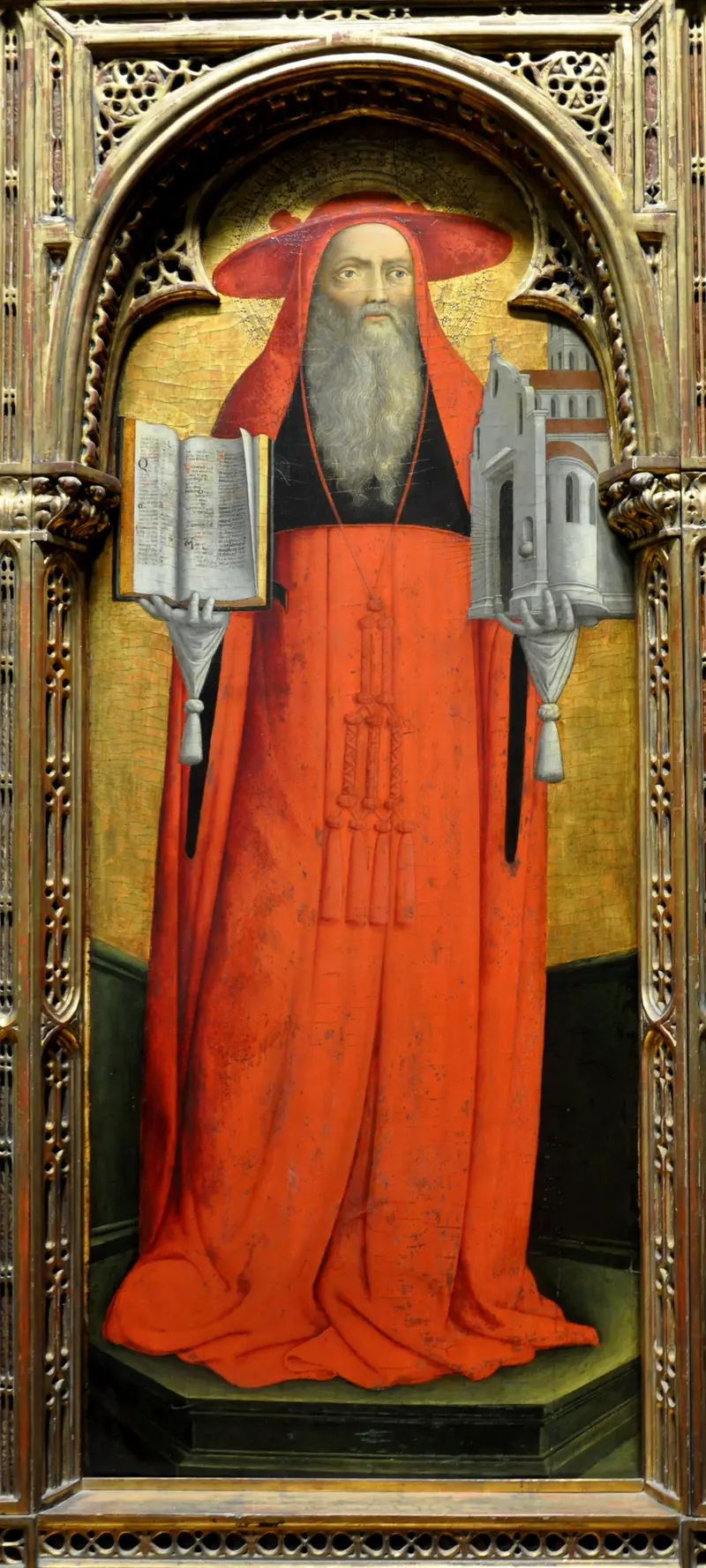
Hieronymus Altar KHM 2
Antonio Vivarini
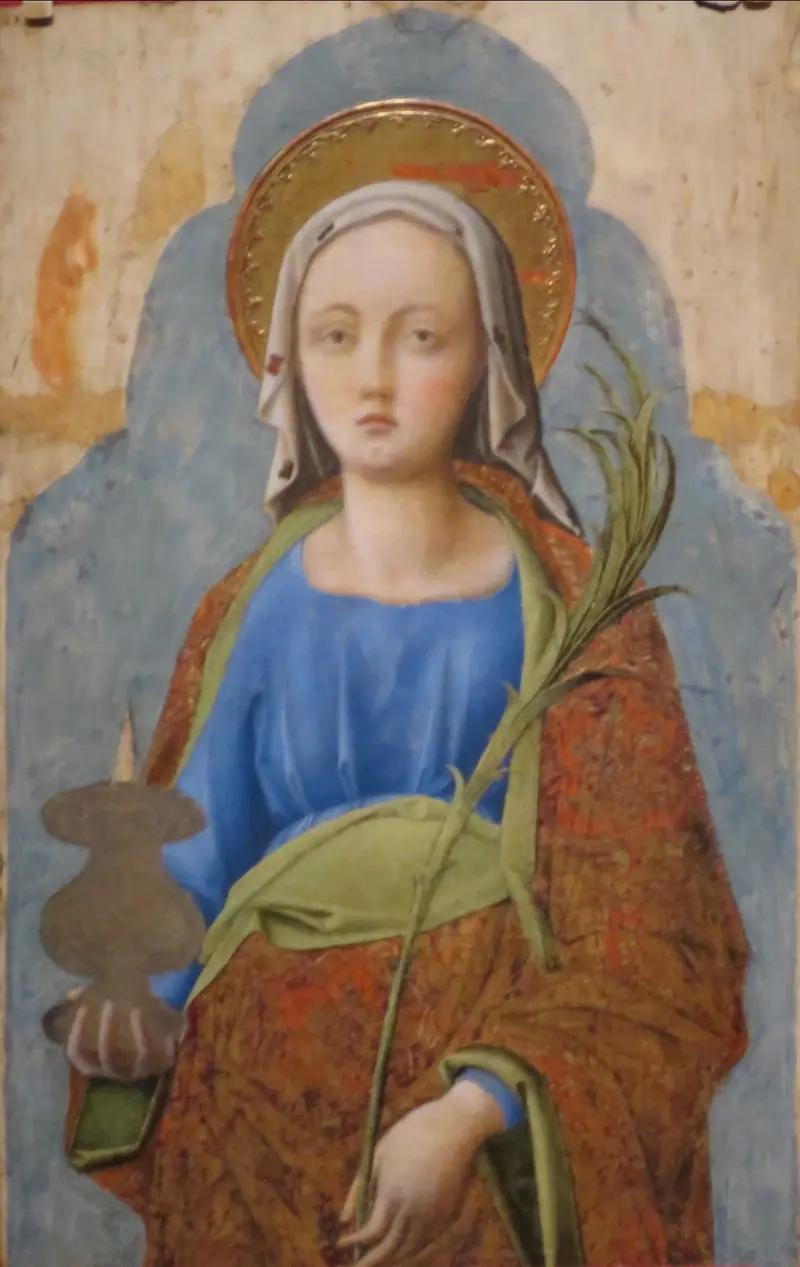
Saint Lucy
Antonio Vivarini





