
Aesop — History & Facts
No one knows with certainty why Diego Velázquez painted Aesop around 1638, but its presence among the so-called "philosophers" in the Buen Retiro Palace suggests a royal fascination with wisdom found in unlikely places. This painting, along with its companion Menippus, was likely commissioned by King Philip IV of Spain, who surrounded himself with images of thinkers and jesters as a subtle commentary on power and folly. The choice of Aesop—a legendary Greek fabulist and former slave—may have been a deliberate nod to the value of wit and humility at the Spanish court.
The painting's subject, a figure from ancient lore rather than a Spanish contemporary, was unusual for Velázquez, who more often depicted real people. Aesop stands before us not as a mythic storyteller but as an aged, weathered man, draped in rough, earth-toned garments and clutching a hefty book. Velázquez captures him mid-thought, his gaze averted, lips pursed, as if he is about to share another fable. The battered book hints at a life of learning, while the plainness of his dress and the darkness surrounding him focus attention on his face and hands—tools of the storyteller.
Unlike earlier depictions, such as those by Jusepe de Ribera, which often exaggerated the philosopher’s poverty, Velázquez grants Aesop a quiet dignity, elevating the humble sage to the status of a courtly philosopher. The painting’s journey is closely tied to the Spanish royal collection, where it has remained since its creation. It was first recorded in the Buen Retiro Palace in the mid-17th century, and later moved to the Prado, where it hangs today. The medium is still debated—some suggest oil on canvas, but no definitive documentation survives.
Aesop marks a turning point in Velázquez’s career, reflecting his mature style and his growing interest in character and psychology over mere likeness. Today, it stands as a testament to both the painter’s skill and the enduring appeal of wisdom in unexpected guises.
More Artworks by Diego Velázquez

Las Meninas
Diego Velázquez
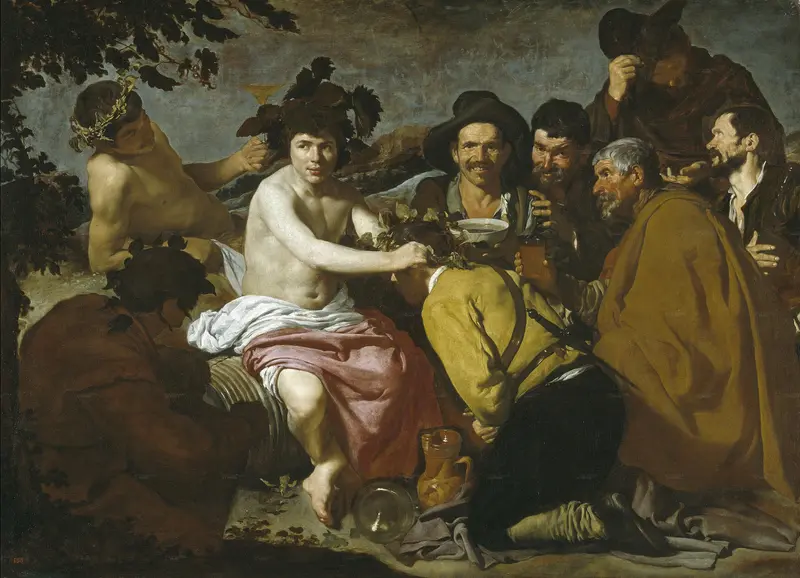
The Triumph of Bacchus
Diego Velázquez
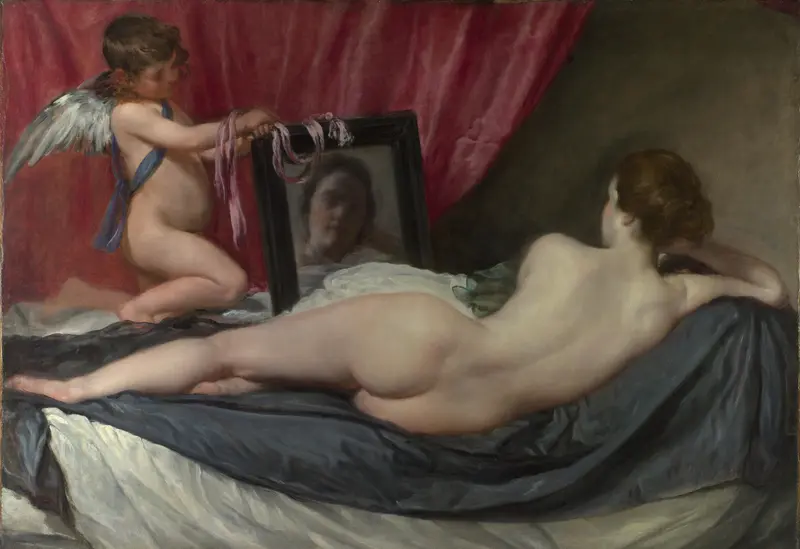
Rokeby Venus
Diego Velázquez
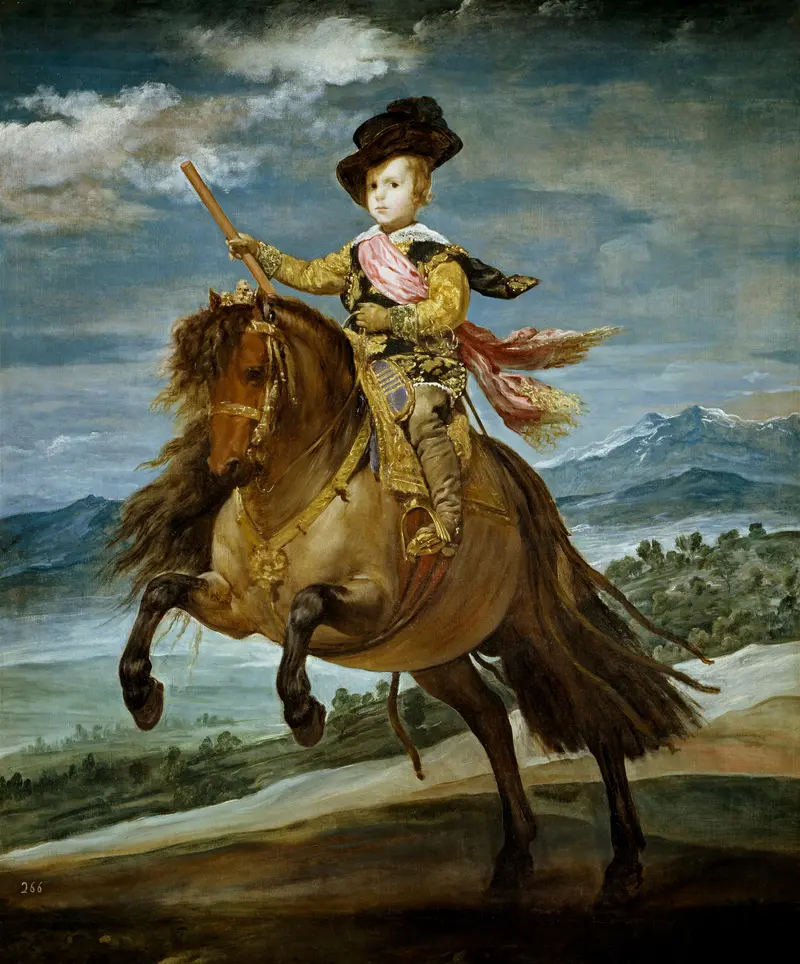
Equestrian Portrait of Prince Balthasar Charles
Diego Velázquez
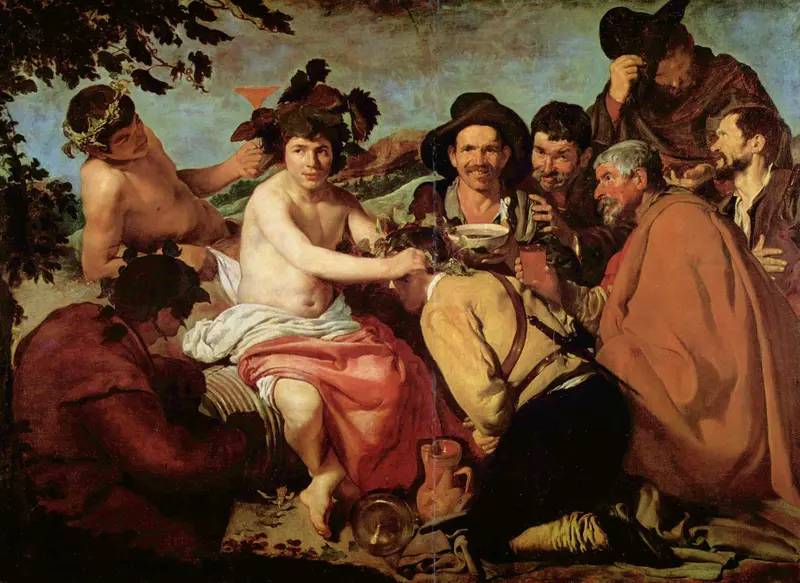
Bacchus
Diego Velázquez
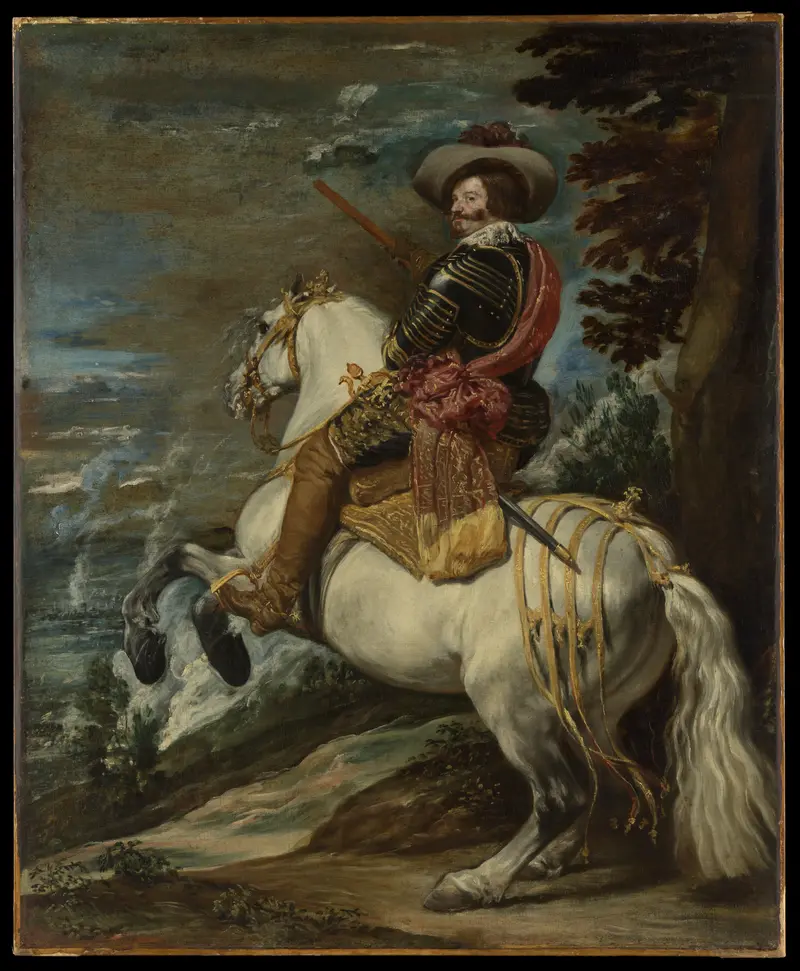
Don Gaspar de Guzmán (1587–1645), Count-Duke of Olivares
Diego Velázquez
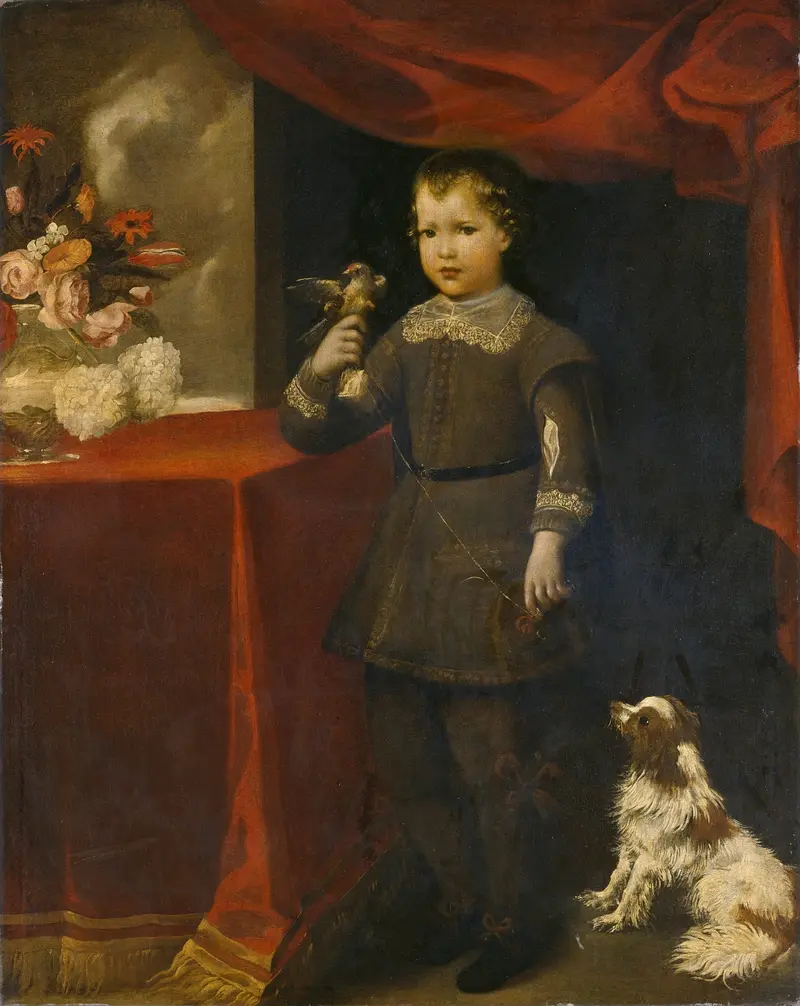
El príncipe Baltasar Carlos de Austria
Diego Velázquez
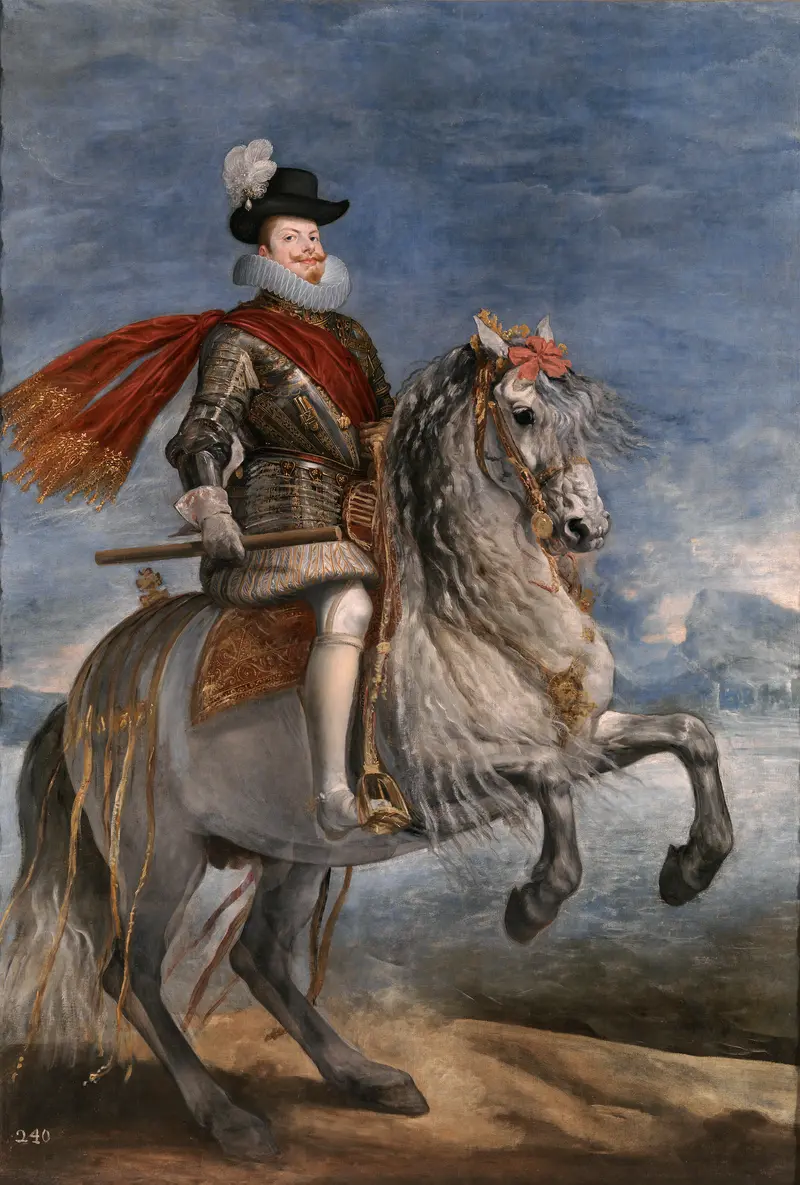
Equestrian Portrait of Philip III
Diego Velázquez
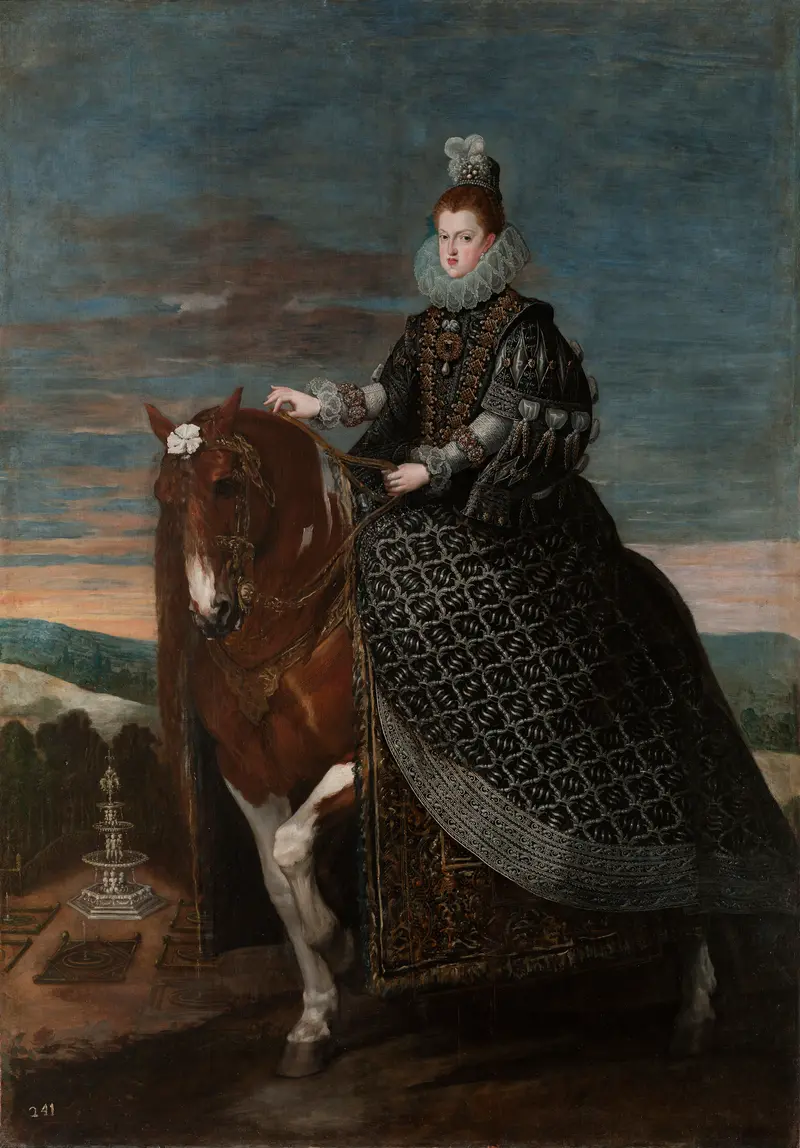
Equestrian Portrait of Margarita of Austria
Diego Velázquez
Las Hilanderas
Diego Velázquez




