After The Flood — History & Facts
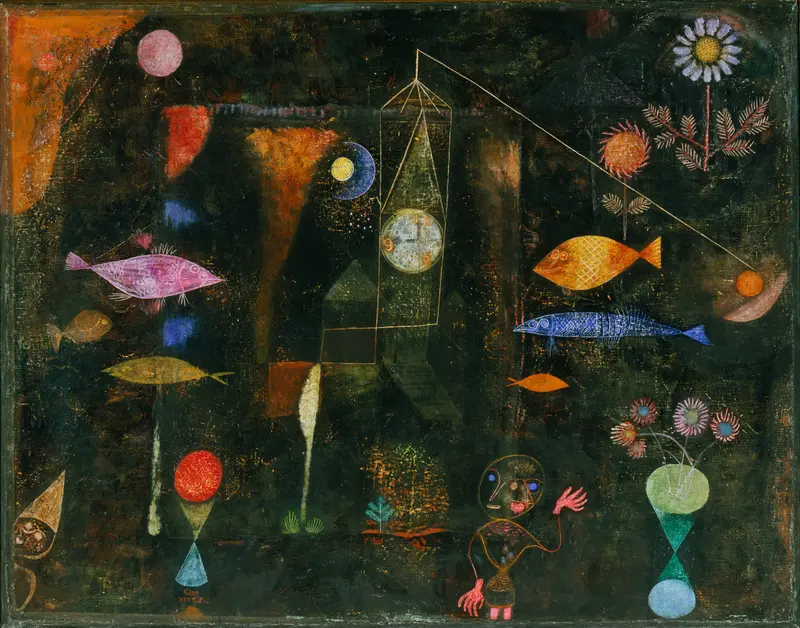
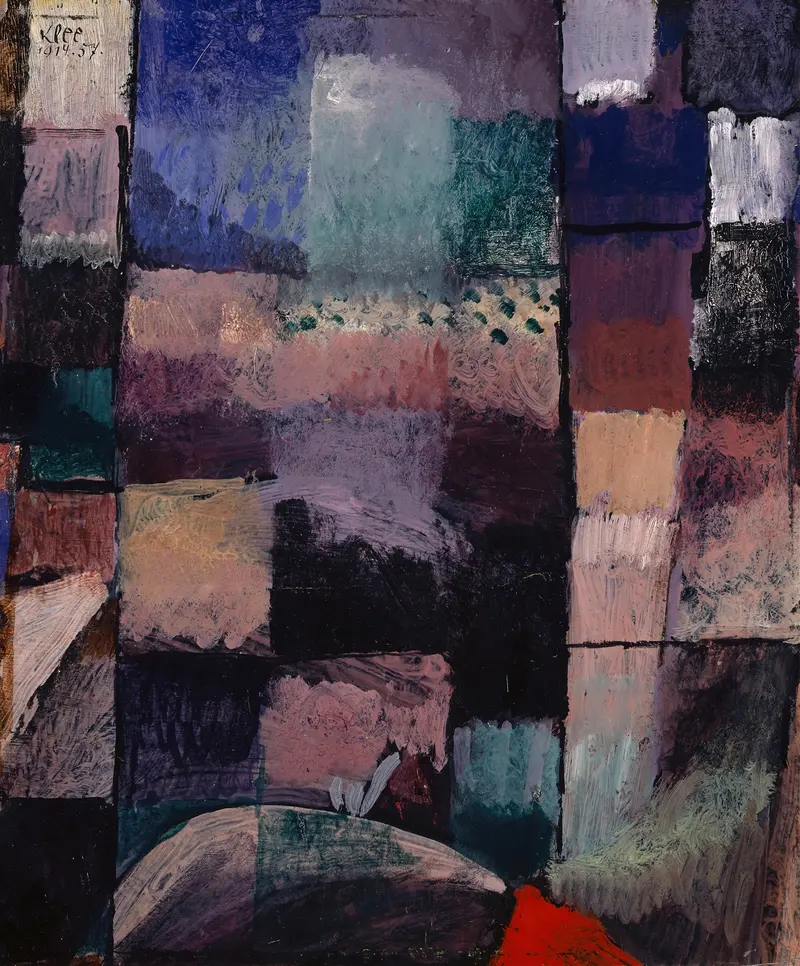
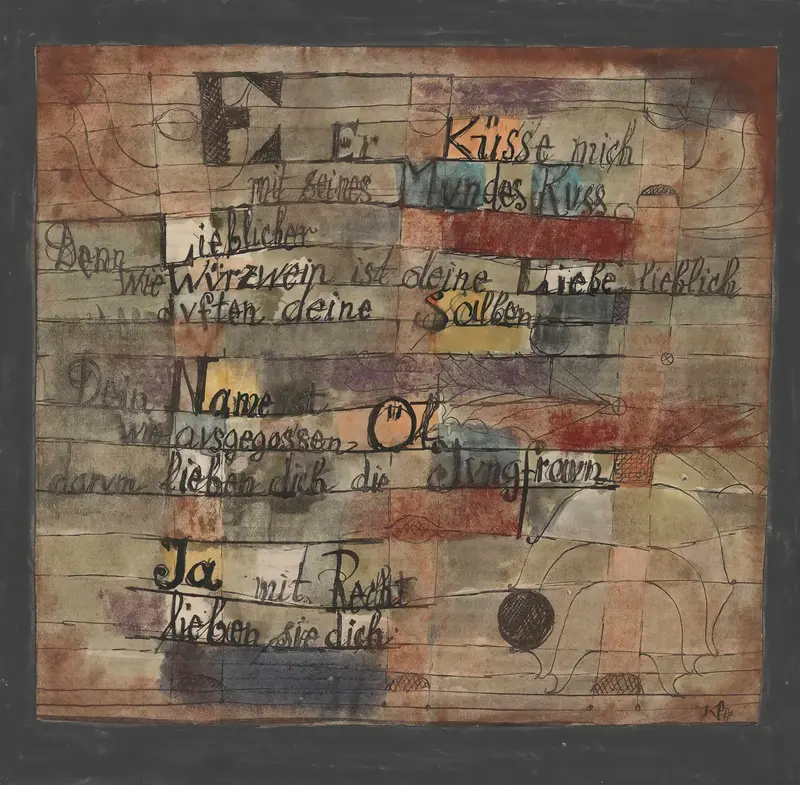
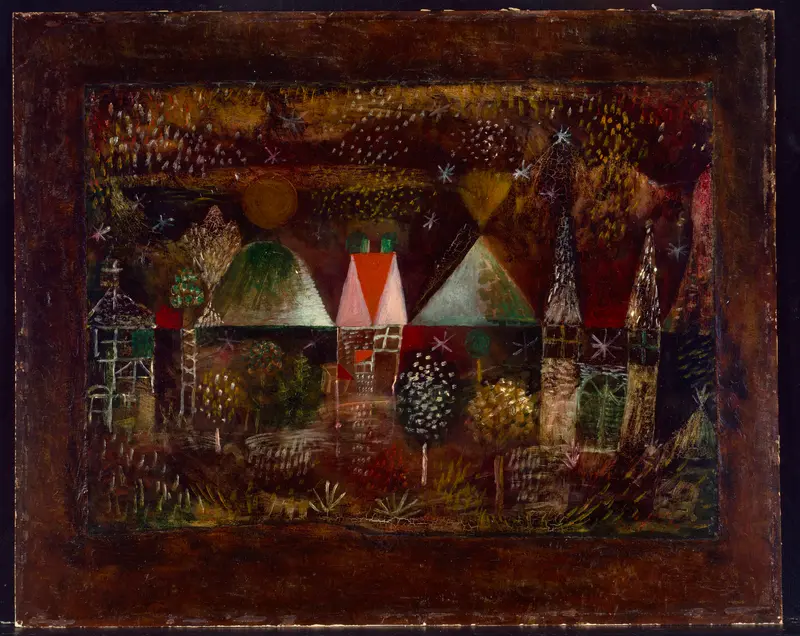
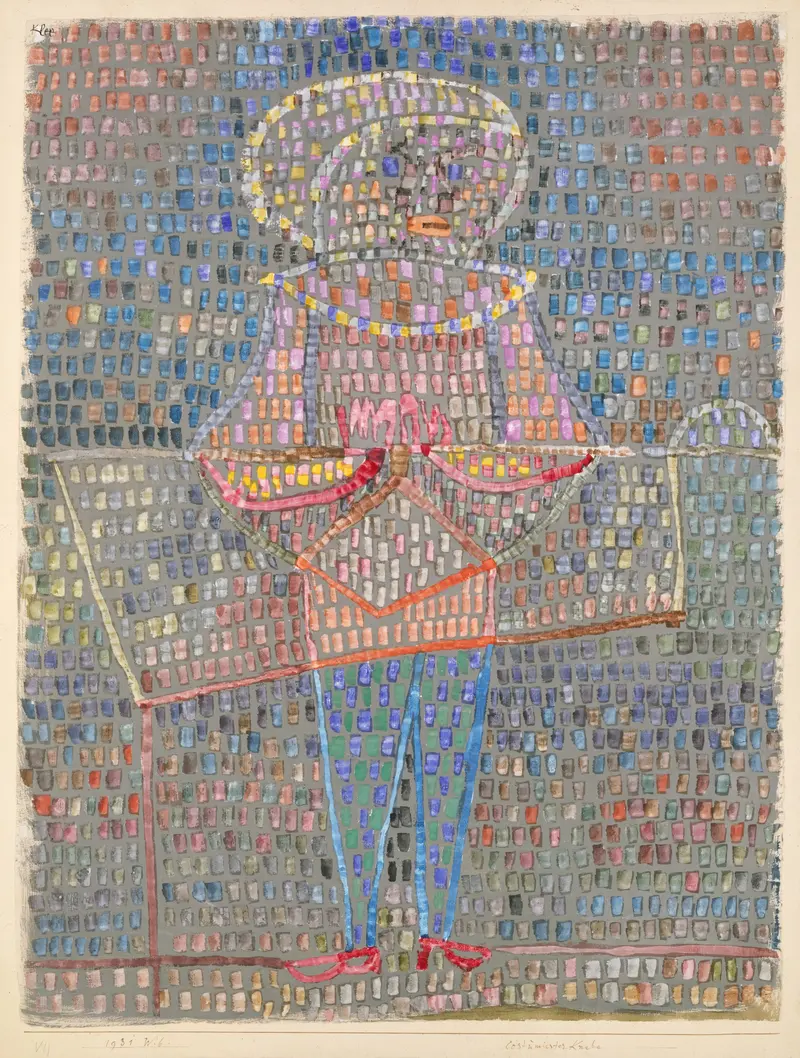
In After The Flood, Paul Klee uses a vibrant palette dominated by blues, greens, and yellows. The composition features abstract forms that suggest a landscape transformed by water. Shapes appear to float and intertwine, creating a sense of movement and fluidity.
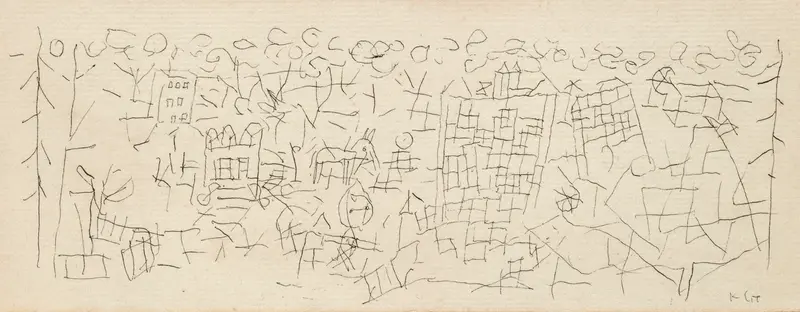
The overall effect is both playful and contemplative, inviting viewers to interpret the scene in their own way. The painting is characterized by Klee's signature use of line and color. He employs a variety of brushstrokes to create texture and depth, enhancing the visual interest of the piece. The abstract nature of the work allows for multiple interpretations, reflecting Klee's interest in the subconscious.
This piece exemplifies the principles of Expressionism, focusing on emotional experience rather than realistic representation. Paul Klee created After The Flood in 1919, a time when he was exploring themes of nature and transformation. This work is part of his broader exploration of color theory and abstraction. Interestingly, Klee often drew inspiration from his dreams and childhood memories, which is evident in the whimsical quality of this painting.
Today, it is housed in the Kunsthaus Zürich, where it continues to captivate audiences.