
Akhtyrka, Pond in the Park — History & Facts
The first thing that catches the eye in Akhtyrka, Pond in the Park is the way the pond itself seems to pulse with color, as if the water were absorbing the wild energy of the landscape around it. The brushwork is loose and rhythmic, giving the trees and sky a sense of movement that feels almost musical. The reflection on the pond is not a perfect mirror, but a mosaic of blues, purples, and greens, broken by lily pads and edged with flashes of yellow.
Light here is not just an effect but a force, drawing the viewer’s gaze to the tangled heart of the scene, where a single tree leans over the water, its crown bursting with dabs of color. The palette is bold, the forms simplified, and the whole composition hums with a quiet tension between nature’s chaos and the painter’s control. Painted in 1917, this work belongs to a period when Wassily Kandinsky was deeply engaged with the expressive possibilities of color and form, moving away from strict representation and toward abstraction. Landscapes like this one were not simply records of place but invitations to experience the world through heightened senses—a hallmark of early twentieth-century experimentation.
In Russia, artists were searching for new ways to capture both the spirit of their homeland and the inner life of the mind. While little is recorded about the specific history of this painting, its presence in the Google Art & Culture collection allows it to stand as a vivid example of a world in artistic upheaval, where the boundaries between reality and imagination were being redrawn. Let your eyes wander the surface; every brushstroke has a story to tell.
More Artworks by Wassily Kandinsky

Improvisation 35
Wassily Kandinsky
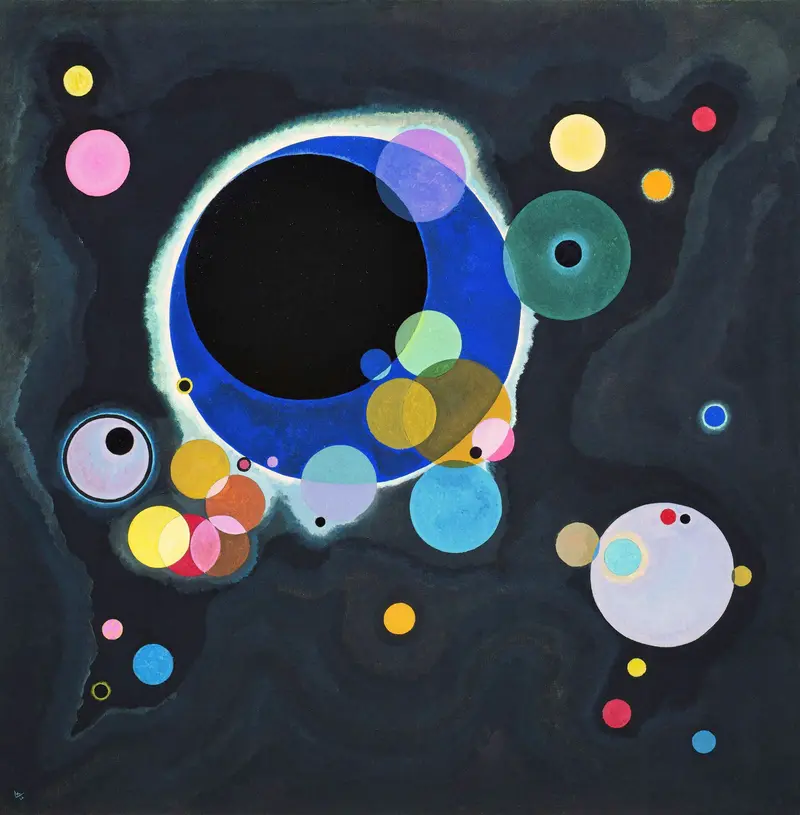
Several Circles
Wassily Kandinsky
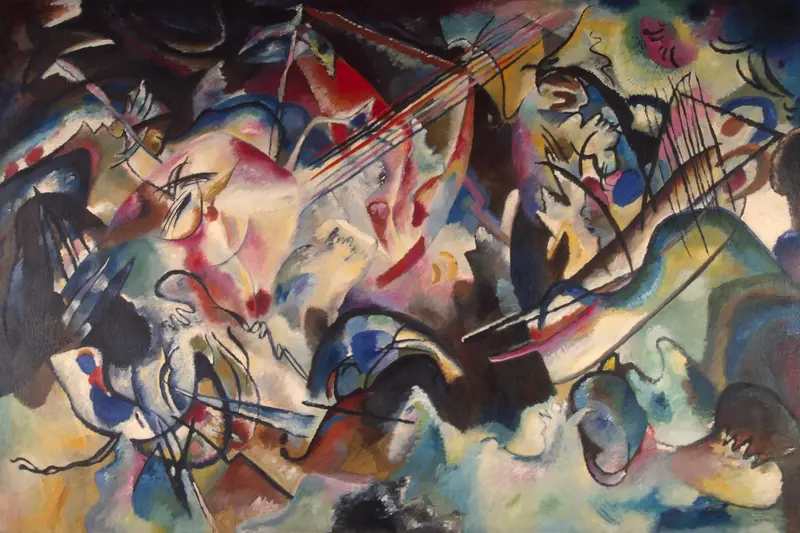
Composition VI
Wassily Kandinsky
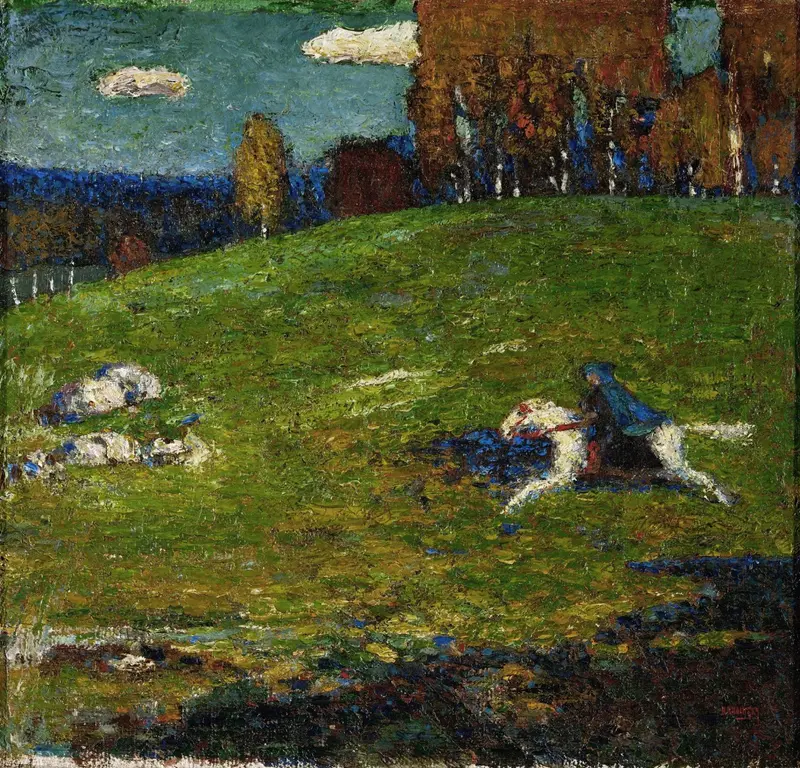
The Blue Rider
Wassily Kandinsky

Murnau
Wassily Kandinsky
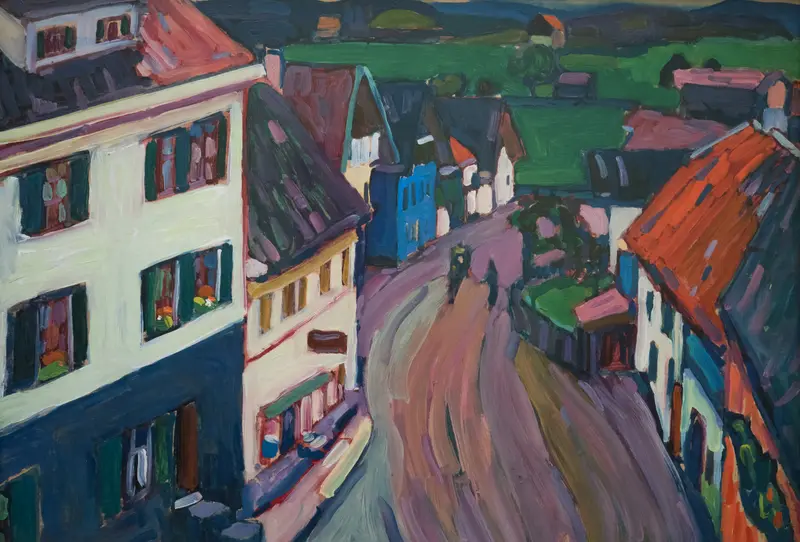
Murnau – View from the window of the Griesbräu
Wassily Kandinsky
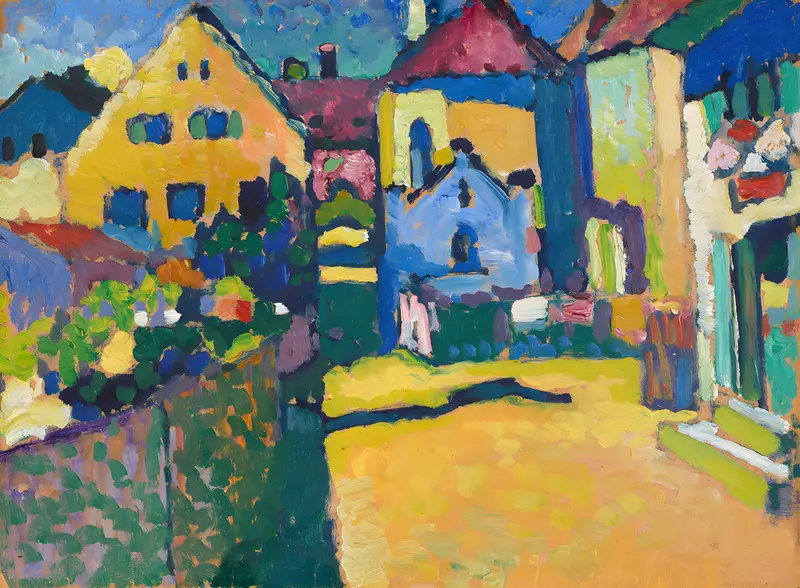
Green Lane in Murnau
Wassily Kandinsky
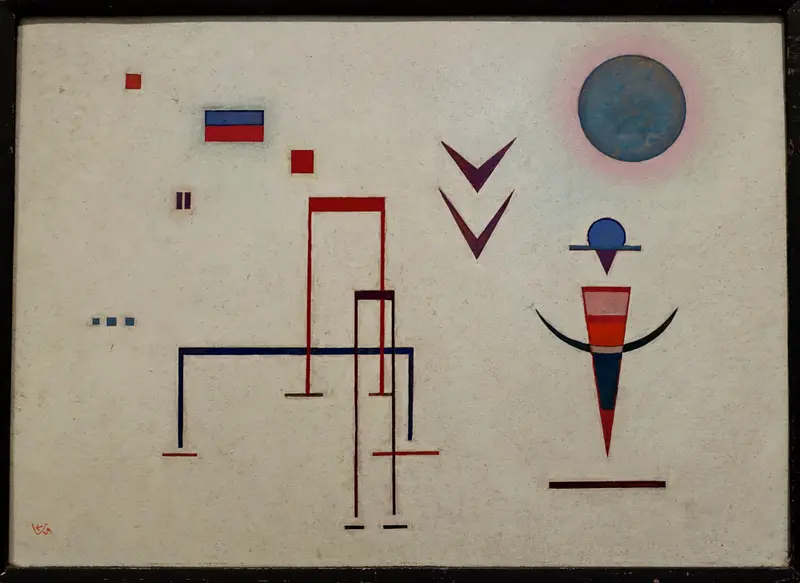
Jocular Sounds
Wassily Kandinsky

Zubovsky Platz
Wassily Kandinsky

Landscape with a yellow field
Wassily Kandinsky
More Landscape Art

The Starry Night
Vincent van Gogh

View of Delft
Johannes Vermeer

Water Lilies
Claude Monet

The Grand Canal, Venice, looking north-west from the Ca' Corner to the Ca' Contarini degli Scrigni, with the campanile of Santa Maria della Carità
Canaletto

Windsor Castle
Canaletto

The Grand Canal looking North-East from the Palazzo Dolfin-Manin to the Rialto Bridge
Canaletto