
Allegorie der vier Elemente — History & Facts
What first seizes the eye in Allegorie der vier Elemente is the vivid, almost theatrical gathering of personified forces—each figure brimming with the power of their element, yet caught in a moment of uneasy alliance. The composition draws you in with a sweep of flesh, fabric, and symbolic objects: the woman crowned with fruit and grain, the laurel-crowned nude gesturing with authority, the golden-haired figure clutching a peacock, and the muscular man turning away as smoke billows from the horn at his side. Every gesture and detail is a clue—see how the cornucopia spills its bounty, how the fish and water lap at the feet, how the thunderbolts and peacock feathers bristle with energy.
The palette is rich and warm, the brushwork lively, inviting you to decode the ancient puzzle of earth, air, fire, and water in human form. This painting belongs to the flourishing of allegorical art in the first half of the seventeenth century, when artists like Abraham Janssens responded to a learned audience hungry for visual riddles and mythological grandeur. Such works were often destined for the homes of wealthy merchants or civic halls, where they proclaimed both knowledge and taste. The date—mid-1600s—places it squarely in the Baroque, when Antwerp painters competed to dazzle with color, flesh, and learned allusion.
While little is recorded about this specific canvas’s journey, its survival in a modern collection is a reminder of how these allegories, once so familiar, now challenge us to look longer and think harder about the stories pictures can tell.
More Artworks by Abraham Janssens

Jupiter Rebuked by Venus
Abraham Janssens
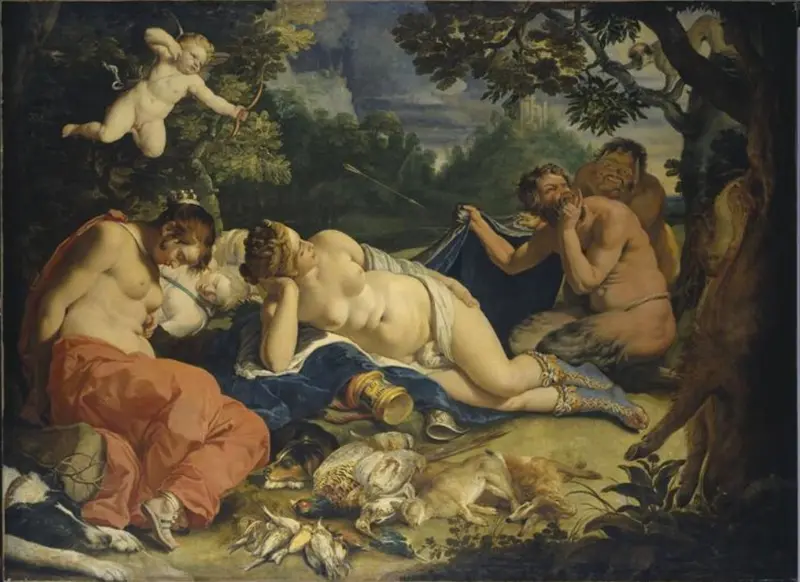
Diana and her nymphs spied on by satyrs
Abraham Janssens

Die Erweckung des Lazarus 153 Bavarian State Painting Collections
Abraham Janssens
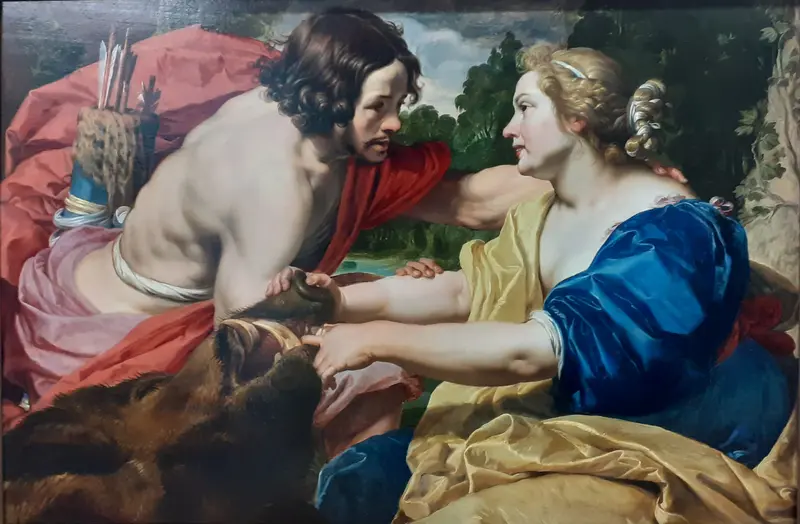
Meleager presents the head of the Calydonian Boar to Atalanta
Abraham Janssens
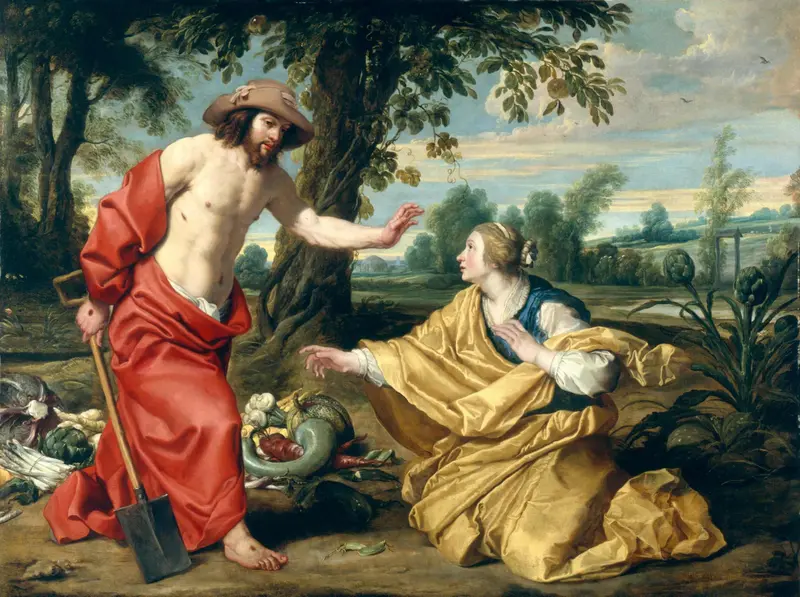
Noli me Tangere
Abraham Janssens
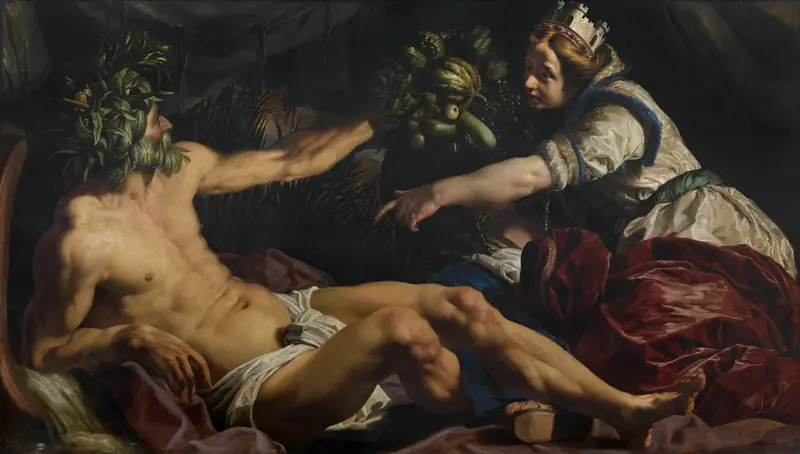
Scaldis and Antverpia
Abraham Janssens
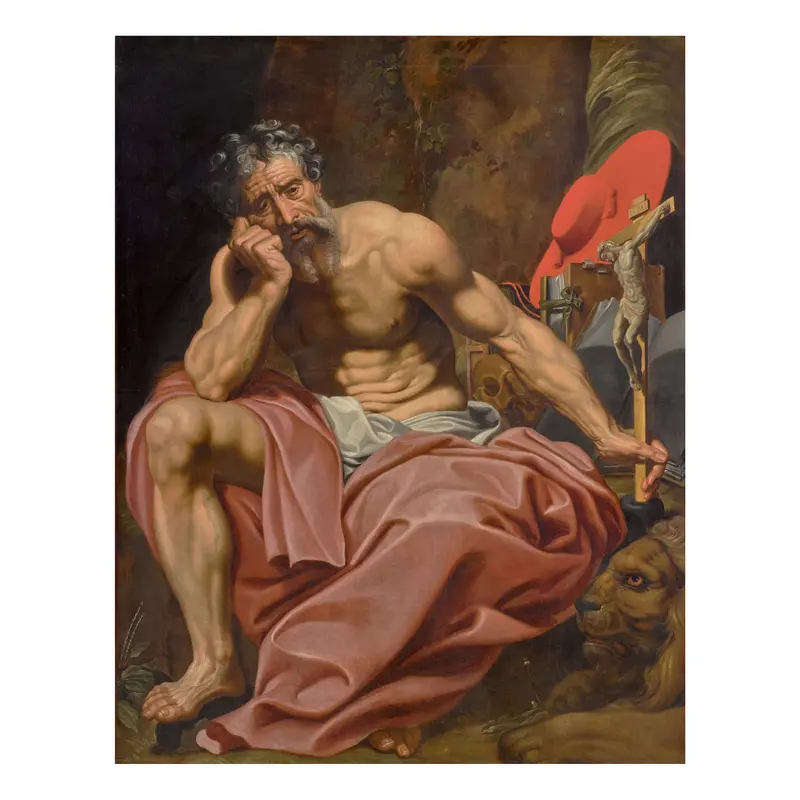
Saint Jerome
Abraham Janssens
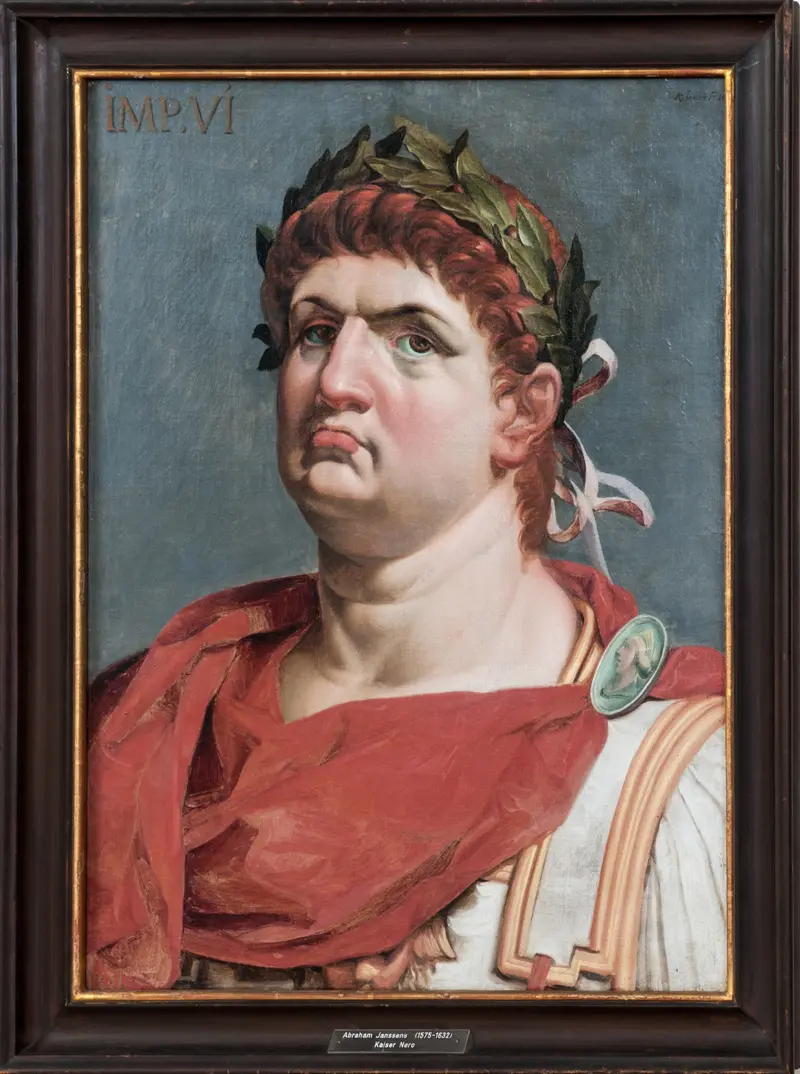
Nero
Abraham Janssens
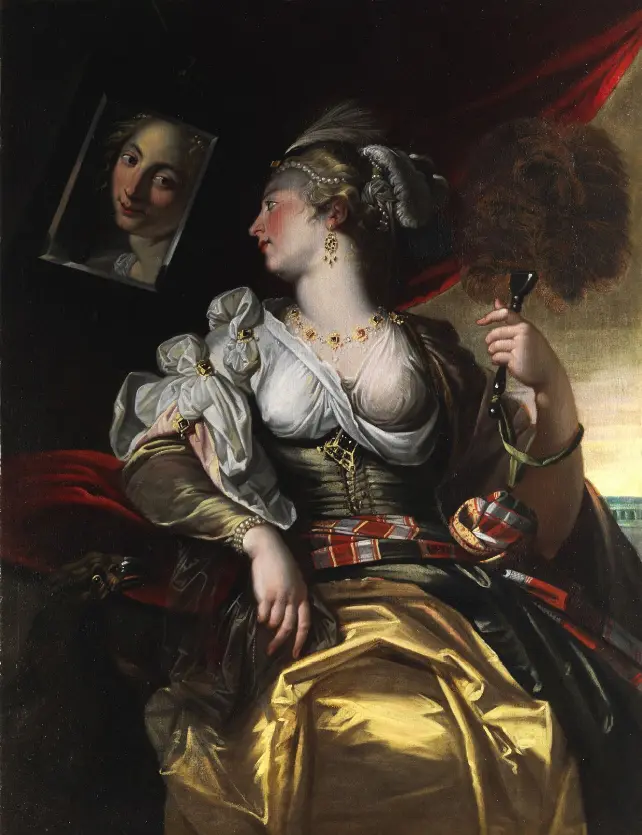
The Face
Abraham Janssens
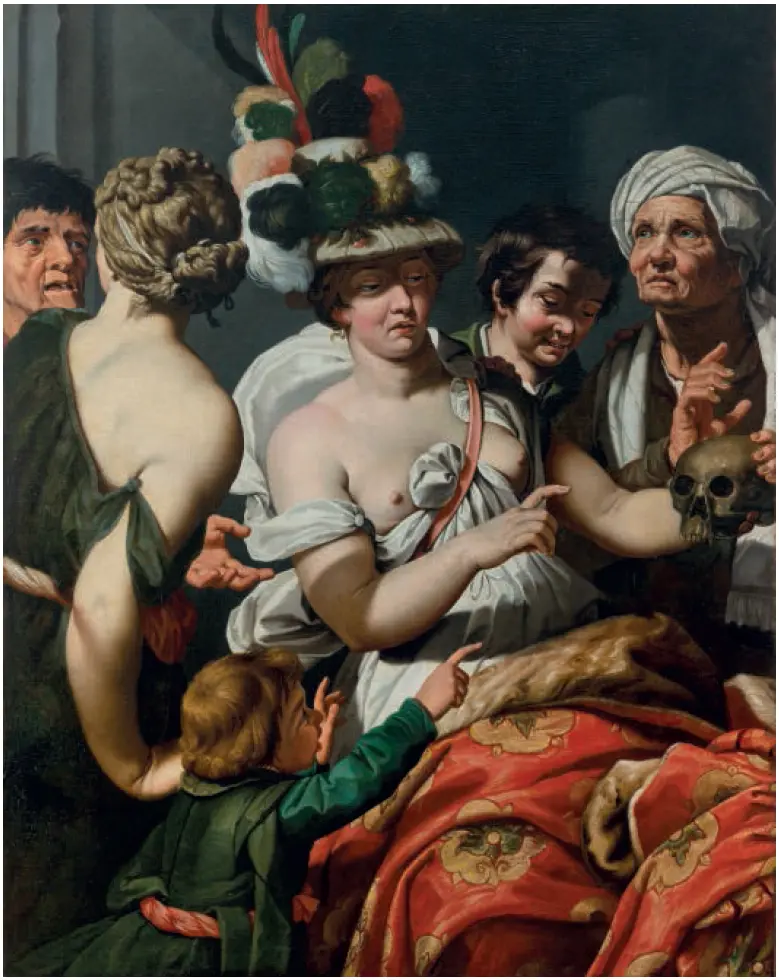
Vanitas
Abraham Janssens





