
The Face — History & Facts
A woman turns toward her own reflection, her gaze caught by the mirror’s mischievous smile—a face within a face, drawing the viewer into a game of perception. The sweep of her golden skirt and the opulent folds of her sleeves are set ablaze by a shaft of light, while the deep red drapery behind her frames the scene with theatrical flair. Every detail is a clue: the ostrich feather she holds aloft, the elaborate jewelry at her throat, and the tightly laced bodice all speak of display and self-awareness.
The mirror is not simply an object here; it is a silent accomplice, inviting us to question where reality ends and illusion begins. Works like The Face by Abraham Janssens belong to a world fascinated by allegory and the senses, a tradition flourishing in the late 16th and 17th centuries. The source notes that this painting was likely part of a series on the five senses—a popular subject among collectors eager to showcase wit and learning in their homes. Artists of this era reveled in puzzles and personifications, weaving together luxury, vanity, and the pleasures of sight into a single frame.
Though the details of this specific painting’s journey are lost to time, its presence in a modern collection is a reminder of how the old questions—about seeing, being seen, and seeing oneself—never quite leave us. Let your eyes linger on the mirror’s secret, and consider what it reveals.
More Artworks by Abraham Janssens

Jupiter Rebuked by Venus
Abraham Janssens
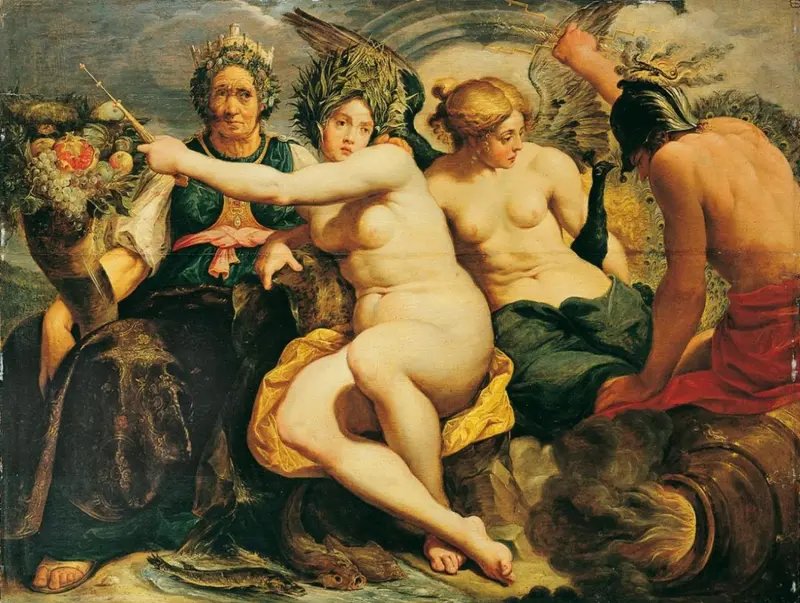
Allegorie der vier Elemente
Abraham Janssens
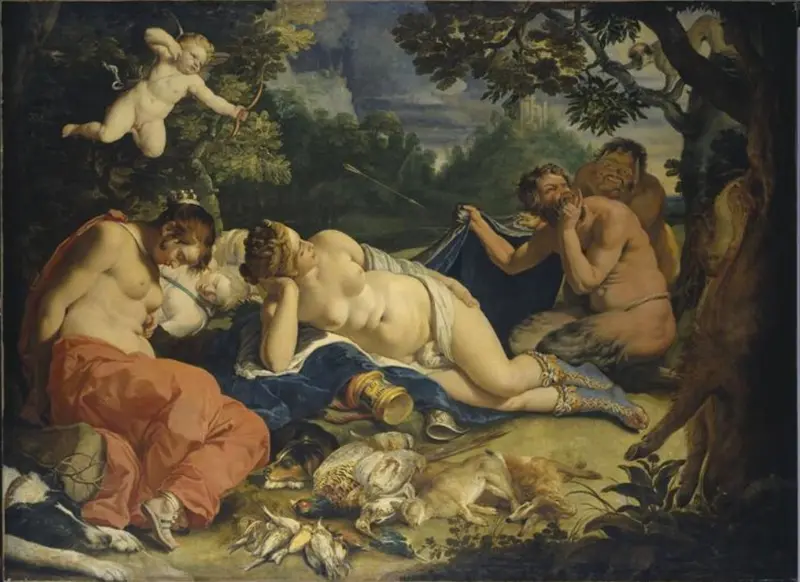
Diana and her nymphs spied on by satyrs
Abraham Janssens

Die Erweckung des Lazarus 153 Bavarian State Painting Collections
Abraham Janssens
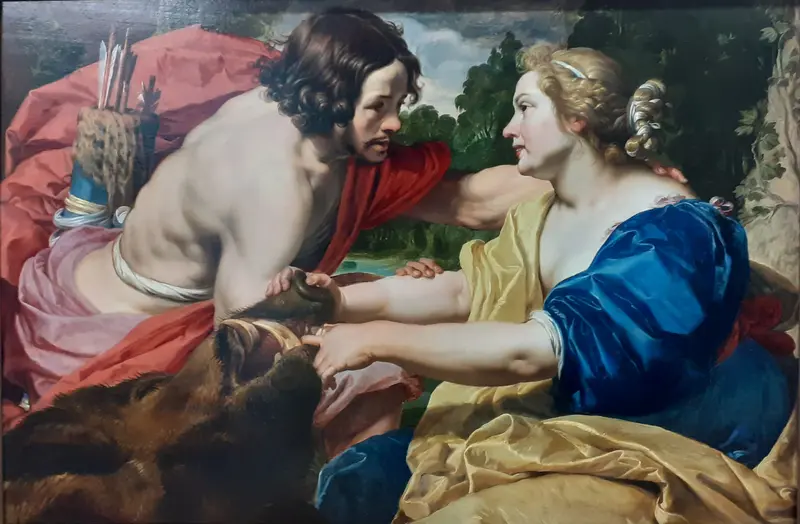
Meleager presents the head of the Calydonian Boar to Atalanta
Abraham Janssens
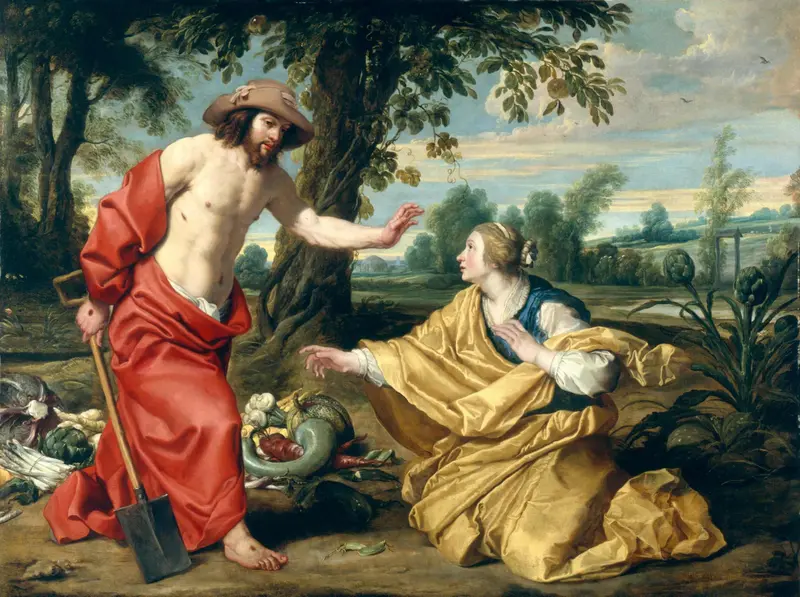
Noli me Tangere
Abraham Janssens
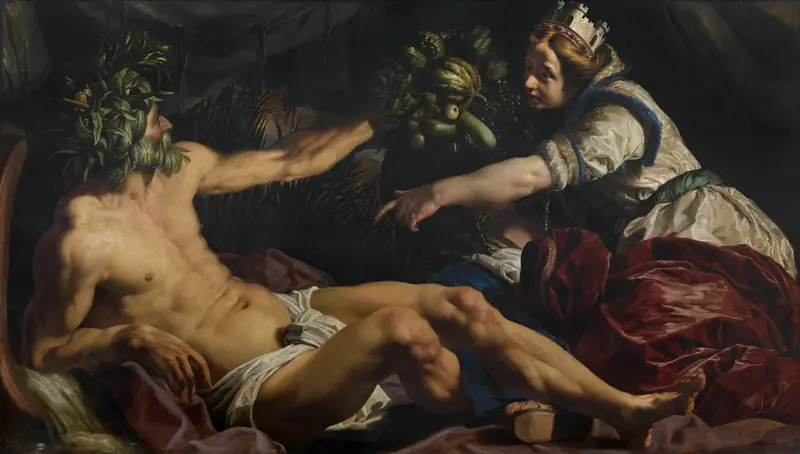
Scaldis and Antverpia
Abraham Janssens
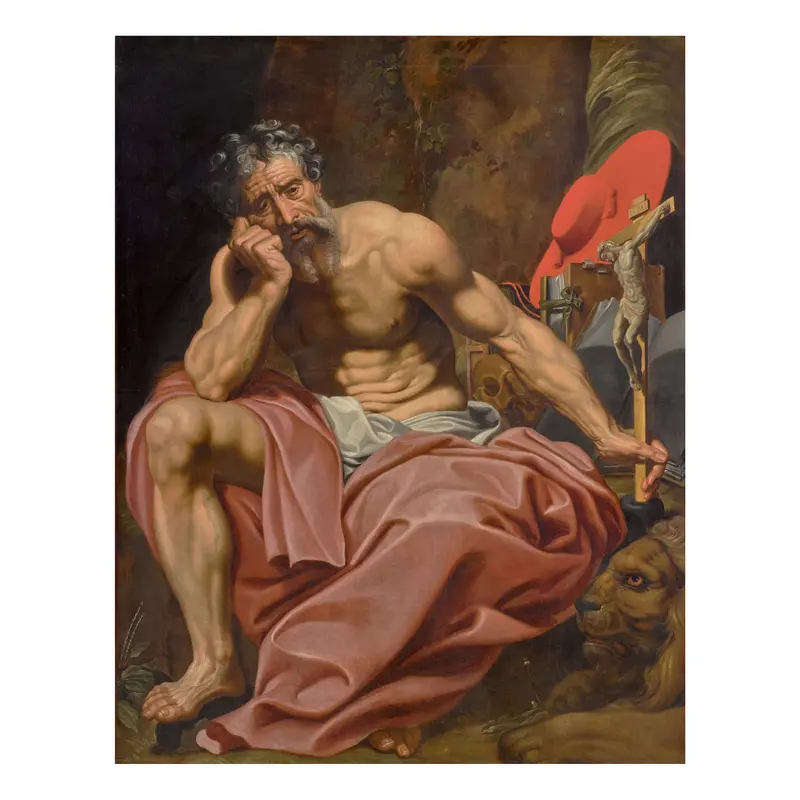
Saint Jerome
Abraham Janssens
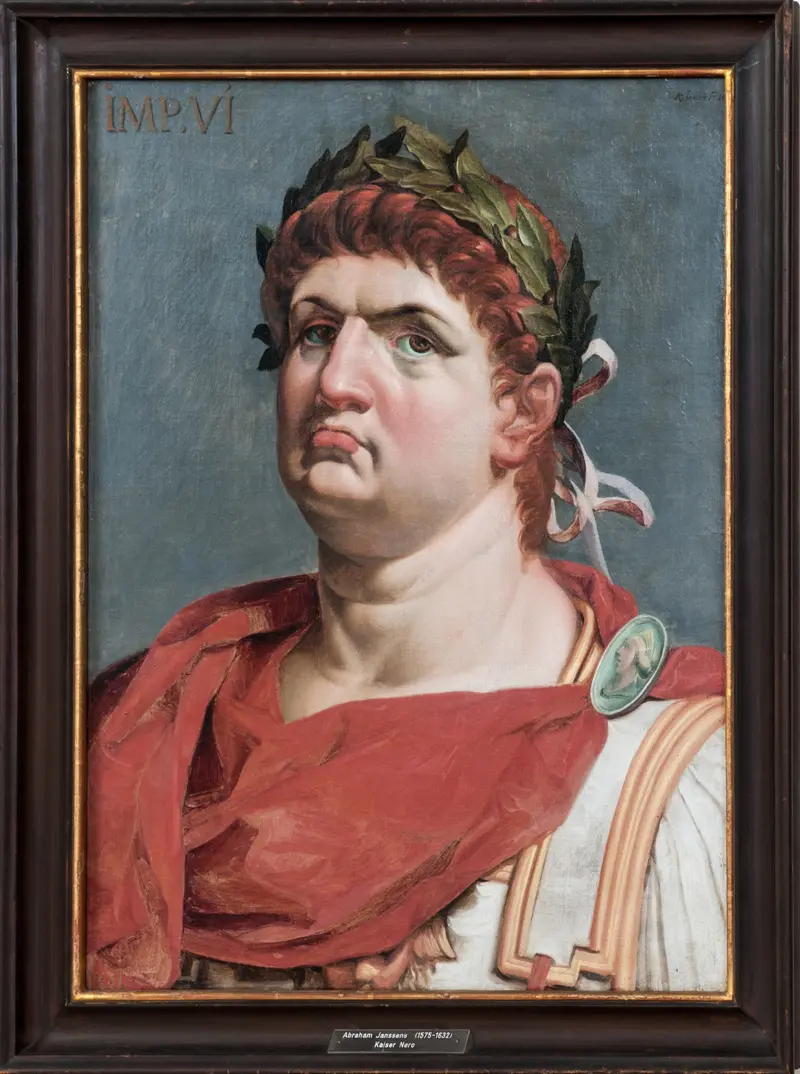
Nero
Abraham Janssens
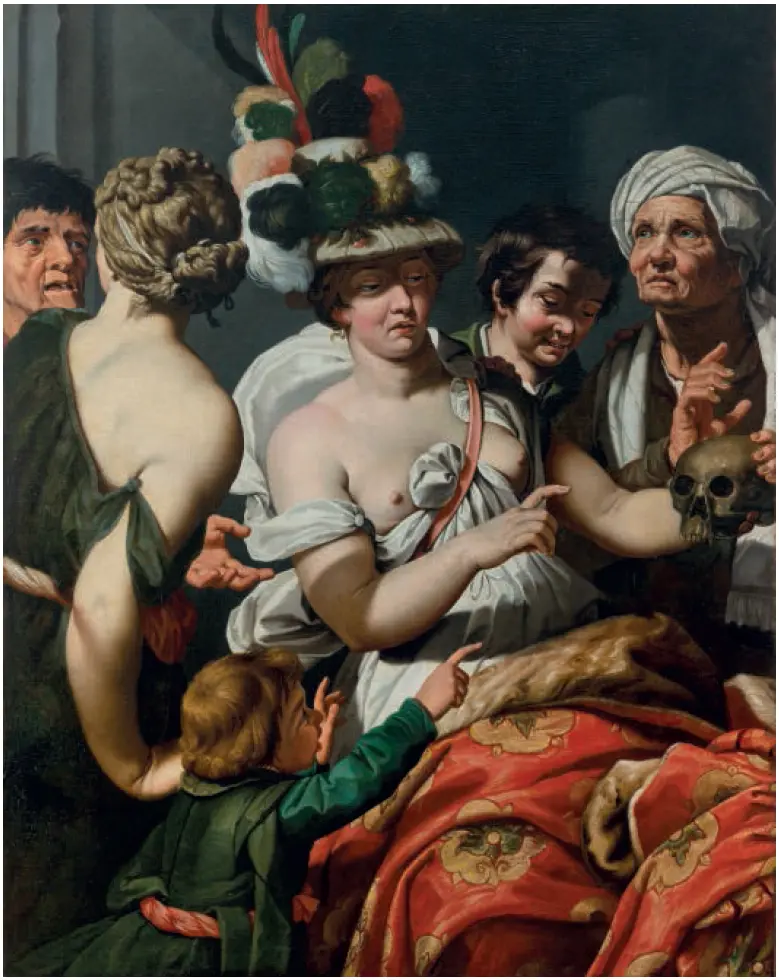
Vanitas
Abraham Janssens





