
Die Erweckung des Lazarus 153 Bavarian State Painting Collections — History & Facts
The first thing that seizes the viewer in Die Erweckung des Lazarus is the jolt of motion at its heart: a man, half-risen from the grave, recoiling in disbelief as life floods back into his limbs. The painter, Abraham Janssens, has chosen the instant when the boundary between death and life is thinnest—every figure in the scene reacts differently to the miracle. The gestures are urgent and almost theatrical: Lazarus’s outstretched arm, the supporting hands of those around him, the backward glance of a bystander whose face is twisted with awe.
Light pours in from the right, illuminating Christ’s calm, commanding presence, and falls in sharp contrast on the pale, exposed body of Lazarus, making the supernatural event feel immediate and physical. This painting, created in 1607, belongs to a world where biblical stories were not just lessons but living dramas, staged for the eyes and souls of viewers. In the early seventeenth century, artists like Janssens—working in the orbit of Antwerp’s flourishing art scene—were called upon to make the mysteries of faith visible and gripping. Paintings of miracles such as this were often commissioned by churches or wealthy patrons eager to display both their piety and their taste for the latest in artistic innovation.
Today, Die Erweckung des Lazarus resides in the Bavarian State Painting Collections, a testament to the enduring power of these baroque visions. The viewer is left to wonder: how would you respond, caught in the moment when the impossible becomes real?
More Artworks by Abraham Janssens

Jupiter Rebuked by Venus
Abraham Janssens
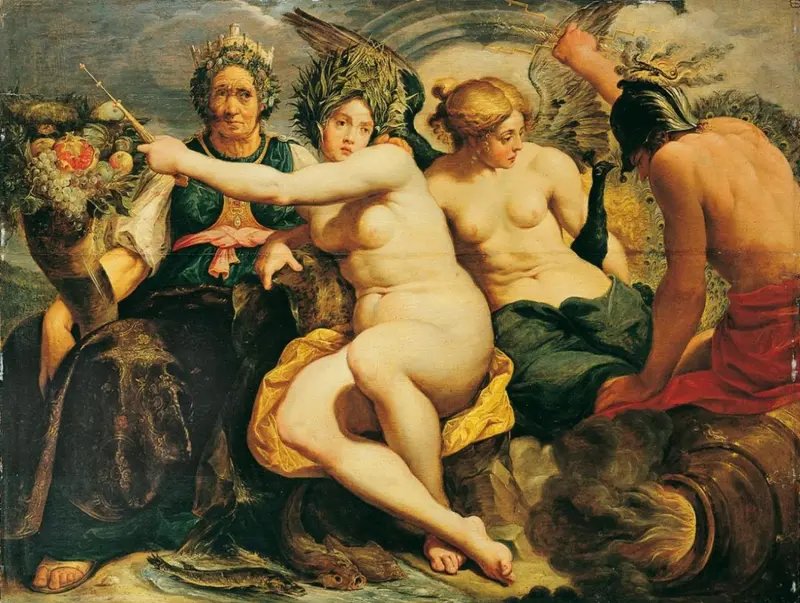
Allegorie der vier Elemente
Abraham Janssens
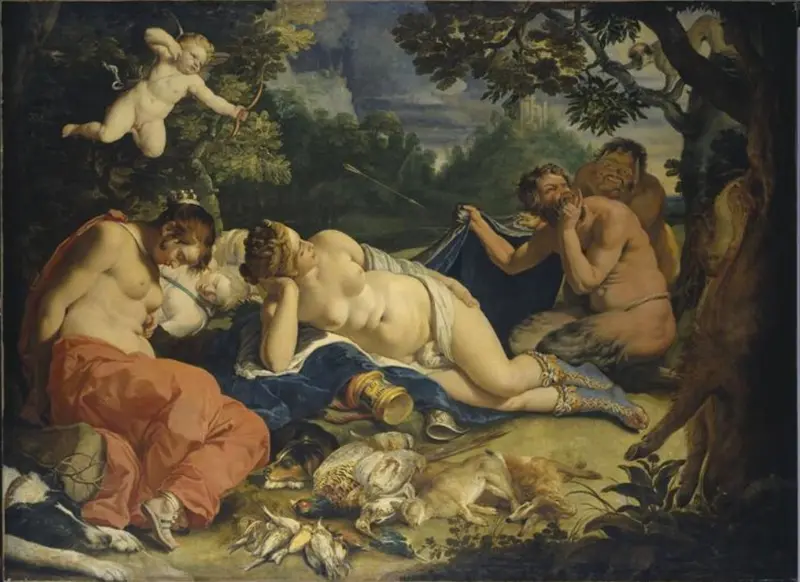
Diana and her nymphs spied on by satyrs
Abraham Janssens
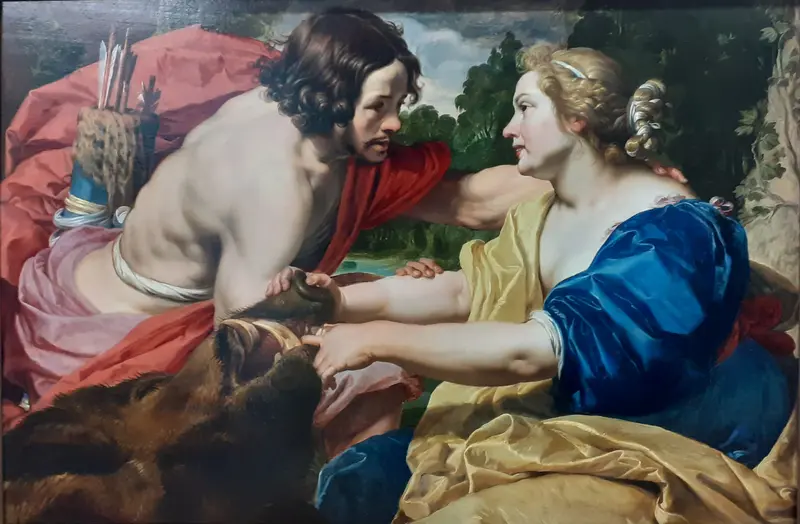
Meleager presents the head of the Calydonian Boar to Atalanta
Abraham Janssens
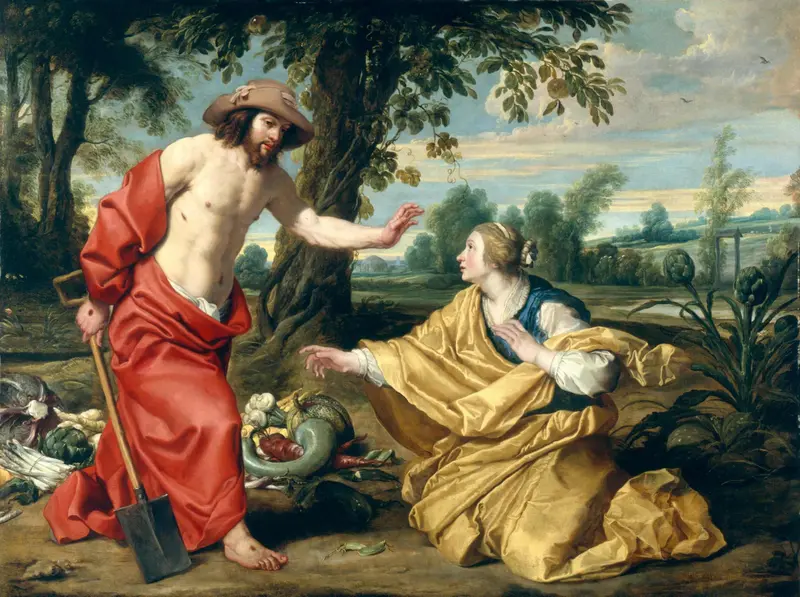
Noli me Tangere
Abraham Janssens
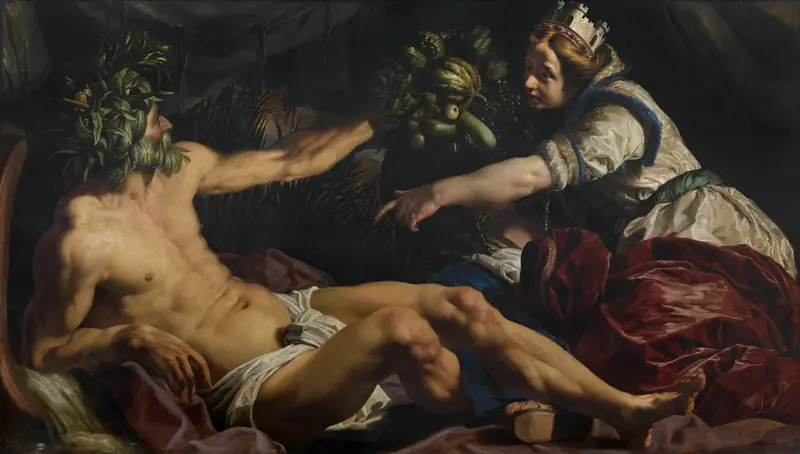
Scaldis and Antverpia
Abraham Janssens
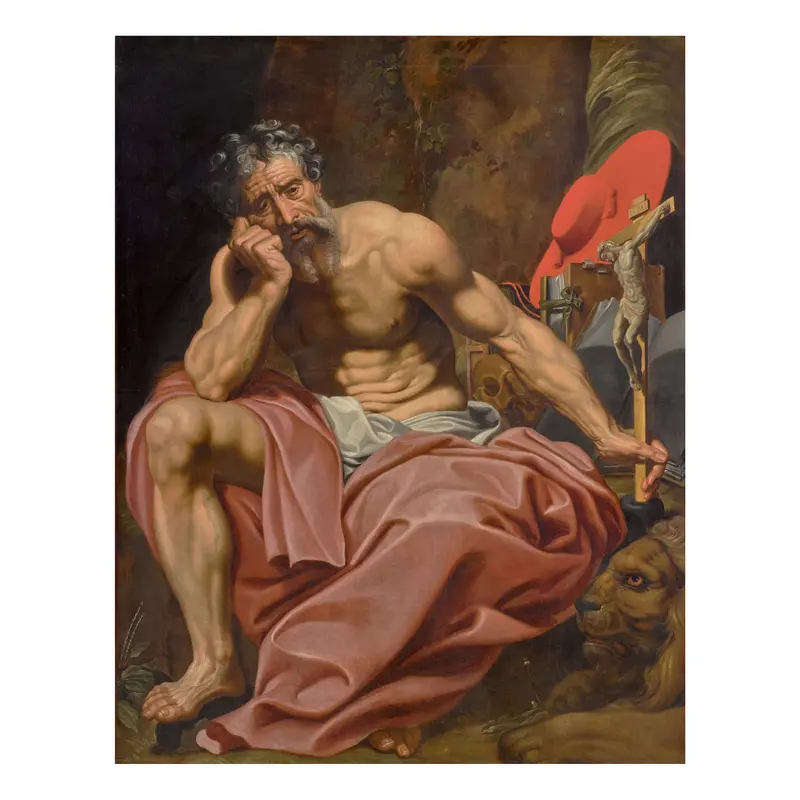
Saint Jerome
Abraham Janssens
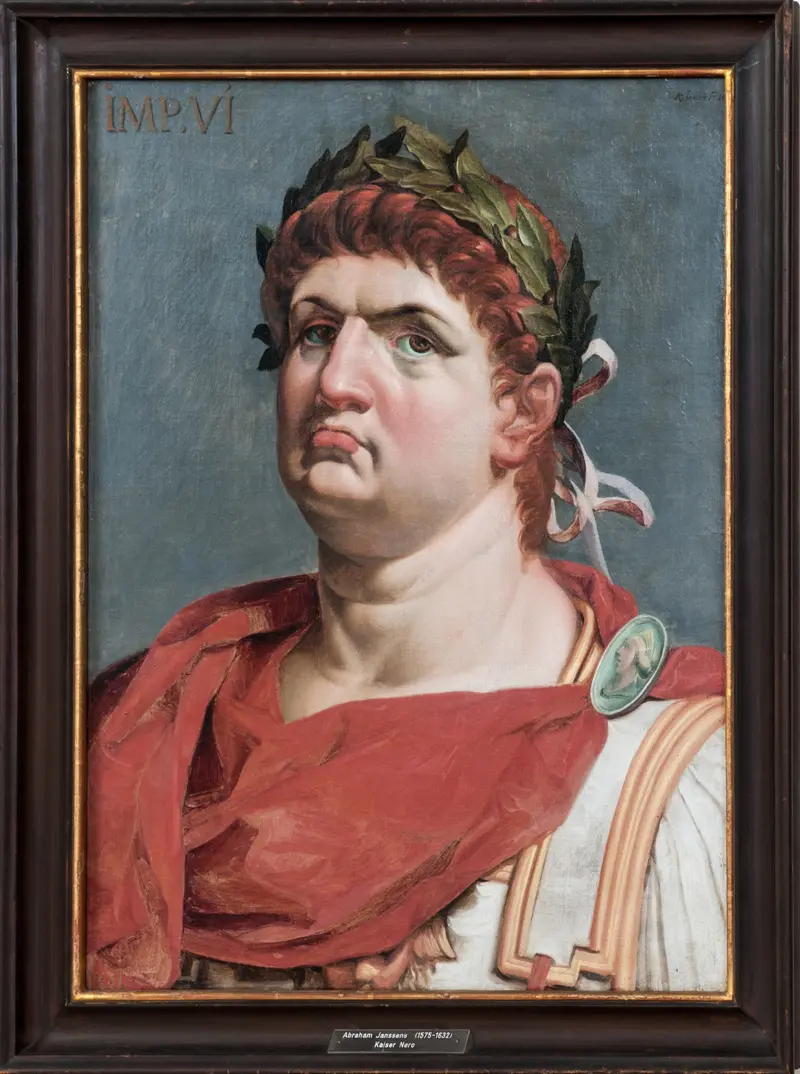
Nero
Abraham Janssens
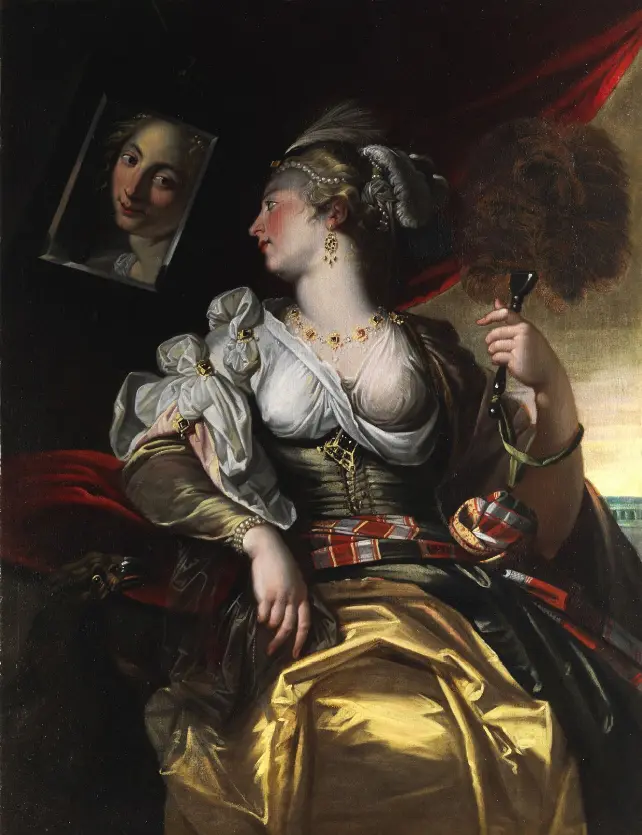
The Face
Abraham Janssens
Vanitas
Abraham Janssens





