
Saint Jerome — History & Facts
What first seizes the eye in Saint Jerome by Abraham Janssens is the raw, physical immediacy of the saint’s body, rendered with a sculptor’s attention to muscle and sinew. The aged scholar leans heavily on his fist, eyes shadowed with thought, his other hand gripping a crucifix as if anchoring himself to the faith that defines his solitude. The swirl of rose and white drapery both reveals and dignifies his form, while the lion—Jerome’s legendary companion—crouches at his feet, its mane almost blending with the folds of cloth.
The brilliant red of the cardinal’s hat, perched atop a stack of books, draws the gaze upward and hints at the saint’s learned life and ecclesiastical status, even here in the wilderness. This is a painting that belongs to the world of the early seventeenth-century Southern Netherlands, where the drama of the Counter-Reformation called for saints not as remote icons, but as intensely human presences. Abraham Janssens was among the artists who brought the lessons of Italian art—especially the bold modeling and theatrical lighting of Caravaggio—back to Antwerp, infusing traditional subjects with new vitality. Paintings of Saint Jerome like this one were favored by scholars, clergy, and collectors alike, serving as reminders of both intellectual rigor and spiritual struggle.
Little is recorded about the specific journey of this work, now found in the collection listed by Sotheby’s, but its vivid presence invites viewers to linger over every detail, searching for the balance between flesh and spirit that haunted the age.
More Artworks by Abraham Janssens

Jupiter Rebuked by Venus
Abraham Janssens
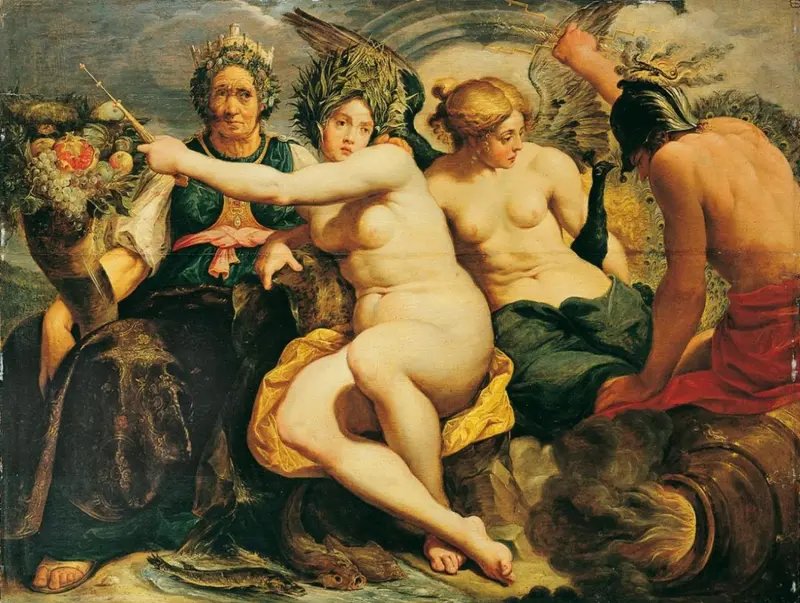
Allegorie der vier Elemente
Abraham Janssens
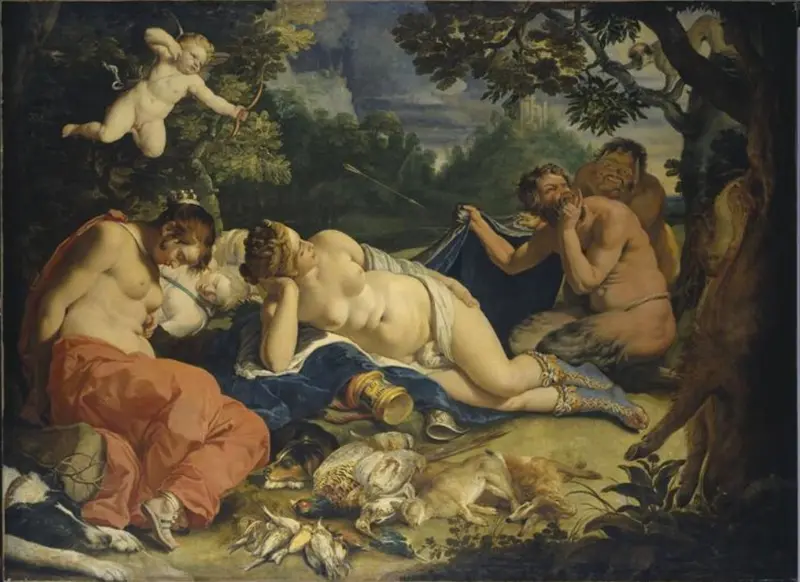
Diana and her nymphs spied on by satyrs
Abraham Janssens

Die Erweckung des Lazarus 153 Bavarian State Painting Collections
Abraham Janssens
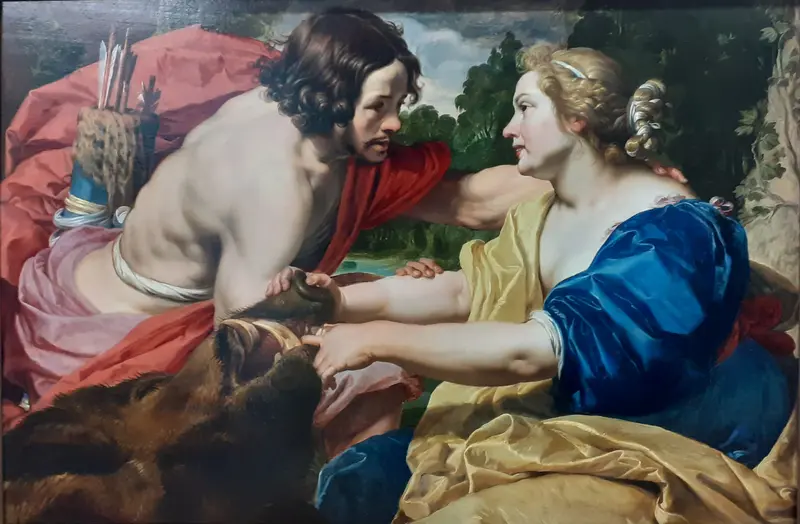
Meleager presents the head of the Calydonian Boar to Atalanta
Abraham Janssens
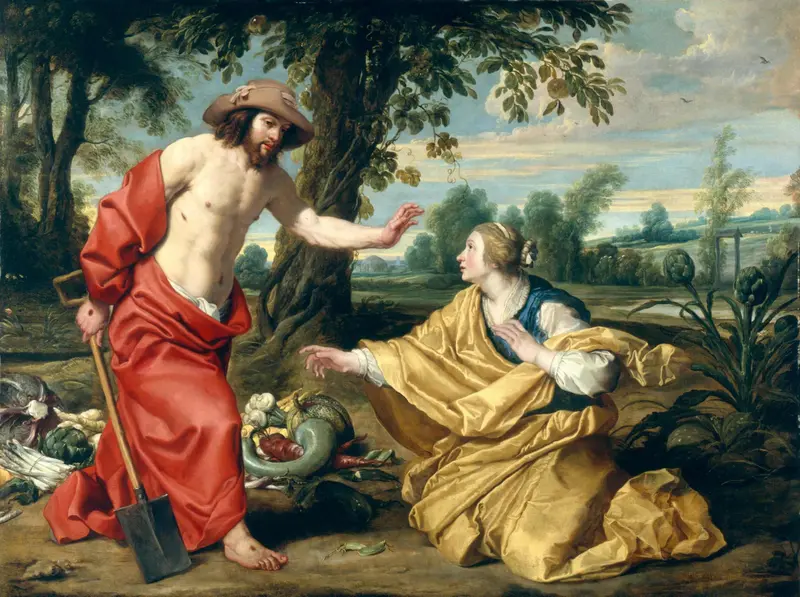
Noli me Tangere
Abraham Janssens
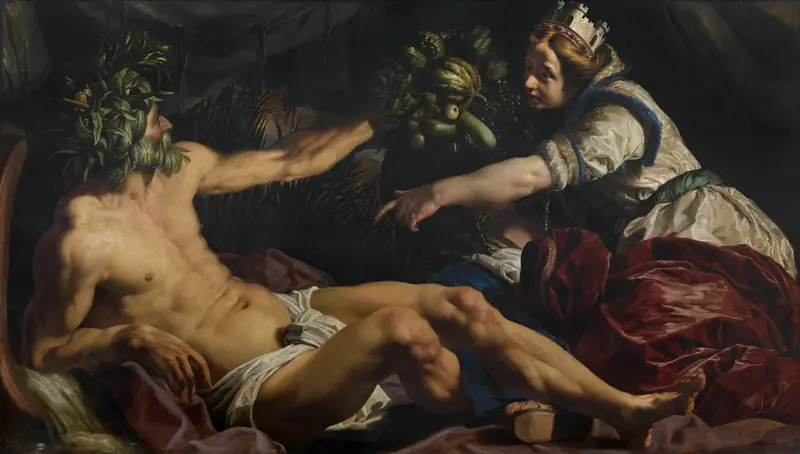
Scaldis and Antverpia
Abraham Janssens
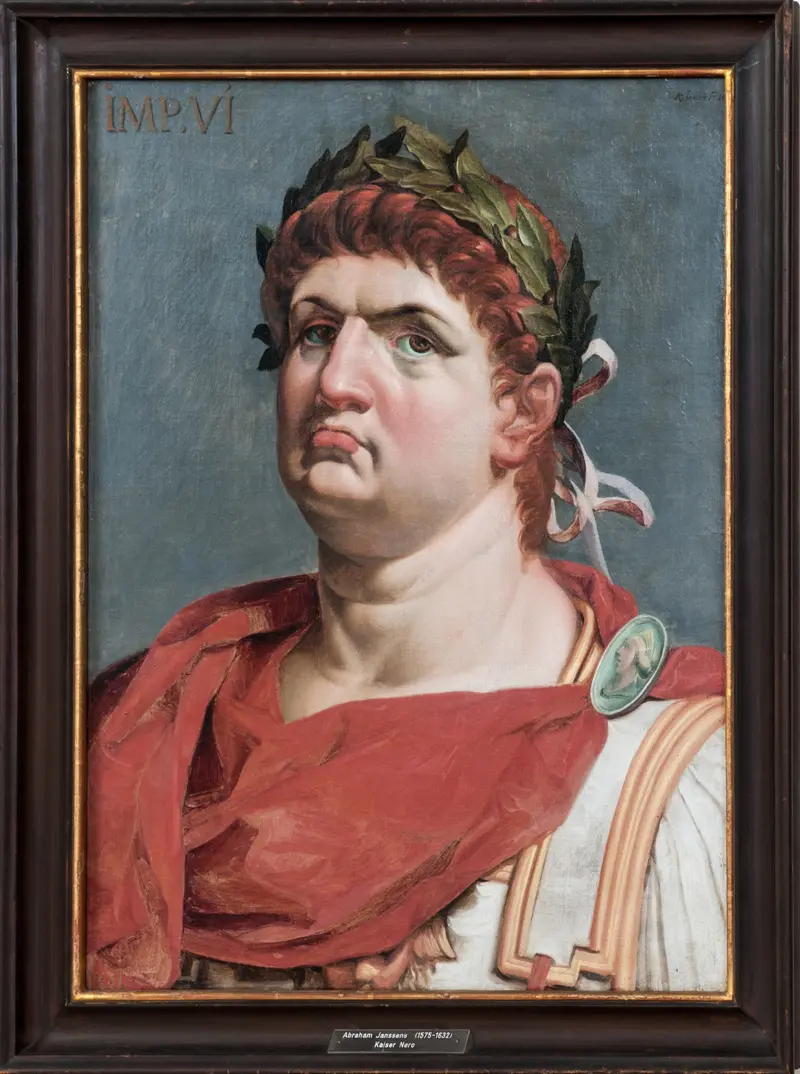
Nero
Abraham Janssens
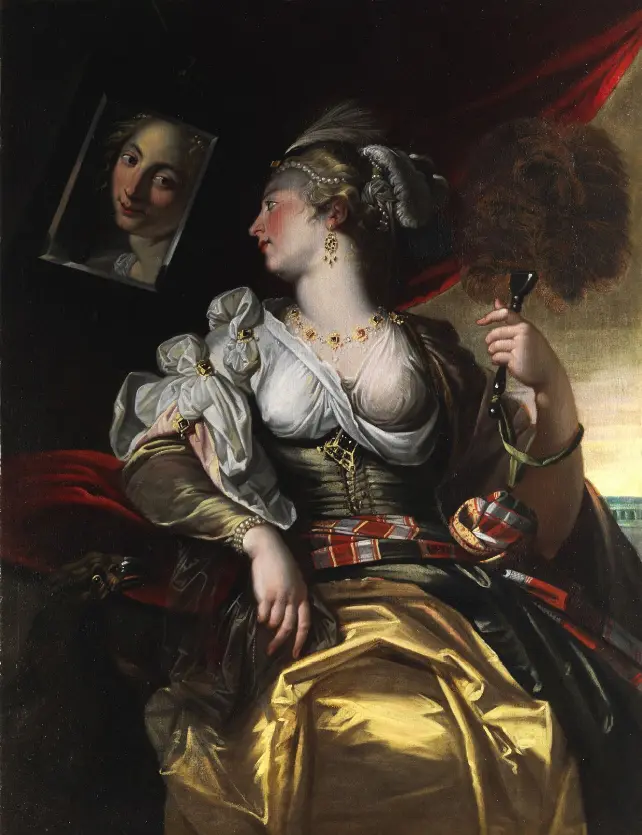
The Face
Abraham Janssens
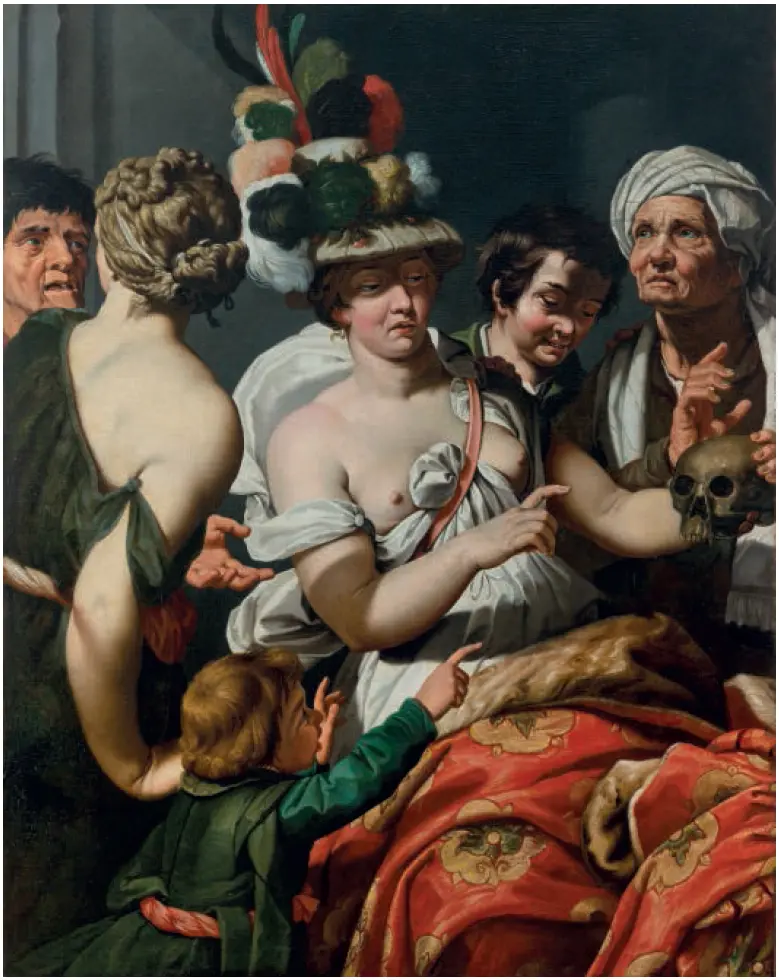
Vanitas
Abraham Janssens





