
Vanitas — History & Facts
What first seizes the eye in Vanitas by Abraham Janssens is the dense, theatrical gathering of figures, each face and gesture caught in a moment of urgent conversation. The central woman, lavishly adorned with feathers and pearls, is both the focus and the enigma: her half-lidded gaze and exposed shoulder suggest a life of pleasure, yet the mood is anything but celebratory. Light pours across her pale skin and the sumptuous red and gold drapery, only to be interrupted by the stark, chilling presence of a skull, held aloft by an elderly woman at the right.
Every hand points, pleads, or protests—each gesture a thread in this web of warning and desire. The painting’s drama lies not in action, but in the collision of youth and age, beauty and decay, all compressed into a single, uneasy tableau. This is a world saturated with the lessons of vanitas, a genre that flourished in early seventeenth-century Europe as a meditation on the fleeting nature of earthly delights. In the years between 1610 and 1615, when this work was created, such paintings were sought by collectors eager for both moral instruction and visual spectacle.
The skull, a classic memento mori, confronts the viewer with mortality, while the luxurious fabrics and festive plumes tempt with the pleasures of the present. Janssens’s composition is crowded and almost claustrophobic, a marked contrast to the solitary skulls and hourglasses favored by some of his Dutch contemporaries. History has kept few traces of this specific painting’s journey, but its message is as insistent as the gestures within it: look closely, and remember what lies beneath the surface.
More Artworks by Abraham Janssens

Jupiter Rebuked by Venus
Abraham Janssens
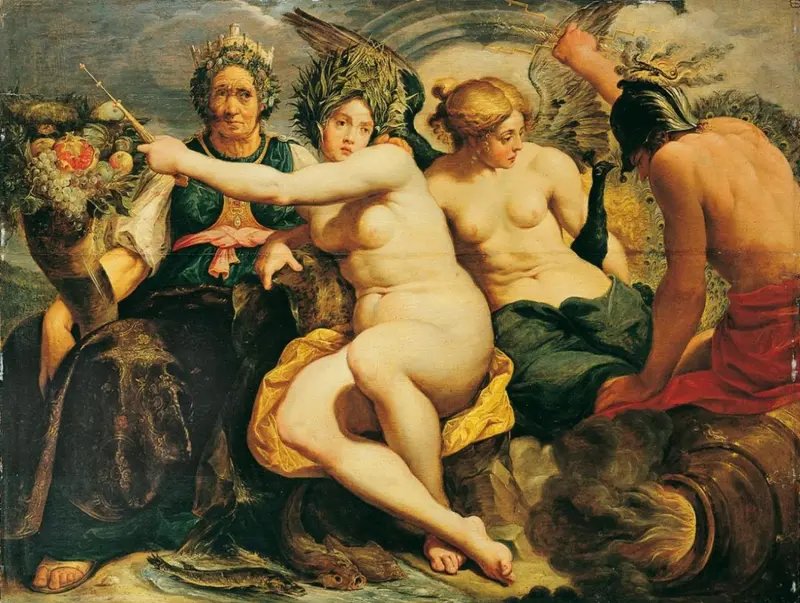
Allegorie der vier Elemente
Abraham Janssens
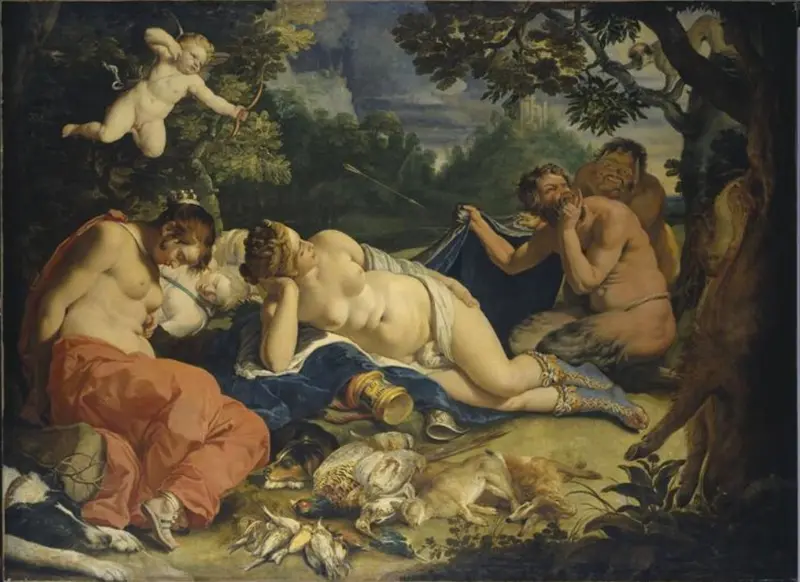
Diana and her nymphs spied on by satyrs
Abraham Janssens

Die Erweckung des Lazarus 153 Bavarian State Painting Collections
Abraham Janssens
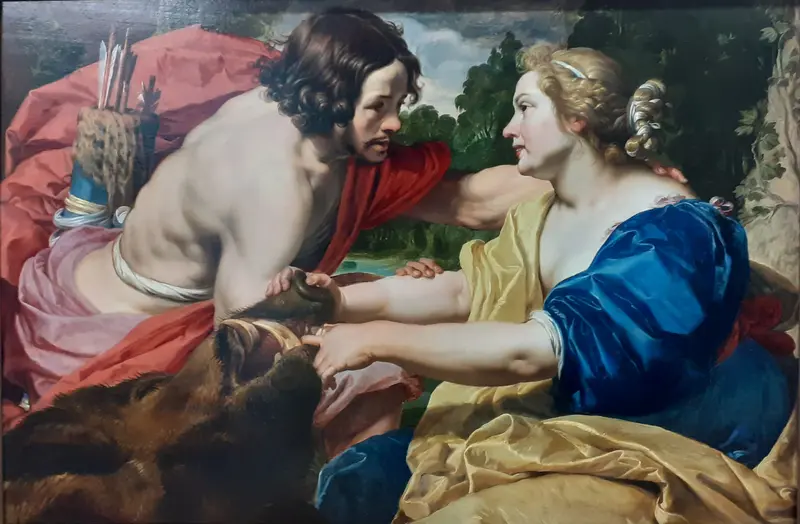
Meleager presents the head of the Calydonian Boar to Atalanta
Abraham Janssens
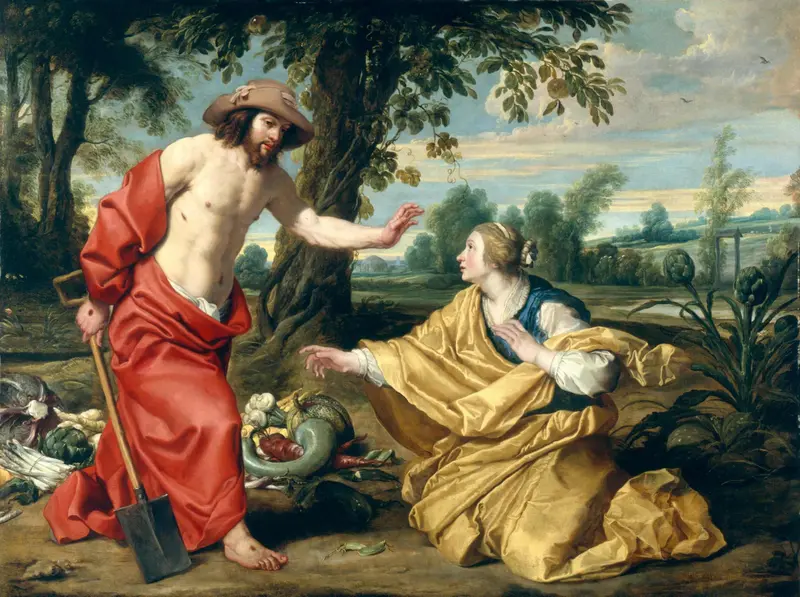
Noli me Tangere
Abraham Janssens
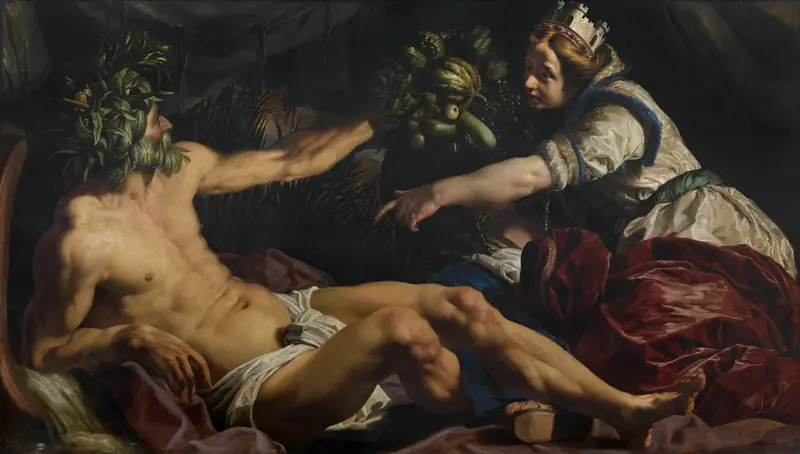
Scaldis and Antverpia
Abraham Janssens
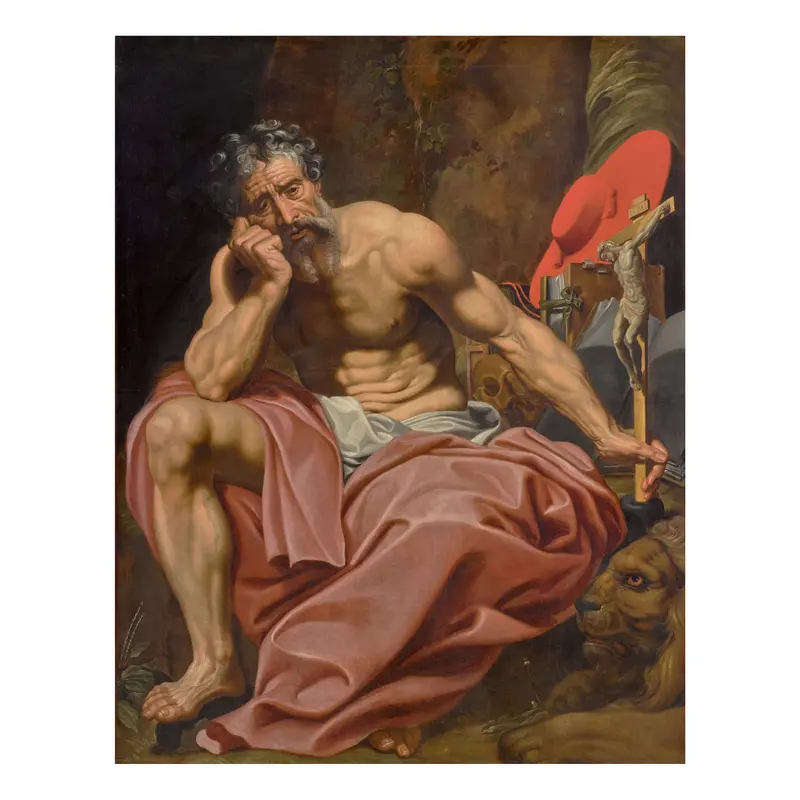
Saint Jerome
Abraham Janssens
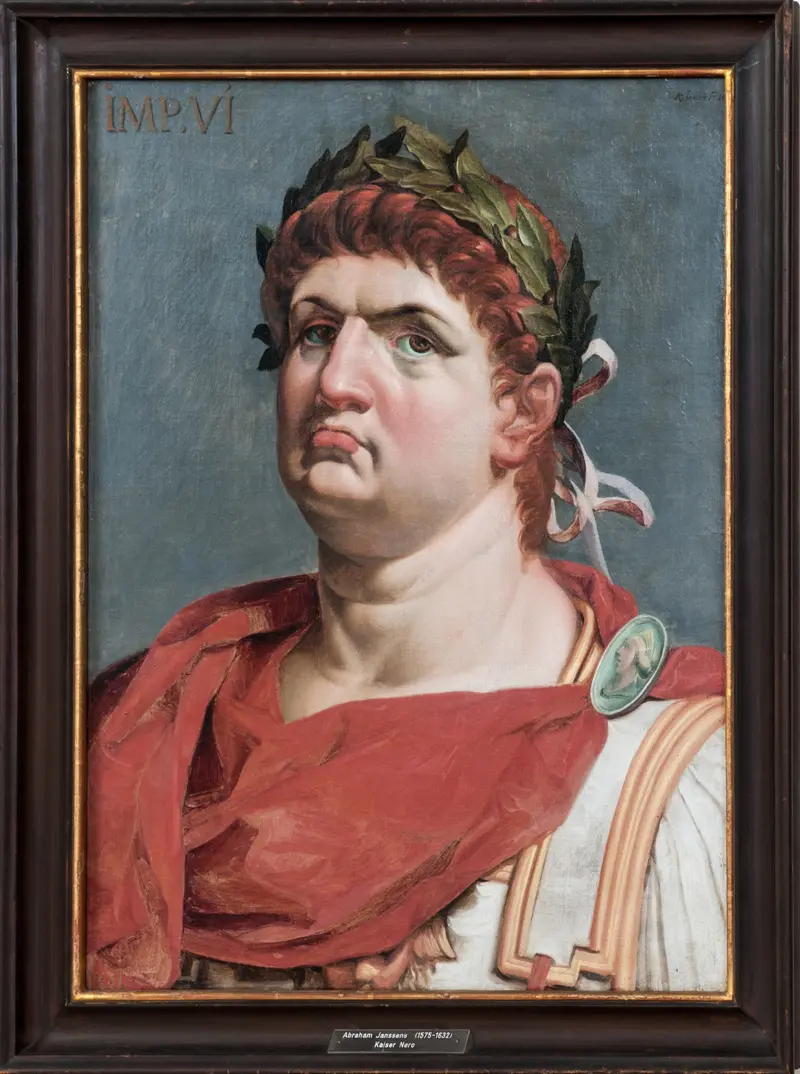
Nero
Abraham Janssens
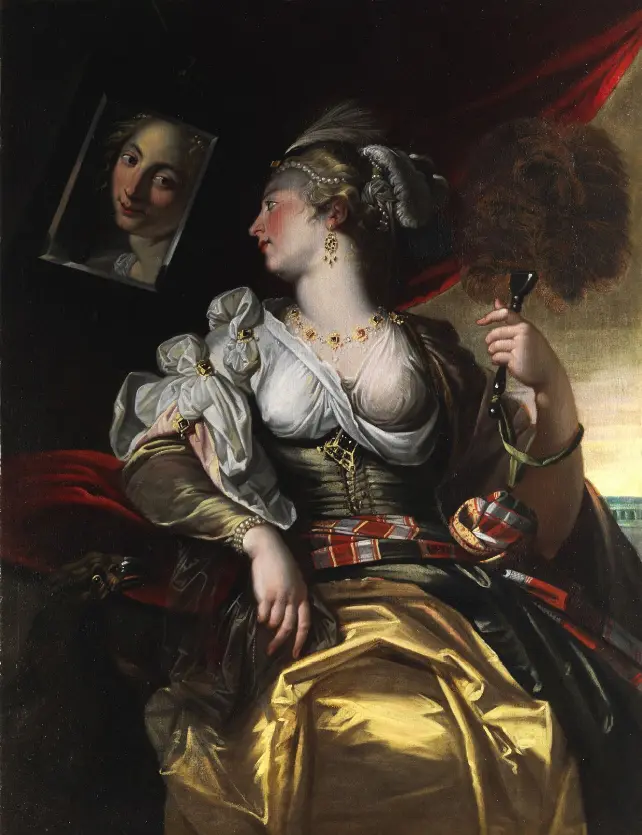
The Face
Abraham Janssens





