
Diana and her nymphs spied on by satyrs — History & Facts
What first catches the eye in Diana and her nymphs spied on by satyrs is the brazen contrast between the tranquil sleep of the goddesses and the crude curiosity of their watchers. The painter pulls the viewer into a scene of mythic trespass: Diana and her companions, draped in luminous flesh and rich fabrics, lie at ease, their guard lowered in the dappled shade. The nymphs’ languid poses and the scattering of hunting spoils at their feet speak to a world of privilege and ritual, while the satyrs, half-hidden and whispering behind a tree, break the spell with their wild, eager gazes.
Above, a mischievous Cupid hovers, bow drawn, his arrow aimed to stir chaos in this moment of vulnerable peace. Painted between 1600 and 1632 by Abraham Janssens, this work belongs to an era when mythological scenes offered artists a stage for both sensuality and moral warning. The lush palette and muscular forms recall the influence of Italian masters, yet the composition is distinctly Northern in its attention to detail and texture—the fur of the satyrs, the gleaming metal of Diana’s quiver, the velvety folds of drapery. Such paintings were often commissioned by wealthy collectors eager to display both their learning and their taste for the daring.
While history has kept few traces of this specific canvas’s journey, its survival in a modern collection invites us to linger on the uneasy balance of beauty and danger, and to wonder what stories the nymphs might tell if they awoke.
More Artworks by Abraham Janssens

Jupiter Rebuked by Venus
Abraham Janssens
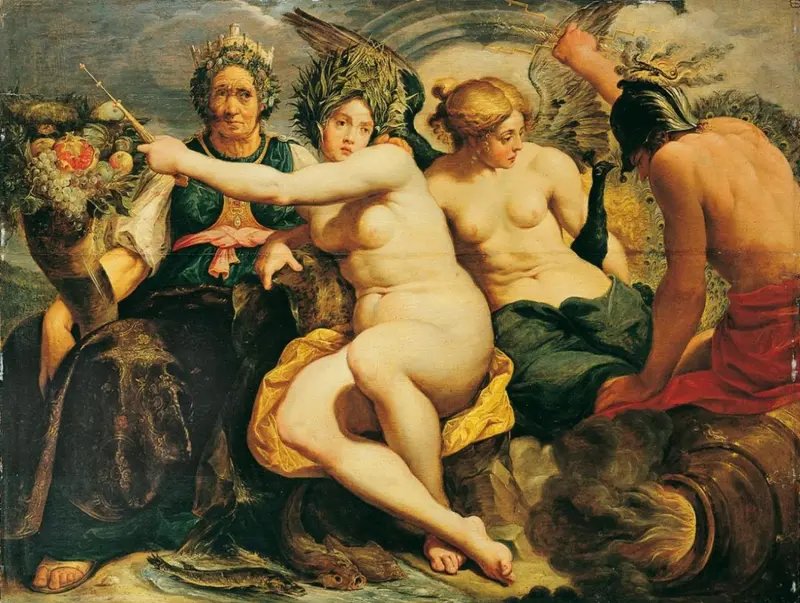
Allegorie der vier Elemente
Abraham Janssens

Die Erweckung des Lazarus 153 Bavarian State Painting Collections
Abraham Janssens
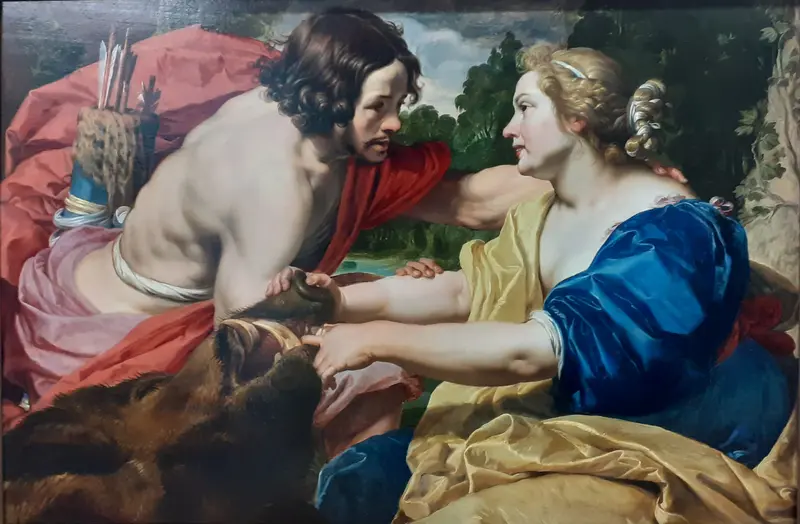
Meleager presents the head of the Calydonian Boar to Atalanta
Abraham Janssens
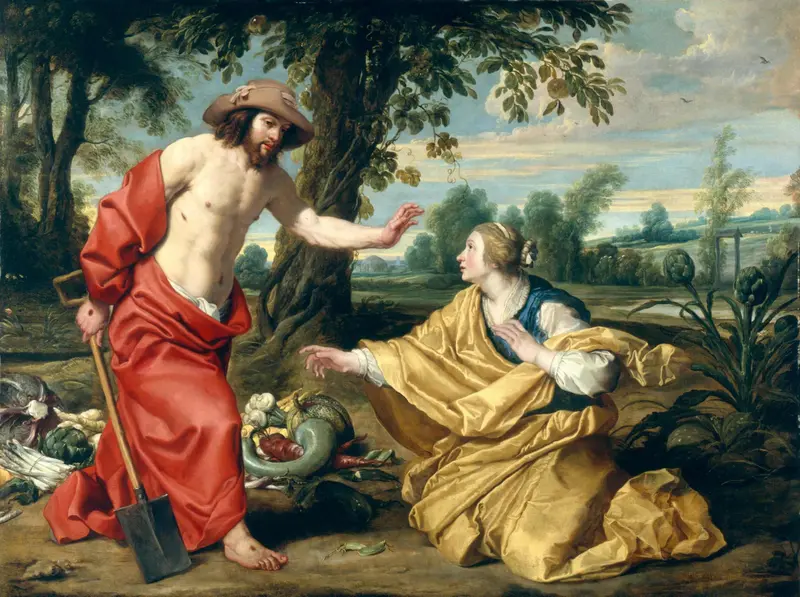
Noli me Tangere
Abraham Janssens
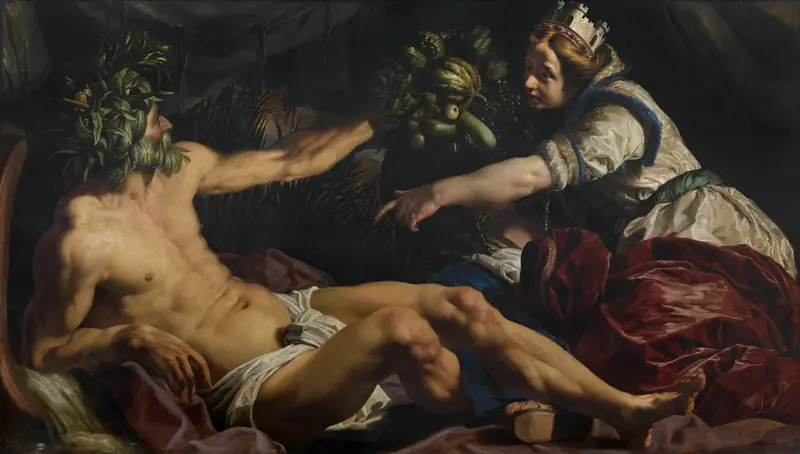
Scaldis and Antverpia
Abraham Janssens
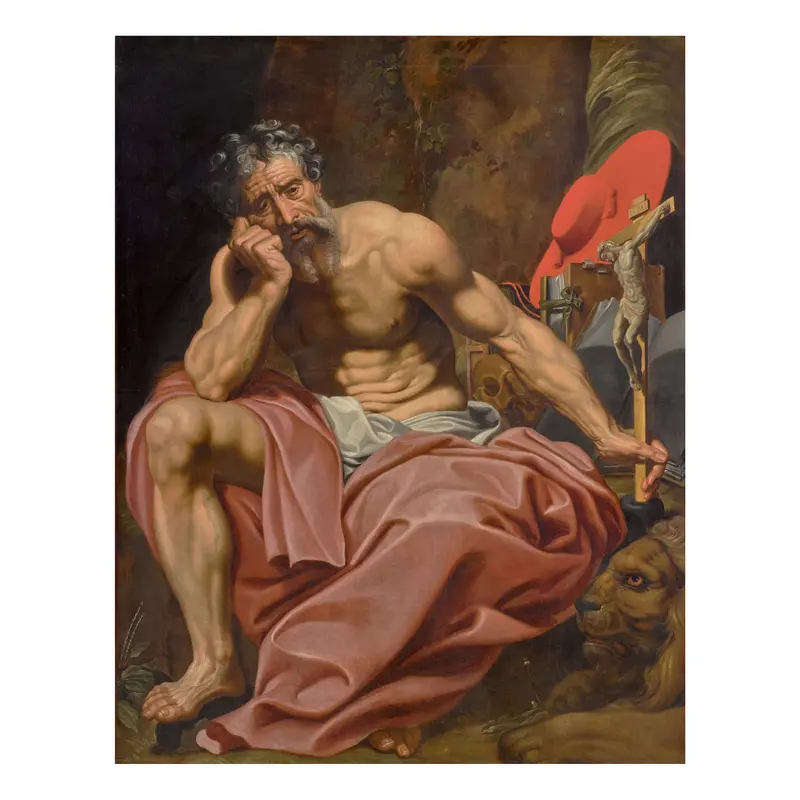
Saint Jerome
Abraham Janssens
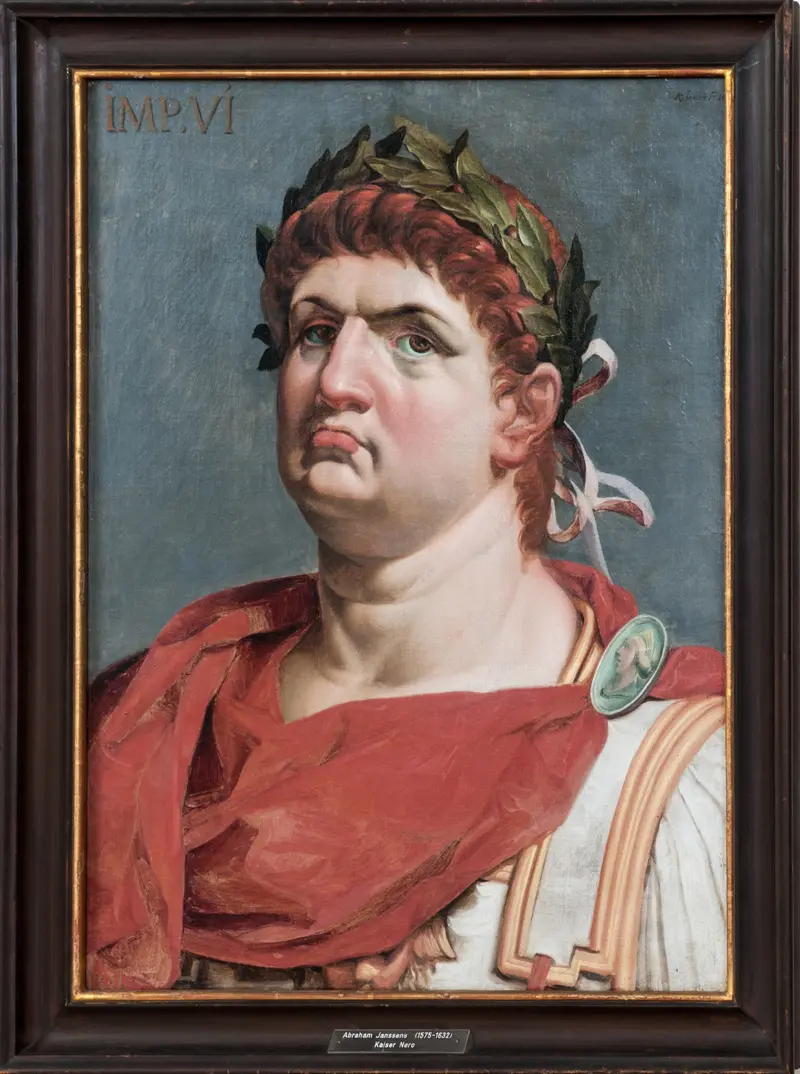
Nero
Abraham Janssens
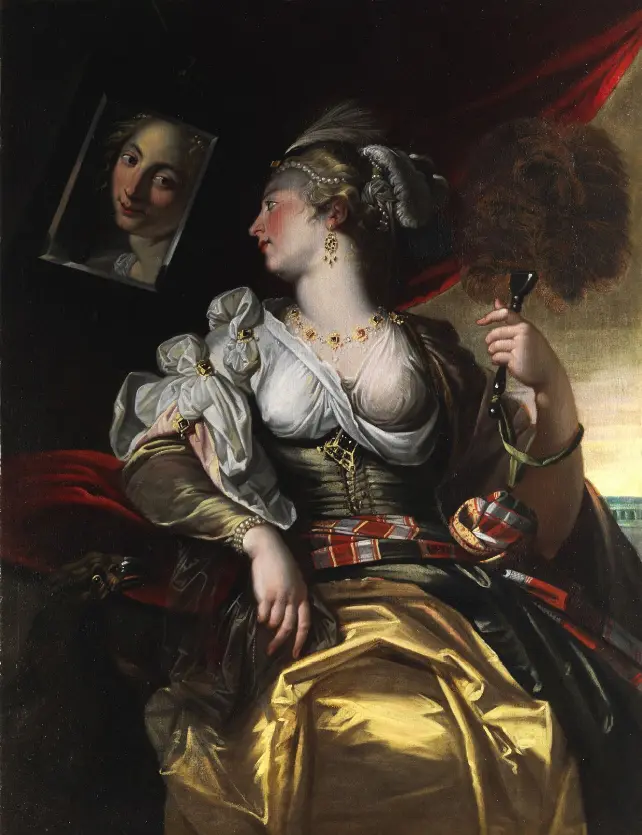
The Face
Abraham Janssens
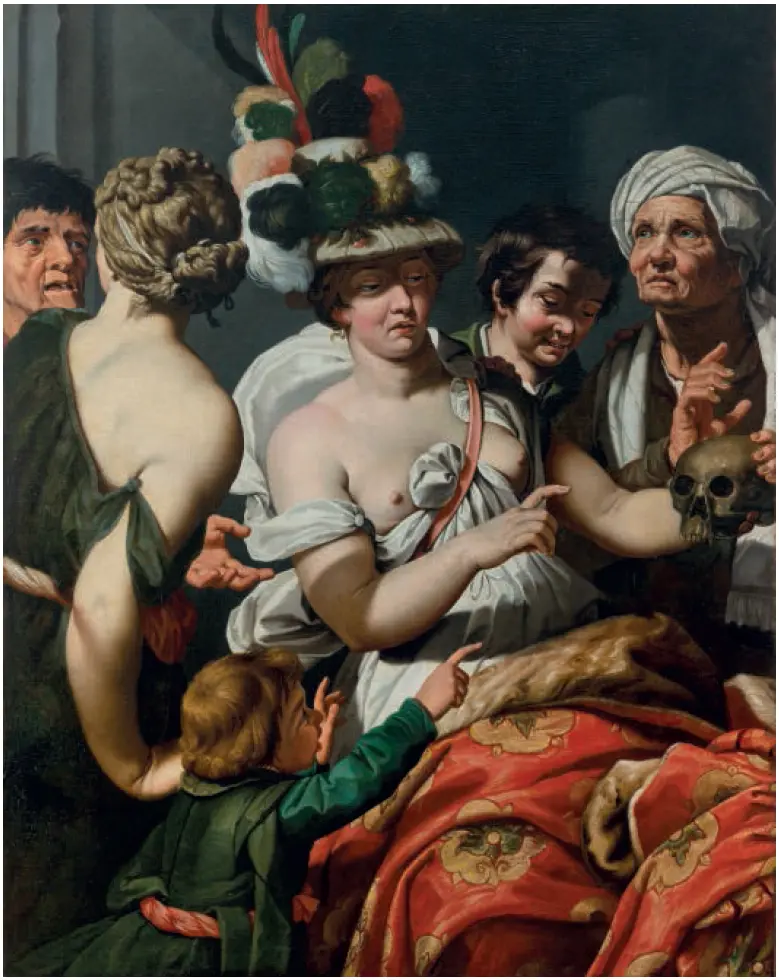
Vanitas
Abraham Janssens





