
Scaldis and Antverpia — History & Facts
A crowned woman leans forward, her face animated with intent, as she offers a cornucopia brimming with fruits to a reclining, river-god figure whose muscular form dominates the foreground. The old man’s beard and hair are thick with reeds and leaves, his body half-draped and half-exposed, as water trickles from beneath him—every detail urging the viewer to read him as the living spirit of a river. The woman’s crown, shaped like city battlements, and her sumptuous dress, edged with blue and gold, mark her as an allegory of a city—her gesture of offering both generous and commanding.
The deep folds of red velvet and the play of light across bare flesh and gleaming silk create a tension between abundance and languor, while the darkness behind them presses the drama forward, making every gesture count. Painted in 1609, Scaldis and Antverpia by Abraham Janssens belongs to a world where cities and rivers were more than geography—they were personalities, rivals, and partners in prosperity. Such allegorical pairings were common in the early seventeenth century, especially in the Southern Netherlands, where civic pride and classical learning went hand in hand. The Royal Museum of Fine Arts Antwerp now houses this work, a reminder of an era when artists like Janssens drew on both Italian models and local traditions to give their cities a mythic grandeur.
History has kept few traces of this painting’s early life, but its theatrical encounter between river and city still invites us to imagine Antwerp’s fortunes as a living, breathing drama.
Sources: Wikidata Q21614468 · Image source (Wikimedia Commons)
More Artworks by Abraham Janssens

Jupiter Rebuked by Venus
Abraham Janssens
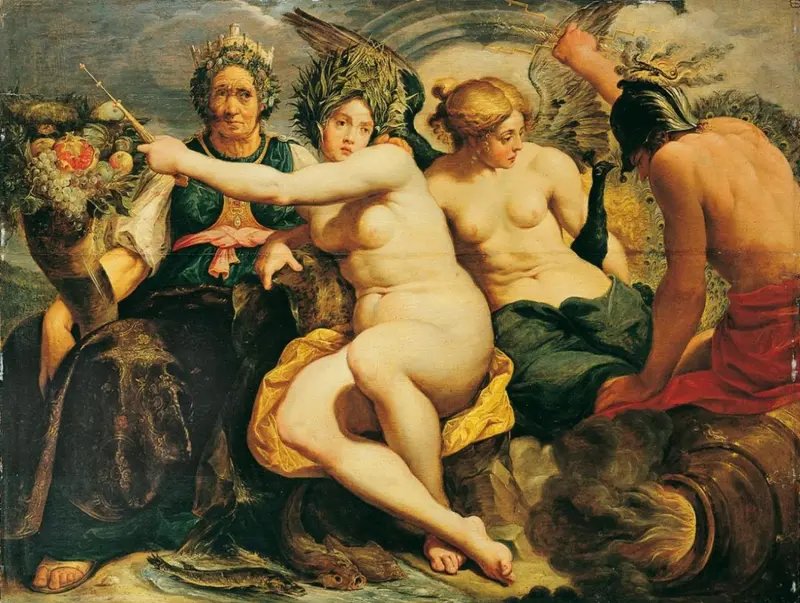
Allegorie der vier Elemente
Abraham Janssens
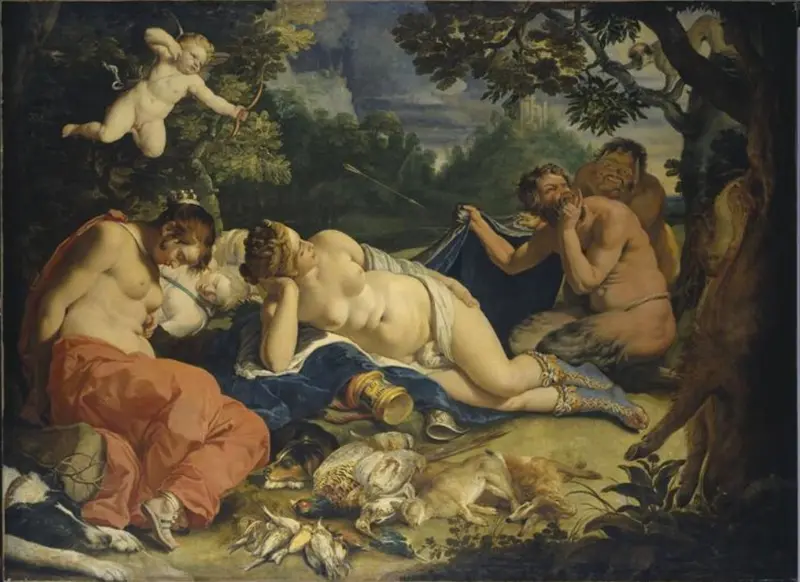
Diana and her nymphs spied on by satyrs
Abraham Janssens

Die Erweckung des Lazarus 153 Bavarian State Painting Collections
Abraham Janssens
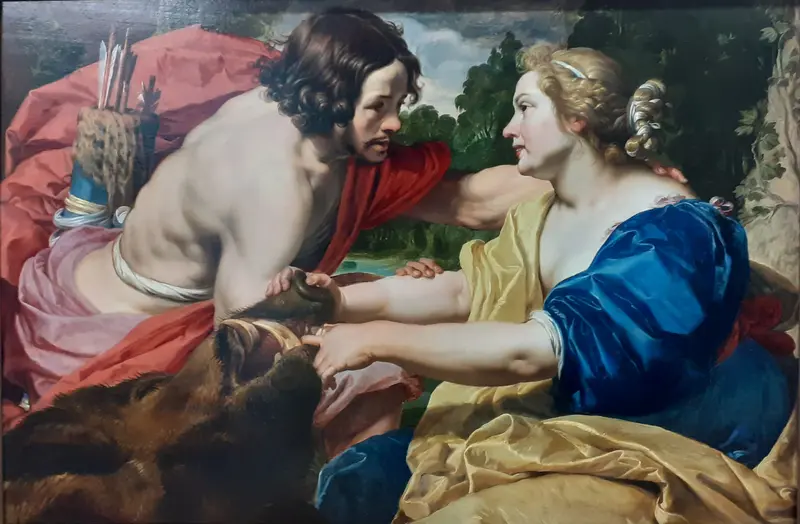
Meleager presents the head of the Calydonian Boar to Atalanta
Abraham Janssens
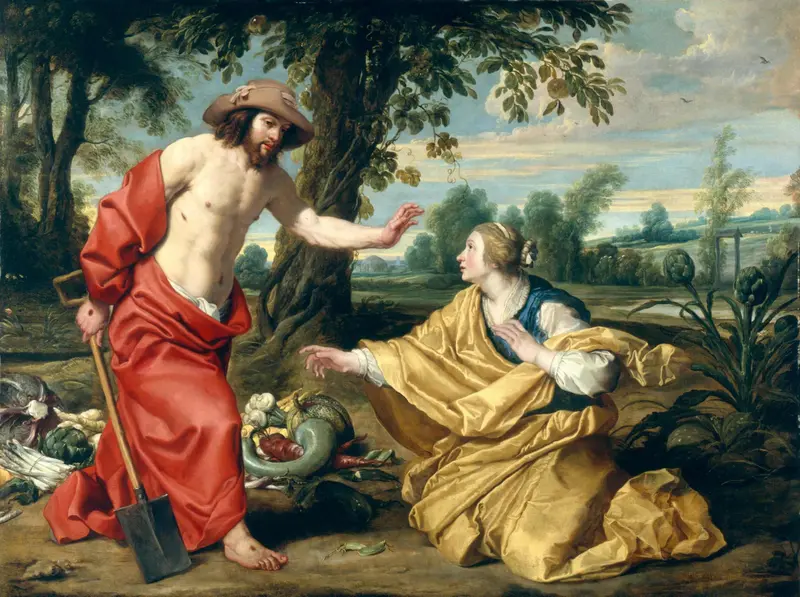
Noli me Tangere
Abraham Janssens
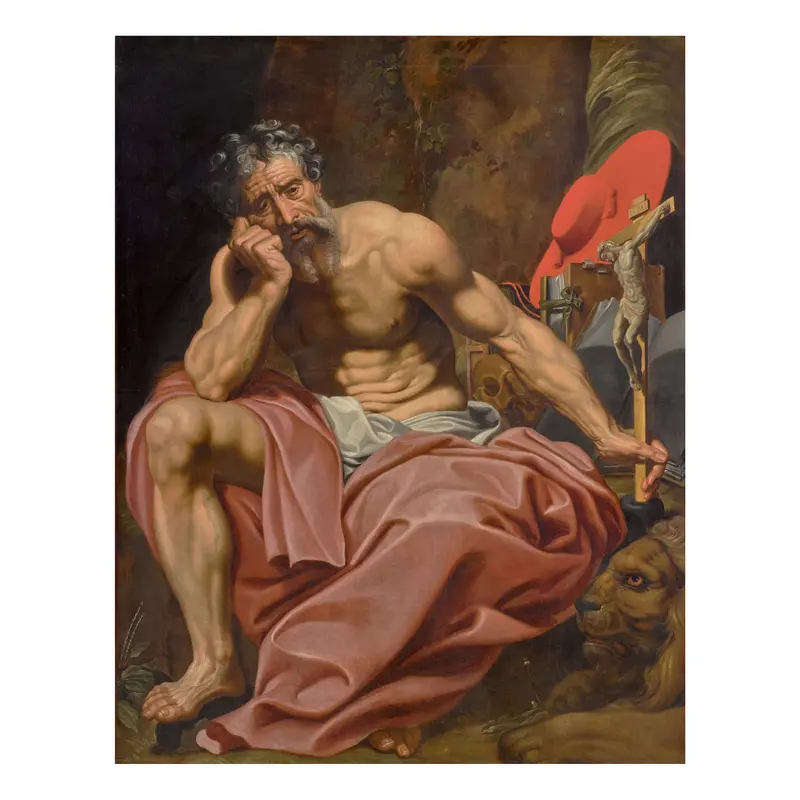
Saint Jerome
Abraham Janssens
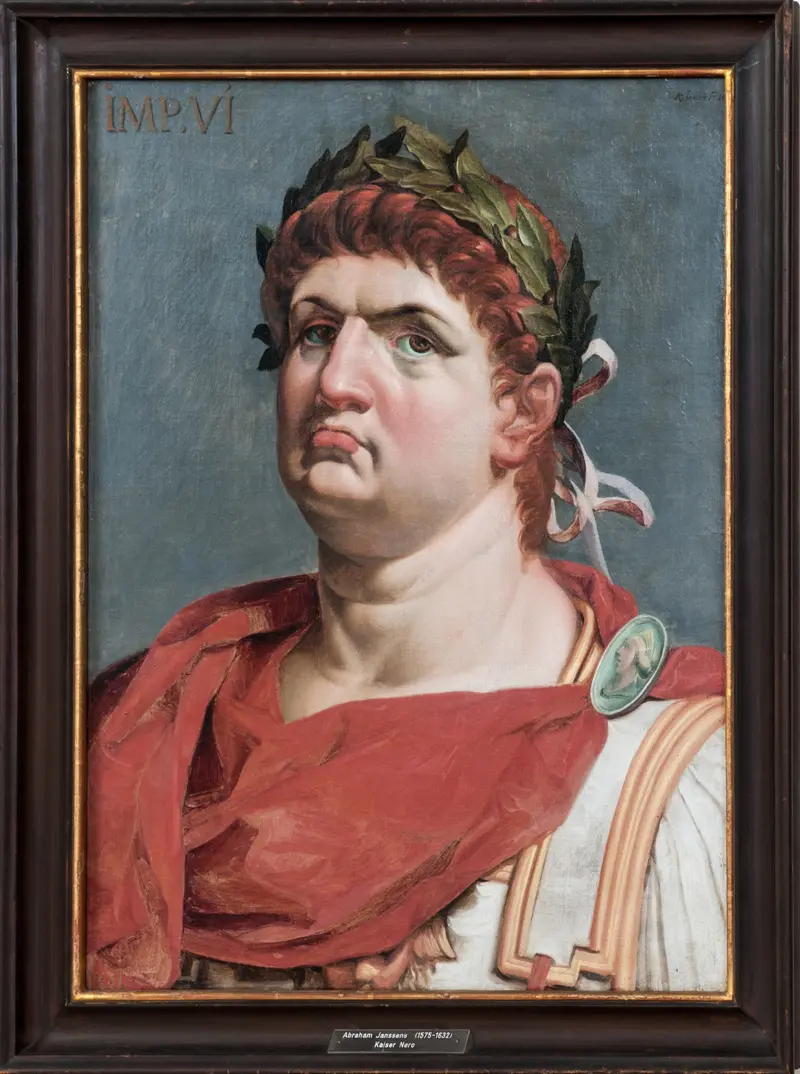
Nero
Abraham Janssens
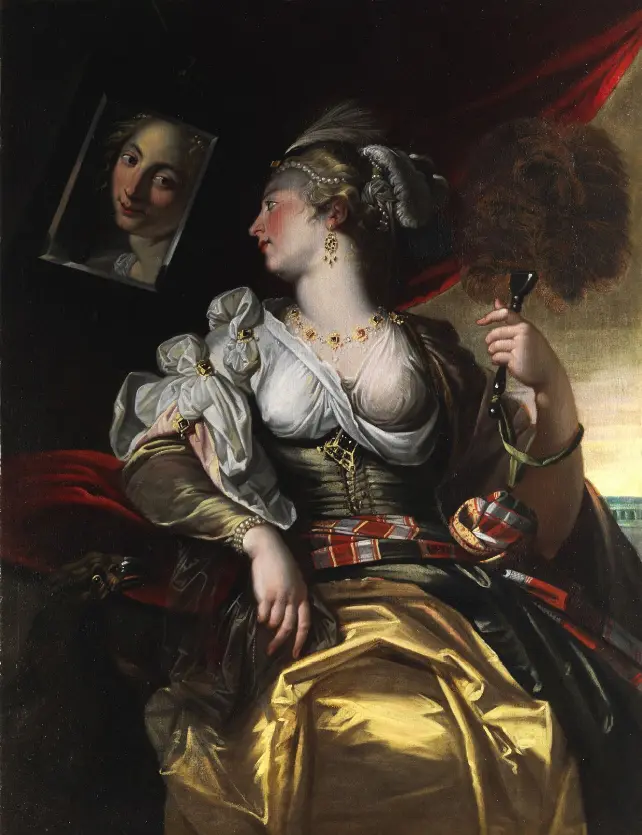
The Face
Abraham Janssens
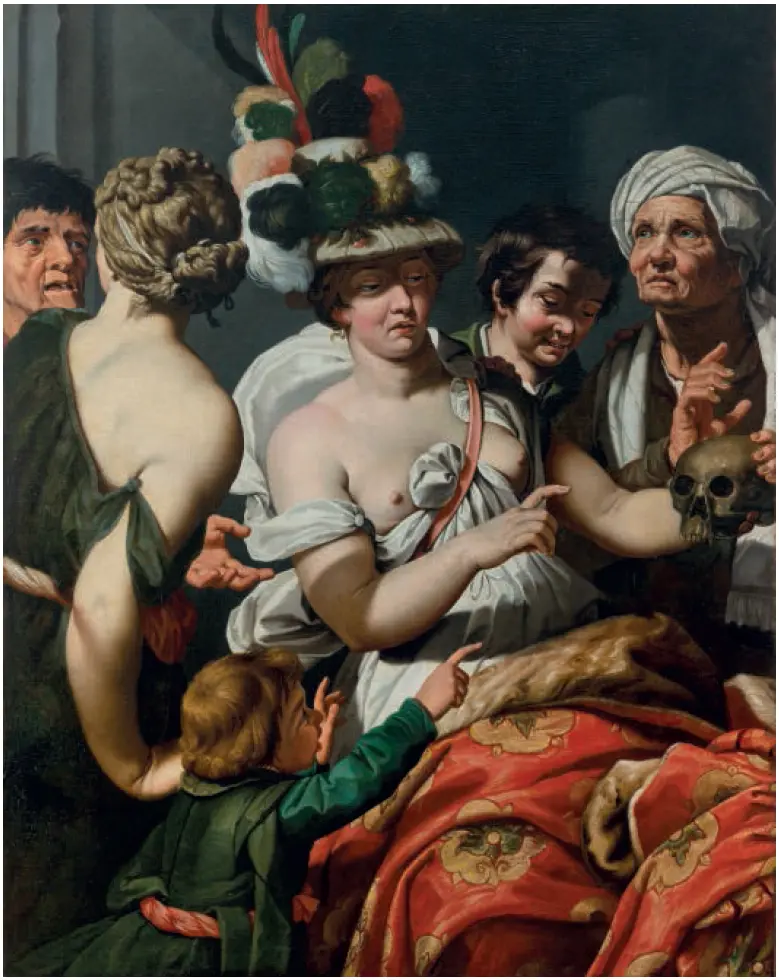
Vanitas
Abraham Janssens





