
Allegory of the burdens of time — History & Facts
What grips the viewer first in Allegory of the burdens of time is the sense of exhaustion—the central figure, half-draped and muscular, slumps under a weight that is invisible but unmistakable. The light falls on his bare torso, picking out the tension in his limbs and the downward cast of his gaze, while shadow swallows the periphery, leaving the drama to unfold in a pool of gold and ochre. Around him, three other figures lean in: an angelic presence with wings and a scythe, a woman in blue who kneels at his feet, and a bearded figure crowned with fruit, each playing their part in this silent theater.
The gestures are deliberate—the angel’s hand steadies, the kneeling woman’s touch soothes, and the crowned man’s gaze is both watchful and remote. The palette, rich in earth and flesh tones, creates a mood of solemnity and struggle, while the draperies billow with a life of their own, echoing the turbulence within. Painted in 1609 by Abraham Janssens, this work belongs to the world of early seventeenth-century Antwerp, a city alive with allegory and the ambitions of the Counter-Reformation. Painters like Janssens, inspired by both Italian classicism and the drama of Caravaggio, explored human frailty and virtue through myth and personification.
Allegorical paintings such as this were often commissioned by civic bodies or wealthy individuals wishing to display both learning and piety—here, the burdens of time are not merely personal, but universal. The painting now resides in the Musées royaux des Beaux-Arts de Belgique, a testament to the era’s fascination with the passage of time and the hope and patience that might lighten its load. As you look again, notice how every gesture and shadow is a meditation on endurance, and how the figures, though weary, remain bound together by the promise of help.
More Artworks by Abraham Janssens

Jupiter Rebuked by Venus
Abraham Janssens
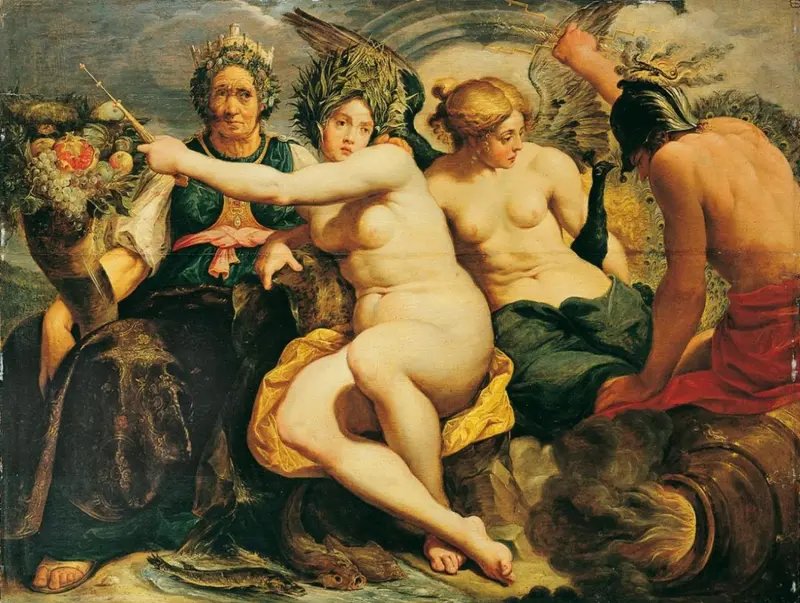
Allegorie der vier Elemente
Abraham Janssens
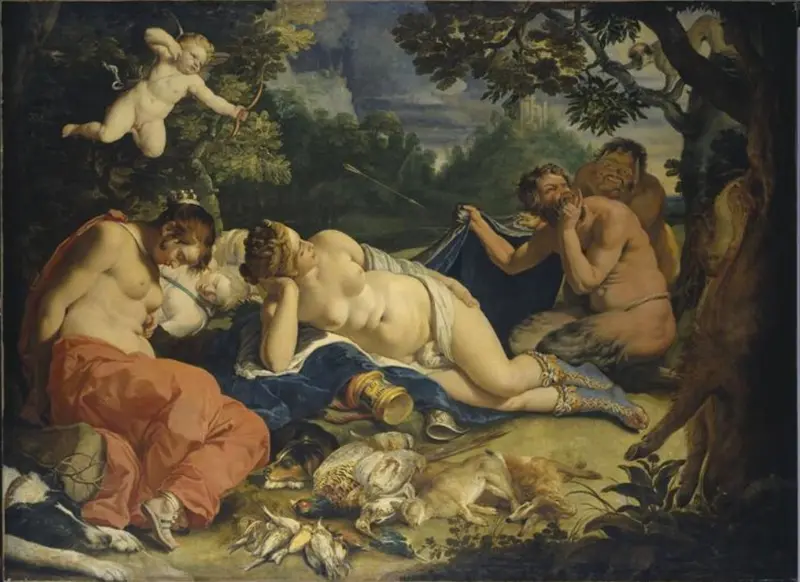
Diana and her nymphs spied on by satyrs
Abraham Janssens

Die Erweckung des Lazarus 153 Bavarian State Painting Collections
Abraham Janssens
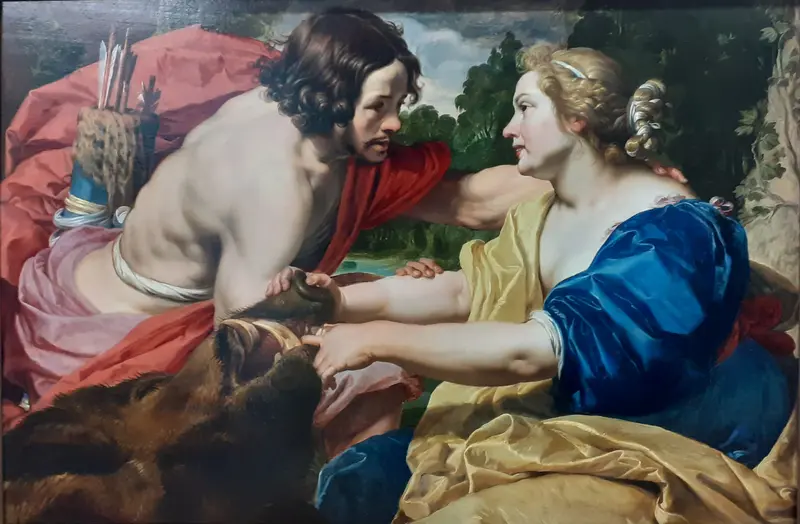
Meleager presents the head of the Calydonian Boar to Atalanta
Abraham Janssens
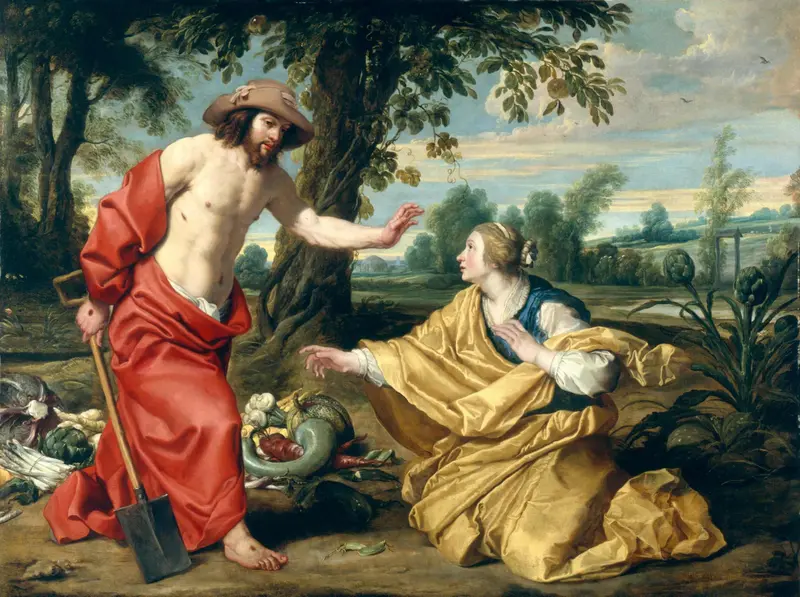
Noli me Tangere
Abraham Janssens
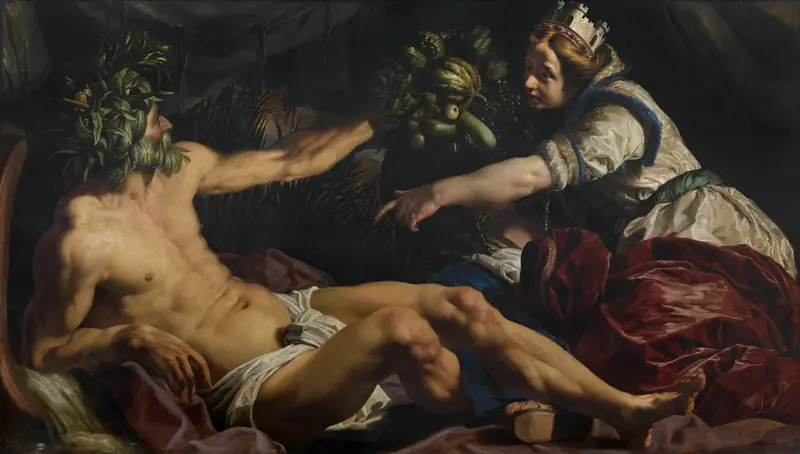
Scaldis and Antverpia
Abraham Janssens
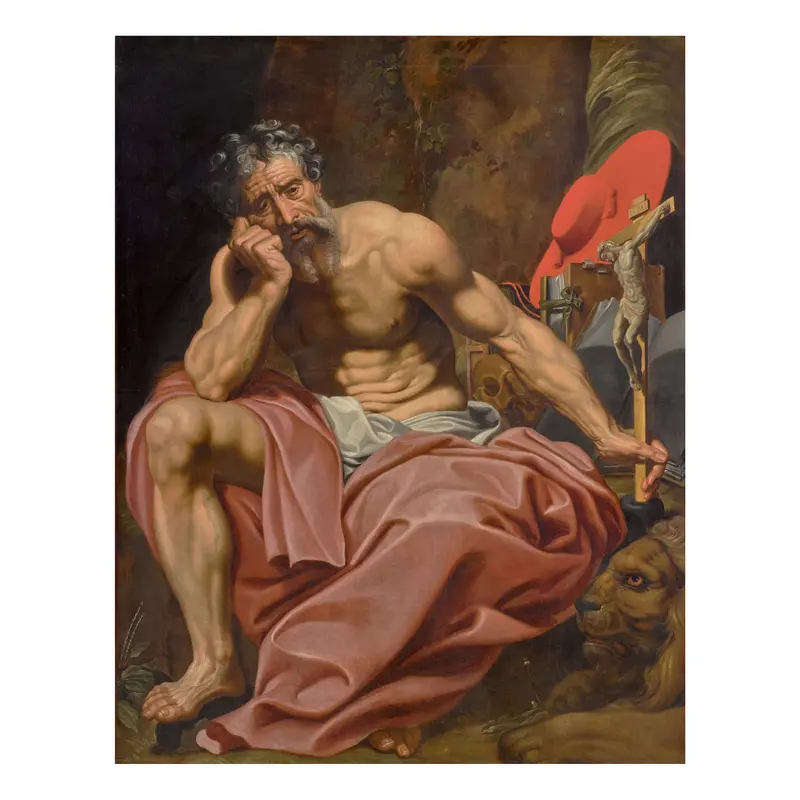
Saint Jerome
Abraham Janssens
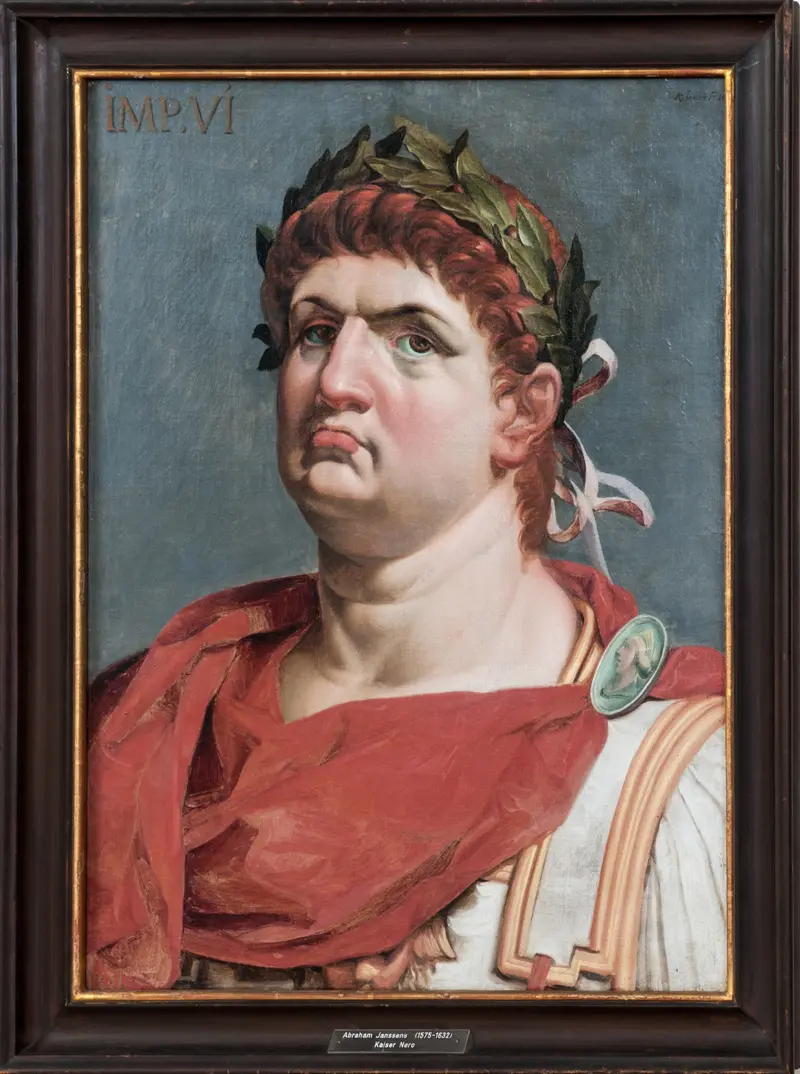
Nero
Abraham Janssens
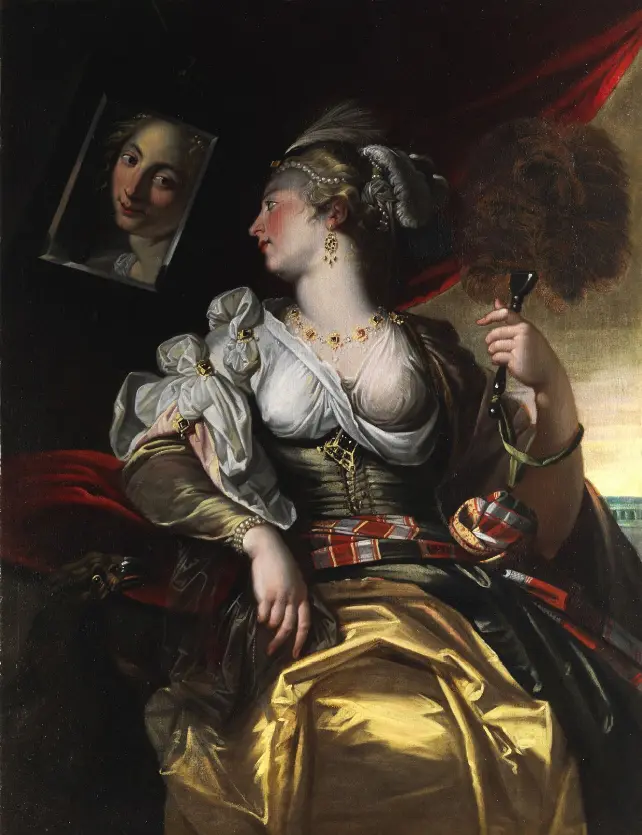
The Face
Abraham Janssens





