
Allegory of Venice — History & Facts
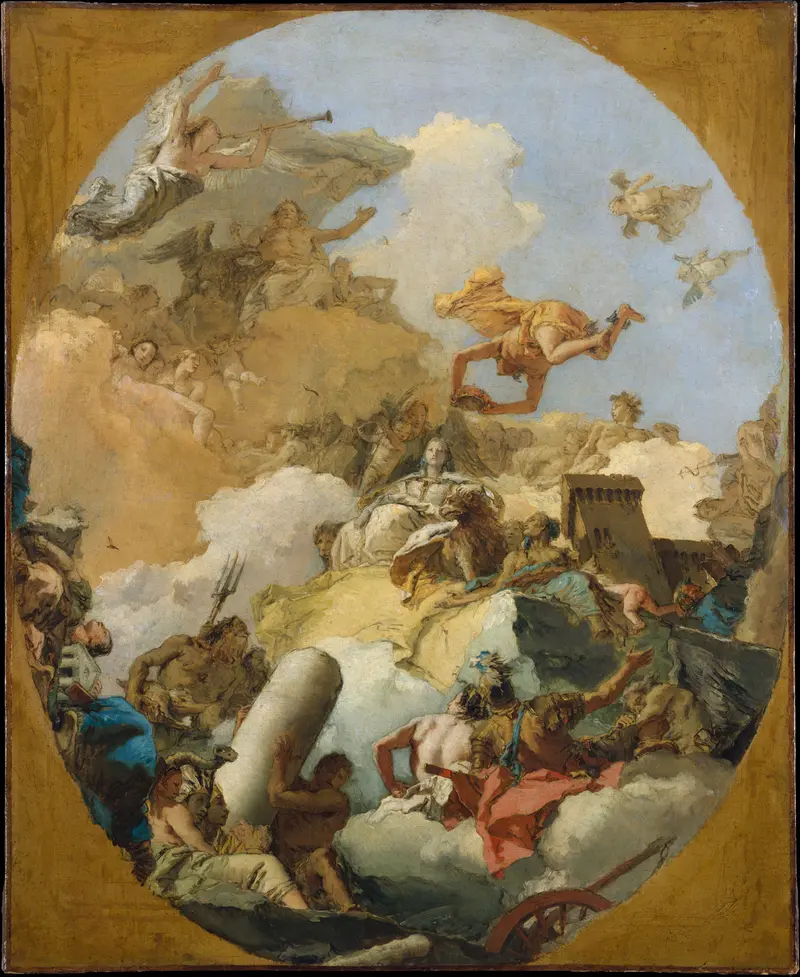
In Allegory of Venice, vibrant colors dominate the canvas, depicting a lively scene filled with figures representing the city. The figures are adorned in elaborate costumes, showcasing the opulence of Venice. The background features architectural elements that hint at the city's famous landmarks.
Overall, the painting radiates a sense of celebration and grandeur. The painting is executed in oil on canvas, a common medium for Tiepolo, allowing for rich color application and detail. Viewers can observe Tiepolo's characteristic brushwork, which creates a sense of movement among the figures. The composition is dynamic, with figures arranged in a way that draws the eye across the canvas.
The use of light and shadow enhances the three-dimensionality of the scene. Giovanni Battista Tiepolo was a prominent Italian painter of the Rococo style, known for his grand frescoes and vibrant color palettes. Allegory of Venice reflects his ability to capture the essence of a city through allegorical representation. An interesting fact about this work is that it was created during a time when Venice was a cultural hub, influencing art and architecture across Europe.
Tiepolo's works often celebrate the themes of light and joy, making this painting a fitting tribute to Venice.
More Artworks by Giovanni Battista Tiepolo
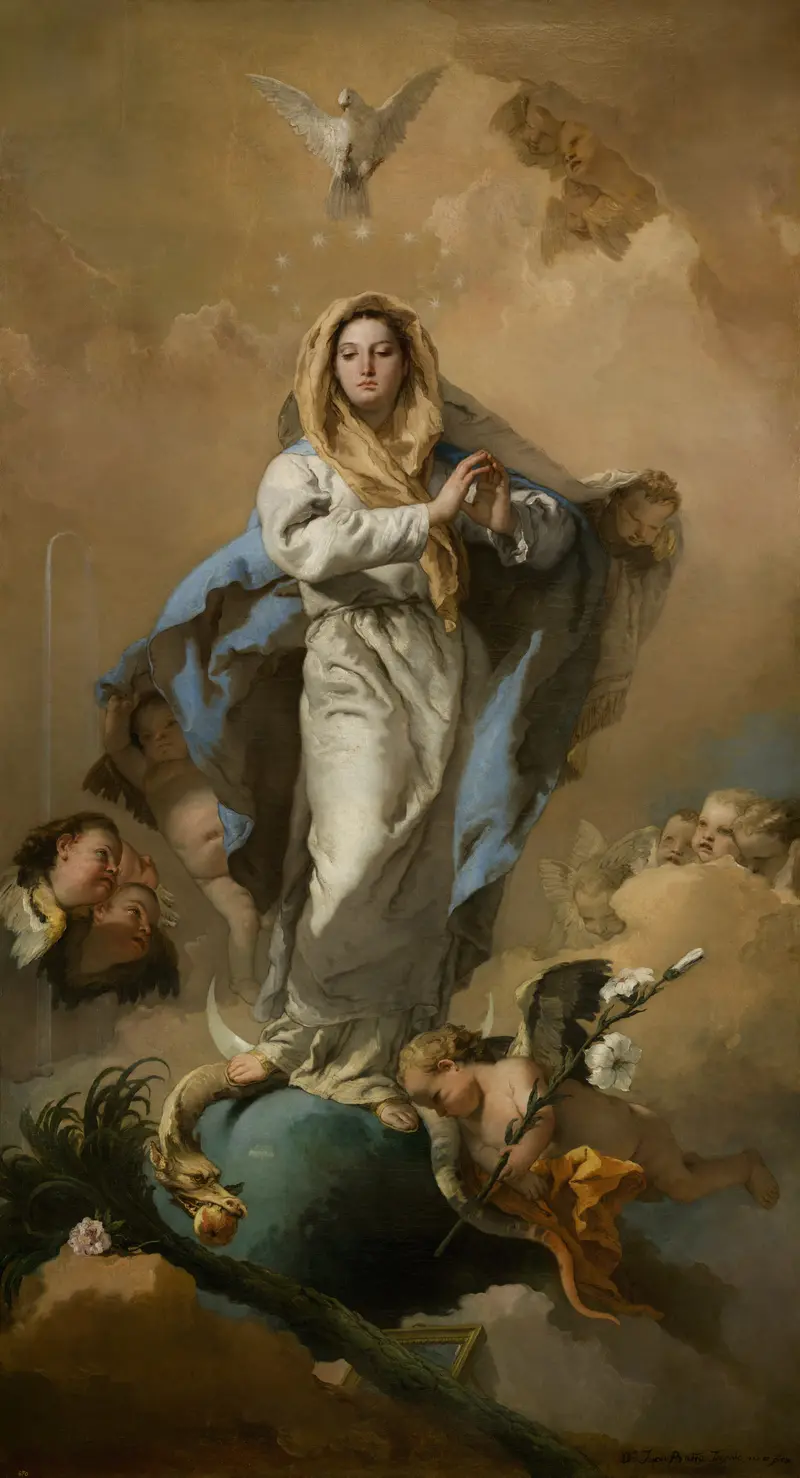
The Immaculate Conception
Giovanni Battista Tiepolo
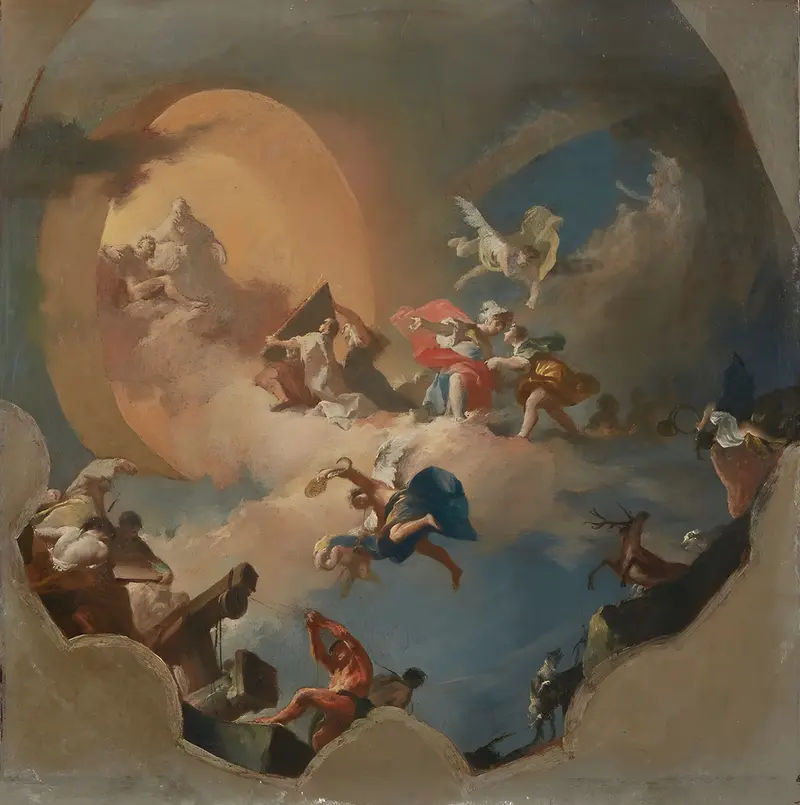
The Apotheosis of the Arts
Giovanni Battista Tiepolo
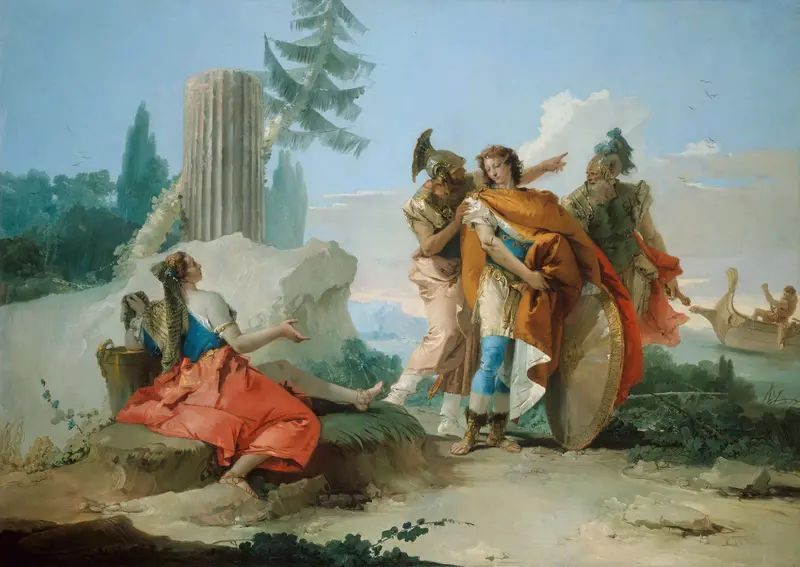
Armida Abandoned by Rinaldo
Giovanni Battista Tiepolo

Rinaldo and the Magus of Ascalon
Giovanni Battista Tiepolo
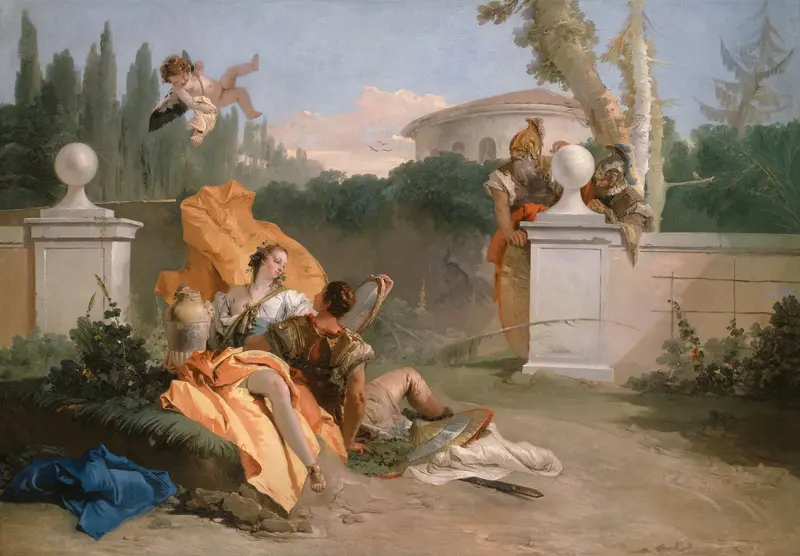
Rinaldo and Armida in Her Garden
Giovanni Battista Tiepolo
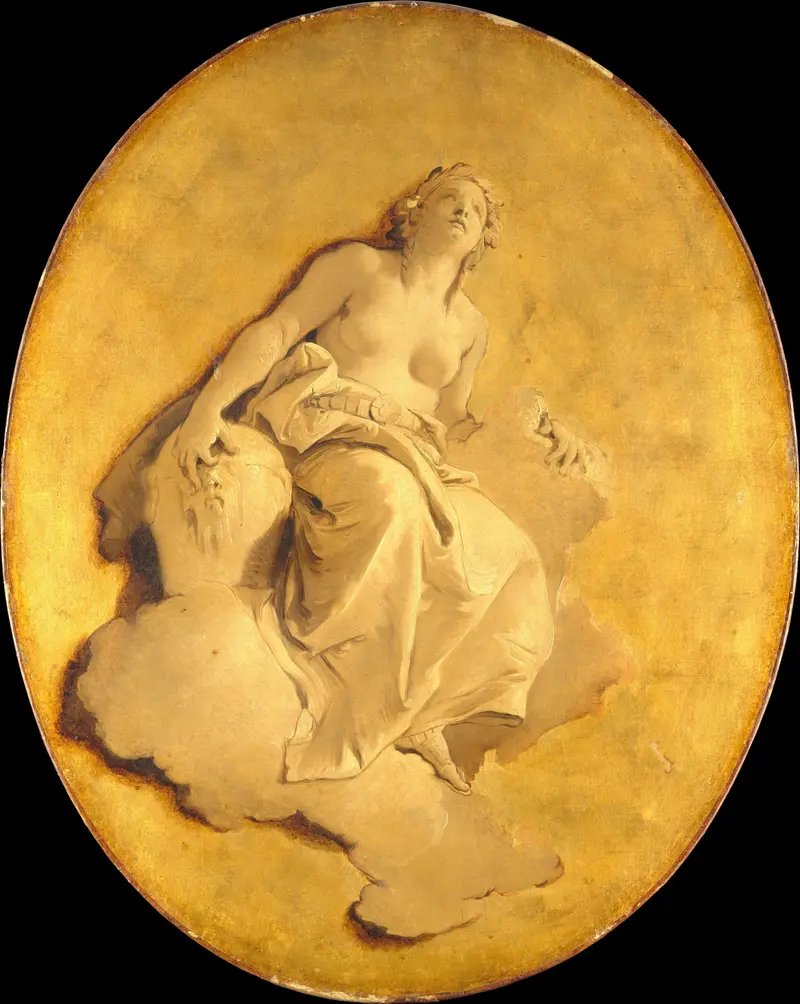
A Female Allegorical Figure
Giovanni Battista Tiepolo
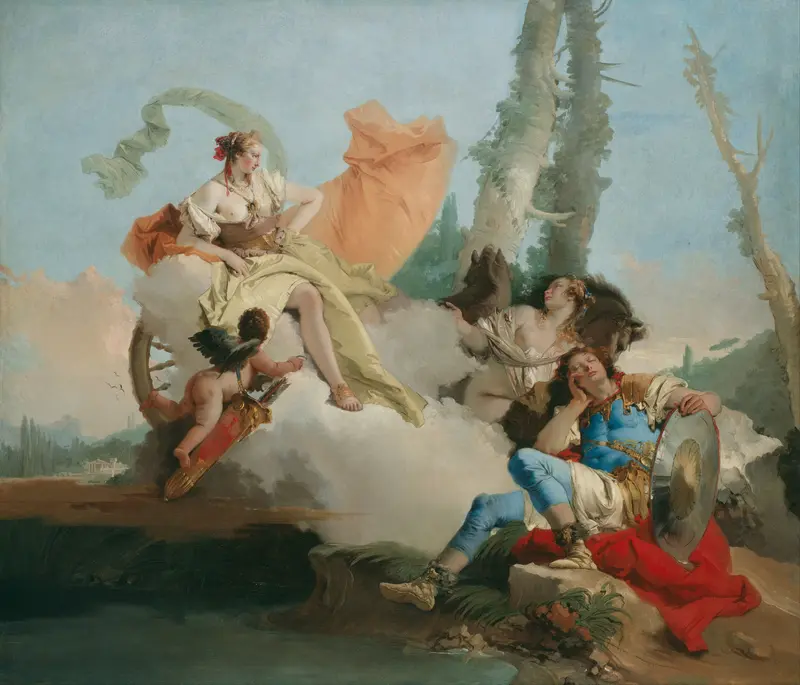
Armida Encounters the Sleeping Rinaldo
Giovanni Battista Tiepolo
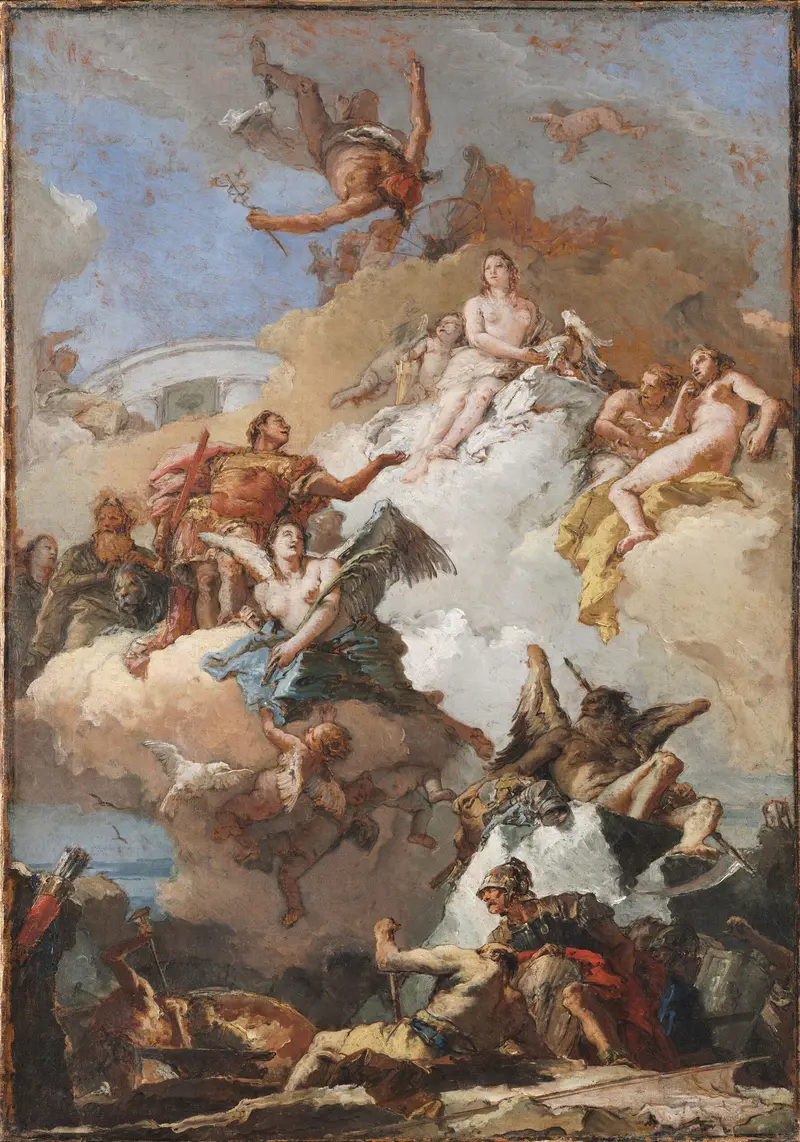
The Apotheosis of Aeneas
Giovanni Battista Tiepolo
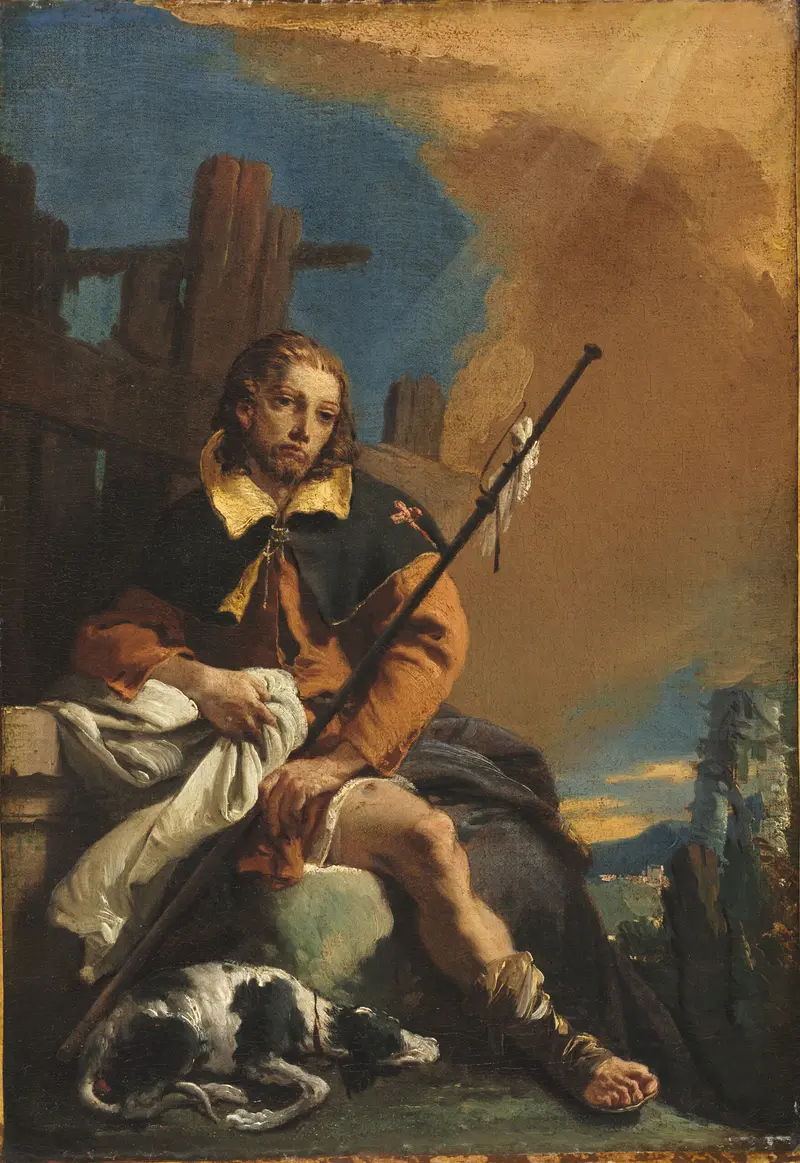
Saint Roch as a Pilgrim
Giovanni Battista Tiepolo
The Apotheosis of the Spanish Monarchy
Giovanni Battista Tiepolo





