
Am Tullnbach bei Plankenberg — History & Facts
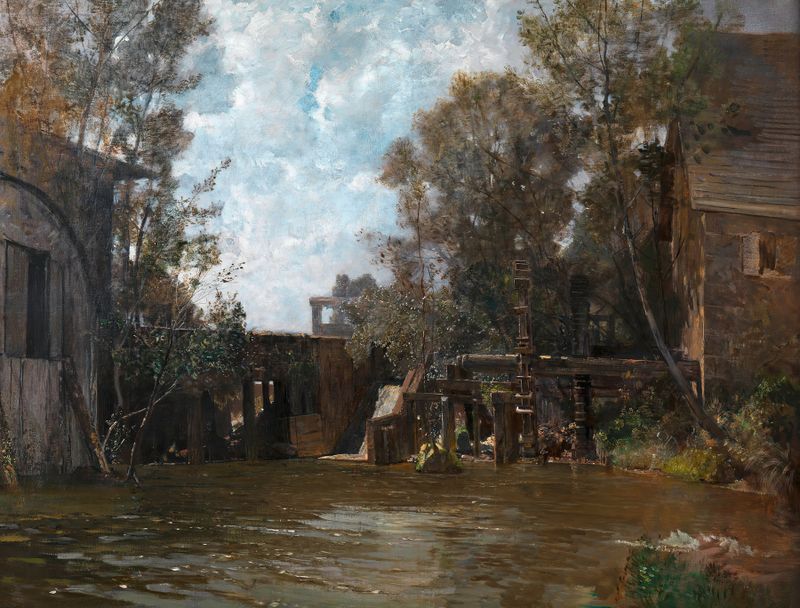
Can beauty exist without sorrow? In Am Tullnbach bei Plankenberg, the landscape whispers secrets of longing, inviting the observer to ponder the depths of emotion intertwined with nature's splendor. Look to the left at the gentle curve of the stream, its surface shimmering under a veil of golden sunlight. Notice how the artist has mastered the interplay of light and shadow, creating a serene dance across the water's edge. The lush greenery frames the scene, each leaf rendered with meticulous care, while the distant hills rise like silent guardians, embracing the placid tranquility of the moment.
This is an invitation to delve into a world both idyllic and elusive. Yet, beneath the surface of this picturesque landscape lies a tension that evokes a profound sense of yearning. The vibrant vegetation flourishes, but the quietude is punctuated by the absence of human presence—an echo of solitude amidst abundance. One might feel the weight of unexpressed emotions, as if the beauty surrounding us serves as a reminder of what is unattainable or lost.
The flowing water, a symbol of time slipping away, amplifies this feeling, urging us to confront our own desires and memories. In the late 19th century, Emil Jakob Schindler painted this work in the context of burgeoning Impressionism, as he sought to capture the fleeting effects of light and atmosphere. Working in Austria, he was immersed in a vibrant artistic community, yet he often felt torn between tradition and innovation. During this period, the landscape genre was undergoing a transformation, and Schindler's approach reflected a deep introspection, revealing both the beauty and heartbreak that nature can embody.
More Artworks by Emil Jakob Schindler
Browse all →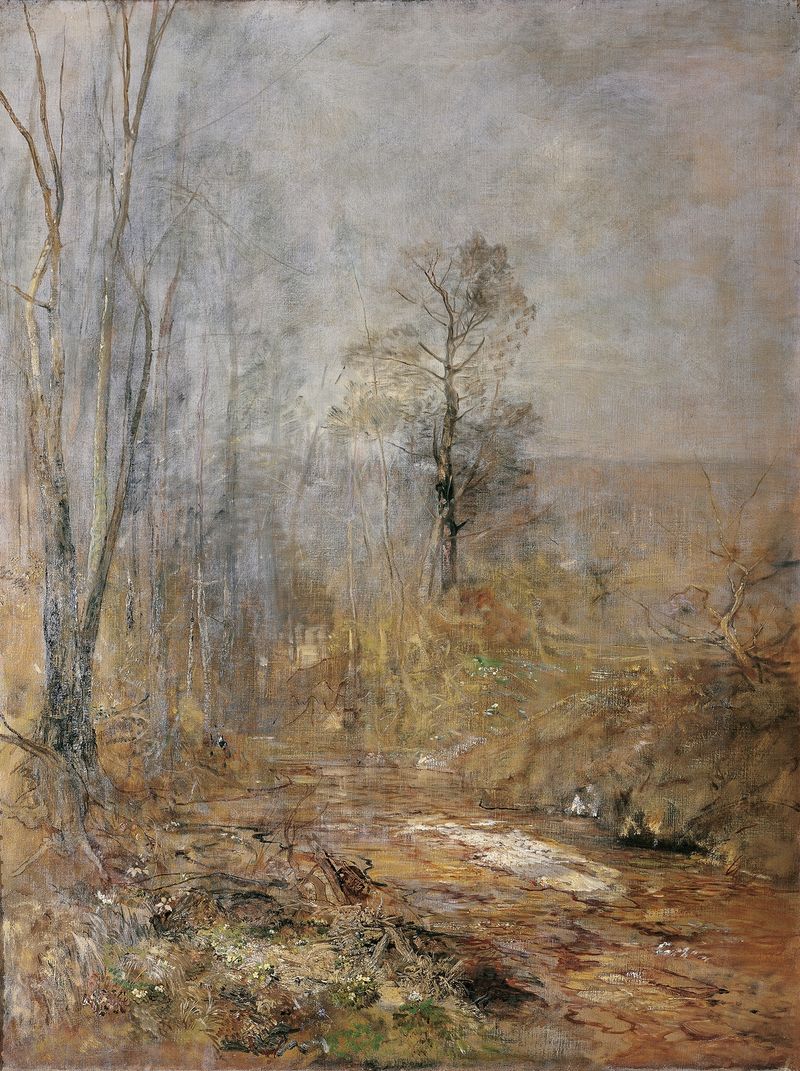
Märzstimmung – Vorfrühling im Wienerwald
Emil Jakob Schindler
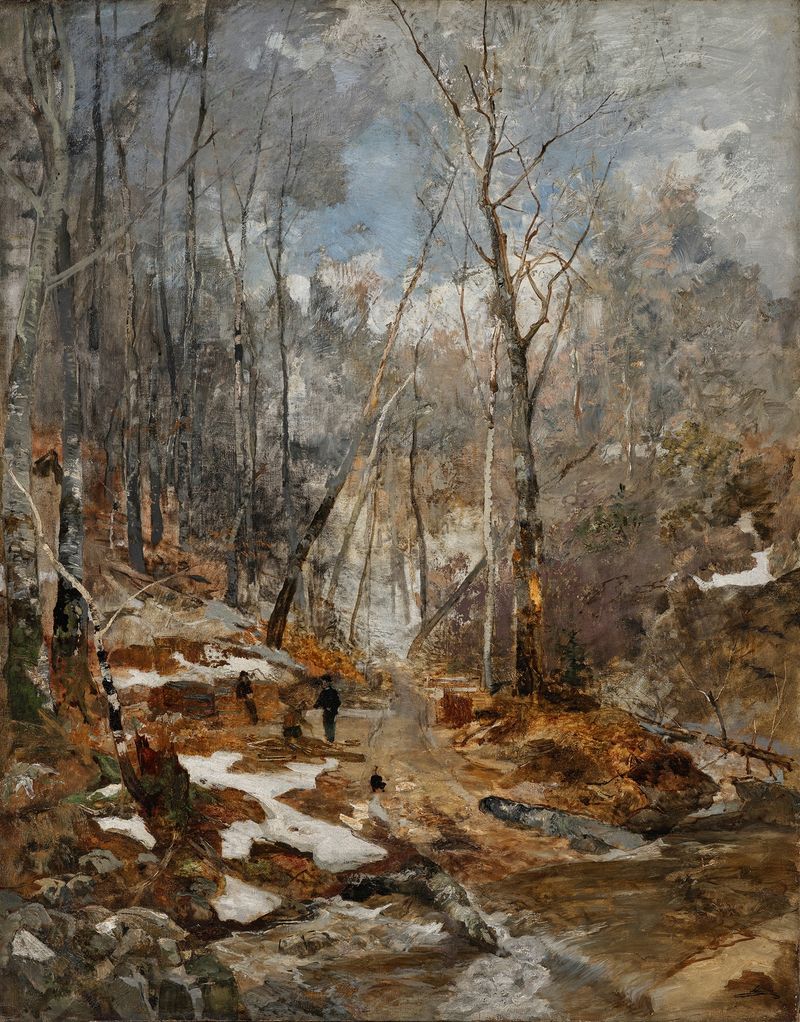
Februarstimmung – Vorfrühling im Wienerwald
Emil Jakob Schindler
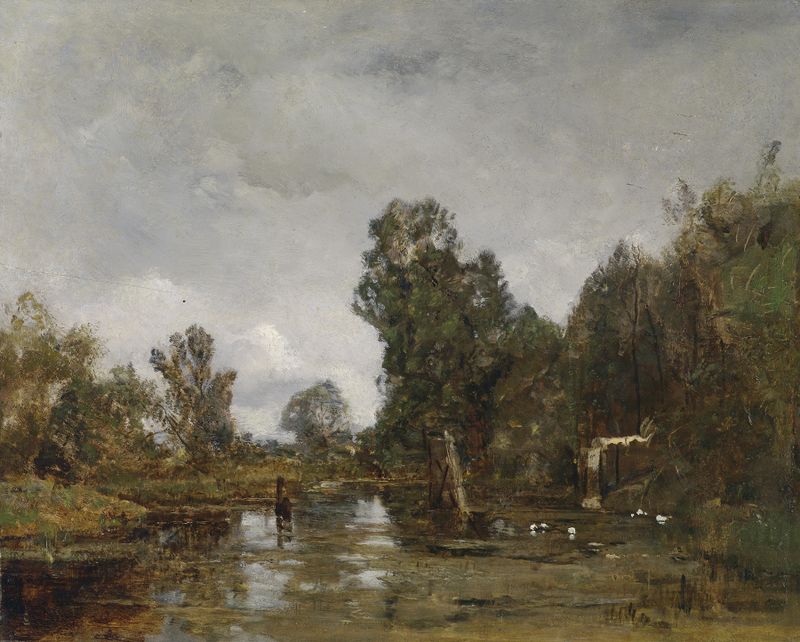
Motiv aus dem Wiener Prater (Krieau)
Emil Jakob Schindler
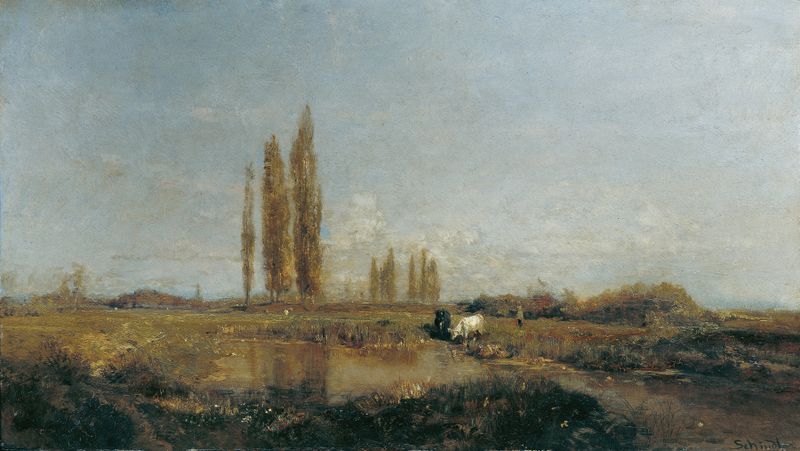
An der Thaya bei Lundenburg
Emil Jakob Schindler
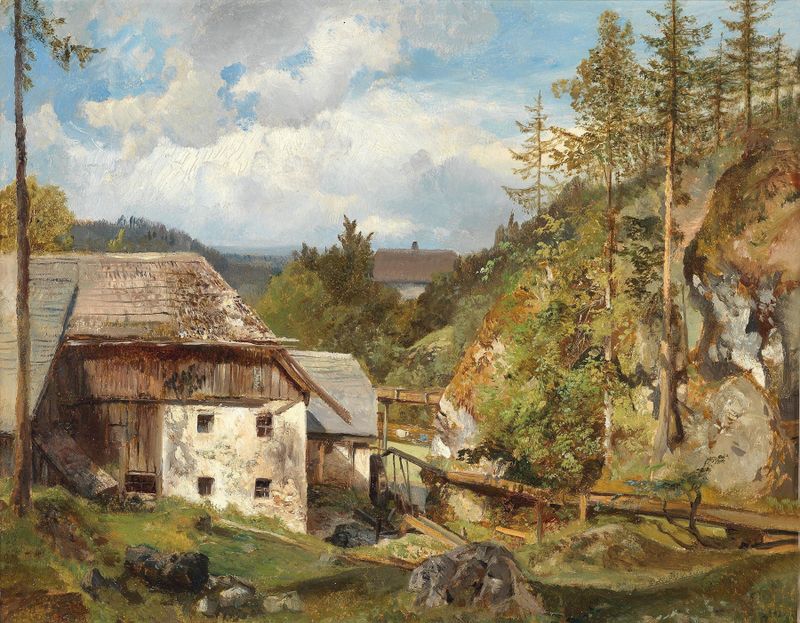
Die Mühle im Wald
Emil Jakob Schindler
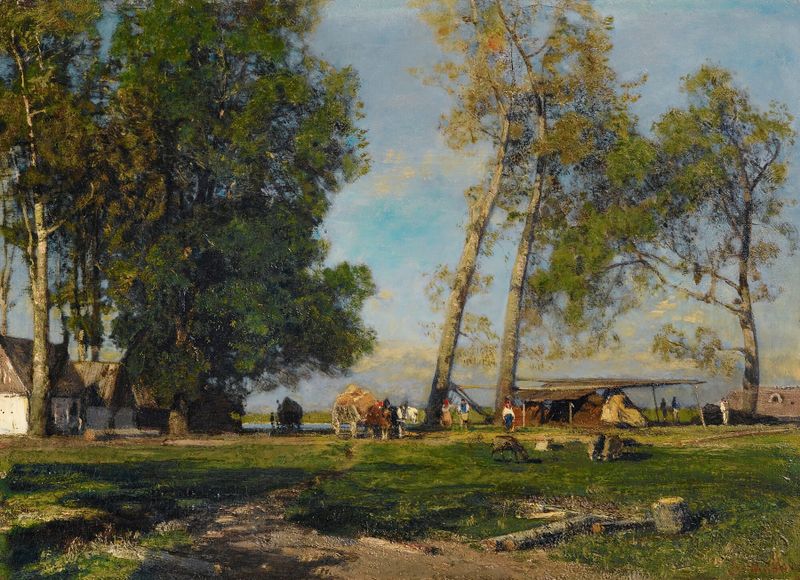
The Prater Gardens, Vienna
Emil Jakob Schindler
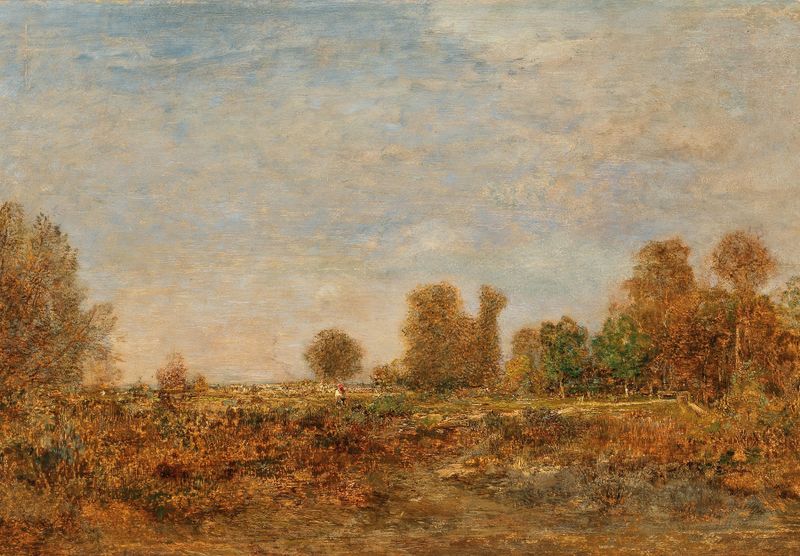
Landschaft, Lundenburg
Emil Jakob Schindler
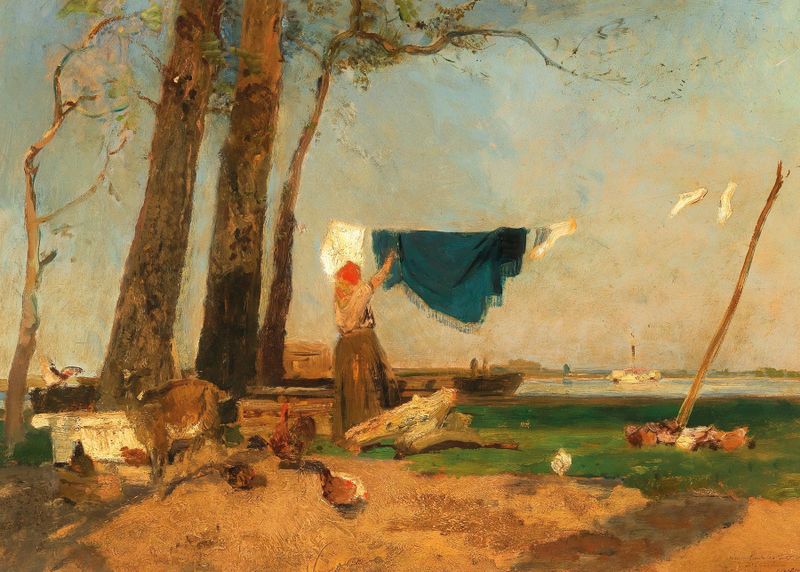
A washerwoman on the Danube bank, near the Praterspitz
Emil Jakob Schindler
Mühle in Plankenberg
Emil Jakob Schindler
Mondaufgang in der Praterau
Emil Jakob Schindler





