
Angélique — History & Facts
Few paintings by Jean Auguste Dominique Ingres have sparked as much discussion about the boundaries between classical restraint and sensuality as Angélique, completed in 1819. When first exhibited at the Salon that year, it drew immediate attention for its daring treatment of the female nude, and for Ingres’s decision to revisit a subject made famous by earlier artists, including Jean-Honoré Fragonard and Eugène Delacroix. While Ingres was already known for his meticulous draftsmanship, here he pushed the limits of academic convention, provoking both admiration and controversy among his contemporaries. The scene is drawn from Ludovico Ariosto’s epic poem Orlando Furioso: Angélique, princess of Cathay, is shown at the moment of her greatest peril, chained to a rock as a sacrifice to a sea monster.
Ingres captures the instant before her rescue, her body twisting in an uneasy blend of vulnerability and classical poise. The cold, smooth surface of the rock contrasts with the delicate flesh, while the iron manacles emphasize her helplessness. Unlike Delacroix’s later, more turbulent Angelica and the Sea Monster, Ingres’s composition is spare, the drama internalized in Angélique’s wide-eyed gaze and tense posture, her exposed form both an object of desire and a symbol of innocence threatened. The precise origins of Angélique’s commission are not fully documented, but the work marks a pivotal moment in Ingres’s early Parisian career, just before his long sojourn in Rome.
It was painted during a period when he was seeking recognition from the French Academy, and its reception helped cement his reputation as a leading figure of the emerging Neoclassical movement. Over the years, the painting has passed through several private collections and is now held in a major public museum, where it continues to invite debate about the depiction of myth, the female body, and the enduring tension between narrative and form in nineteenth-century art.
More Artworks by Jean Auguste Dominique Ingres
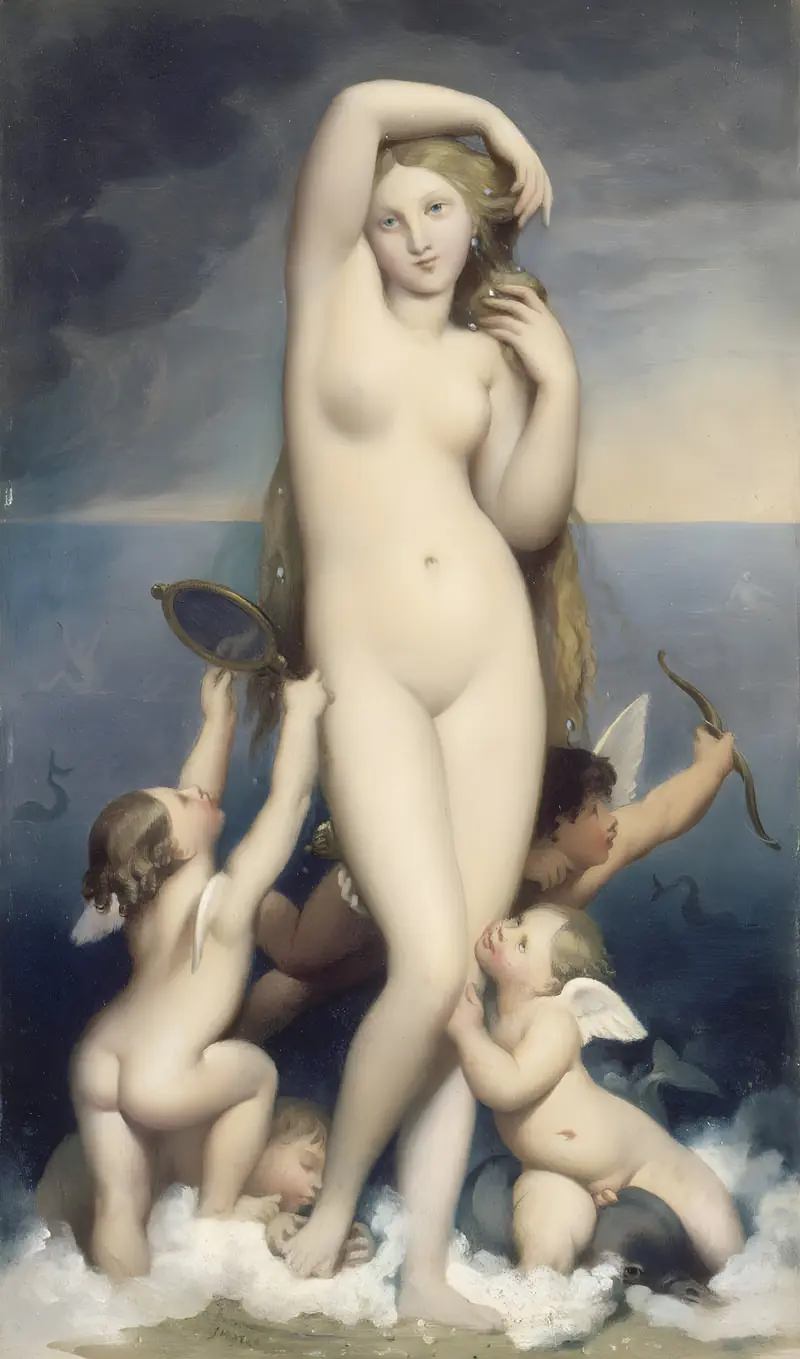
Vénus anadyomène
Jean Auguste Dominique Ingres
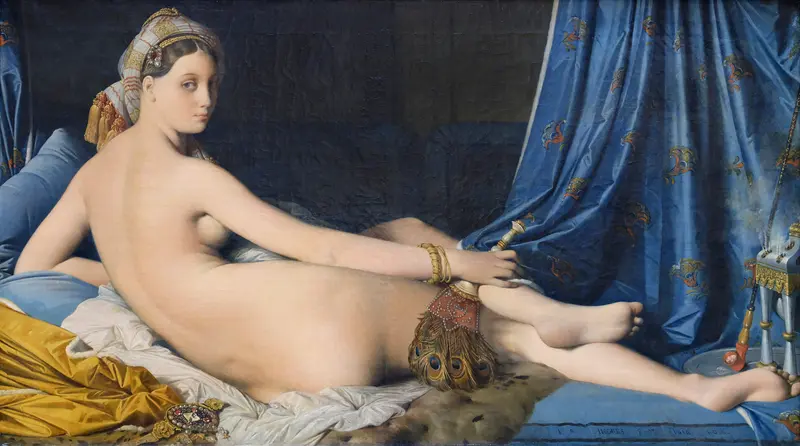
Grande Odalisque
Jean Auguste Dominique Ingres
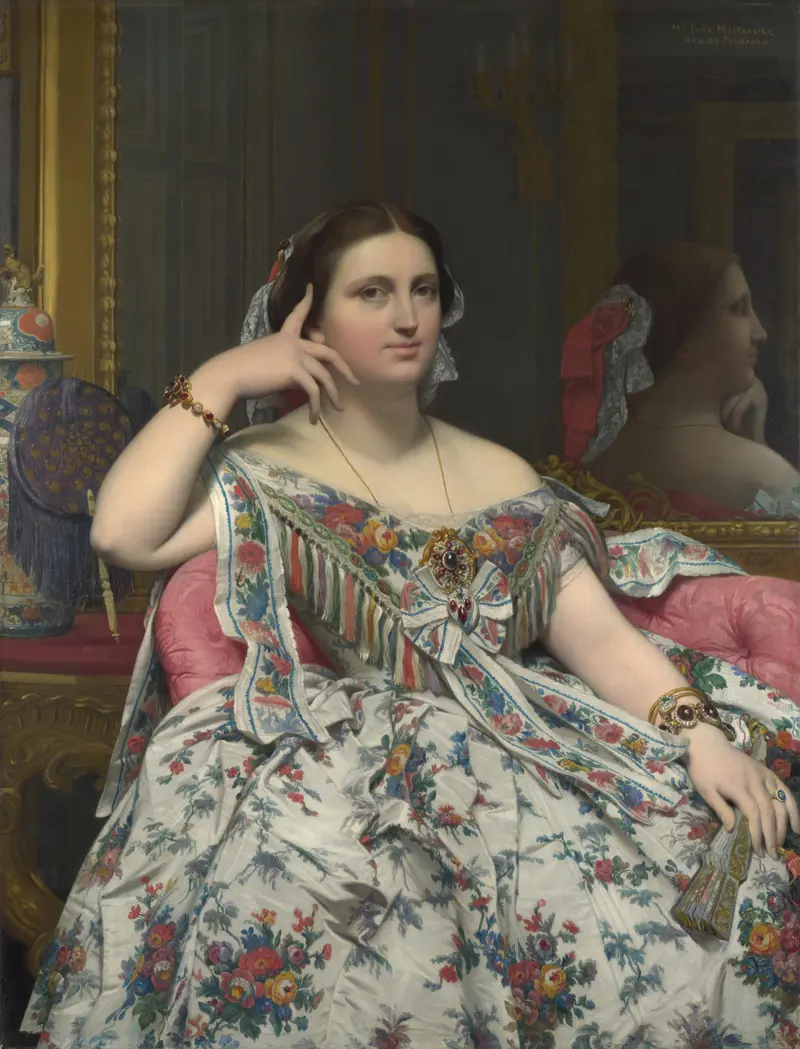
Madame Moitessier (seated)
Jean Auguste Dominique Ingres
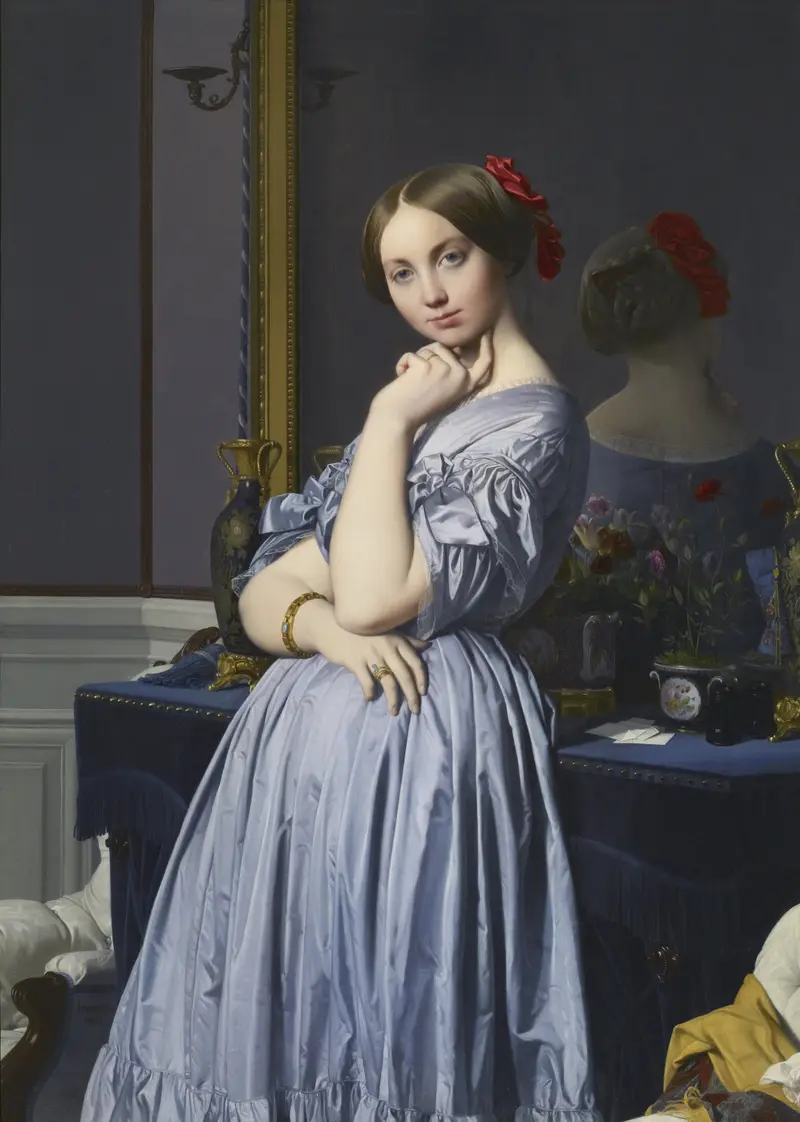
Portrait of Comtesse d’Haussonville
Jean Auguste Dominique Ingres
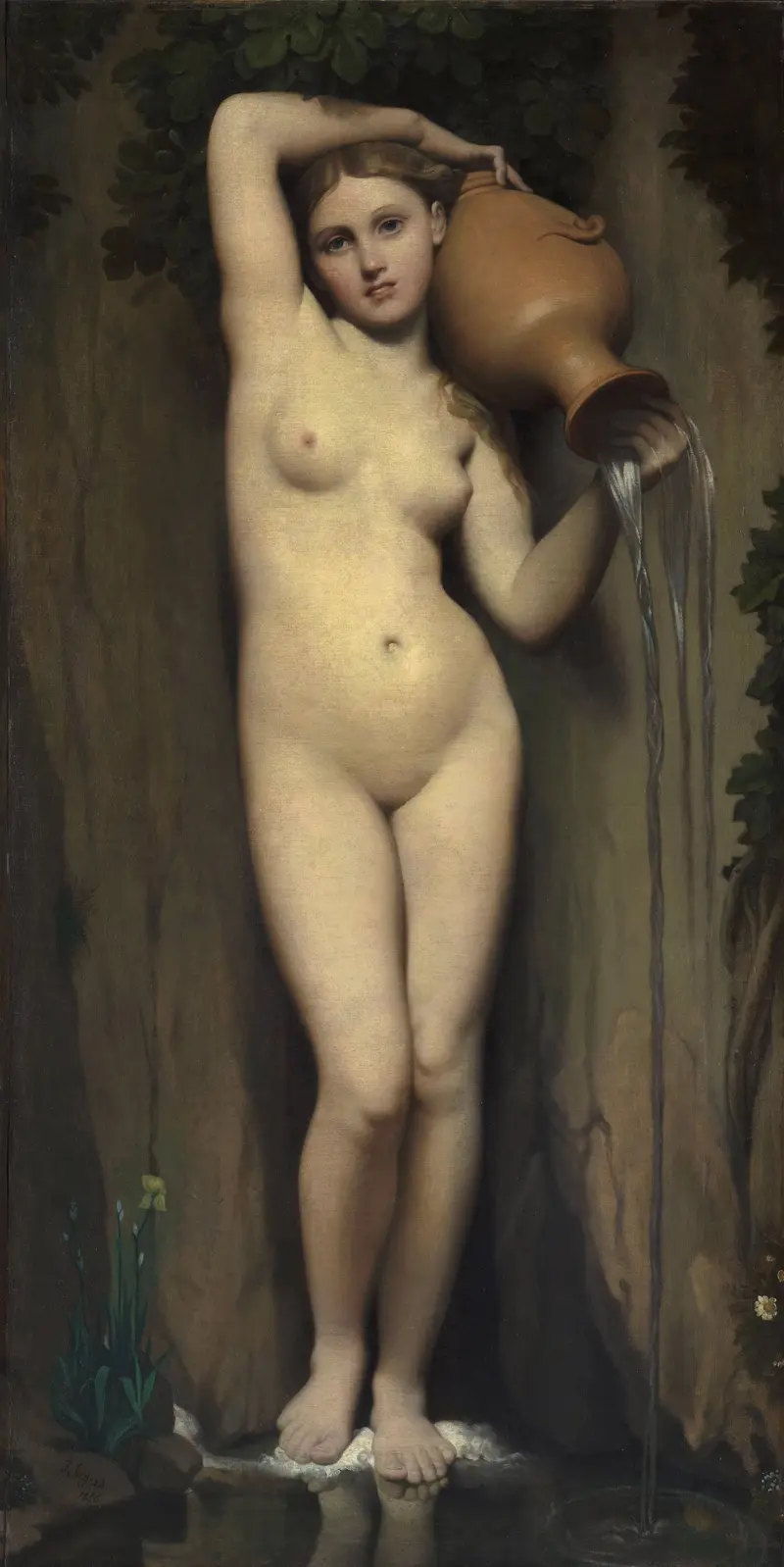
The Source
Jean Auguste Dominique Ingres
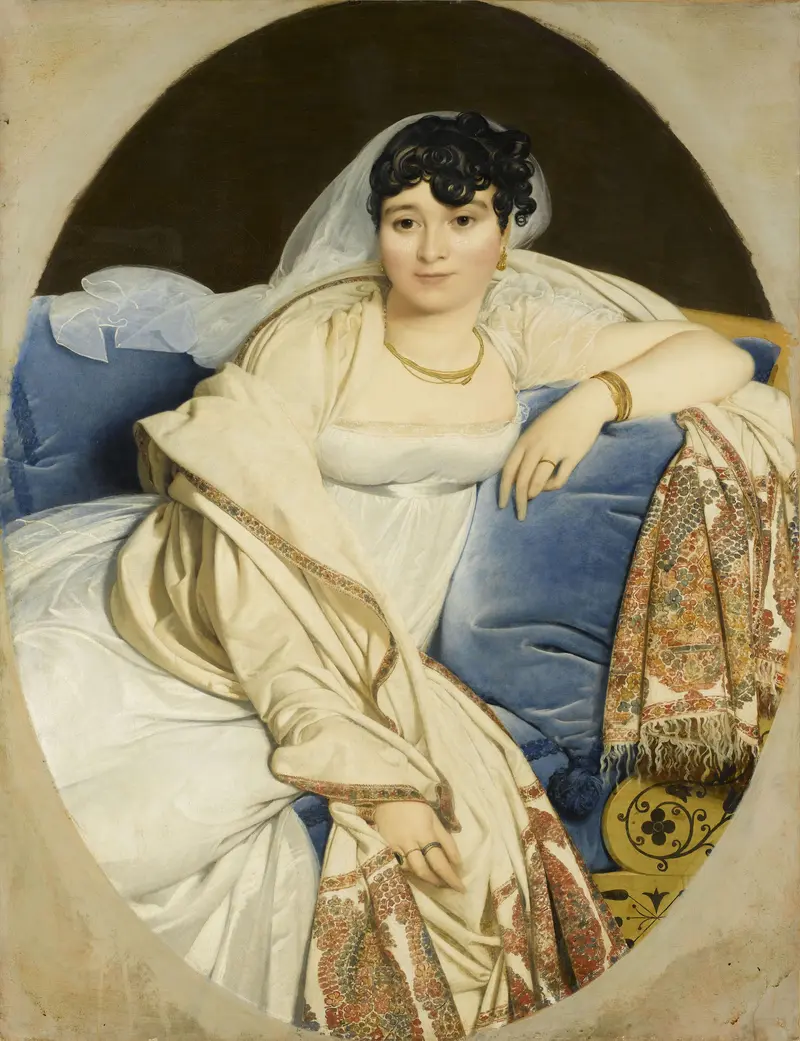
Madame Rivière
Jean Auguste Dominique Ingres

Madame Jean-Auguste-Dominique Ingres, née Madeleine Chapelle
Jean Auguste Dominique Ingres

Portrait of a Lady
Jean Auguste Dominique Ingres
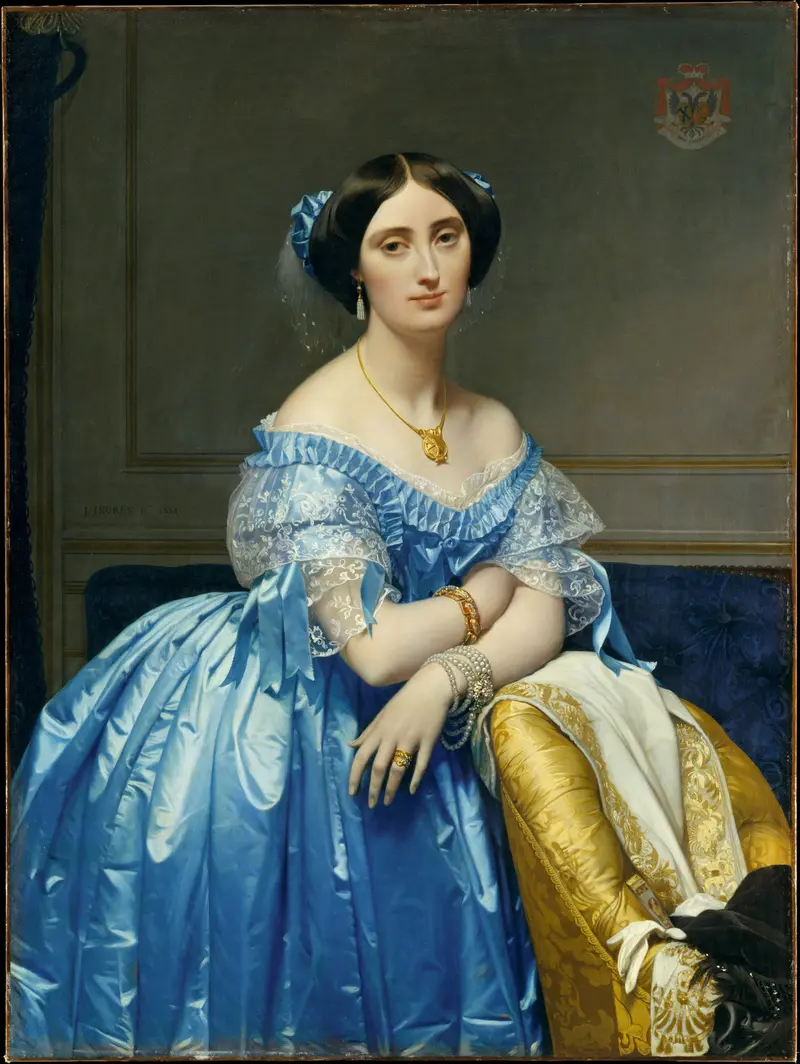
Joséphine-Éléonore-Marie-Pauline de Galard de Brassac de Béarn (1825–1860), Princesse de Broglie
Jean Auguste Dominique Ingres
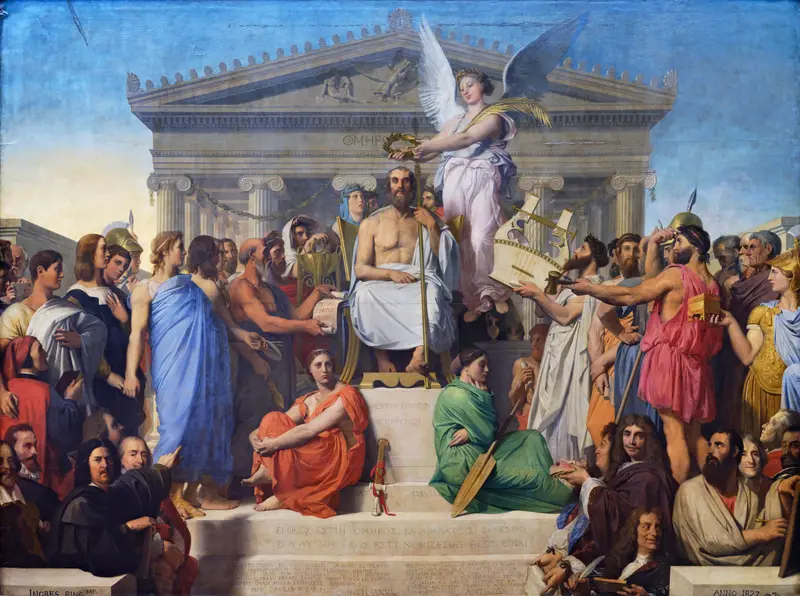
The Apotheosis of Homer
Jean Auguste Dominique Ingres





