
Antiochus sending Scipio's son back — History & Facts
When Jean Auguste Dominique Ingres was only nineteen, he submitted Antiochus sending Scipio's son back to the 1800 Prix de Rome competition, marking his first attempt at this prestigious prize. The subject was a set theme for all competitors that year, challenging young artists to demonstrate both narrative clarity and emotional restraint. Although Ingres did not win the prize, his entry impressed the jury with its ambitious composition and the promise of a new voice in French painting.
This early work foreshadows the neoclassical rigor and psychological subtlety that would define Ingres’s later career. The painting captures a moment from Roman history: after the defeat of Antiochus III at Magnesia in 190 BCE, the Seleucid king returns Scipio’s son, taken hostage, to the Roman general Scipio Africanus. Ingres chooses the instant of the boy’s release, focusing on the dignified exchange between the two leaders. Antiochus’s gesture—right hand extended in a formal salute—signals respect and submission, while the young Scipio stands between the men, a living pledge of peace.
The composition is anchored by classical architecture and draped figures, recalling the gravitas of Jacques-Louis David’s Oath of the Horatii, yet Ingres’s figures are softer, their faces marked by a youthful earnestness. The whereabouts of Antiochus sending Scipio's son back today are uncertain; like many student works of the era, it may have remained in private hands or been lost. What is clear is its importance in the development of Ingres’s style: the painting stands at the threshold of his long engagement with history painting and his lifelong dialogue with antiquity. Though not a prize-winner, it announced the arrival of a painter who would, within a decade, become a central figure of the Neoclassical movement in France.
More Artworks by Jean Auguste Dominique Ingres
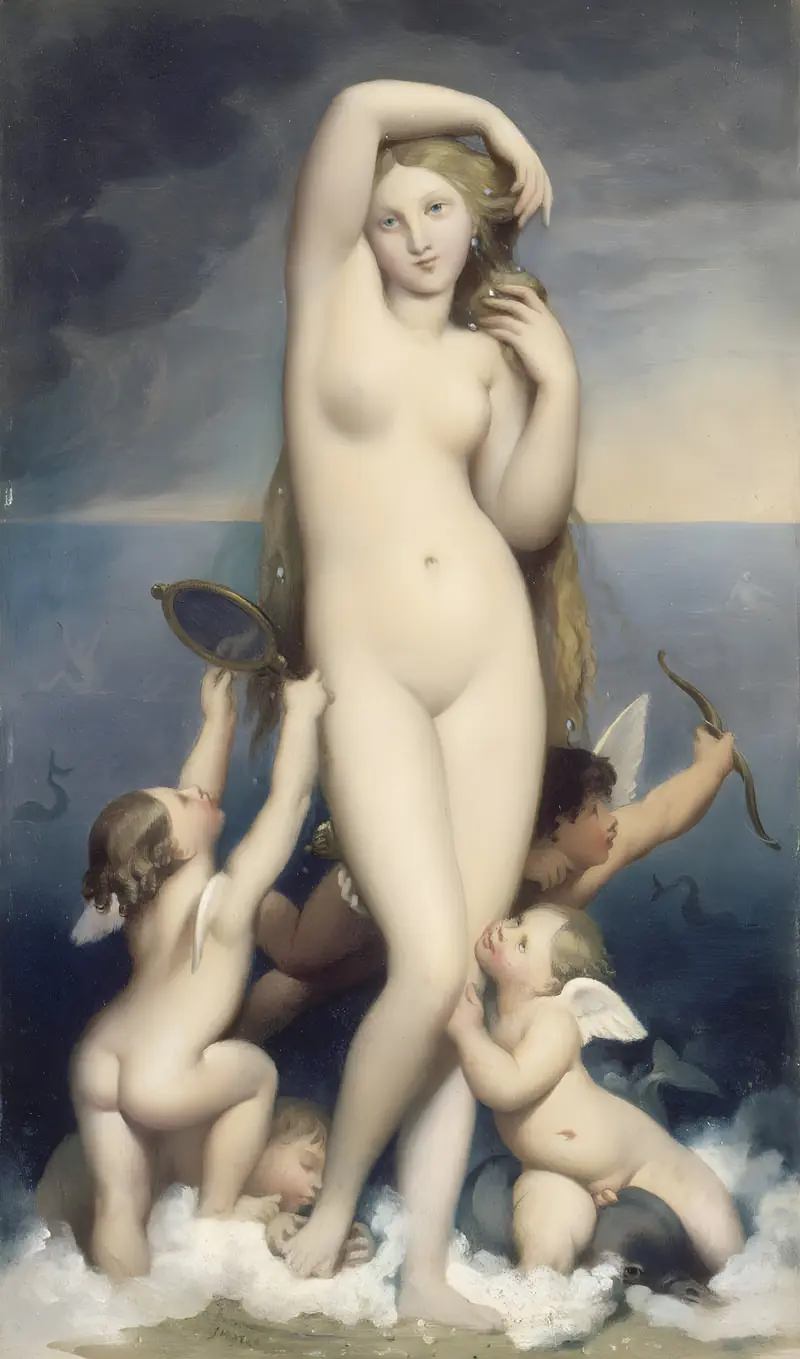
Vénus anadyomène
Jean Auguste Dominique Ingres
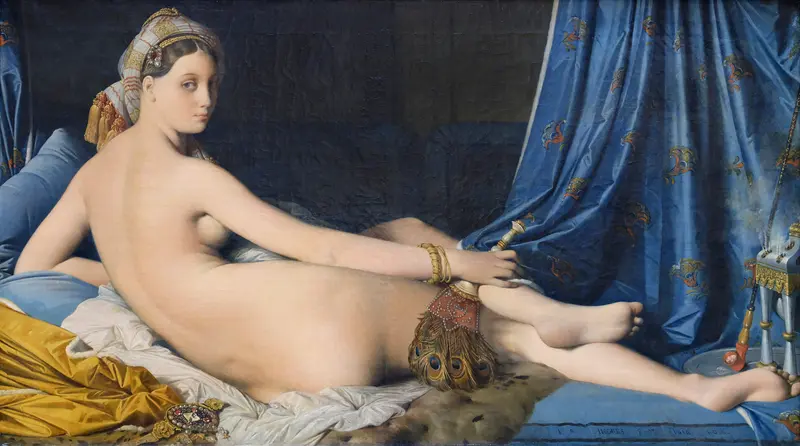
Grande Odalisque
Jean Auguste Dominique Ingres
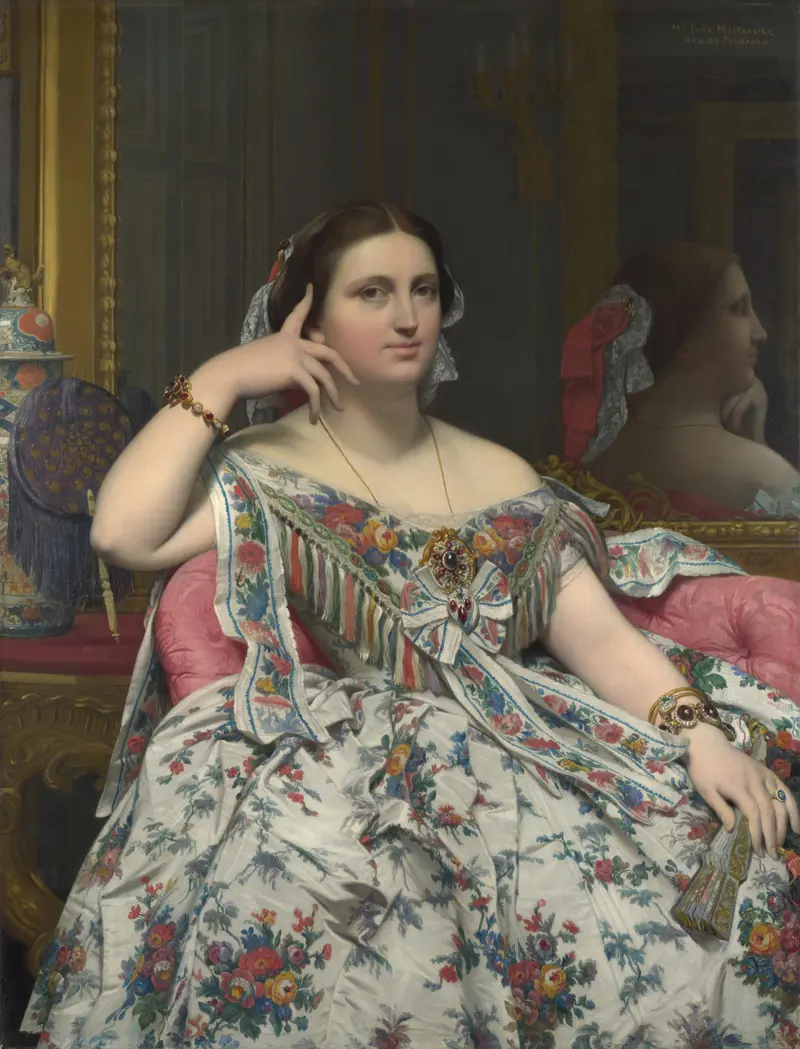
Madame Moitessier (seated)
Jean Auguste Dominique Ingres
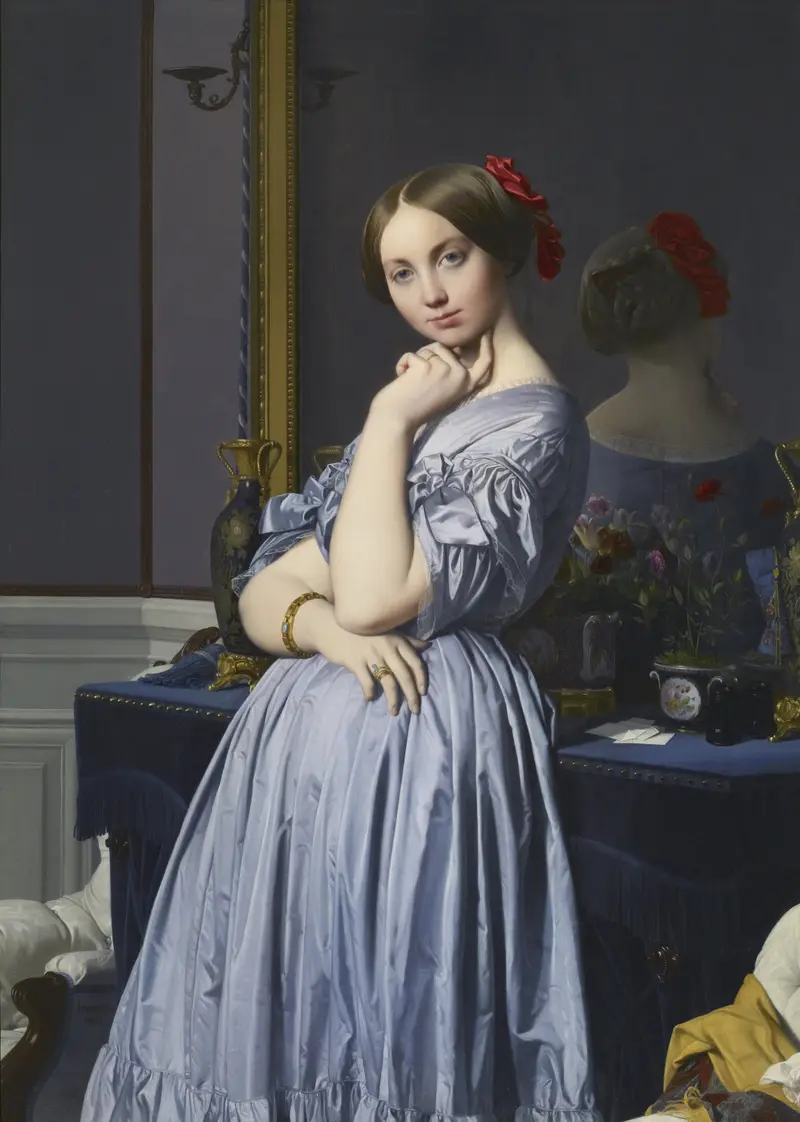
Portrait of Comtesse d’Haussonville
Jean Auguste Dominique Ingres
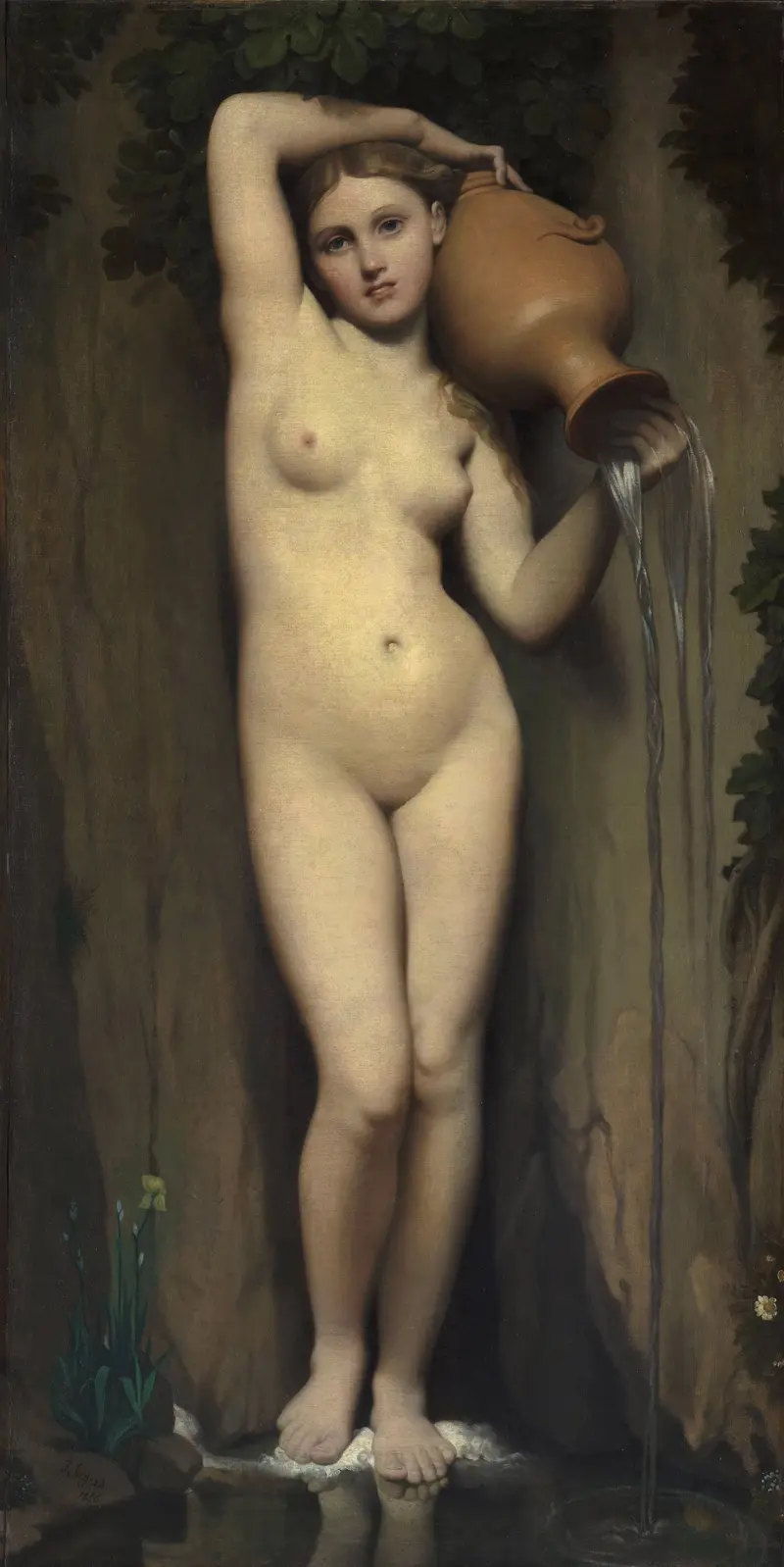
The Source
Jean Auguste Dominique Ingres
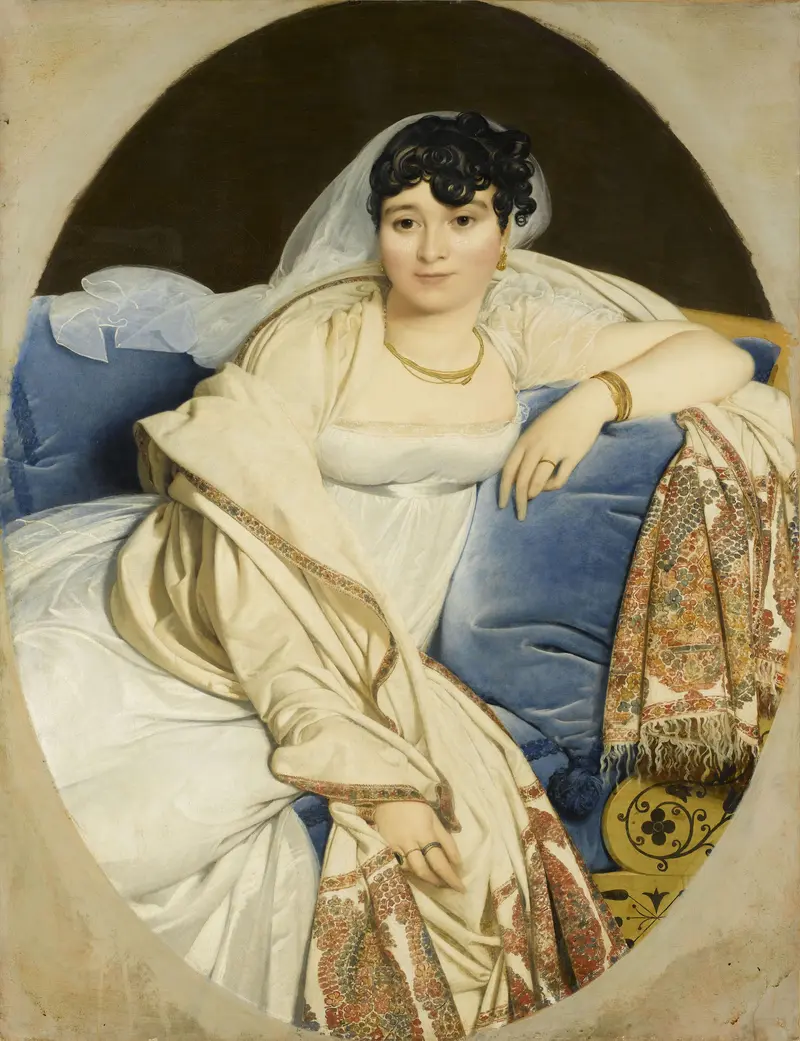
Madame Rivière
Jean Auguste Dominique Ingres

Madame Jean-Auguste-Dominique Ingres, née Madeleine Chapelle
Jean Auguste Dominique Ingres

Portrait of a Lady
Jean Auguste Dominique Ingres
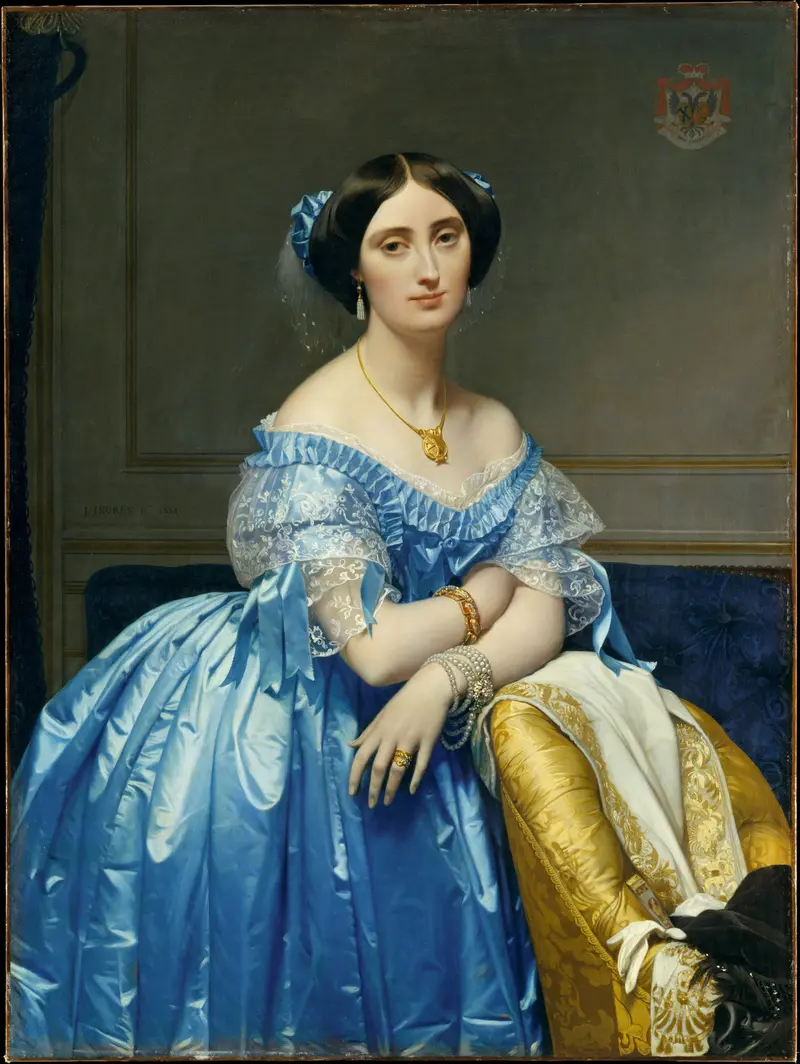
Joséphine-Éléonore-Marie-Pauline de Galard de Brassac de Béarn (1825–1860), Princesse de Broglie
Jean Auguste Dominique Ingres
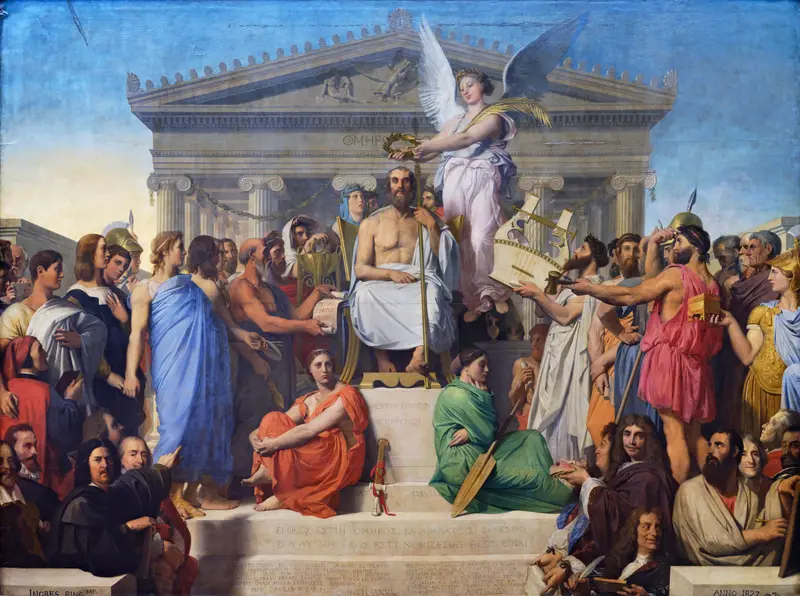
The Apotheosis of Homer
Jean Auguste Dominique Ingres





