Apollo met lauwerkrans op een wagen — History & Facts
In the delicate intertwining of paint and intention, we encounter a vivid representation of creation, poised between the divine and the earthly. Focus first on the central figure, Apollo, radiant and authoritative, standing tall at the helm of his chariot. His dynamic pose, accentuated by the flowing drapery, draws the eye immediately. Notice how the golden hues illuminate his skin, casting warmth against the cooler tones of the surrounding landscape.
The meticulous details of the laurel wreath crown and the intricate patterns on the chariot meld together, demonstrating a masterful technique that balances both realism and grandeur. In this work, contrasts emerge: the strength of Apollo's muscular form against the ethereal quality of the clouds swirling around him, symbolizing the connection between the human experience and divine inspiration. The laurel wreath, often a sign of victory and honor, speaks to the cyclical nature of creativity — a reminder that every achievement is born from struggles and sacrifices. Here, the chariot can be seen as a vessel of artistic endeavor, driven by the relentless pursuit of excellence and the quest for immortality through creation. Jacob Binck painted this work in 1530 during a period marked by the blossoming of Renaissance thought in the Low Countries.
At this time, the artist was establishing his reputation in Antwerp, surrounded by a burgeoning art scene that celebrated humanism and classical themes. Binck's focus on mythological subjects mirrored the larger artistic movements of the era, representing a desire to fuse the past with contemporary ideals.
More Artworks by Jacob Binck
Browse all →
Portret van Christiaan II, koning van Denemarken
Jacob Binck

Christus en de Samaritaanse vrouw
Jacob Binck
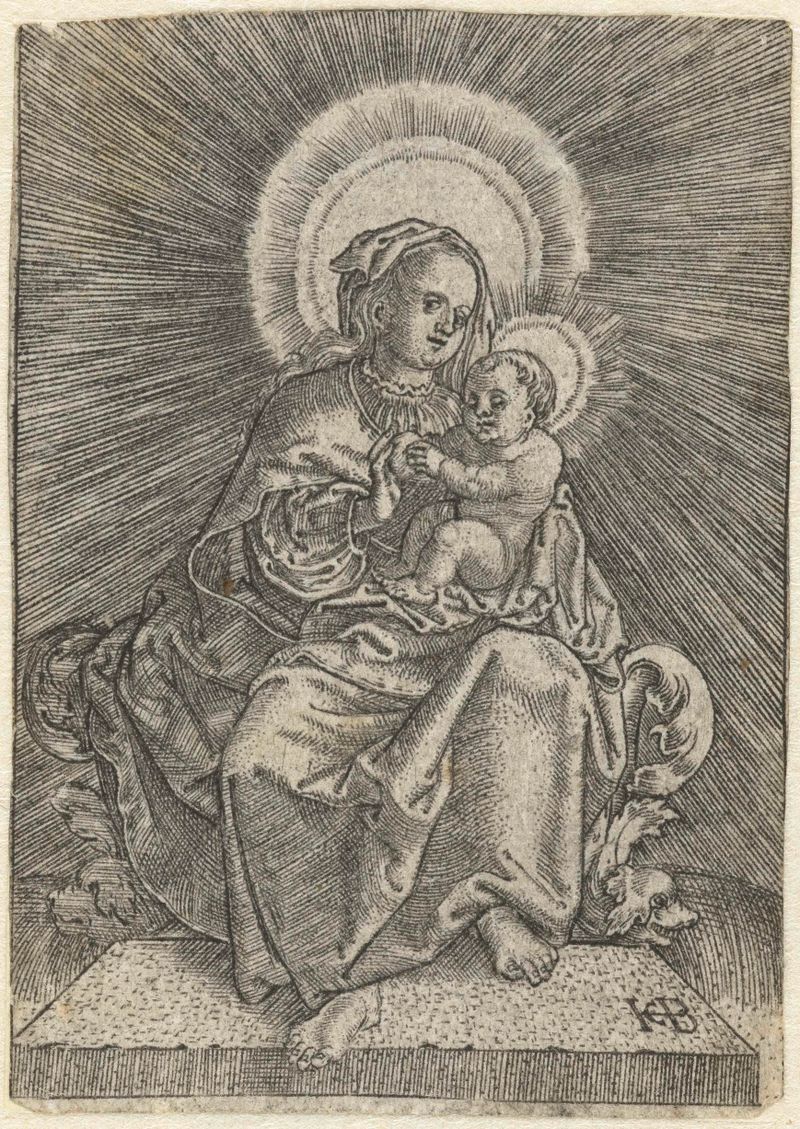
Tronende Maria met kind en appel in stralenkrans
Jacob Binck

Christus op de koude steen
Jacob Binck

Ornament met twee putti op dolfijnen onder een vaas
Jacob Binck
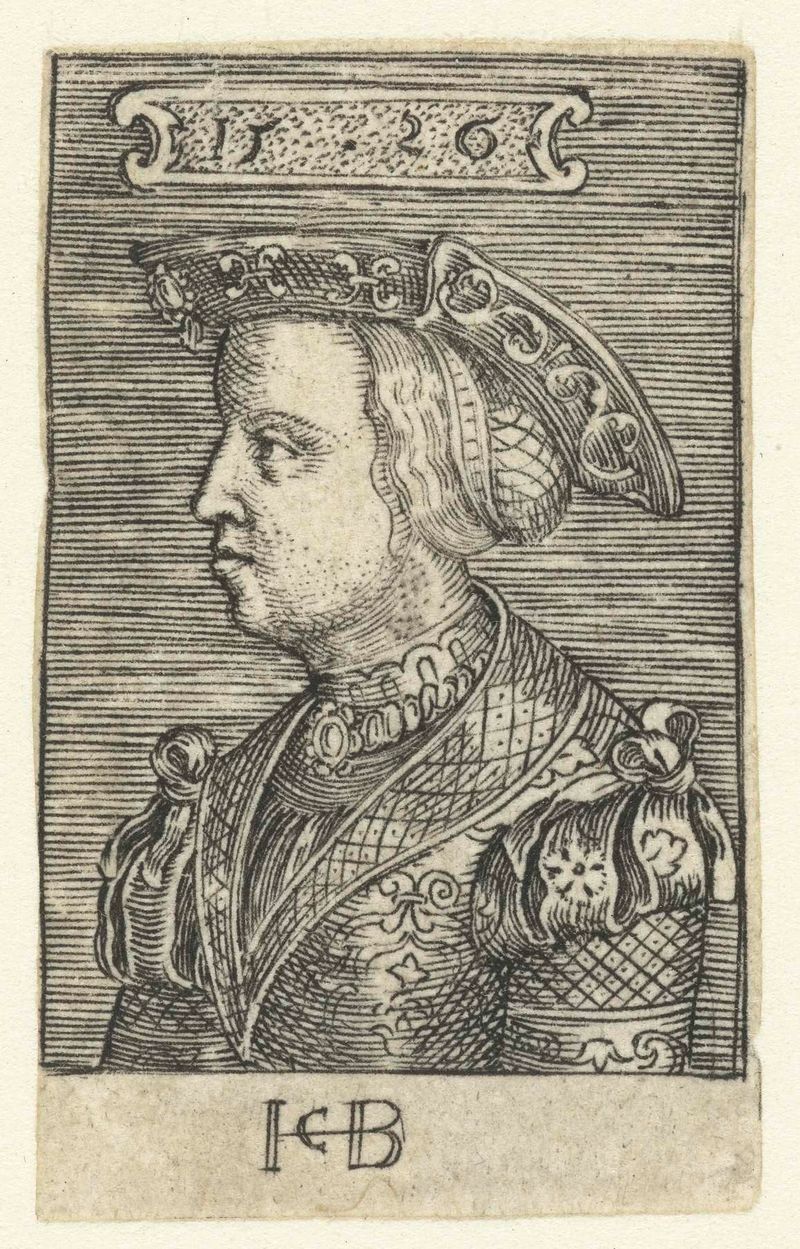
Portret van Claudia van Valois, echtgenote van Frans I
Jacob Binck

Ceres met kroon van korenaren, sikkel, brandende toorts en tweekoppige slang
Jacob Binck
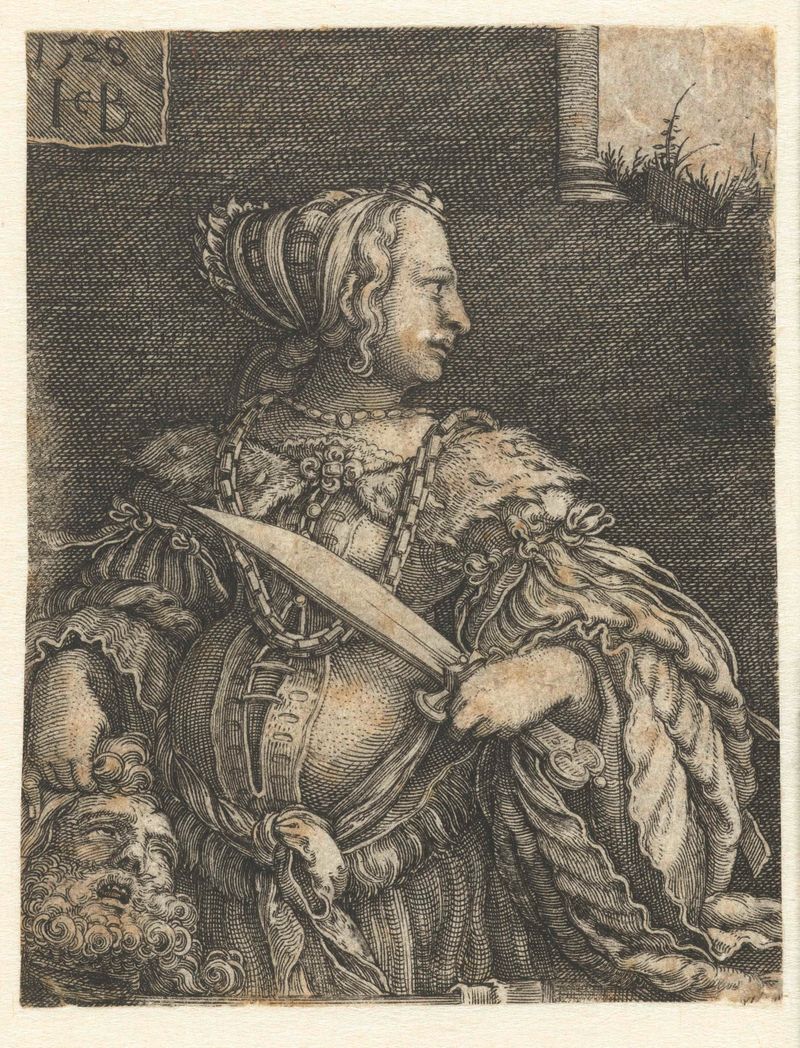
Judith met het hoofd van Holofernes
Jacob Binck
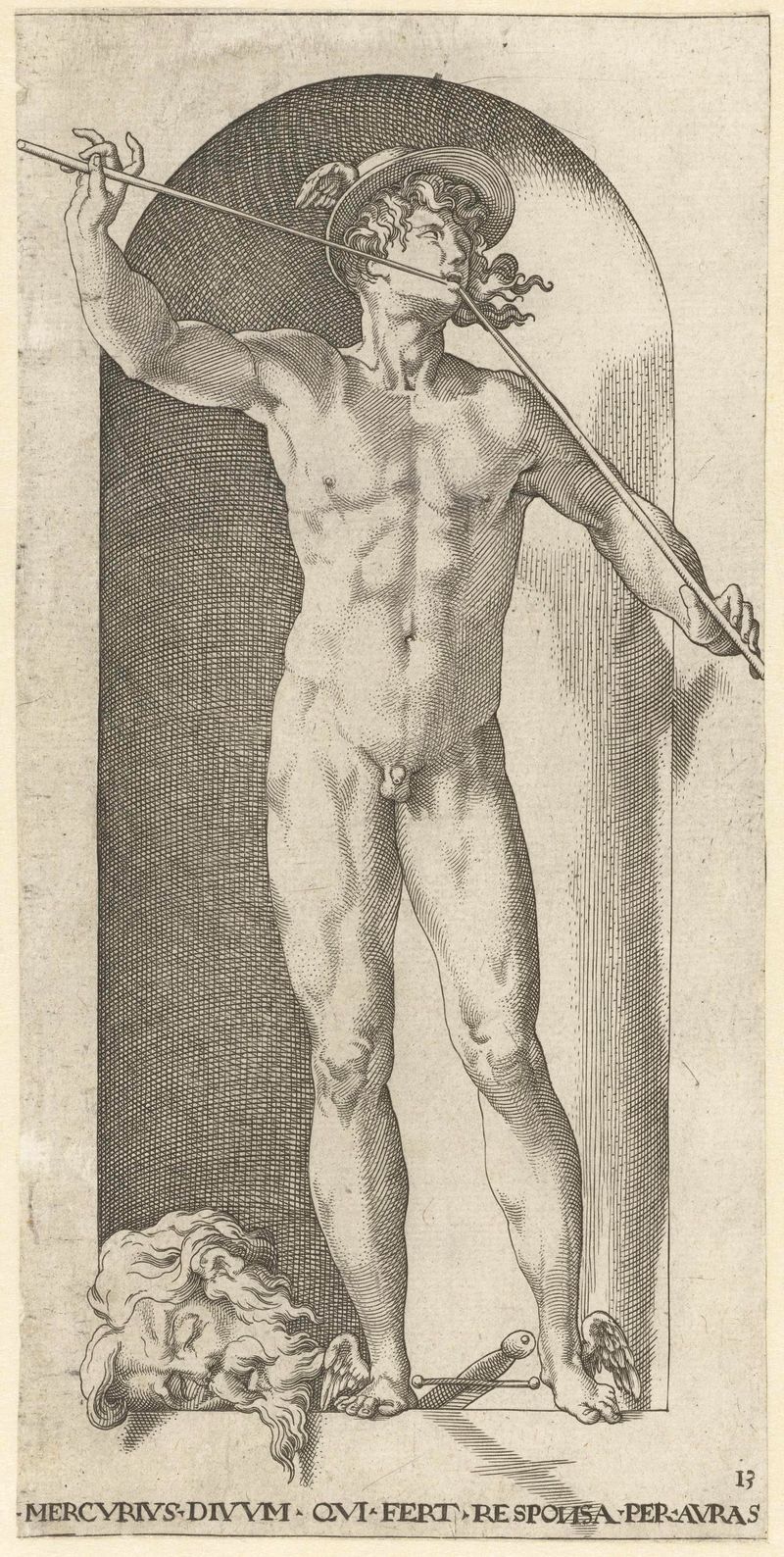
Mercurius met het hoofd van Argus
Jacob Binck

Minerva (Pallas Athena) met Medusahoofd op schild
Jacob Binck