
Arrangement in Black (The Lady in the Yellow Buskin) — History & Facts
A single figure emerges from darkness, her form nearly dissolving into the deep black that surrounds her. What first catches the eye is not her face, but the vivid yellow of her shoes—“buskins”—and the subtle glint of her gloves, both rendered with a softness that hints at movement. The woman’s pose is reserved, her head turned just enough to meet the viewer’s gaze with an air of quiet self-possession.
Whistler’s brushwork is economical, letting shadow and suggestion do the work of detail, so that the fur of her cape and the folds of her skirt seem to hover between presence and absence. The light, such as it is, pools around her face and hands, drawing us into her world and then holding us at a respectful distance. Painted in 1883, Arrangement in Black (The Lady in the Yellow Buskin) belongs to a moment when portraiture was shifting away from grand declarations and towards something more intimate, more psychological. Whistler, an American working in Europe, was known for his insistence on “arrangement” and harmony over narrative, and here the effect is almost musical: the painting is a study in contrasts, with the yellow shoes acting as a single bright note in a composition of blacks and browns.
In the late nineteenth century, such works were often commissioned by the rising bourgeoisie, eager to signal refinement and modernity. Today, this painting resides in the Philadelphia Museum of Art, a quiet testament to Whistler’s ability to conjure atmosphere from the simplest means. The longer you look, the more the darkness seems to recede, revealing the painter’s hand—and the sitter’s enigmatic presence—layer by careful layer.
More Artworks by James McNeill Whistler
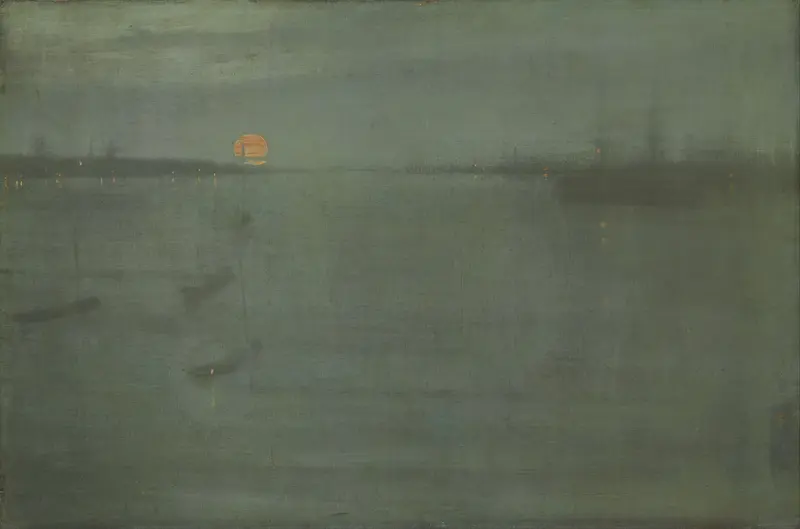
Nocturne: Blue and Gold—Southampton Water
James McNeill Whistler
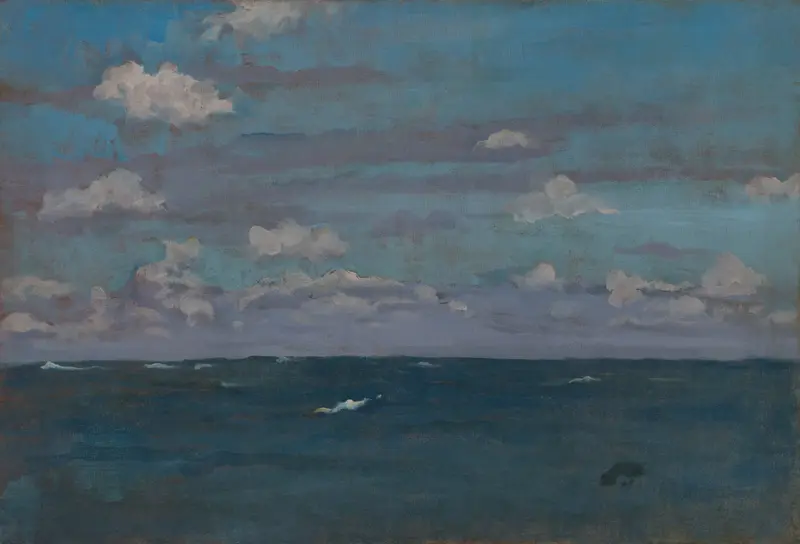
Violet and Silver—The Deep Sea
James McNeill Whistler
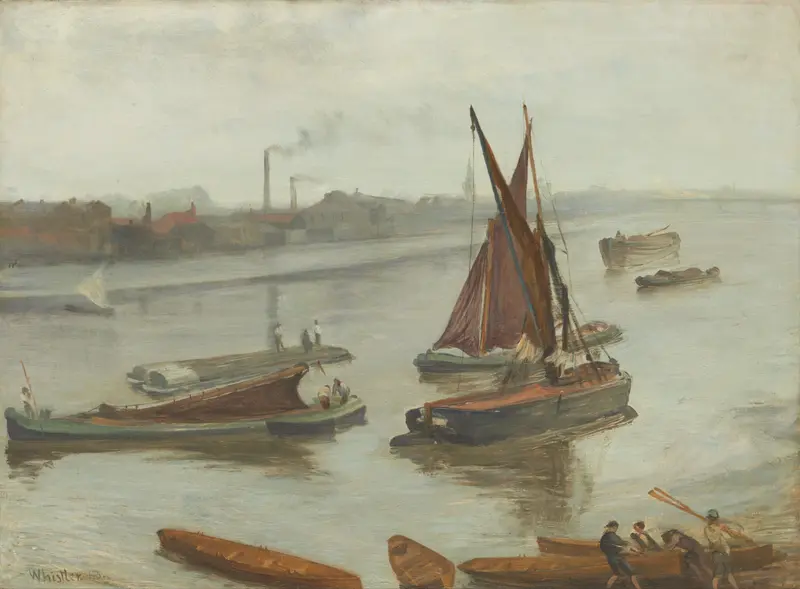
Grey and Silver: Old Battersea Reach
James McNeill Whistler
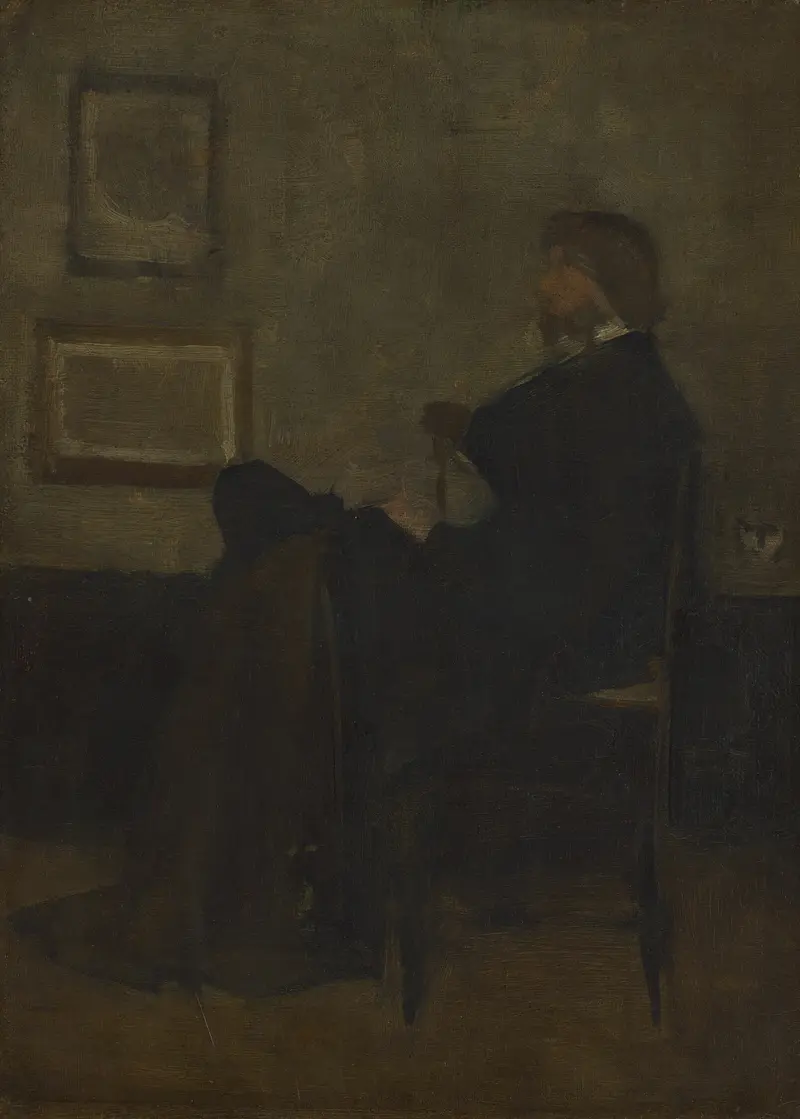
Study for "Arrangement in Grey and Black, No. 2: Portrait of Thomas Carlyle"
James McNeill Whistler
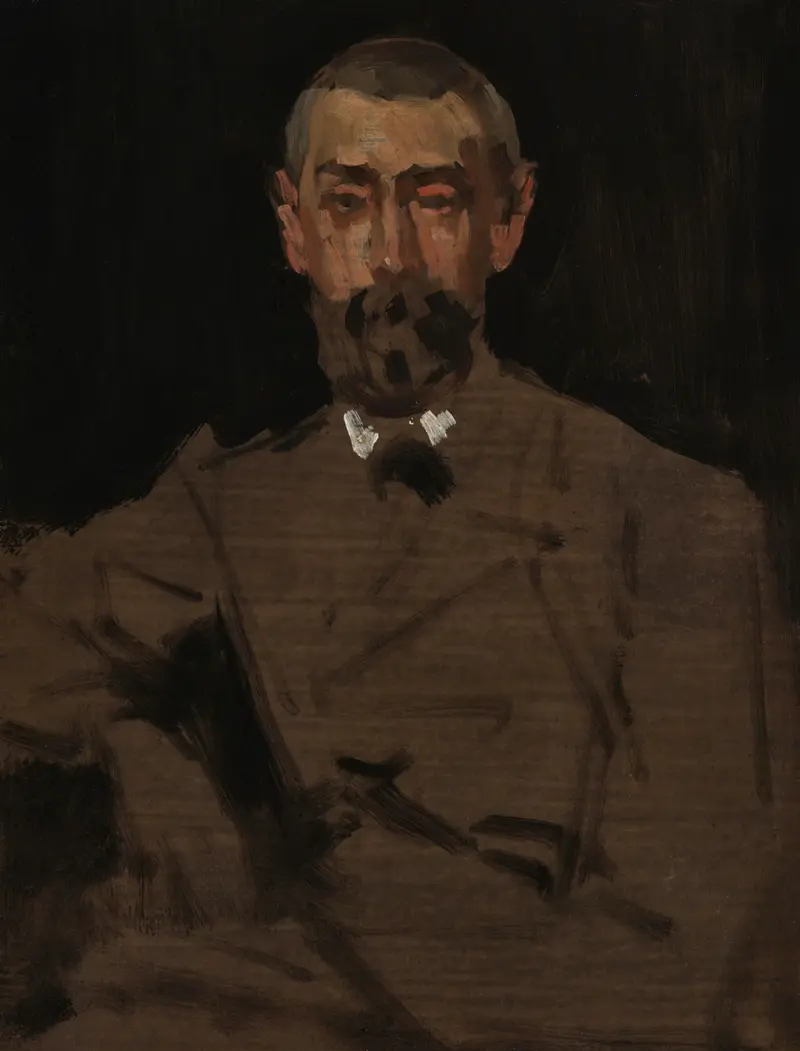
Portrait of M. R. Elden
James McNeill Whistler
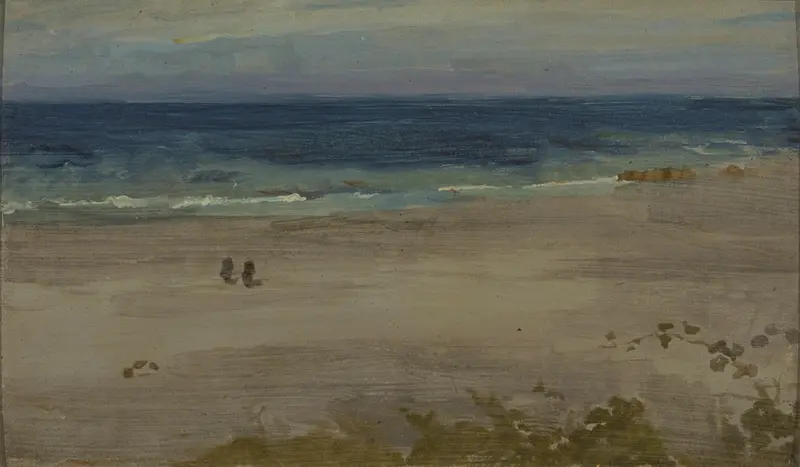
The Blue Sea
James McNeill Whistler
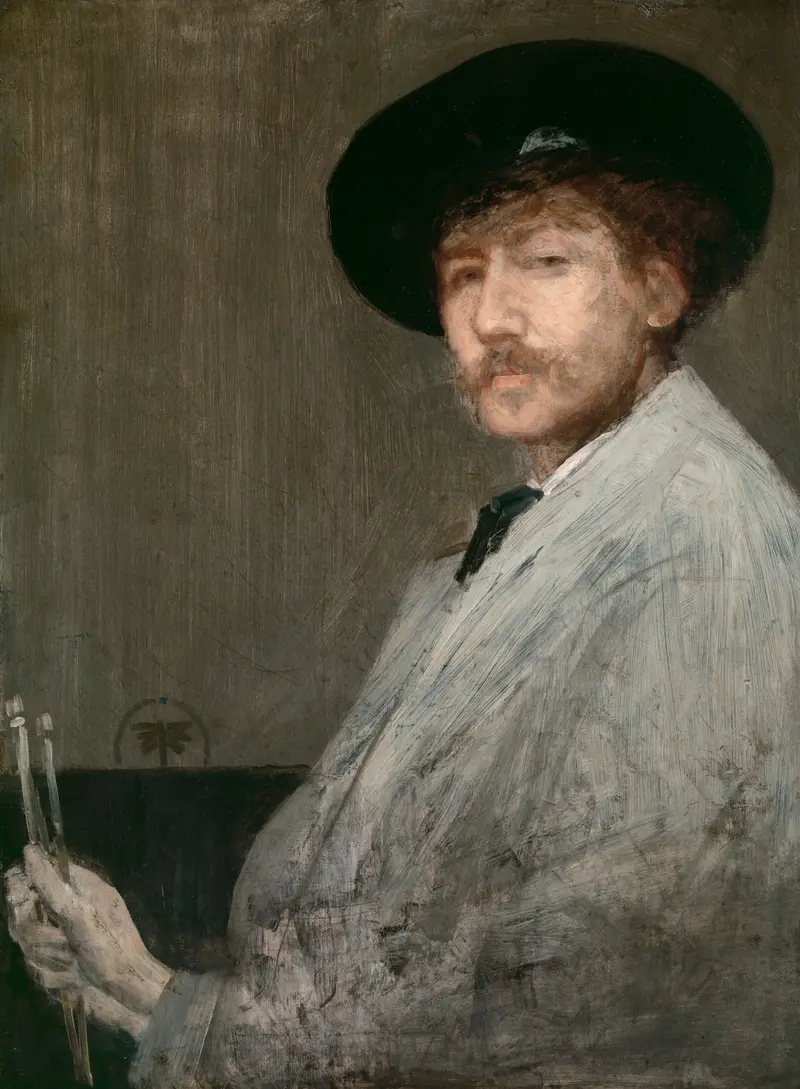
Arrangement in Gray: Portrait of the Painter
James McNeill Whistler
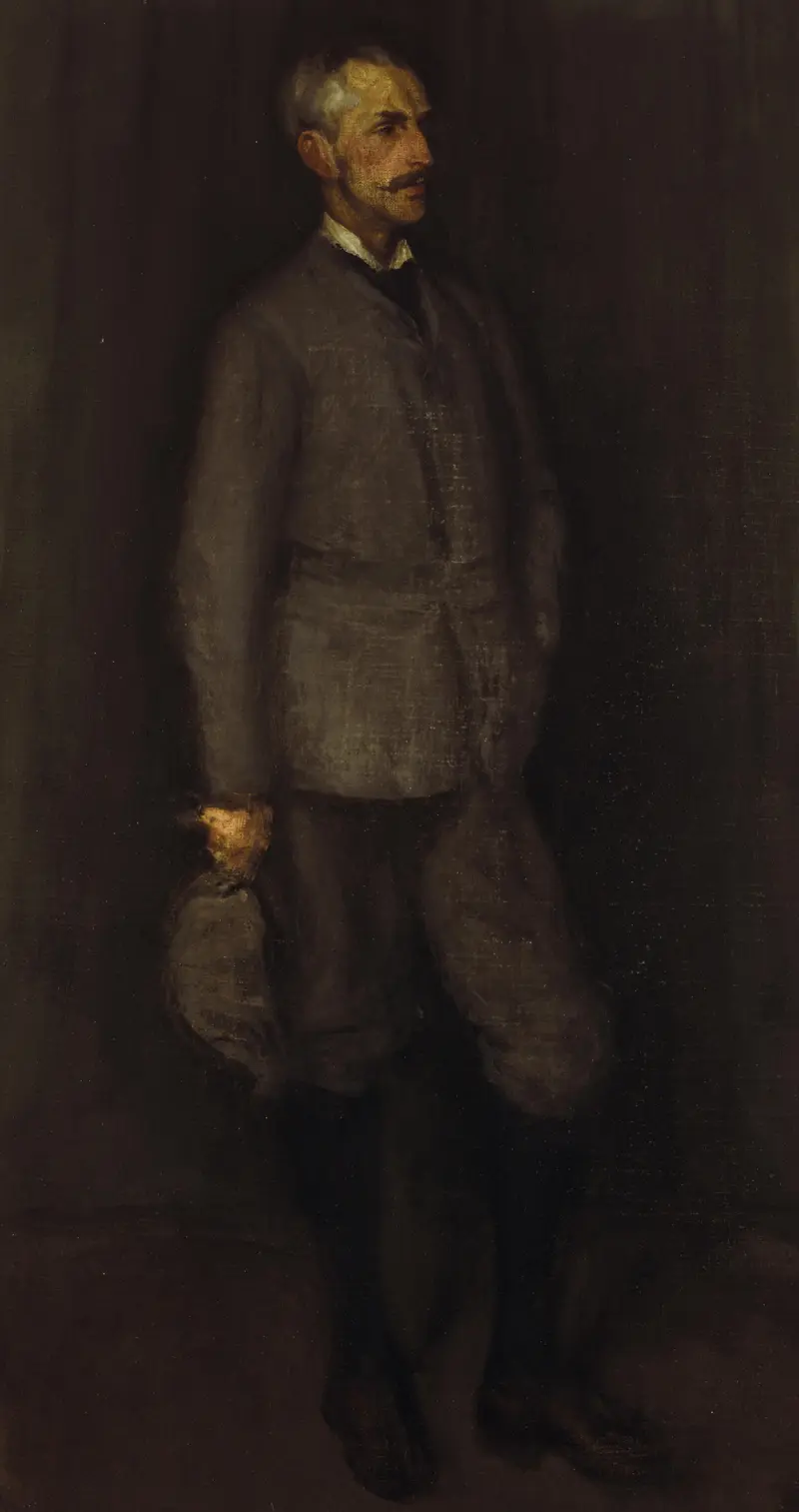
Arrangement in Grey and Green. Portrait of John James Cowan
James McNeill Whistler
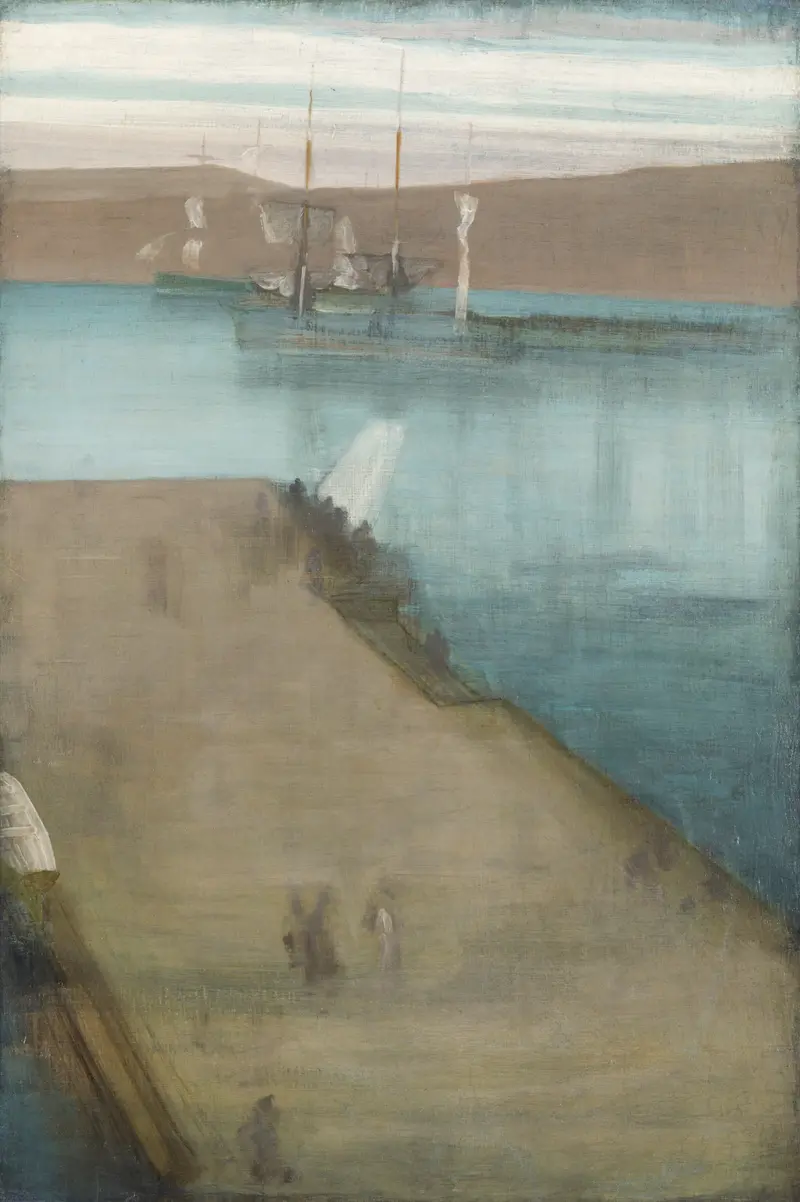
Valparaiso Harbor
James McNeill Whistler
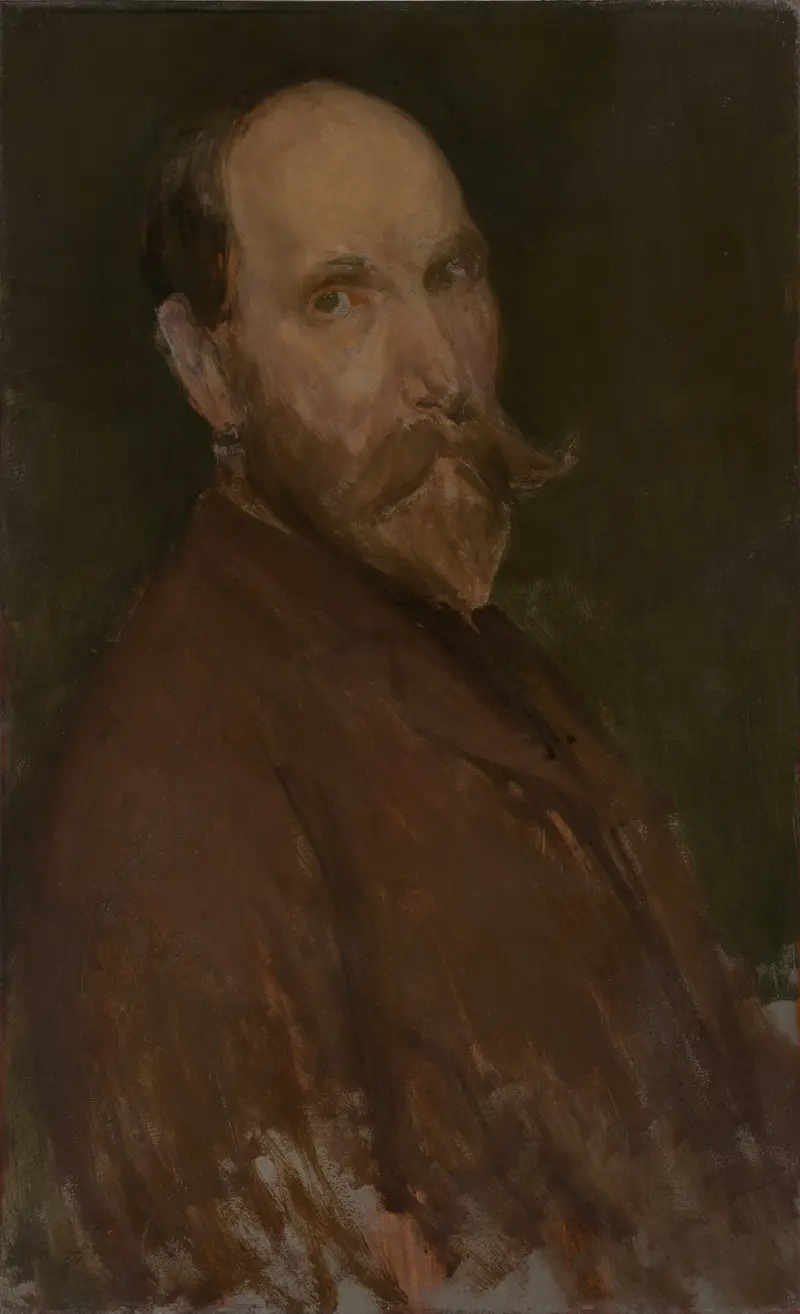
Charles Lang Freer
James McNeill Whistler





