
Au Cafe — History & Facts
In Au Cafe, we see a lively café scene filled with patrons enjoying their time. The colors are warm and inviting, with rich browns and soft yellows dominating the palette. Figures are depicted in casual poses, some engaged in conversation while others appear lost in thought.
The setting captures the essence of Parisian life in the late 19th century. Caillebotte employs a loose brushwork style typical of Impressionism, allowing for a sense of movement and spontaneity. The composition is balanced, with figures strategically placed to guide the viewer's eye through the scene. The use of light is particularly noteworthy, highlighting the warmth of the café atmosphere.
The painting measures approx. 73 x 92 cm, making it a substantial work. Gustave Caillebotte was a key figure in the Impressionist movement, known for his unique perspective and focus on urban life. Au Cafe reflects his interest in capturing everyday moments in Paris.
An interesting fact about this work is that it showcases the social dynamics of the time, revealing how cafés served as important social hubs. Caillebotte's work often emphasizes the interplay of light and shadow, a hallmark of his style.
More Artworks by Gustave Caillebotte
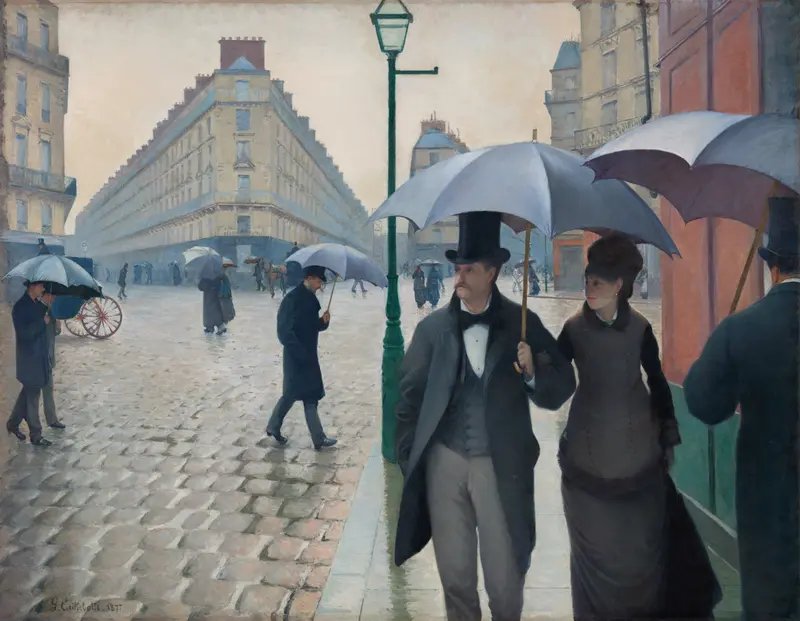
Paris Street; Rainy Day
Gustave Caillebotte
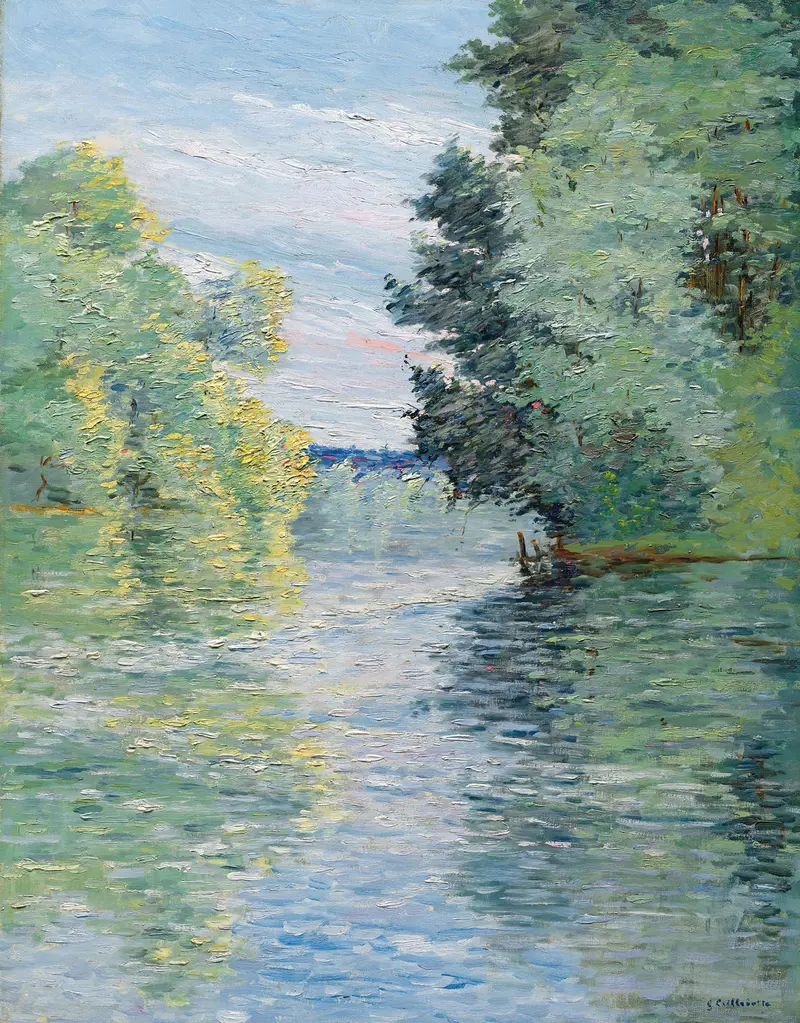
Le Petit bras de la Seine à Argenteuil
Gustave Caillebotte

La Vallée De L’yerres
Gustave Caillebotte
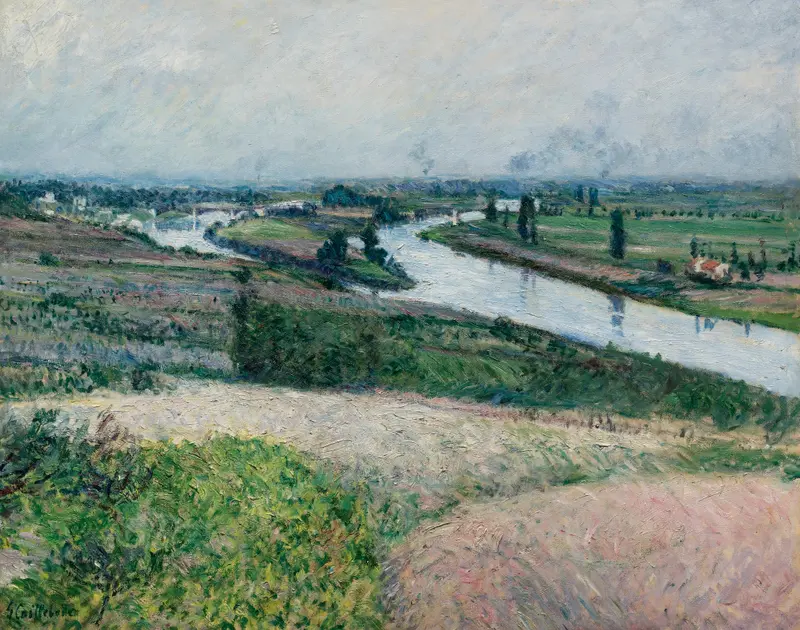
La Seine À La Pointe D’epinay
Gustave Caillebotte
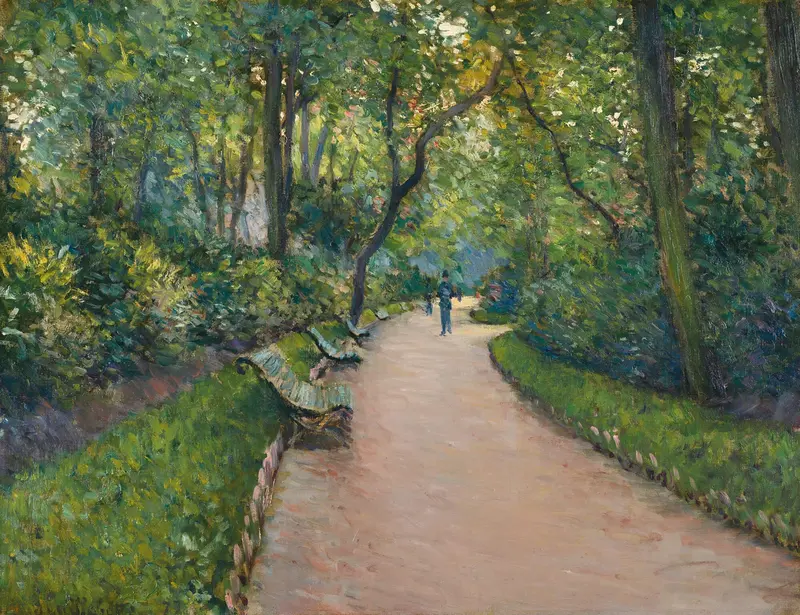
Le Parc Monceau
Gustave Caillebotte
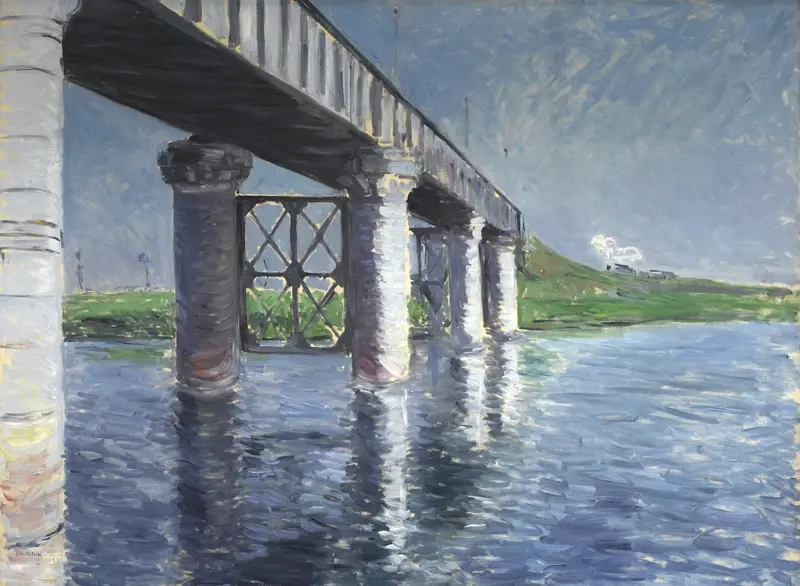
The Seine and the Railroad Bridge at Argenteuil
Gustave Caillebotte
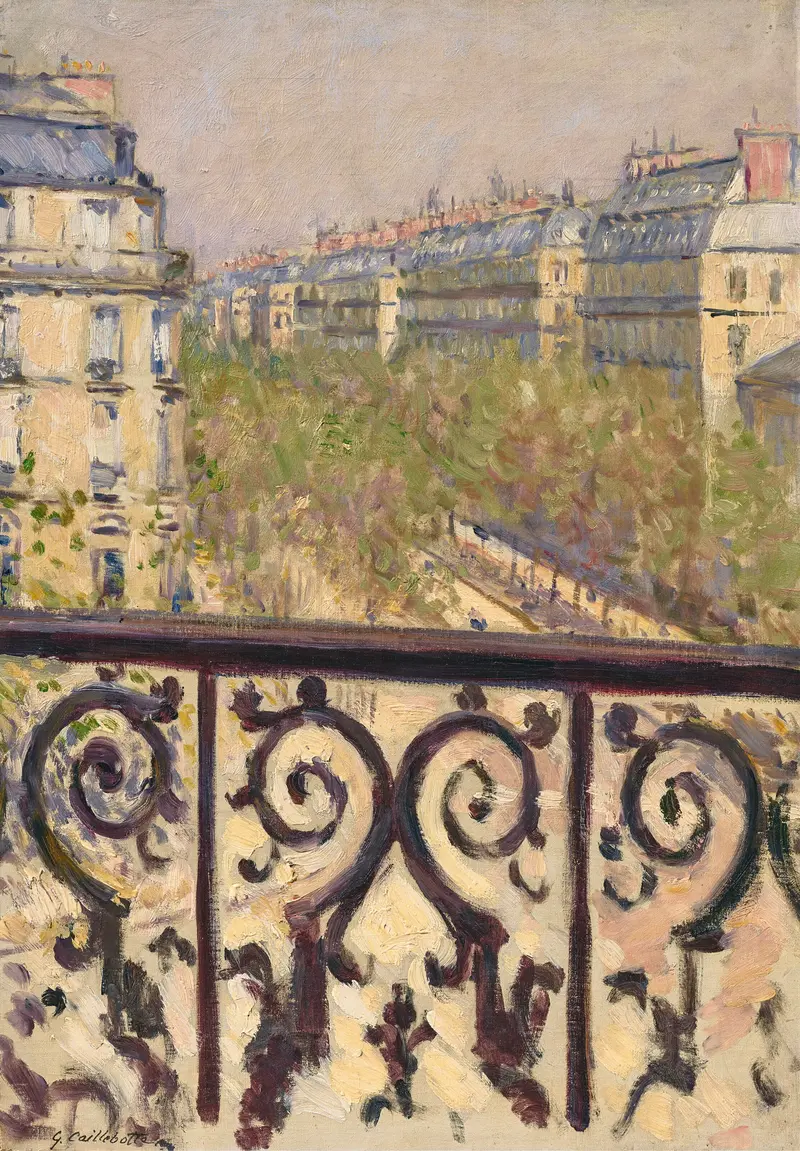
Un Balcon, Boulevard Haussmann
Gustave Caillebotte
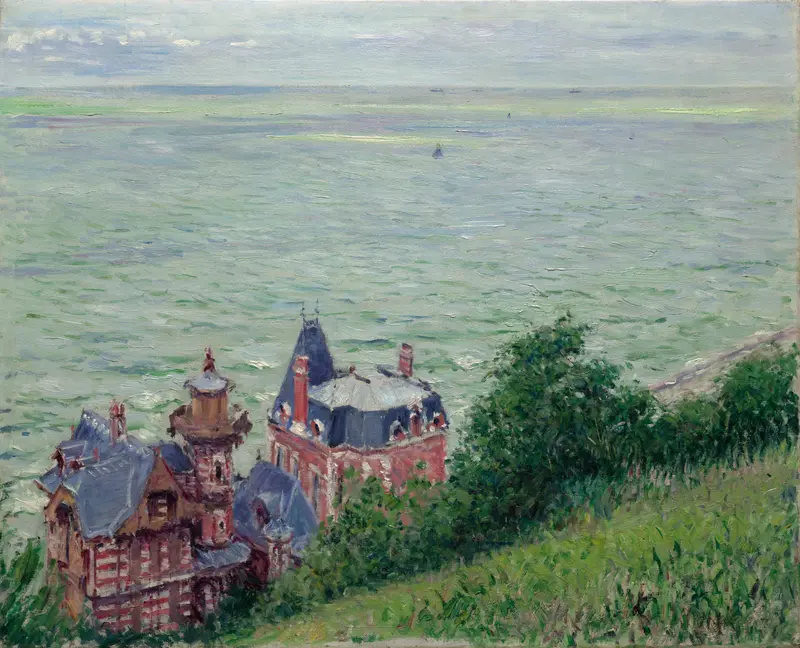
Villas at Trouville
Gustave Caillebotte
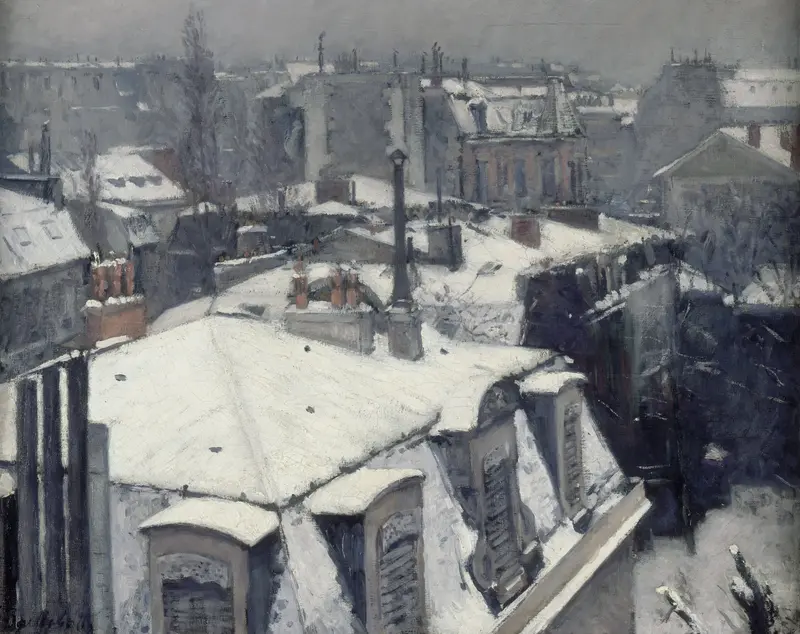
Rooftops in the Snow (Snow Effect)
Gustave Caillebotte
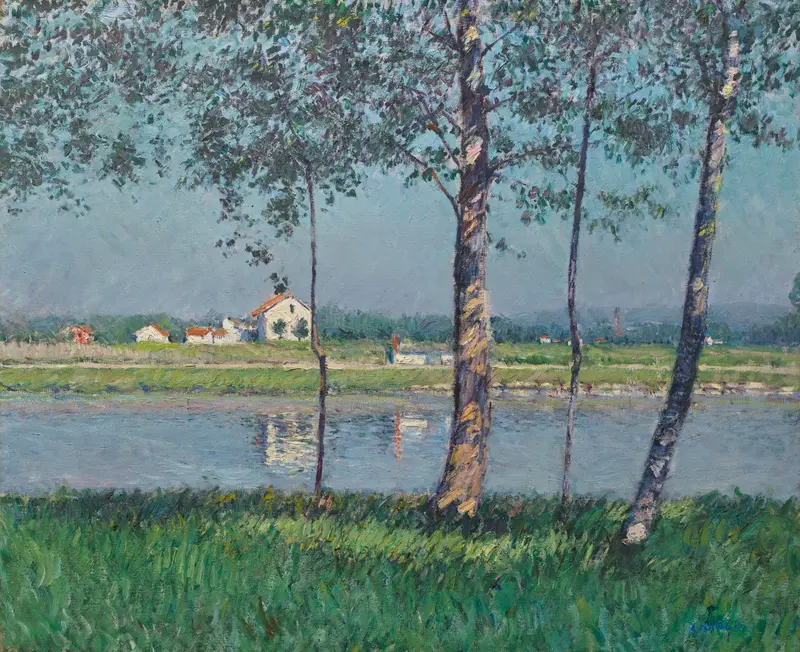
Rive de la Seine au Petit-Gennevilliers
Gustave Caillebotte
More Genre Scene Art

Banquet of the Officers of the St George Civic Guard
Frans Hals

Rembrandt and Saskia in the Scene of the Prodigal Son
Rembrandt van Rijn

Bal du moulin de la Galette
Pierre-Auguste Renoir

Quadrille at the Moulin Rouge
Henri de Toulouse-Lautrec

A Burial at Ornans
Gustave Courbet

When Will You Marry?
Paul Gauguin