
Autumn or Farm Work — History & Facts
A hush of late autumn fills the air, but the scene is anything but still: a swirl of labor and ritual unfolds at the heart of a rural homestead. The first thing that catches the eye is the group at lower right, where the butchering of a pig—an annual event in peasant life—draws a small crowd of onlookers and a hopeful dog. This is not a painting about a single moment, but a tapestry of the season’s work: women stride along the path, baskets balanced on their heads, while in the background, a line of oxen-drawn carts creaks homeward beneath the skeletal trees.
The yellow-washed farmhouse, its windows aglow, anchors the composition, its smoke curling into the cold sky, promising warmth and sustenance within. Works like this by Abel Grimmer belong to a tradition of Flemish seasonal painting, where the labors of the months were both a calendar and a celebration of rural rhythms. Though the precise date and commission of Autumn or Farm Work remain unknown, its imagery speaks to the late sixteenth or early seventeenth century, when such scenes were prized by urban patrons longing for an idealized countryside. Grimmer’s style, with its crisp outlines and almost naïve figures, echoes the legacy of Pieter Bruegel the Elder, yet brings a quieter, more intimate scale to the cycle of the year.
History has kept few traces of this particular panel’s journey, but its details—each gesture, each tool—invite us to linger and imagine the world it once reflected.
More Artworks by Abel Grimmer

Flemish proverbs
Abel Grimmer
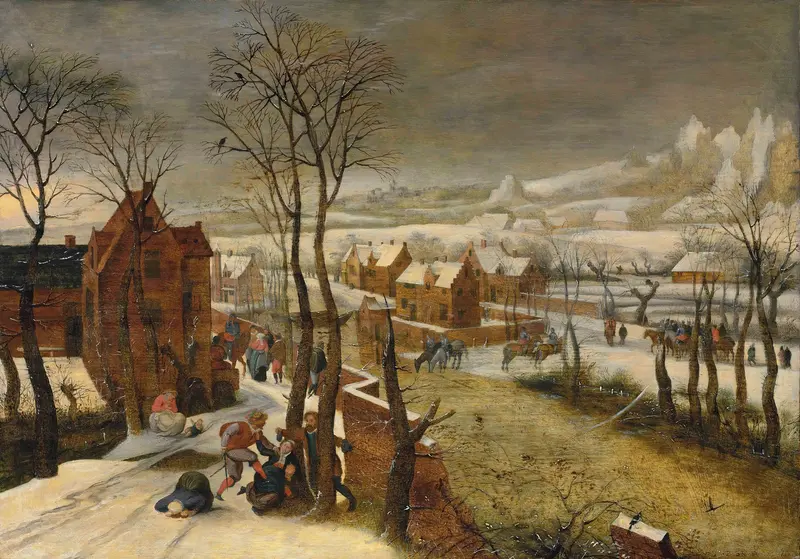
A Village Landscape In Winter With The Massacre Of The Innocents
Abel Grimmer
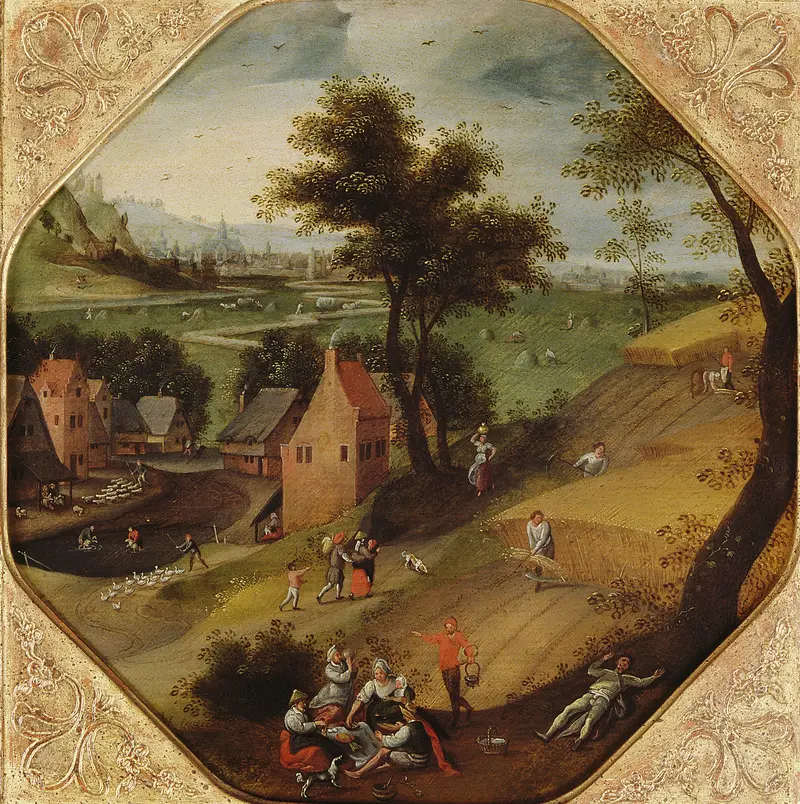
De Zomer
Abel Grimmer
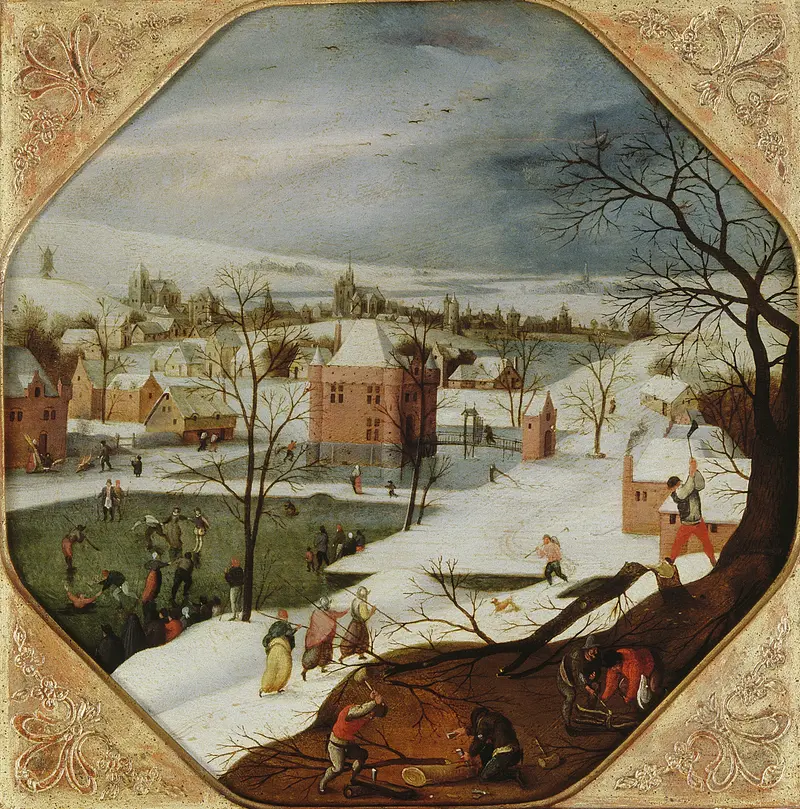
De Winter
Abel Grimmer
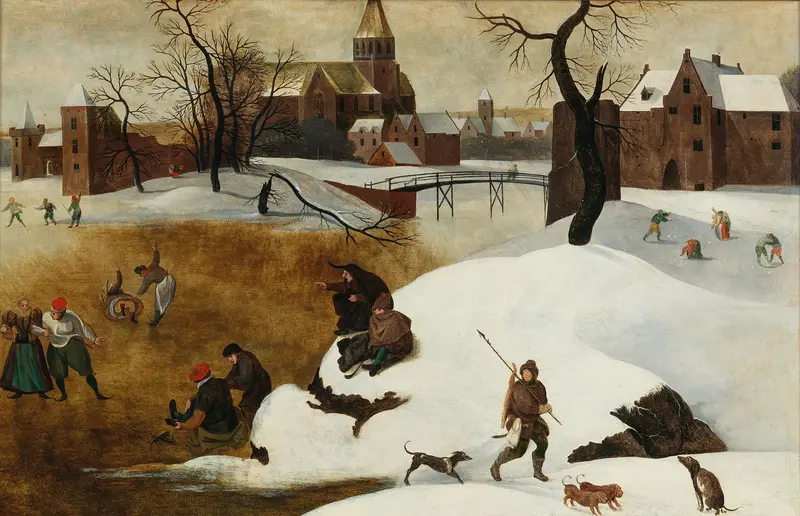
winter landscape with skaters
Abel Grimmer
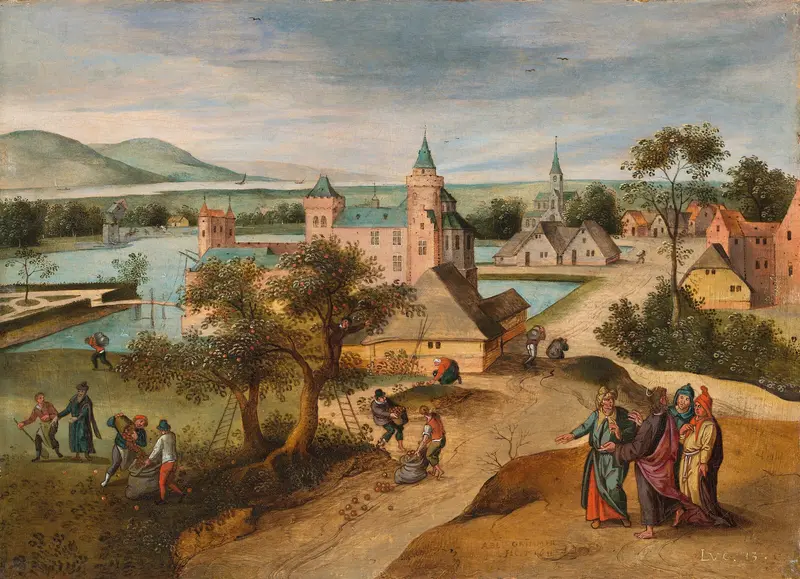
September – The Parable of the Barren Fig Tree
Abel Grimmer
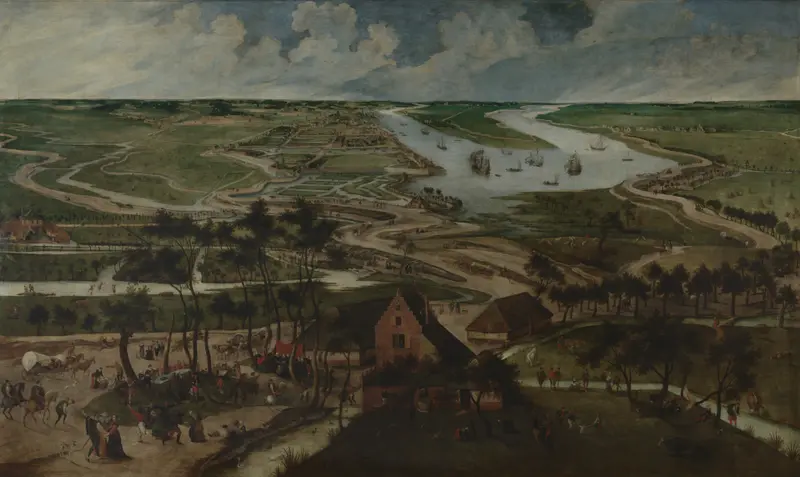
The Eel Huts in the Antwerp Polder outside the Lillo or Slijk Gate
Abel Grimmer
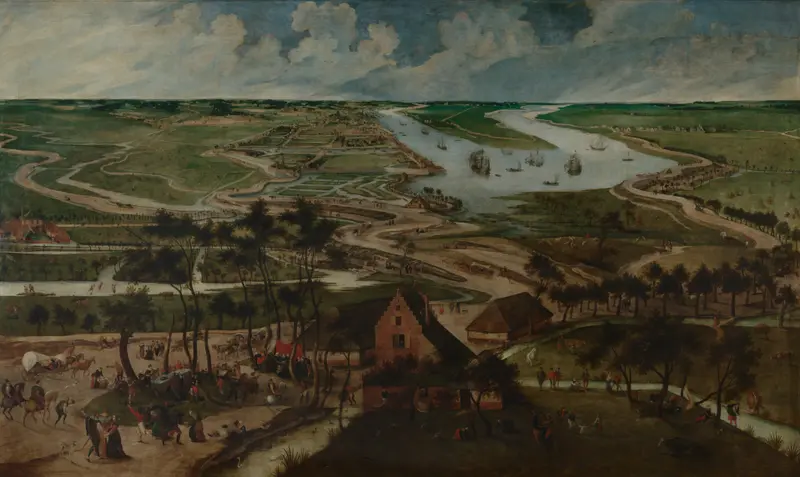
De Antwerpse polder en de Palinghuizen buiten de Slijk- of Lillopoort
Abel Grimmer
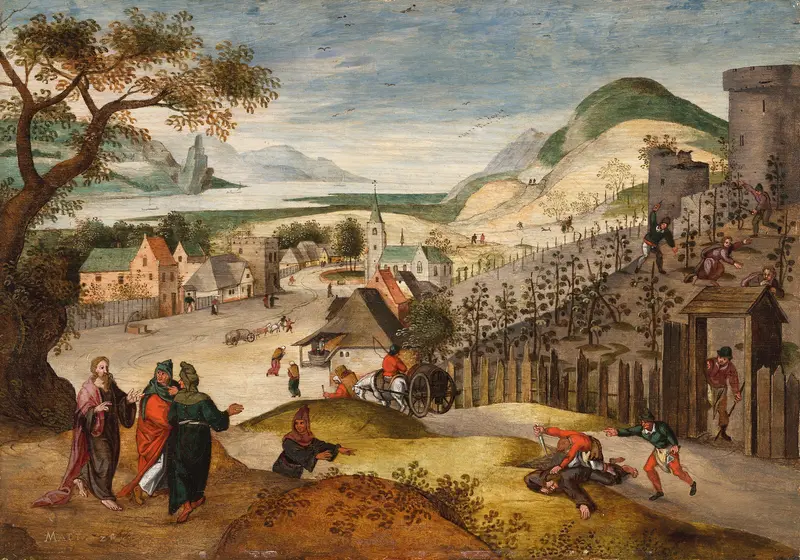
October – The Parable of the Vineyard
Abel Grimmer
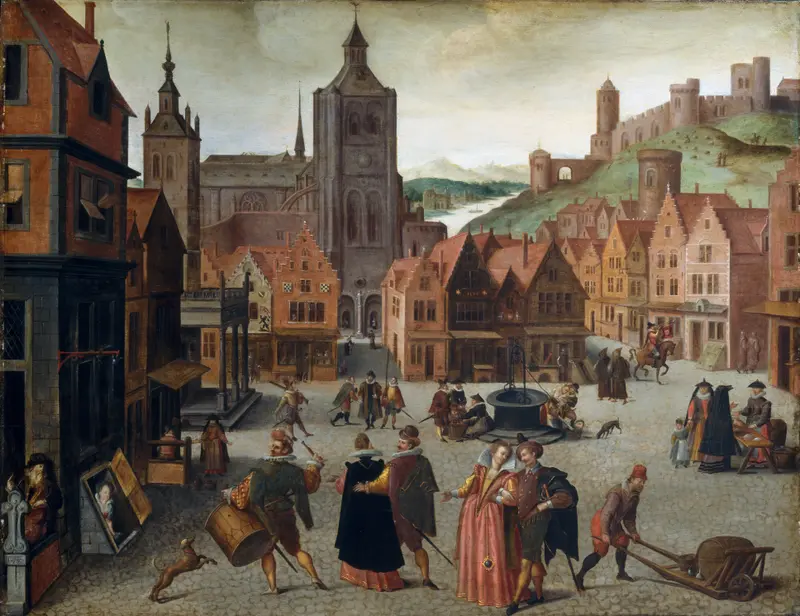
The Marketplace in Bergen op Zoom
Abel Grimmer
More Genre Scene Art

Banquet of the Officers of the St George Civic Guard
Frans Hals

Rembrandt and Saskia in the Scene of the Prodigal Son
Rembrandt van Rijn

Bal du moulin de la Galette
Pierre-Auguste Renoir

Quadrille at the Moulin Rouge
Henri de Toulouse-Lautrec

A Burial at Ornans
Gustave Courbet

When Will You Marry?
Paul Gauguin