Bacchant zittend op een luipaard, omgeven door drie jongetjes en een sater — History & Facts
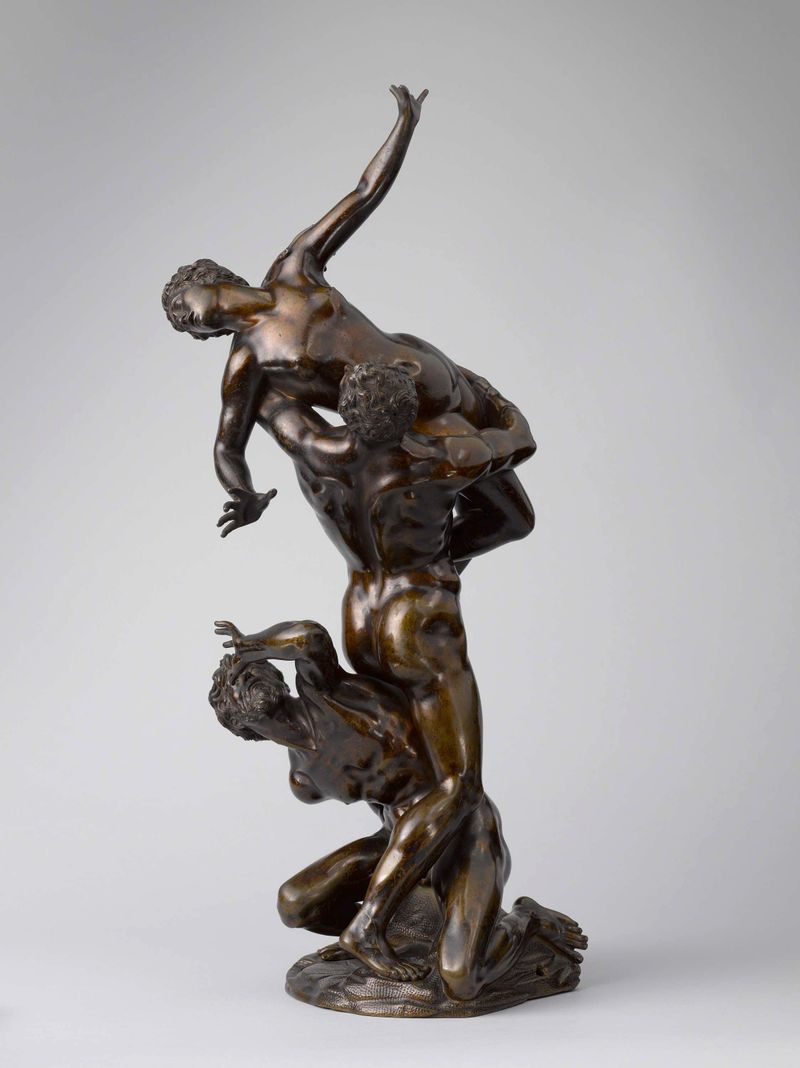
Could a single brushstroke hold eternity? In Bacchant zittend op een luipaard, omgeven door drie jongetjes en een sater, movement flows like a river through a vibrant celebration of life and revelry. Look to the center of the composition where the bacchant reclines upon a leopard, her posture relaxed yet dynamic. The elegant curves of her form are accentuated by the gentle play of light and shadow, which reveals the richness of her attire — deep blues mingling with the warm hues of her skin. Notice how the interplay between the surrounding figures, including the youth at her feet and the satyr nearby, creates a sense of joyful chaos, their poses and expressions harmonizing into a delightful dance of innocence and mischief. Within this animated scene lies the contrast between the serene elegance of the bacchant and the exuberant playfulness of the children and satyr.
The leopard, a symbol of wildness, anchors the piece while simultaneously inviting contemplation on the balance between nature and festivity. The artist captures a moment suspended in time, where the laughter of youth mingles with the intoxicating allure of the bacchanal, illustrating the fine line between ecstasy and abandon. Wenceslaus Hollar painted this work in 1647 during a period of significant change in the art world. Residing in the Netherlands, he was deeply influenced by both the Baroque style and the naturalistic details of his predecessors.
At this time, Hollar was building a reputation as a skilled etcher, delving into themes of mythology and festivity that resonate with the spirit of his era, merging personal experience and broader cultural currents into his distinctive artistic voice.
More Artworks by Wenceslaus Hollar
Browse all →
Portret van Anna Boleyn, koningin van Engeland
Wenceslaus Hollar
Bird’s eye view of Jerusalem
Wenceslaus Hollar
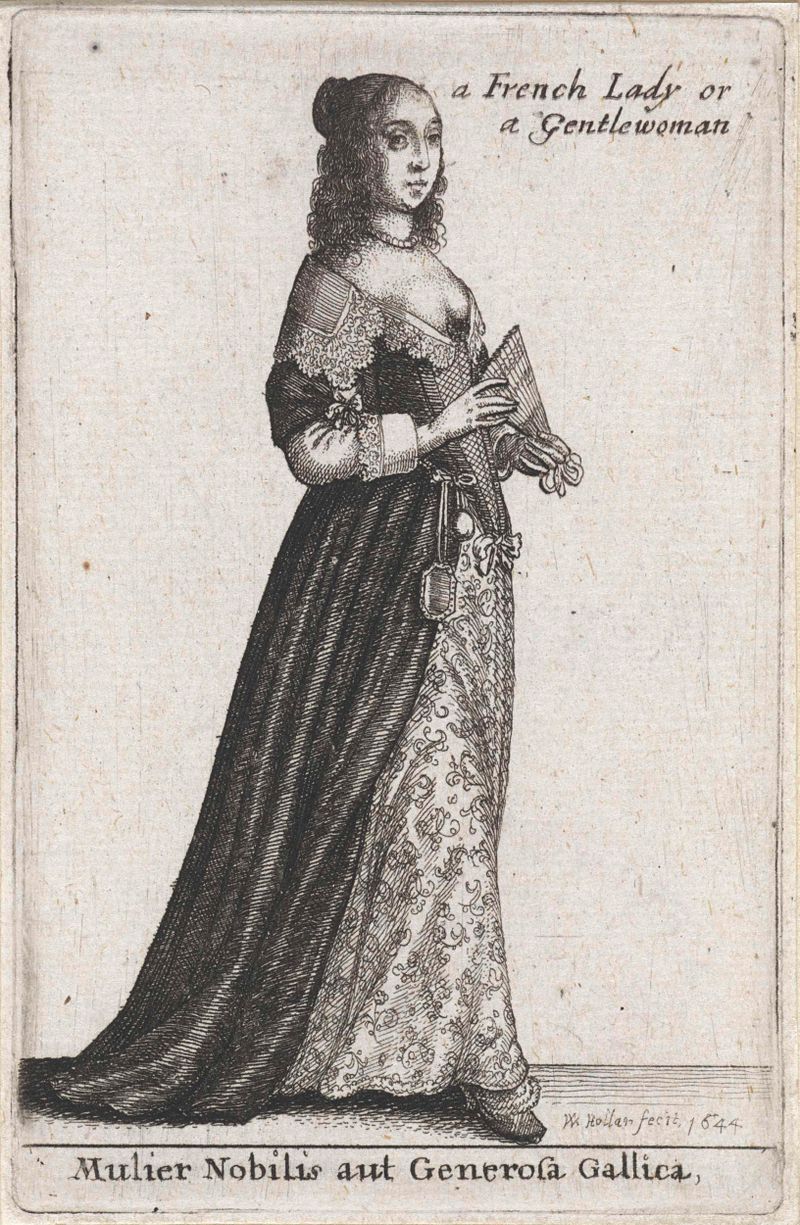
Mulier Nobilis aut Generosa Gallica / a French Lady or Gentlewoman
Wenceslaus Hollar
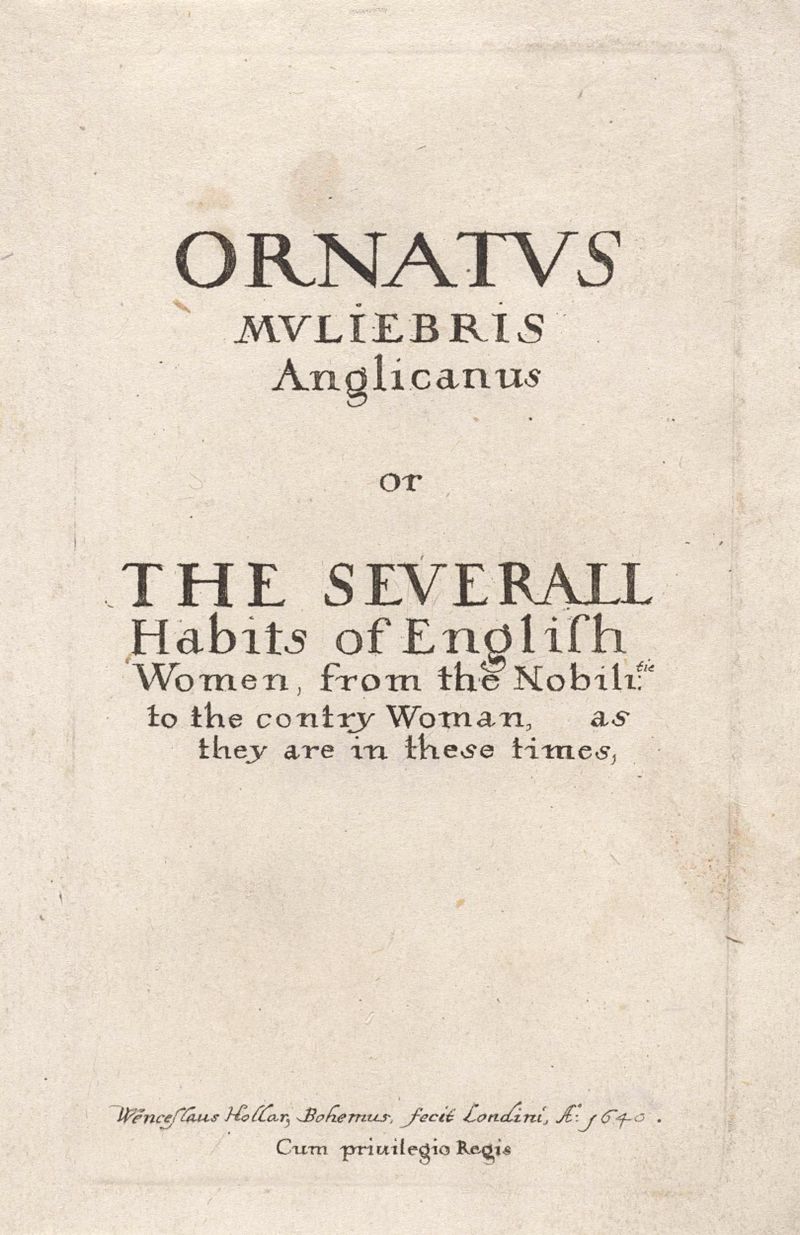
Titelprent voor: Ornatus Muliebris Anglicanus
Wenceslaus Hollar
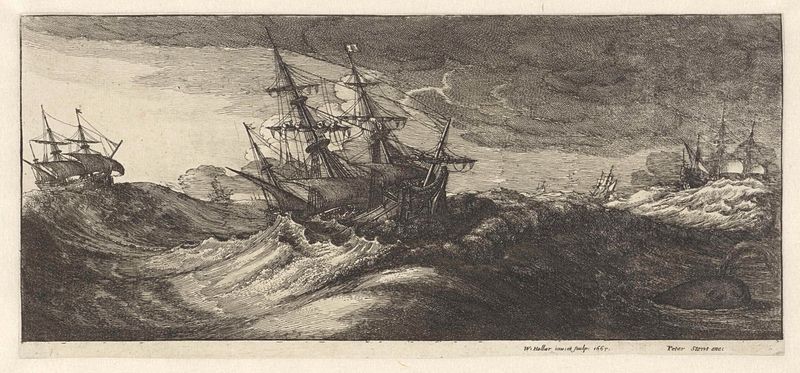
Oorlogsschepen en een walvis in een zeestorm
Wenceslaus Hollar
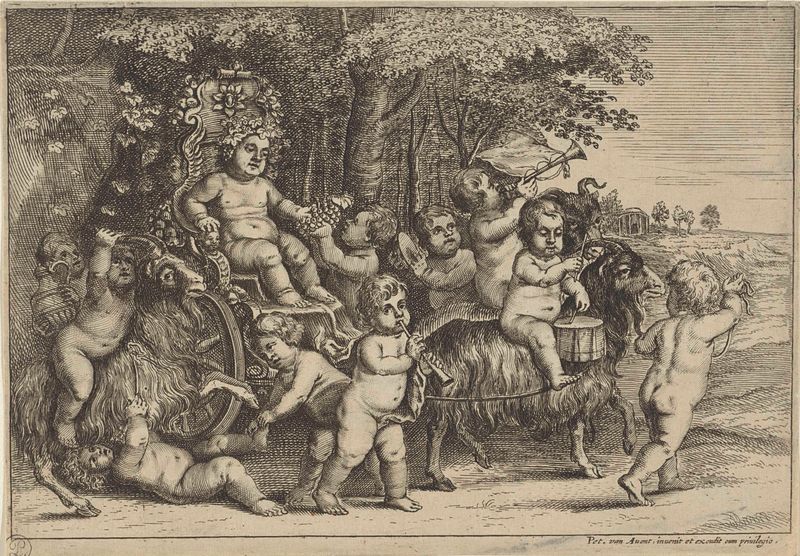
Optocht van bacchant en jongetjes op geiten
Wenceslaus Hollar
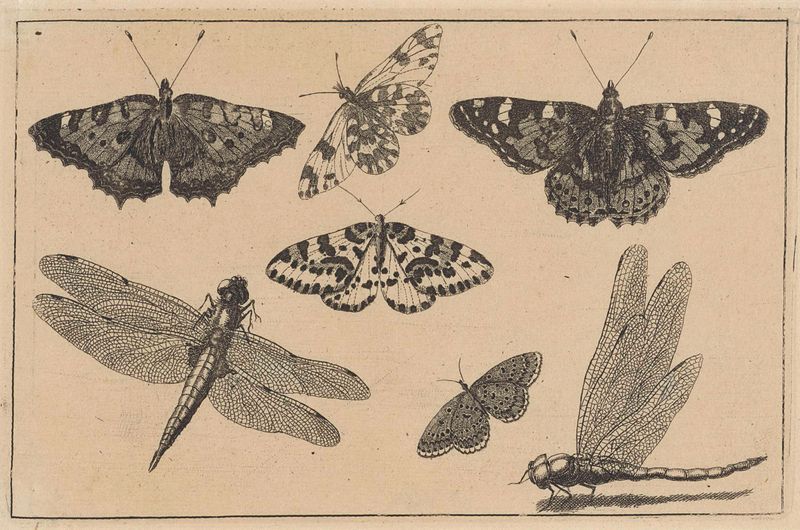
Twee libellen en vijf vlinders
Wenceslaus Hollar
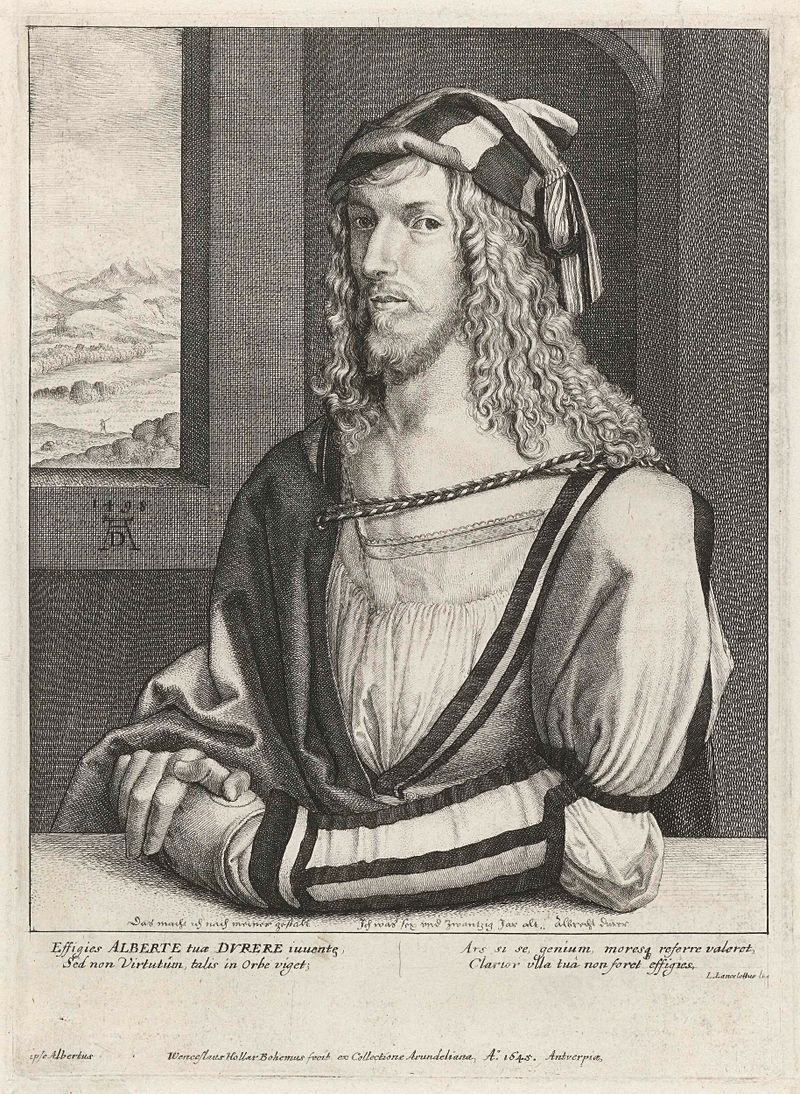
Portret van Albrecht Dürer
Wenceslaus Hollar
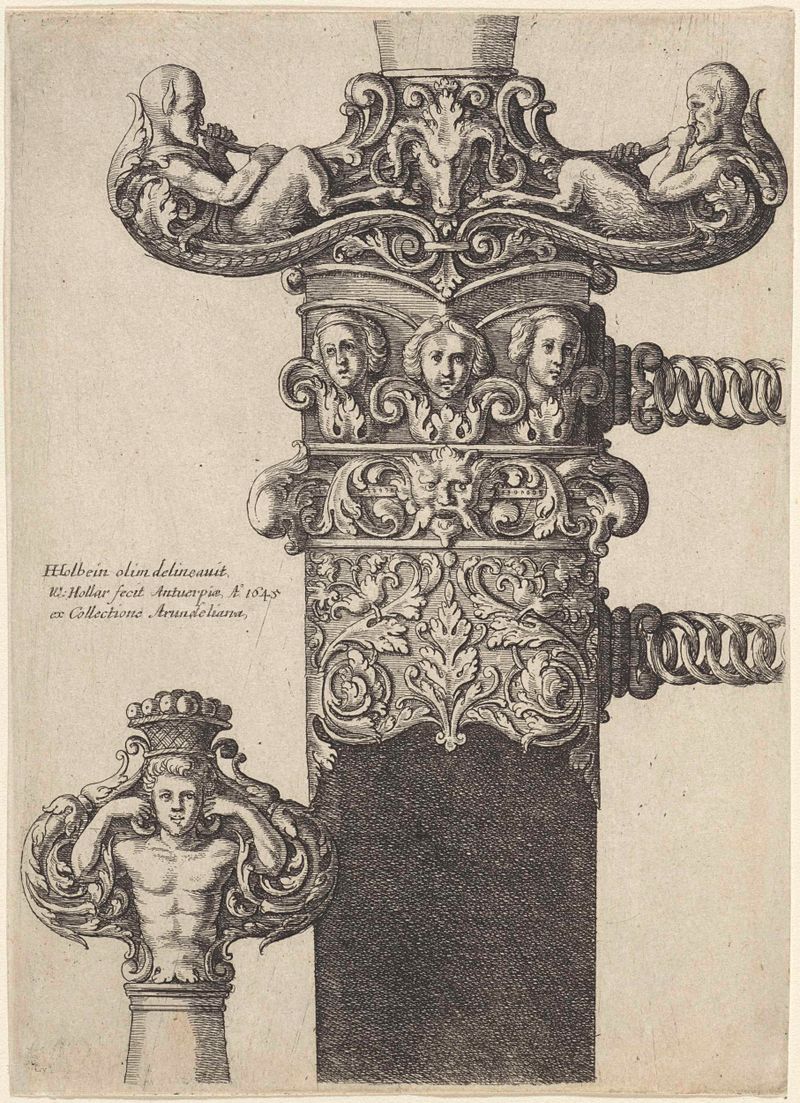
Ornamenteel ontwerp voor een dolk
Wenceslaus Hollar
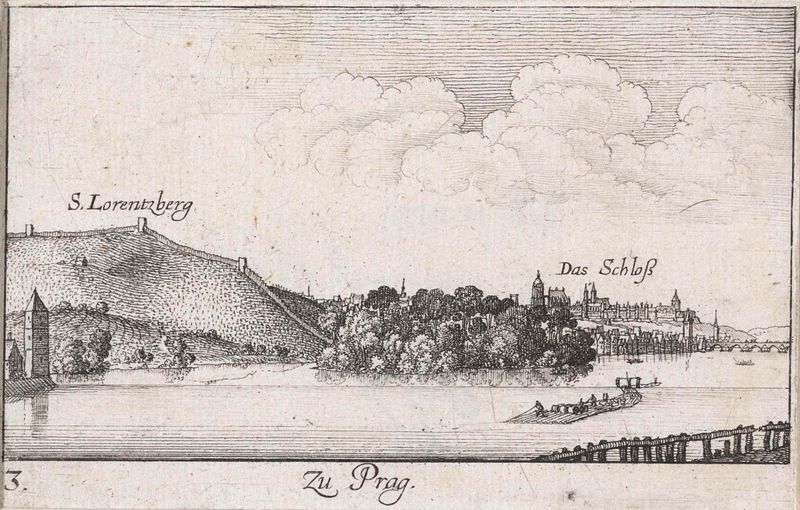
Gezicht op Praag vanaf de Moldau
Wenceslaus Hollar