
Bal masqué à Perpignan — History & Facts
Can beauty exist without sorrow? In Raoul Dufy's Bal masqué à Perpignan, the canvas vibrates with the vibrancy of life and the echoes of lingering memories, suggesting that joy and melancholy are inseparable companions in the dance of existence. Look to the left at the cascade of vivid colors, where swirling reds and blues invite your gaze into the animated scene. The masked figures, adorned in extravagant costumes, are captured mid-laughter, their bodies twisting elegantly across the canvas. Notice how light spills from above, illuminating faces that shine with both glee and hidden pain, creating an interplay that blurs the lines between celebration and nostalgia.
Dufy's brushstrokes are loose yet deliberate, evoking a sense of movement that propels the viewer into this vibrant masquerade. Delve deeper and consider the contrast between the carefree revelry and the somber masks worn by the participants. Each mask, while ornate, suggests a deeper layer of identity and emotion—a façade hiding the sorrow that often accompanies festivity. The overlapping figures create a sense of unity and chaos, embodying the collective experience of joy tinged with the poignancy of life’s transient nature.
Beneath the surface, there’s an essence of rebirth, as if the festival itself is a poignant reminder that beauty can emerge from the shadows of sorrow. Painted in 1947, amidst a post-war Europe grappling with recovery and renewal, Dufy’s work reflects the hope and vibrancy of the time. Residing in France, he was influenced by the struggles of his contemporaries while also embracing the liberating spirit of the post-war era. This painting embodies that delicate balance—capturing a moment of exuberance while acknowledging the emotional complexities inherent in the human experience.
More Artworks by Raoul Dufy
Browse all →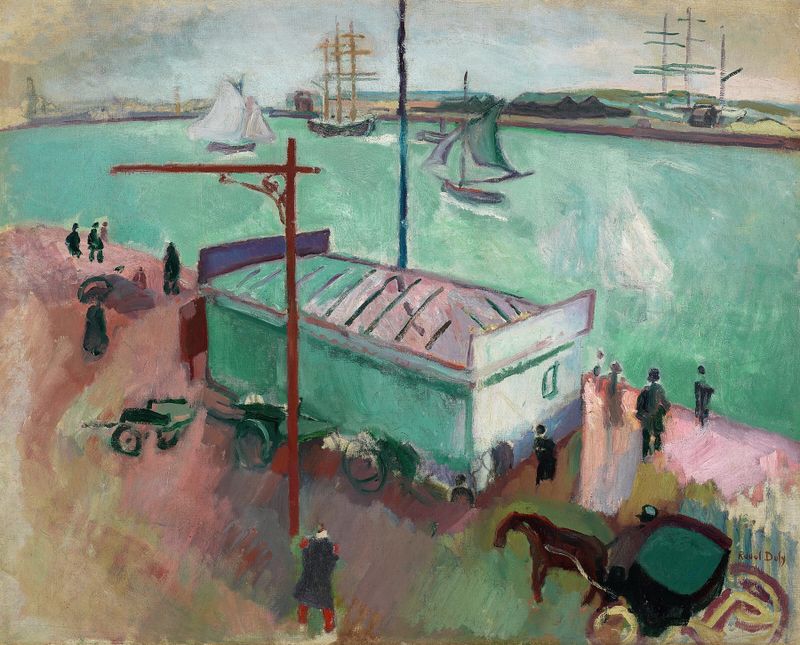
Le Port du Havre
Raoul Dufy
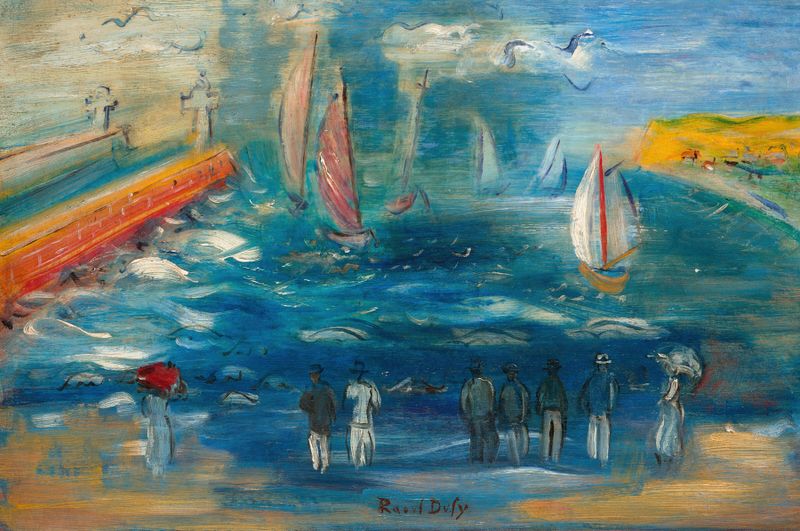
Départ des régates
Raoul Dufy

Les canotiers sur la Marne
Raoul Dufy
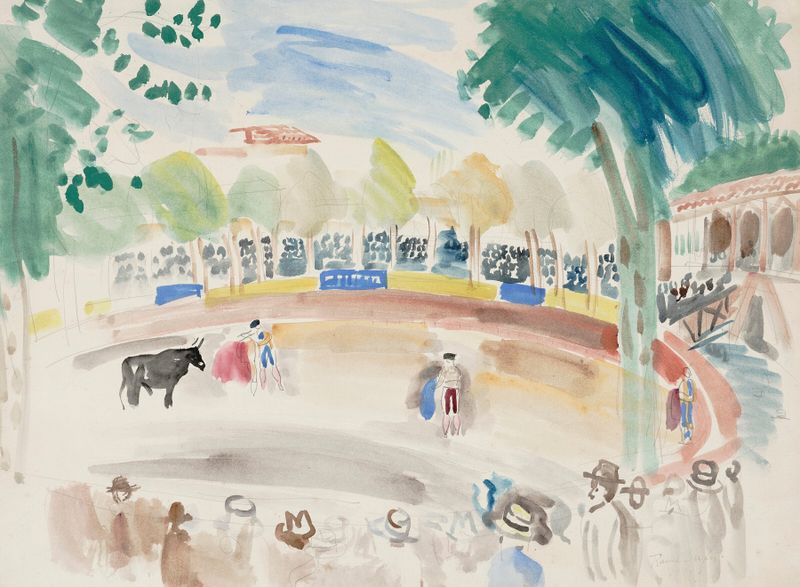
La corrida
Raoul Dufy

Composition au port et à la fontaine
Raoul Dufy
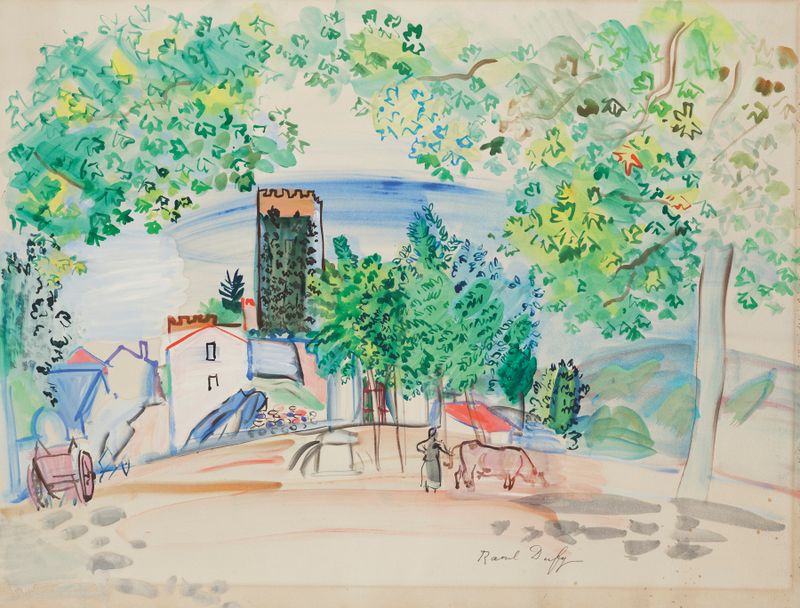
Vue de la Tour de Vernet-les-Bains
Raoul Dufy
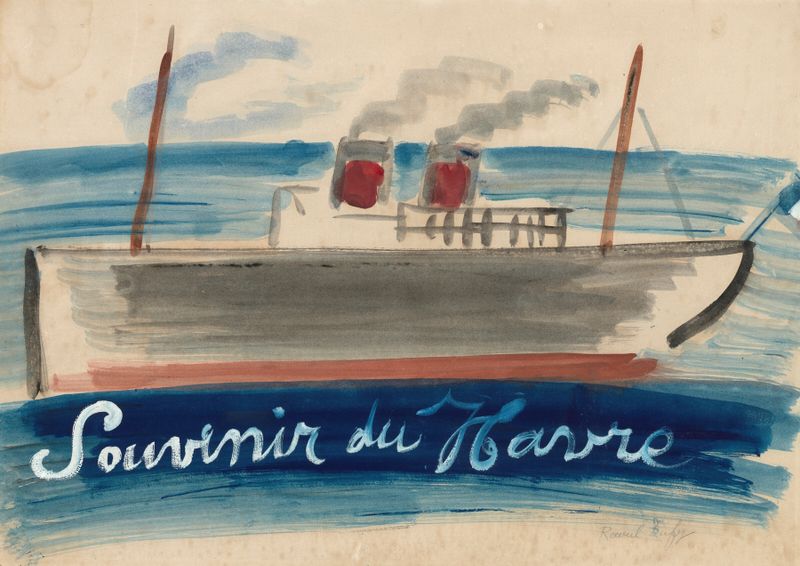
Souvenir du Havre
Raoul Dufy

Les Barques
Raoul Dufy
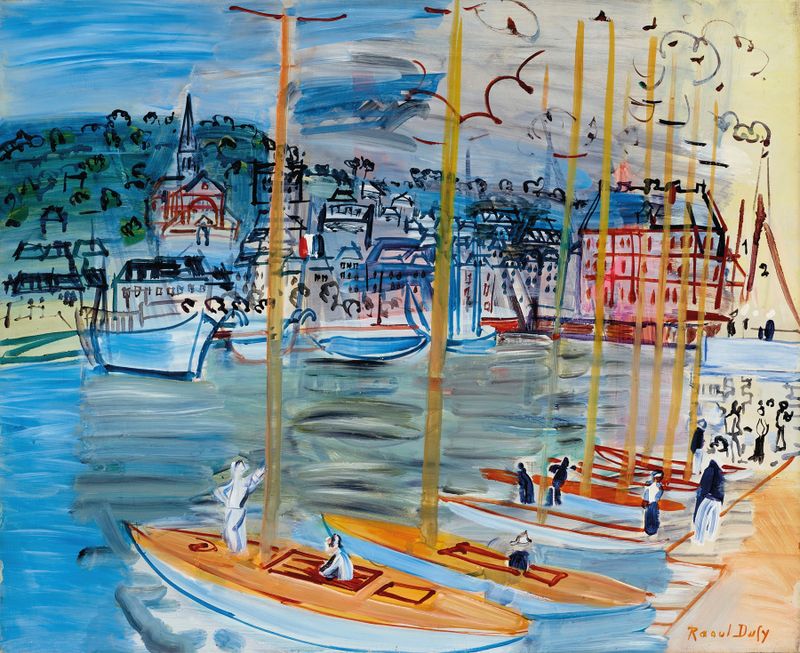
Le bassin de Deauville
Raoul Dufy

Régates à Deauville
Raoul Dufy





