
Basket of Fruit — History & Facts
No other painting by Caravaggio has sparked as much debate over its simplicity as Basket of Fruit. Created around 1600, this still life stands apart from the dramatic biblical and mythological scenes that made the artist famous. Some scholars have wondered if it was intended as a mere study, a gift, or even a challenge to his critics—since still lifes were rarely considered worthy of great artists at the time.
Its earliest recorded owner was Cardinal Federico Borromeo, a powerful Milanese patron who prized the painting enough to mention it in his own writings. In Basket of Fruit, the drama is not in human gesture but in the quiet, almost unsettling realism of decay. The viewer’s eye is drawn to the basket, perched precariously on a ledge, overflowing with ripe and overripe fruit—apples pocked with blemishes, grapes beginning to shrivel, a fig splitting open. The leaves curl and brown, some already withered, suggesting the passage of time and the inevitability of decline.
Unlike the idealized fruit in works by Giuseppe Arcimboldo or the ordered abundance of Flemish still lifes, Caravaggio confronts the viewer with imperfection and mortality, using light to highlight every flaw. The painting becomes a meditation on the fleeting nature of life and beauty. The physical history of Basket of Fruit is unusually well documented for a still life of this period. Cardinal Borromeo acquired it for his collection in Milan, where it has remained ever since, now housed in the Pinacoteca Ambrosiana.
The painting’s attribution to Caravaggio has never been seriously challenged, and it is often cited as one of the earliest independent still lifes in Italian art. Made at the height of Caravaggio’s career, it stands as a quiet but radical statement, showing that even the humblest subject can hold the viewer’s gaze—and perhaps, as Borromeo believed, the artist’s own moral message.
More Artworks by Caravaggio
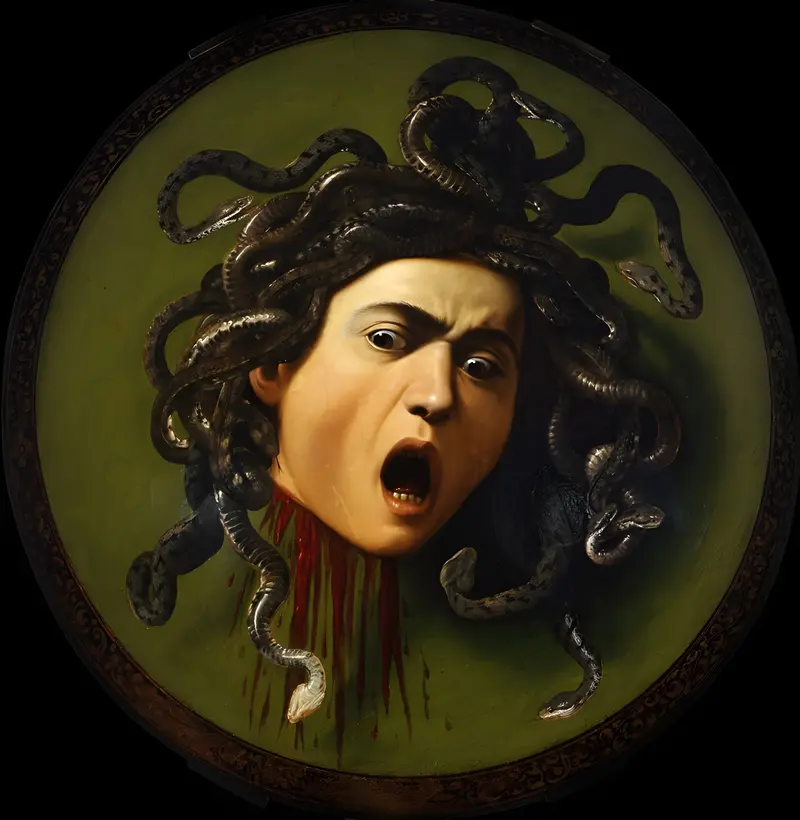
Medusa
Caravaggio
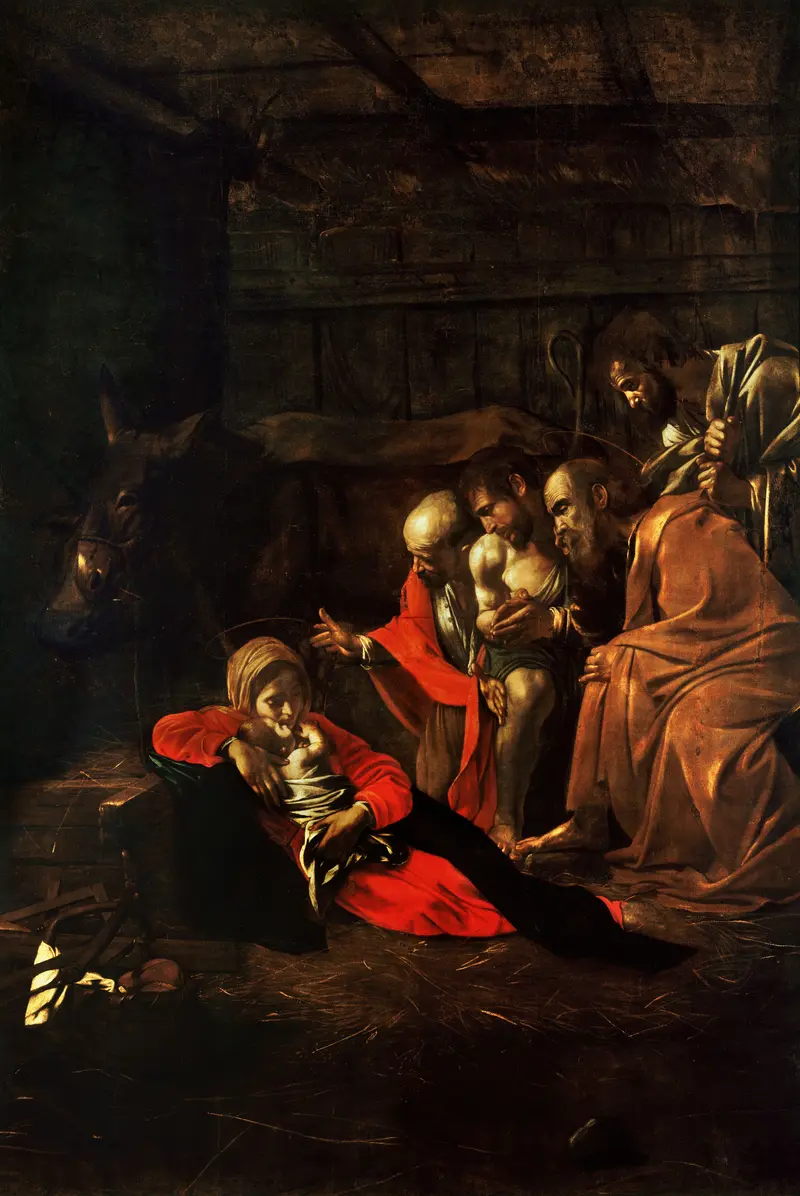
Adoration of the Shepherds
Caravaggio
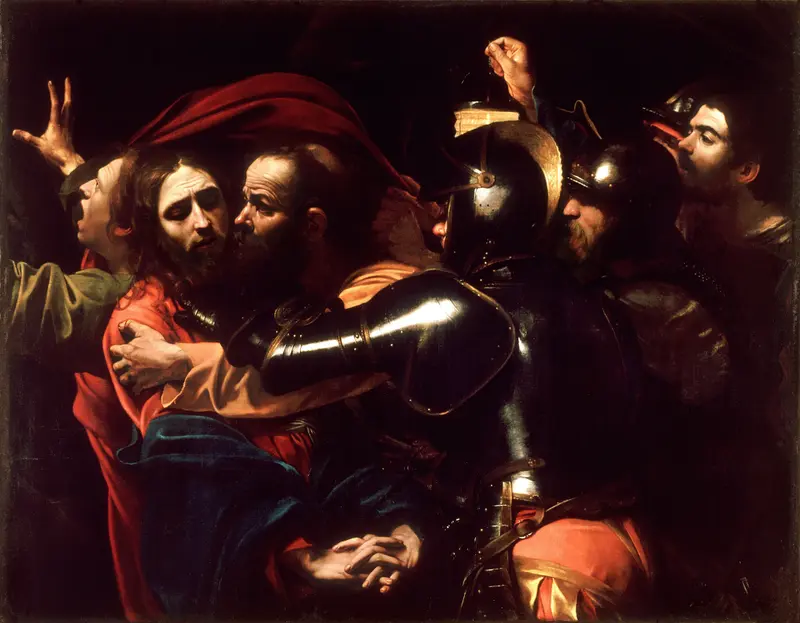
The Taking of Christ
Caravaggio
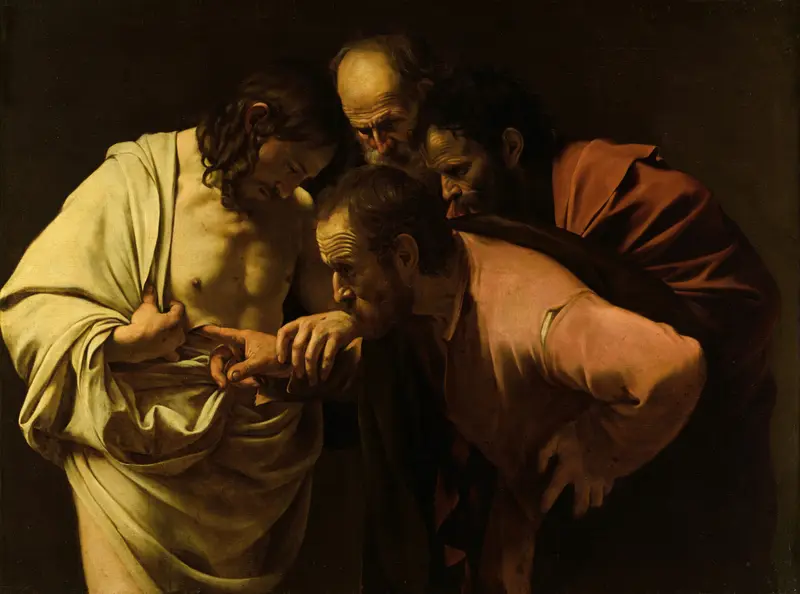
The Incredulity of Saint Thomas
Caravaggio
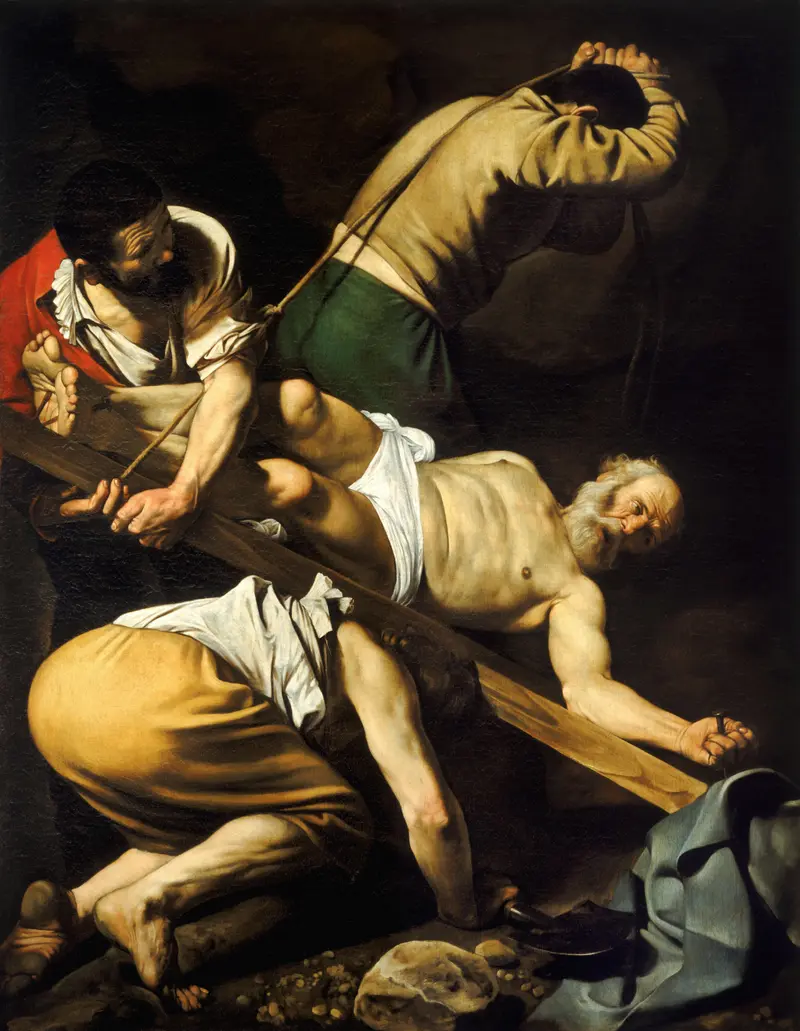
Crucifixion of Saint Peter
Caravaggio
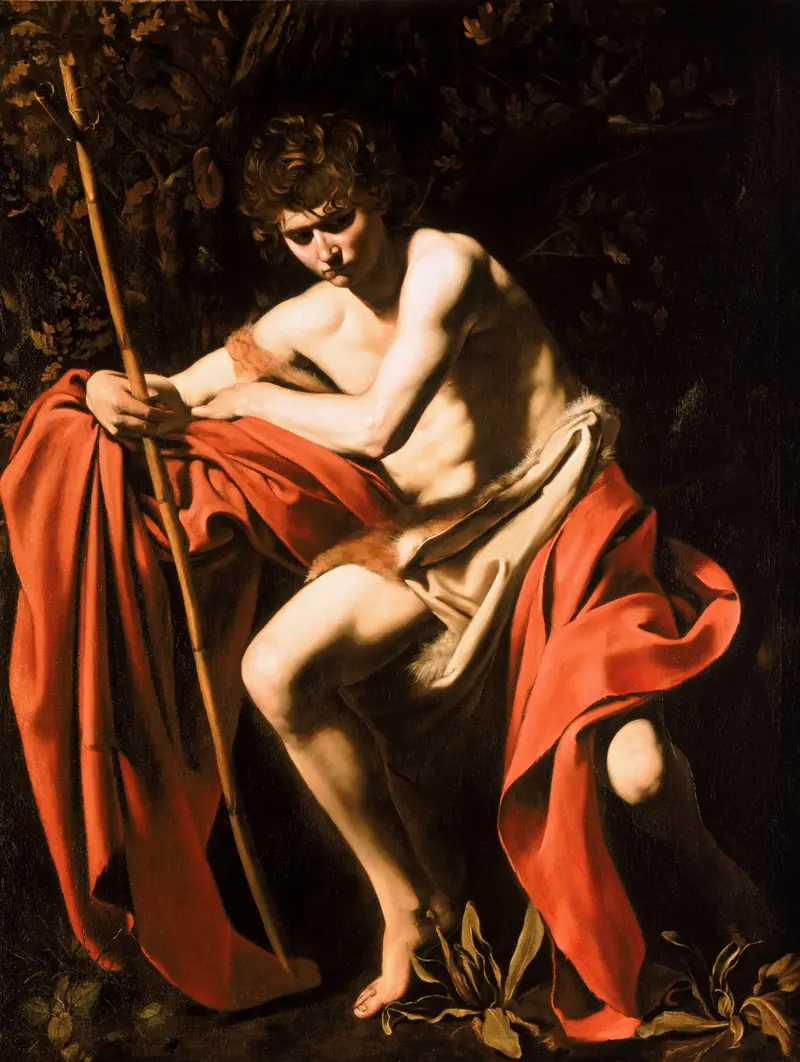
Saint John The Baptist In The Wilderness
Caravaggio

Saint Matthew and the angel
Caravaggio
The Inspiration of Saint Matthew
Caravaggio

Conversion on the Way to Damascus
Caravaggio
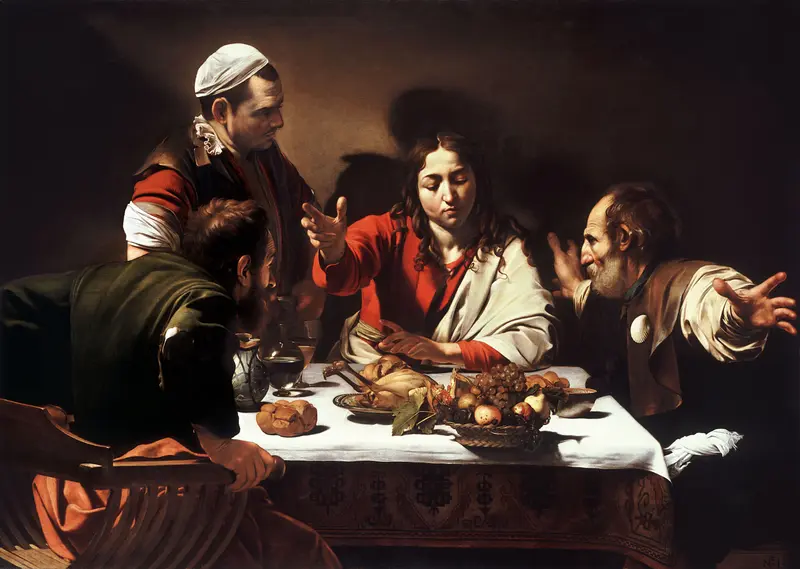
Supper at Emmaus
Caravaggio





