
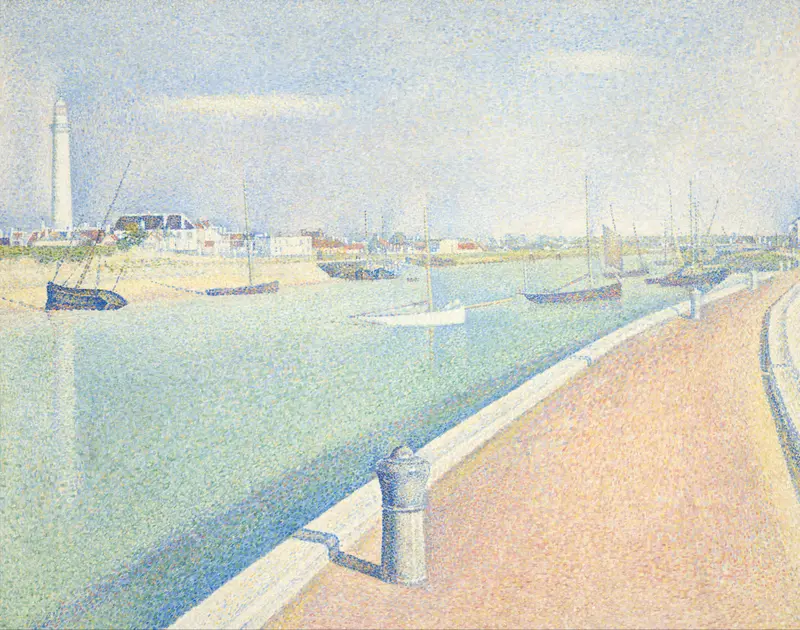
Beach at Gravelines — History & Facts
When Georges Seurat painted Beach at Gravelines in 1890, he was in the final year of his life, unknowingly crafting one of his last meditations on light and landscape. This work belongs to a small group of canvases depicting the northern French coast, a subject Seurat returned to during his summers at the seaside. Unlike his earlier, more bustling scenes of urban leisure, here he turned his attention to the quiet emptiness of the shore, capturing a sense of stillness that contrasts with his more famous A Sunday Afternoon on the Island of La Grande Jatte.
The painting’s calm has prompted art historians to wonder if Seurat, often associated with the scientific rigor of Pointillism, was also seeking a more personal, contemplative vision in his final years. The scene unfolds on a flat, expansive beach at Gravelines, a small port town near the Belgian border. The horizon is low, the sky vast, and the sea almost indistinguishable from the sand—Seurat’s careful dots and dashes of color dissolve the boundaries between water, land, and air. A single figure, sometimes interpreted as a fisherman or a solitary walker, stands near the water’s edge, dwarfed by the landscape.
The muted palette and geometric clarity of the composition heighten the sense of isolation, while the rhythmic brushwork creates a shimmering effect, as if the entire scene is gently vibrating with light. Compared to Claude Monet’s lively depictions of the Normandy coast, Seurat’s approach is more restrained, inviting the viewer to linger in the hush of the moment. The exact medium of Beach at Gravelines is not always specified, but it is generally thought to be oil on canvas, typical of Seurat’s mature works. After Seurat’s untimely death in 1891, his paintings were dispersed among friends, family, and collectors, with many entering public collections in the early twentieth century as interest in Neo-Impressionism grew.
Today, the painting’s quiet innovation is recognized as a key example of Seurat’s late style, bridging the gap between the scientific ambitions of Pointillism and the emotional resonance of modern landscape painting. Its place in Seurat’s oeuvre is all the more significant for being among his last completed works, a testament to his lifelong fascination with the subtle interplay of color, light, and form.
More Artworks by Georges Seurat
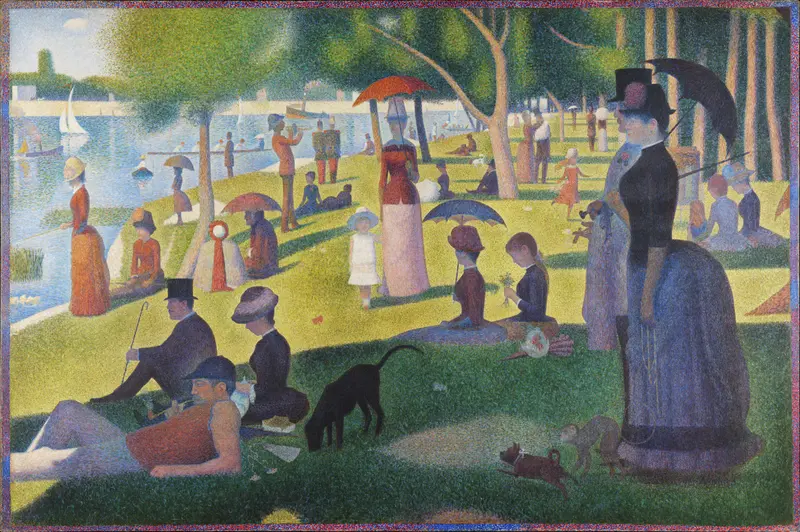
A Sunday Afternoon on the Island of La Grande Jatte
Georges Seurat
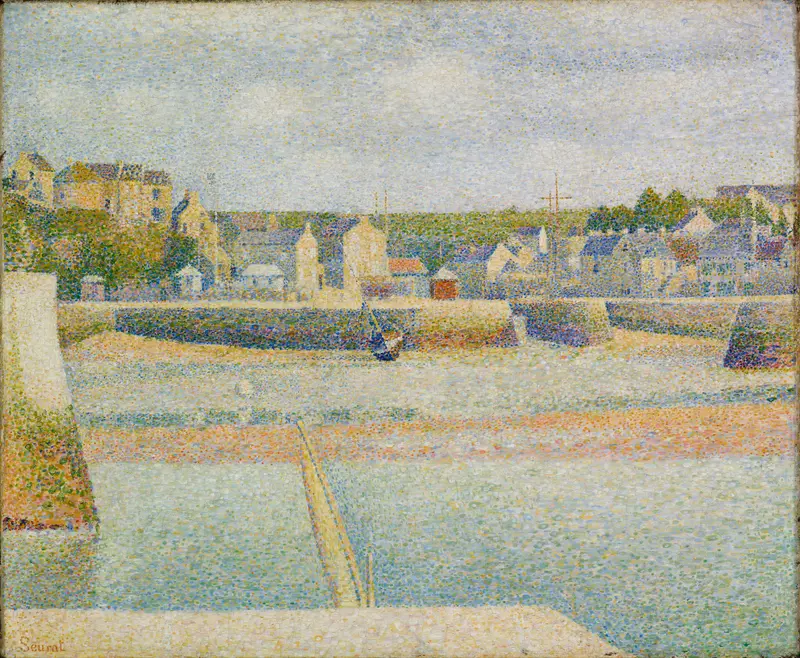
Port-en-Bessin, The Outer Harbor (Low Tide)
Georges Seurat
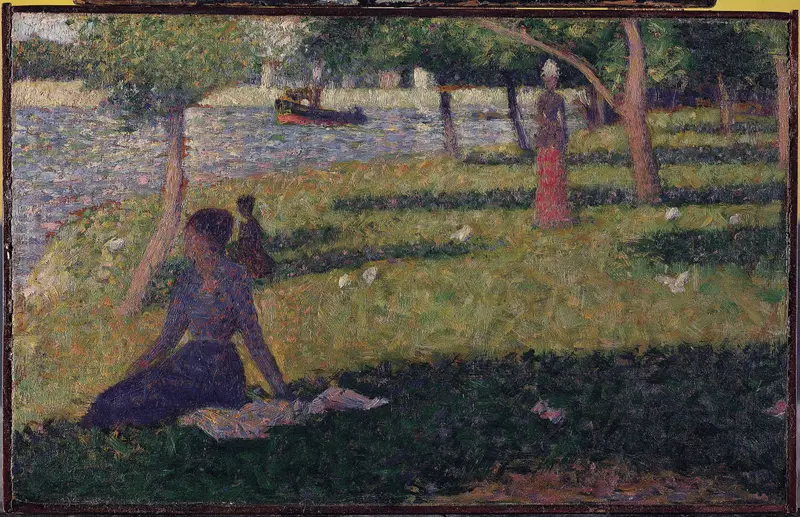
Étude pour ‘La Grande Jatte’ (Study for ‘La Grande Jatte’)
Georges Seurat
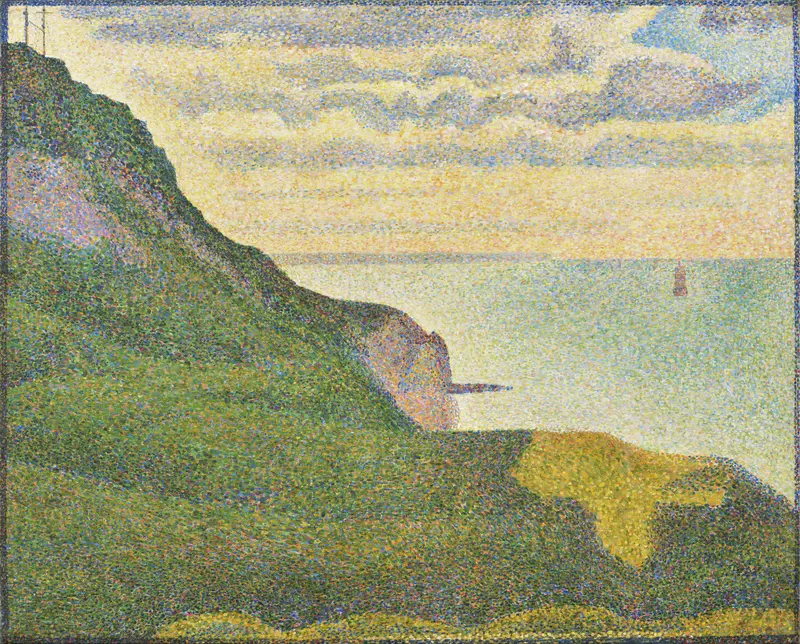
Seascape at Port-en-Bessin,Normandy
Georges Seurat
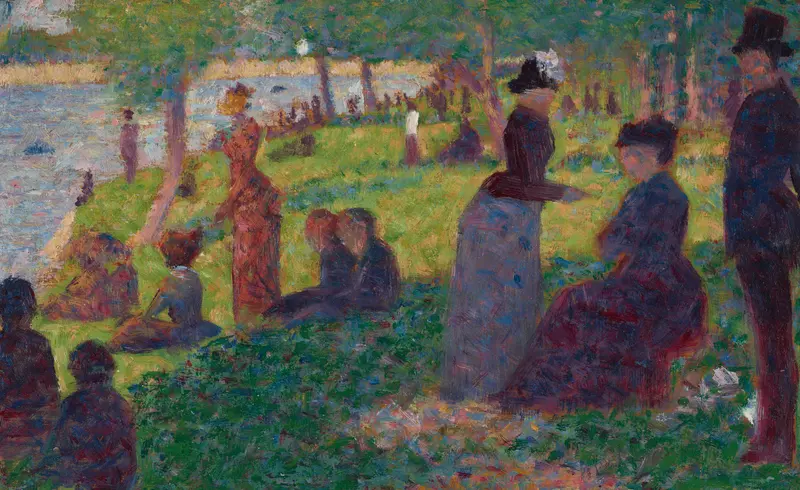
Oil Sketch for "A Sunday on La Grande Jatte — 1884"
Georges Seurat
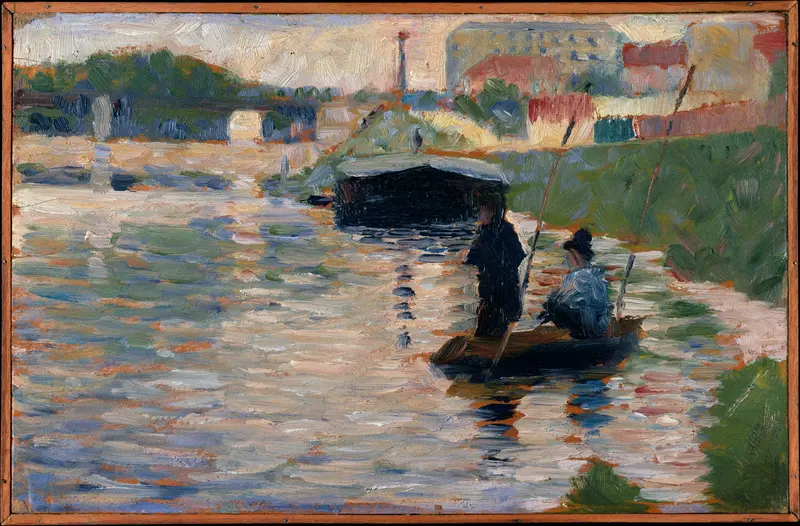
View of the Seine
Georges Seurat
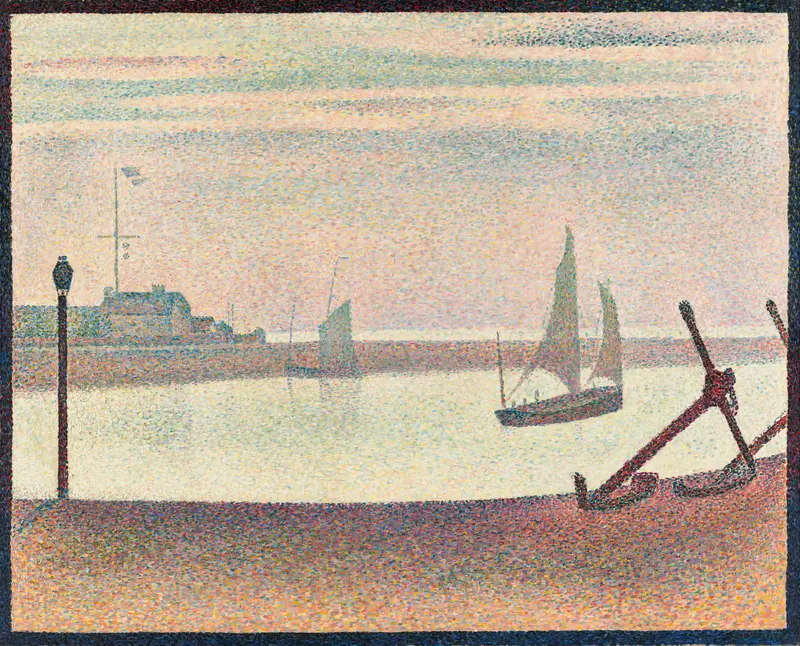
The Channel at Gravelines, Evening
Georges Seurat
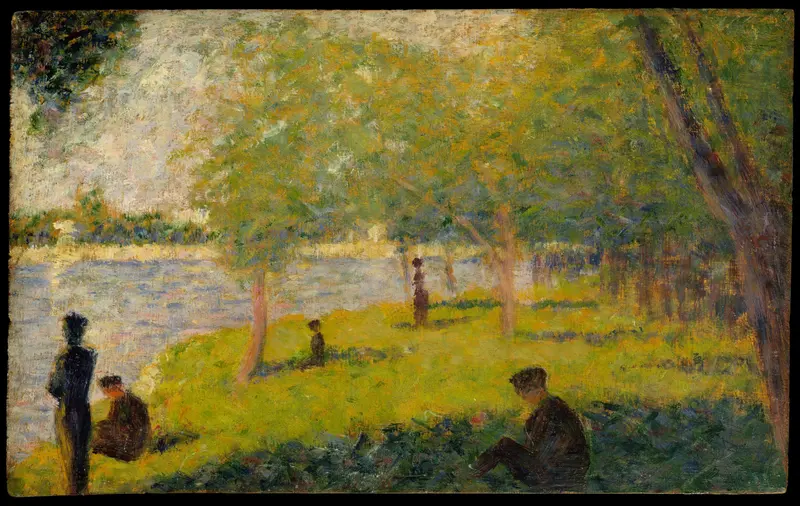
Study for ‘A Sunday on La Grande Jatte’
Georges Seurat
Study for A Sunday on La Grande Jatte
Georges Seurat
The Channel of Gravelines, Petit Fort Philippe
Georges Seurat





