
Beauty (Bijin) — History & Facts
When Beauty (Bijin) appeared in 1814, it was part of a remarkable moment in Japanese art: Katsushika Hokusai was publishing his first Hokusai Manga, a collection of sketches that would influence artists worldwide. This image of a bijin—a beautiful woman—belongs to a genre that was both admired and controversial in Edo-period Japan. The exact identity of the model remains unknown, and scholars still debate whether Hokusai based her on a real courtesan or created an ideal.
What is certain is that this work helped set the standard for bijin-ga, or “pictures of beautiful women,” a genre that captivated both commoners and the elite. The woman stands poised in a moment of quiet grace, her gaze lowered and her elaborate hairstyle held in place by ornate hairpins. Her kimono, rendered in flowing lines and delicate patterns, signals both her social status and the fashion of the day. Hokusai’s careful attention to the fall of fabric and the curve of her neck invites the viewer to linger on the details, while the subtle tilt of her head suggests a private thought or emotion.
Unlike the bold, dramatic courtesans of Kitagawa Utamaro, Hokusai’s bijin is understated, her beauty revealed through restraint and suggestion rather than overt display. The medium of Beauty (Bijin) is not definitively known, though it is likely a woodblock print or ink drawing, as was typical for Hokusai’s work at this time. Like many of his bijin images, it was probably created for a broad audience, sold in the bustling print markets of Edo. Over the years, the print has appeared in various collections and exhibitions, reflecting the enduring appeal of Hokusai’s vision.
Today, it stands as a testament to his versatility: while he is best known in the West for The Great Wave off Kanagawa, works like Beauty (Bijin) reveal his deep engagement with everyday life and the fashions of his era.
More Artworks by Katsushika Hokusai

The Great Wave off Kanagawa
Katsushika Hokusai
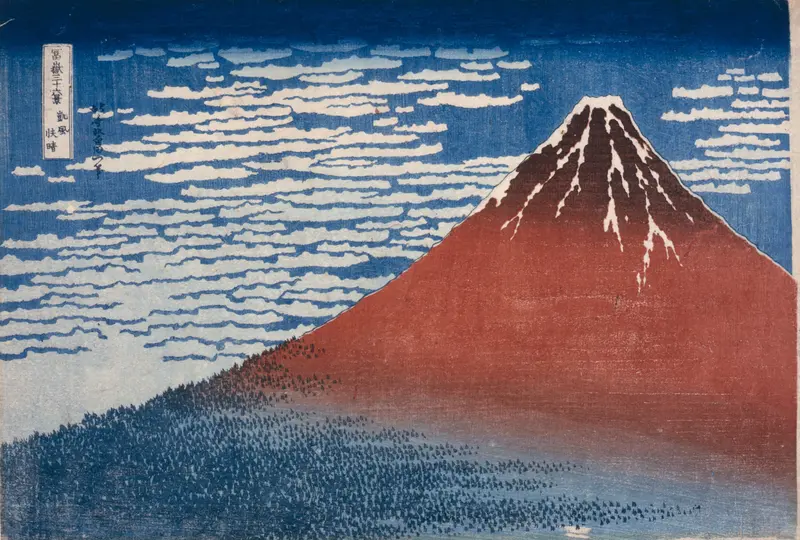
Fine Wind, Clear Morning (Red Fuji)
Katsushika Hokusai
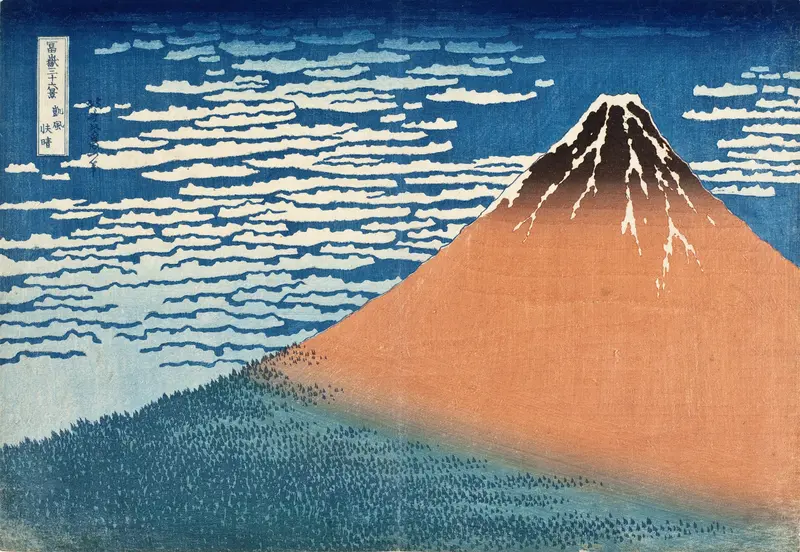
South Wind, Clear Dawn
Katsushika Hokusai
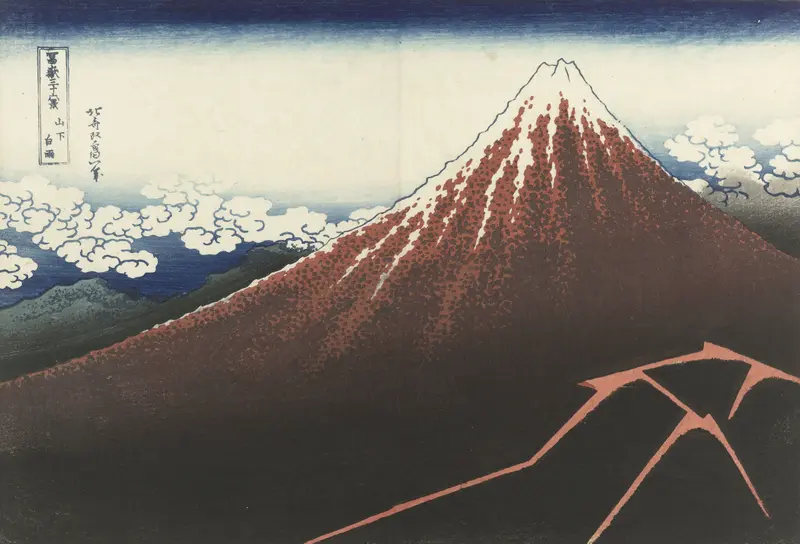
Rainstorm Beneath the Summit
Katsushika Hokusai
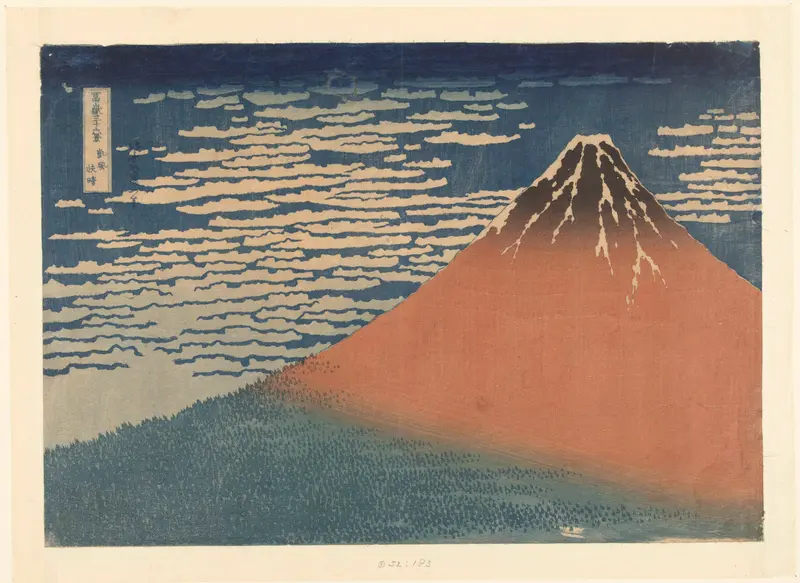
Clear Weather with a Southerly Wind
Katsushika Hokusai
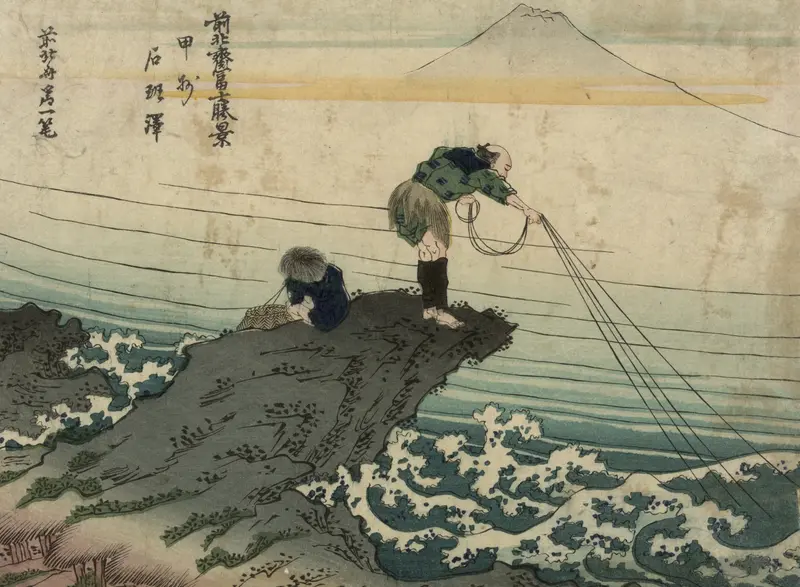
Kōshū kajikazawa
Katsushika Hokusai
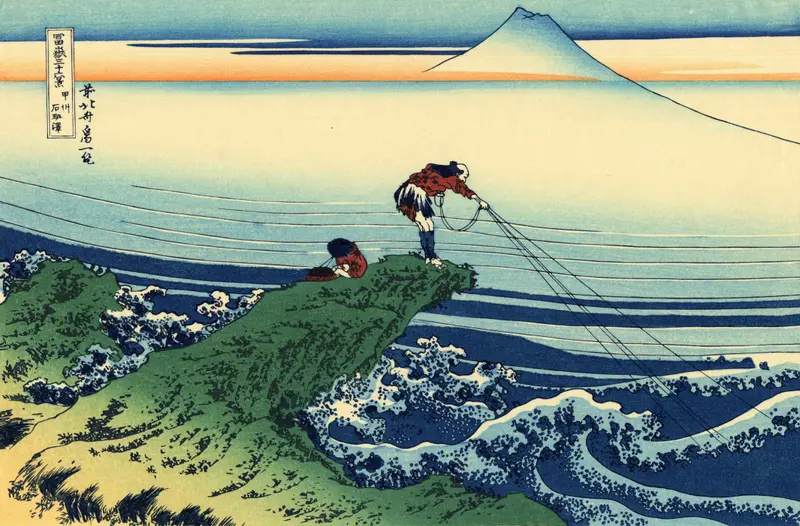
Kōshū kajikazawa 2
Katsushika Hokusai
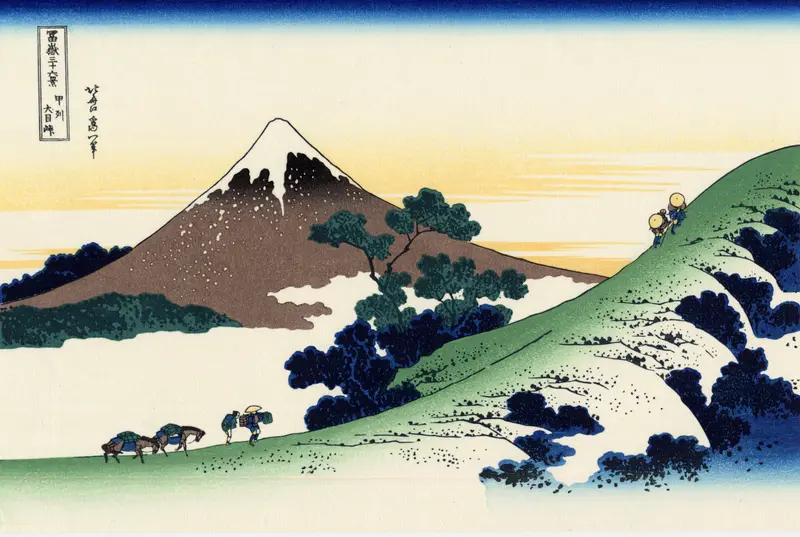
Inume Pass in Kai Province (Kôshû inume-tôge)
Katsushika Hokusai

Yoro Falls in Mino Province (Mino no Yoro no taki), from the series "A Tour of Waterfalls in Various Provinces (Shokoku taki meguri)"
Katsushika Hokusai
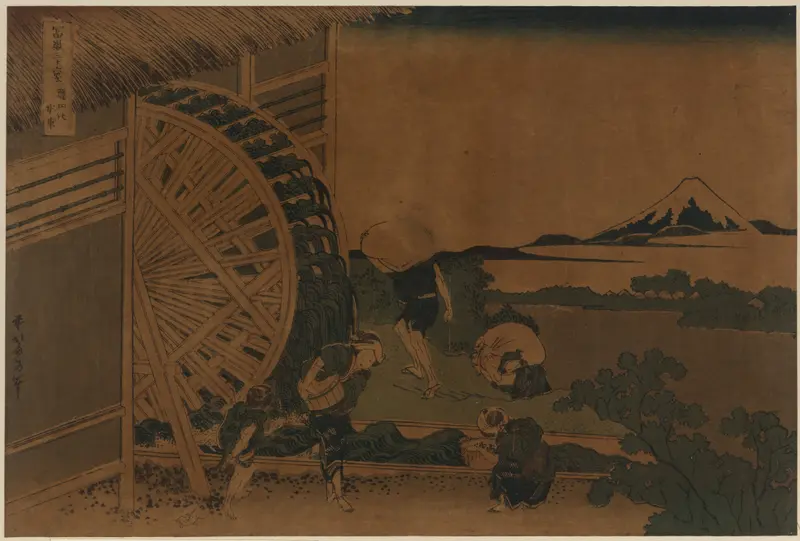
Onden no suisha
Katsushika Hokusai





