
Beheading of Two Male Saints — History & Facts
In Beheading of Two Male Saints, Giovanni Battista Tiepolo uses a rich palette of reds, golds, and deep blues. The scene is dramatic, featuring two male saints in the midst of their execution. Their expressions convey a mix of serenity and suffering, while the background is filled with dark, swirling clouds.
The figures are adorned in elaborate robes, highlighting their status and the gravity of the moment. The painting is executed in oil on canvas, a common medium for Tiepolo, allowing for vibrant colors and intricate details. The composition is dynamic, with the saints positioned prominently in the foreground, drawing the viewer's eye. Tiepolo's brushwork is fluid, creating a sense of movement that enhances the emotional intensity of the scene.
The use of light and shadow adds depth, emphasizing the figures against the tumultuous background. Giovanni Battista Tiepolo was a leading figure of the Rococo style, known for his grand and theatrical compositions. This work, likely created in the 1750s, reflects his mastery of color and light. An interesting fact about this painting is that it showcases Tiepolo's ability to blend religious themes with dramatic storytelling, making the viewer feel the weight of the saints' sacrifice.
Today, it is housed in the Museo del Prado, a testament to its significance in art history.
More Artworks by Giovanni Battista Tiepolo
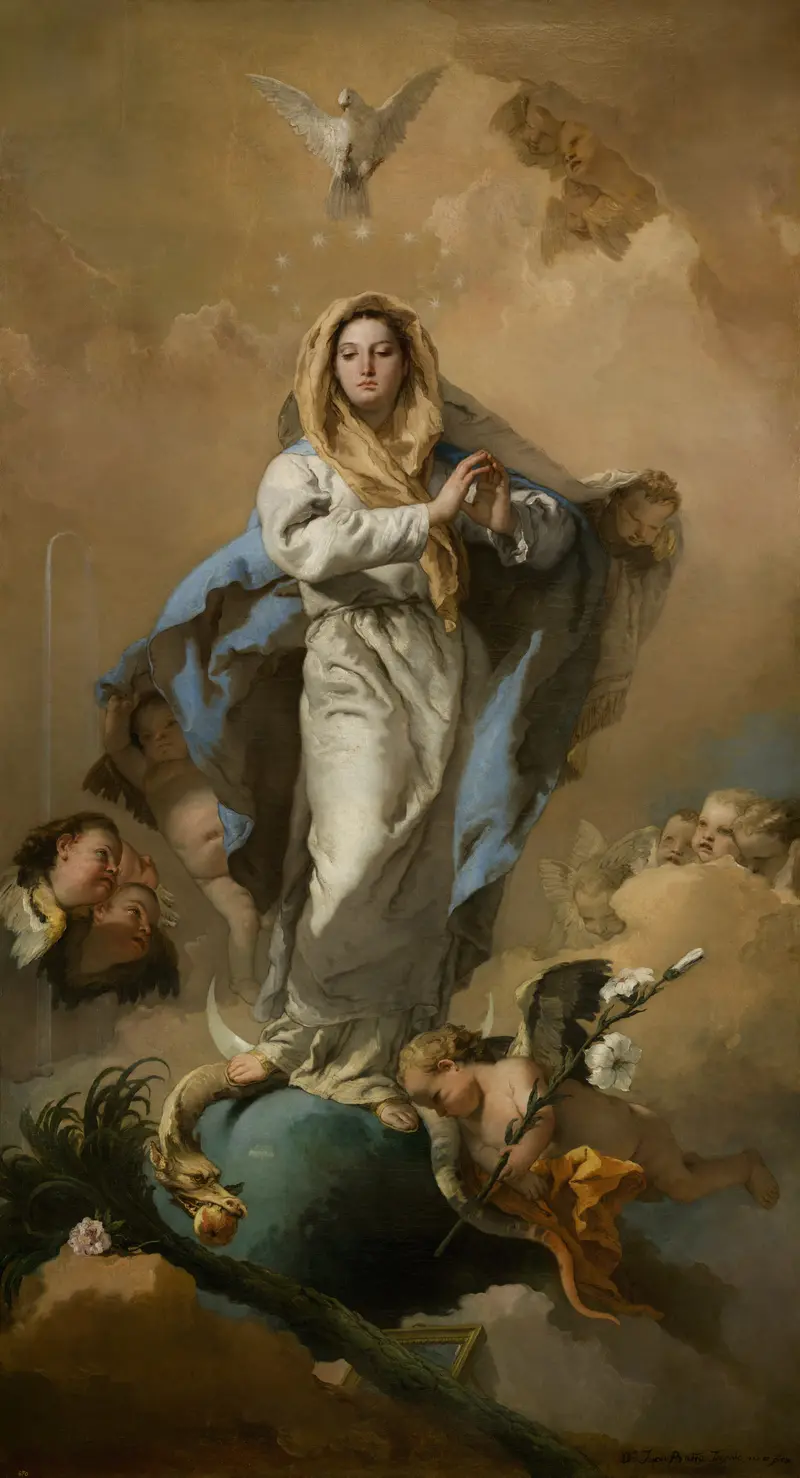
The Immaculate Conception
Giovanni Battista Tiepolo
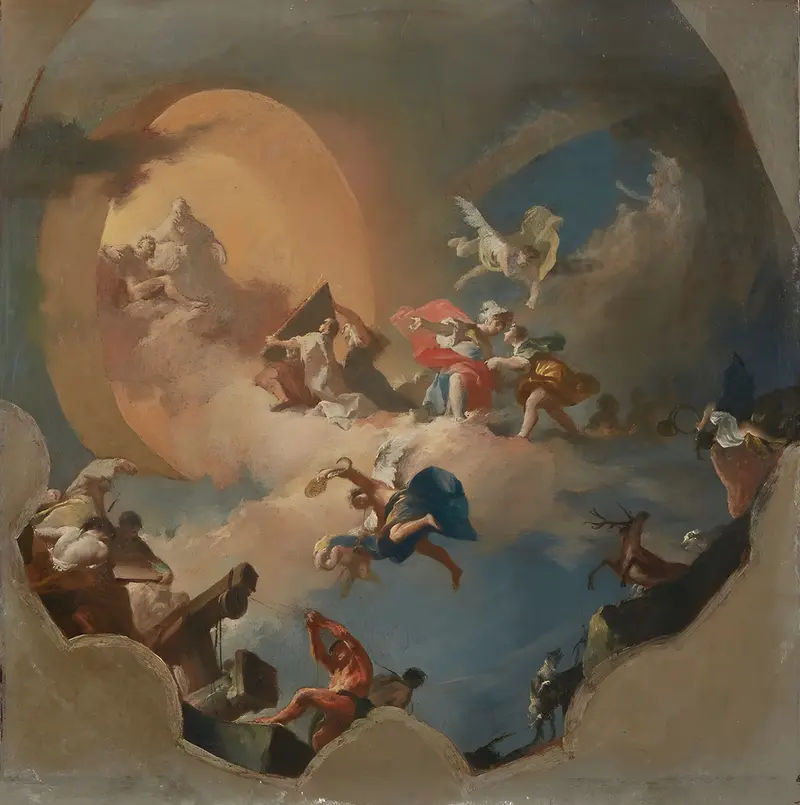
The Apotheosis of the Arts
Giovanni Battista Tiepolo
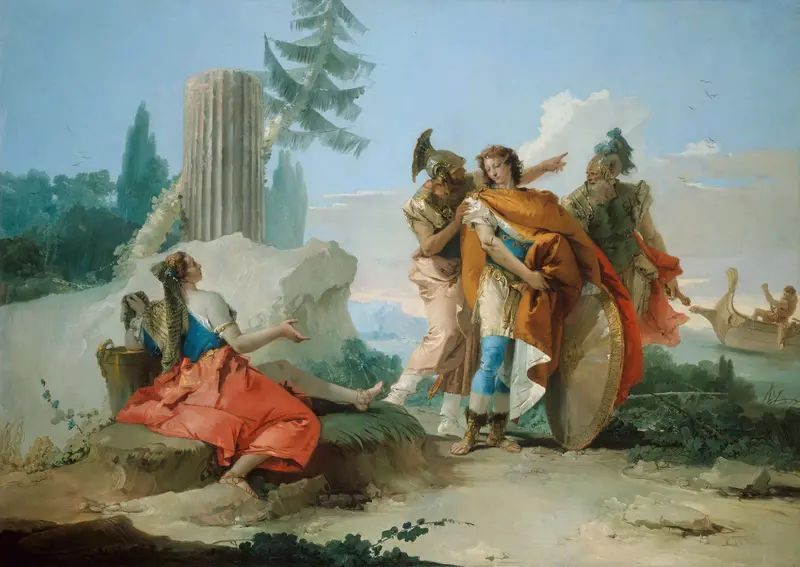
Armida Abandoned by Rinaldo
Giovanni Battista Tiepolo
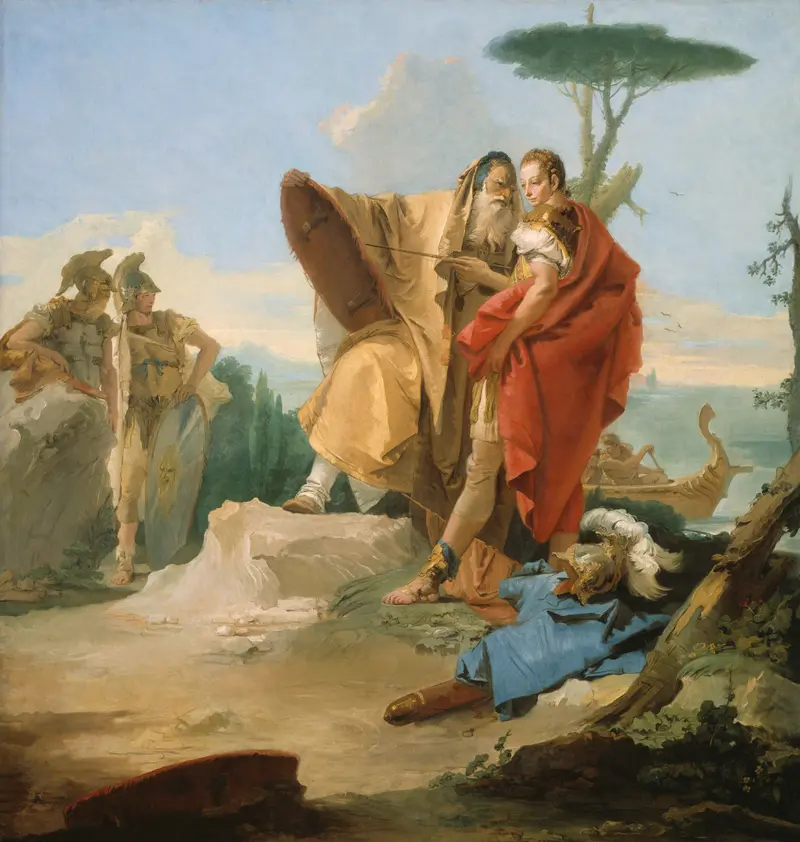
Rinaldo and the Magus of Ascalon
Giovanni Battista Tiepolo
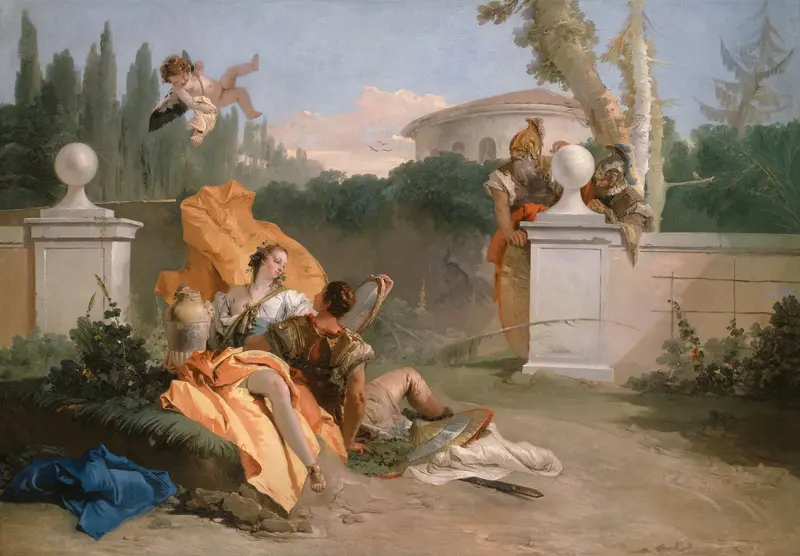
Rinaldo and Armida in Her Garden
Giovanni Battista Tiepolo
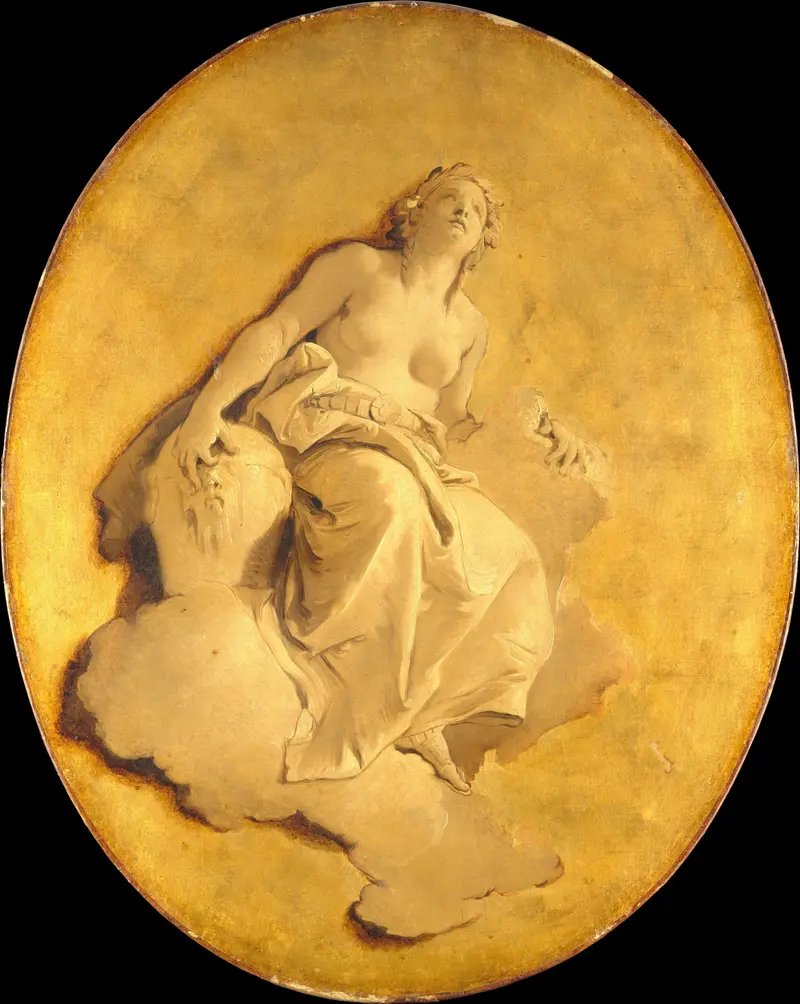
A Female Allegorical Figure
Giovanni Battista Tiepolo
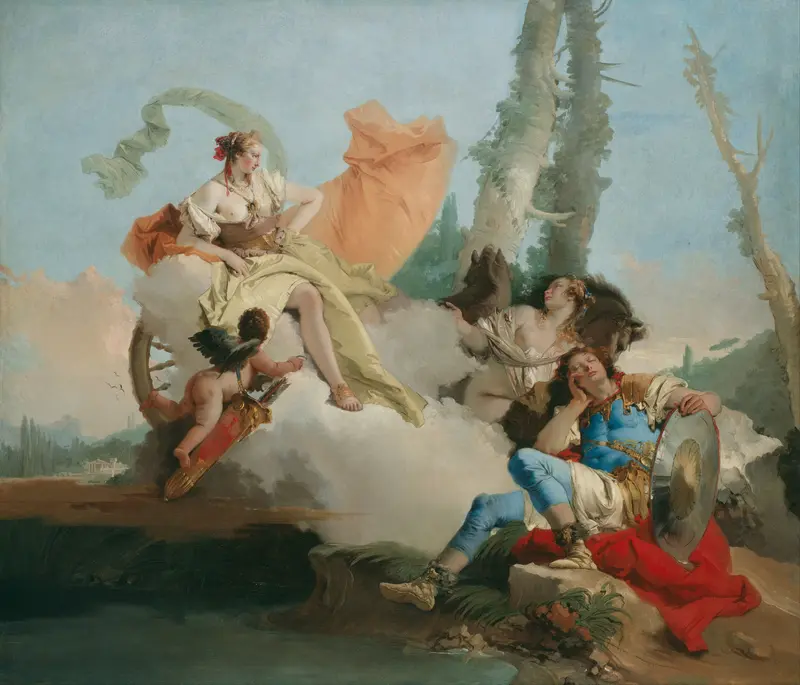
Armida Encounters the Sleeping Rinaldo
Giovanni Battista Tiepolo
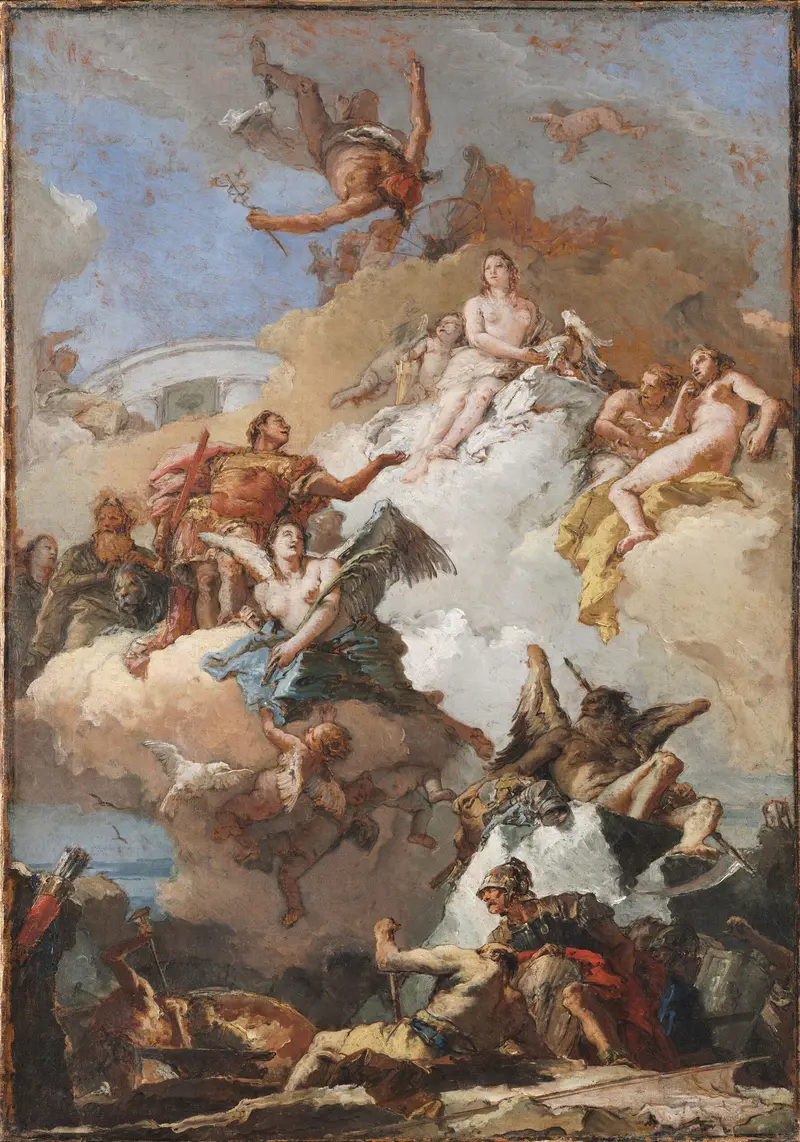
The Apotheosis of Aeneas
Giovanni Battista Tiepolo
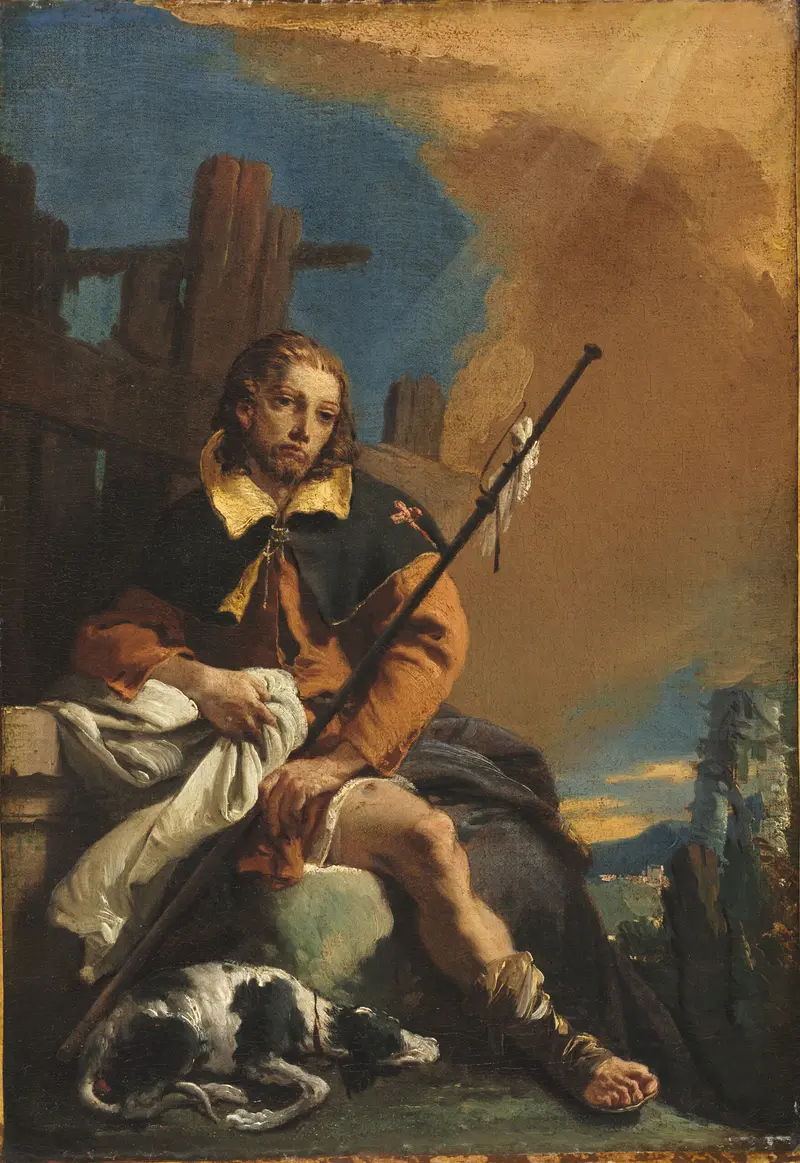
Saint Roch as a Pilgrim
Giovanni Battista Tiepolo
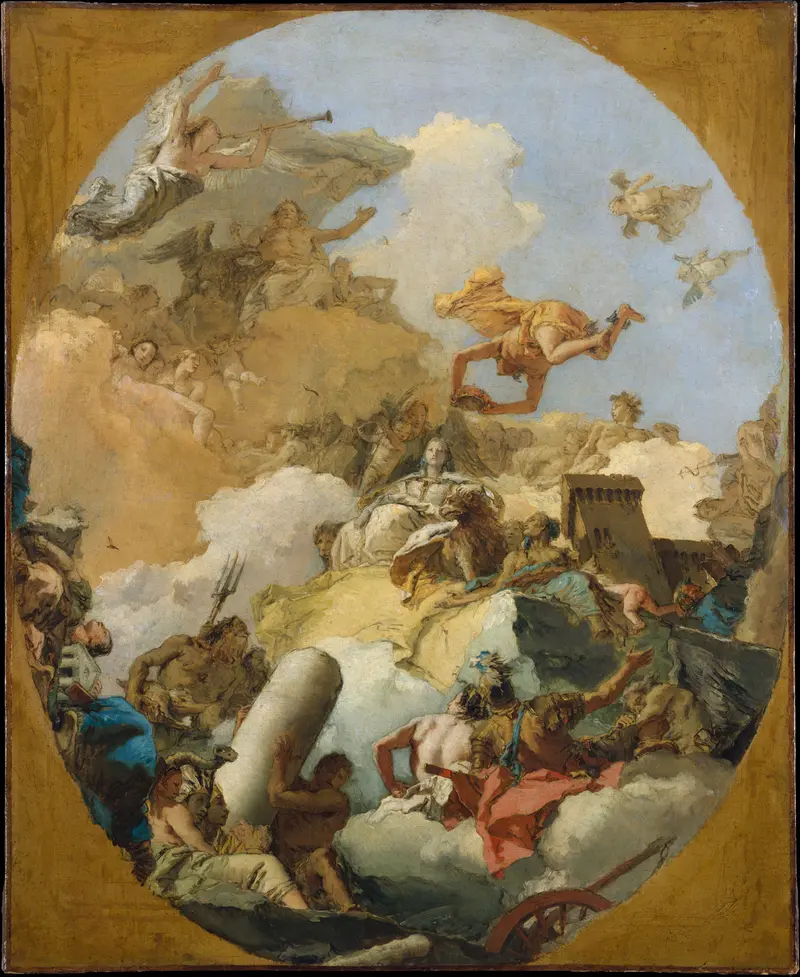
The Apotheosis of the Spanish Monarchy
Giovanni Battista Tiepolo





