
Bellona Presenting the Reins of his Horses to Mars — History & Facts
What catches the eye first is the electric tension between the two figures, each caught in a moment of urgent exchange. The woman, armored and resolute, thrusts the reins toward her companion with an intensity matched only by the wild-eyed horses surging behind her. The man—muscular, helmeted, and draped in the red of command—reaches for the reins, his body twisting toward her in a choreography of power and necessity.
The artist’s mastery is in the way the diagonal sweep of arms and reins pulls the viewer straight into the heart of the drama, while the horses’ flared nostrils and rolling eyes amplify the sense of impending action. Light glances off metal and flesh, heightening the contrast between the cool blue of her cloak and the fiery warmth of his garb, setting the stage for a mythic handover. Painted in 1766, this work belongs to the world of late eighteenth-century France, when artists like Louis-Jean-François Lagrenée turned to myth and allegory to explore questions of duty, heroism, and the nature of power. Scenes like this—drawn from the pantheon of Roman gods—were prized by patrons eager to associate themselves with the virtues of antiquity, and were often destined for salons, palaces, or academies.
Little is recorded about the specific journey of this painting before its arrival at the Princeton Art Museum, but its theatrical composition and polished finish are hallmarks of the era’s grand manner. In a time when history painting was considered the highest calling of art, Lagrenée’s work invites us to linger over the charged moment when war and strategy change hands—urging us to look again at every detail.
More Artworks by Louis-Jean-François Lagrenée
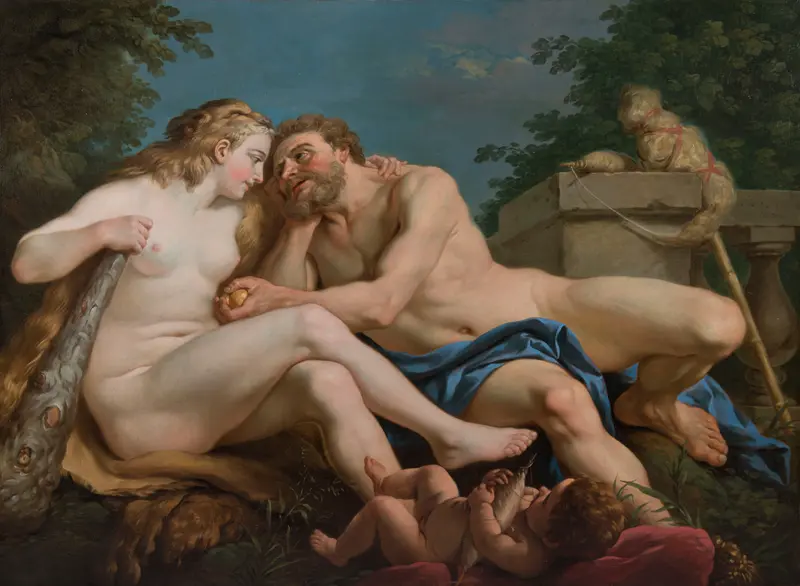
Herkules and Omphale
Louis-Jean-François Lagrenée
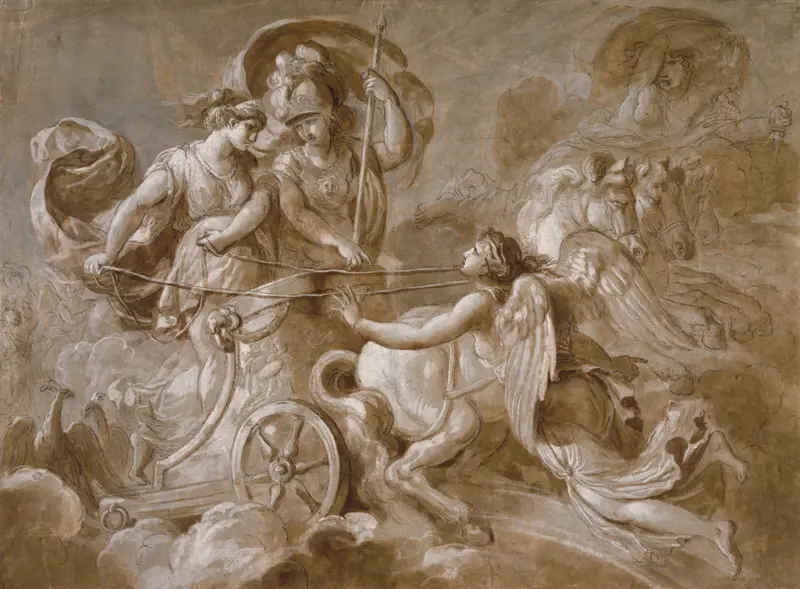
Iris Approaching Athena and Hera
Louis-Jean-François Lagrenée
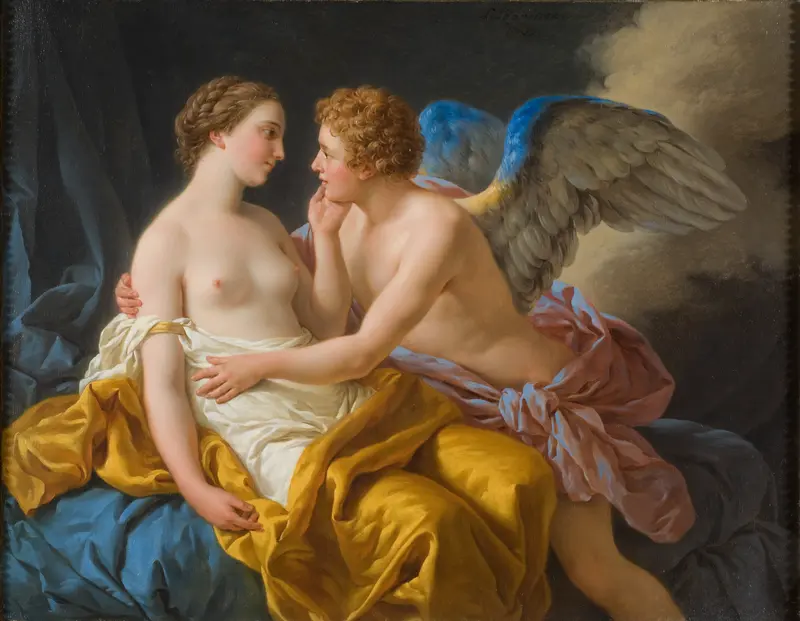
Cupid and Psyche
Louis-Jean-François Lagrenée
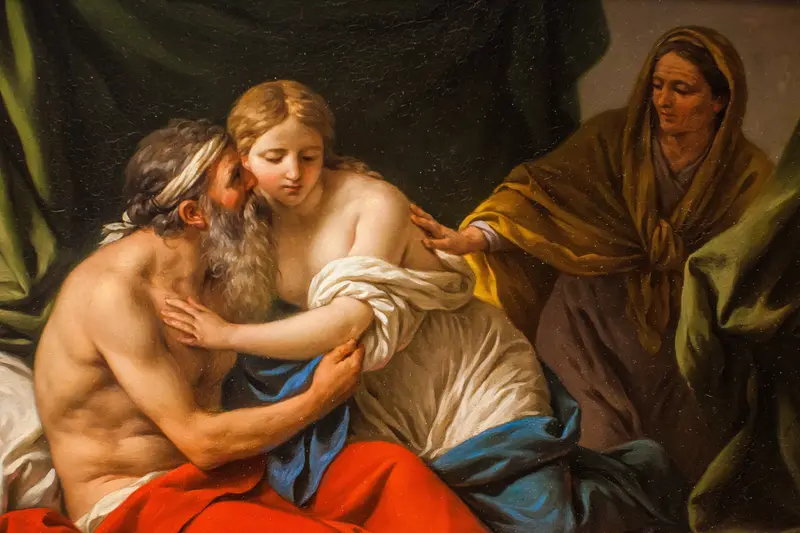
Sarah Presenting Hagar to Abraham
Louis-Jean-François Lagrenée
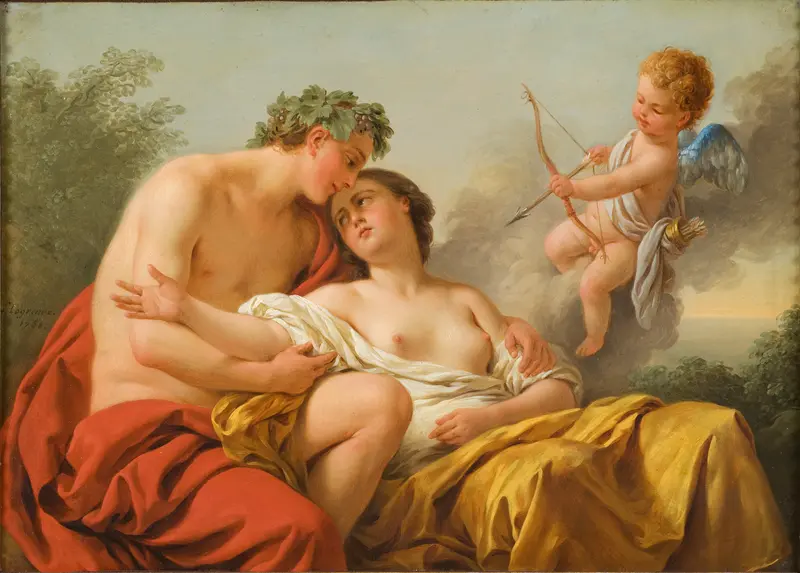
Bacchus and Ariadne
Louis-Jean-François Lagrenée
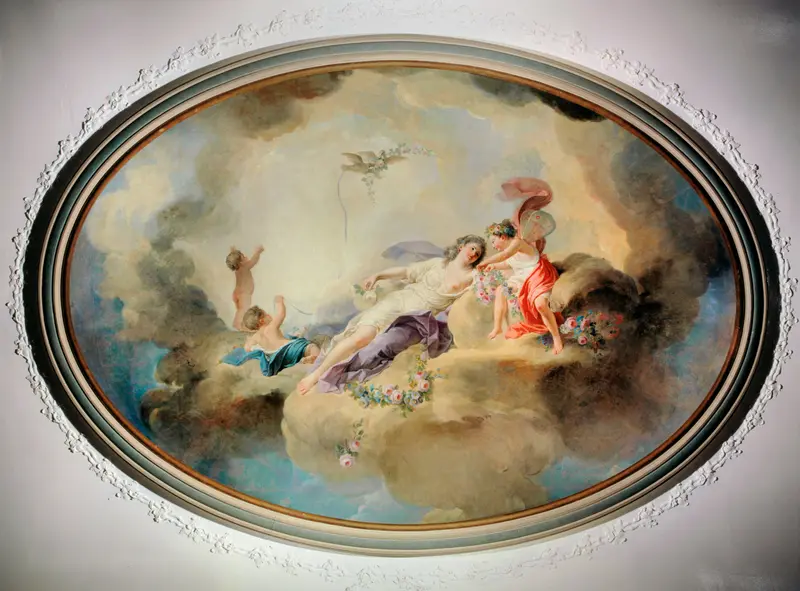
Louis Jean François Lagrenée Le triomphe de Flore P787 Musée Carnavalet
Louis-Jean-François Lagrenée
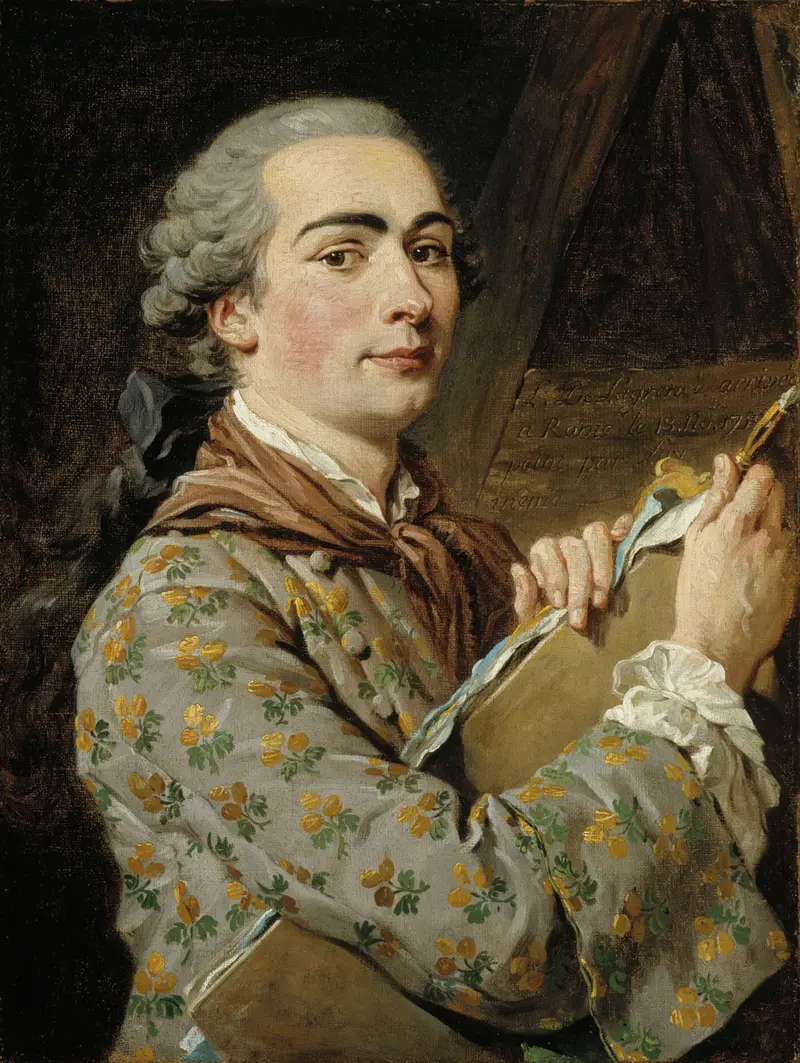
Self-Portrait
Louis-Jean-François Lagrenée
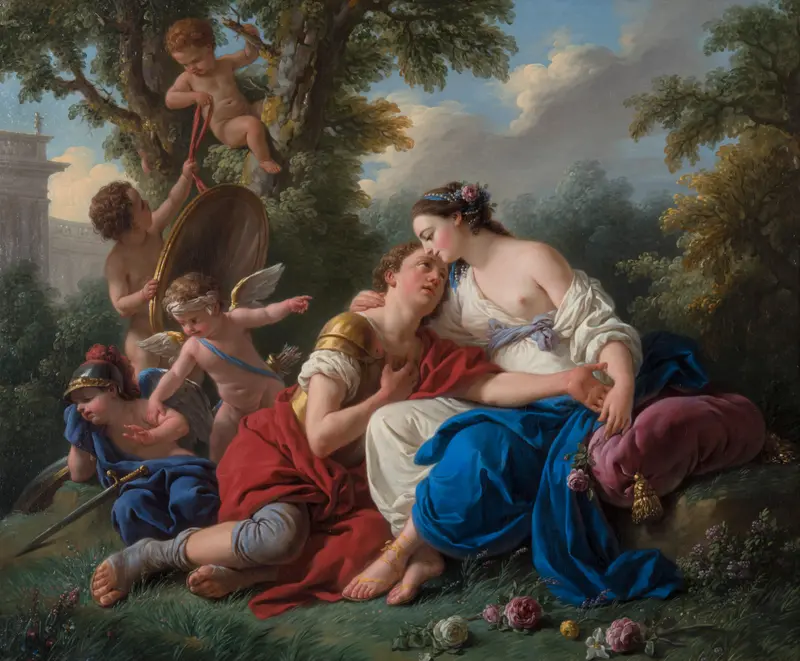
Rinaldo and Armida
Louis-Jean-François Lagrenée
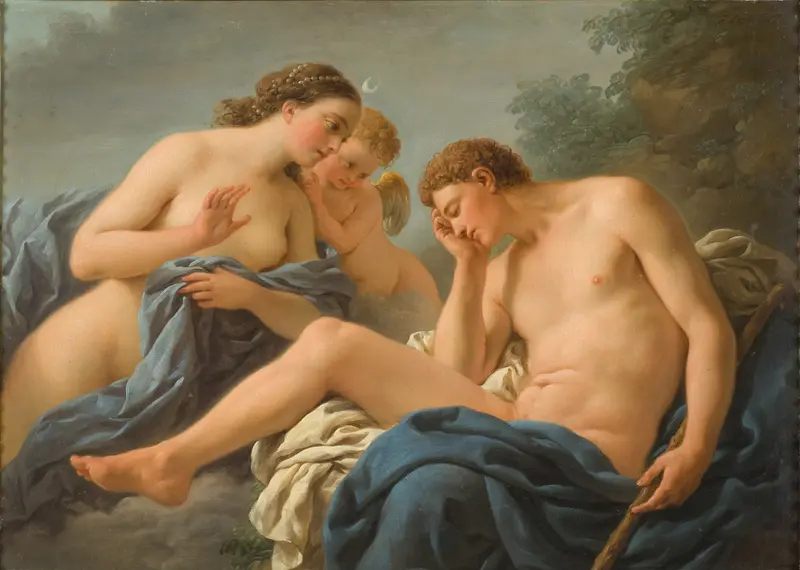
Diana and Endymion
Louis-Jean-François Lagrenée
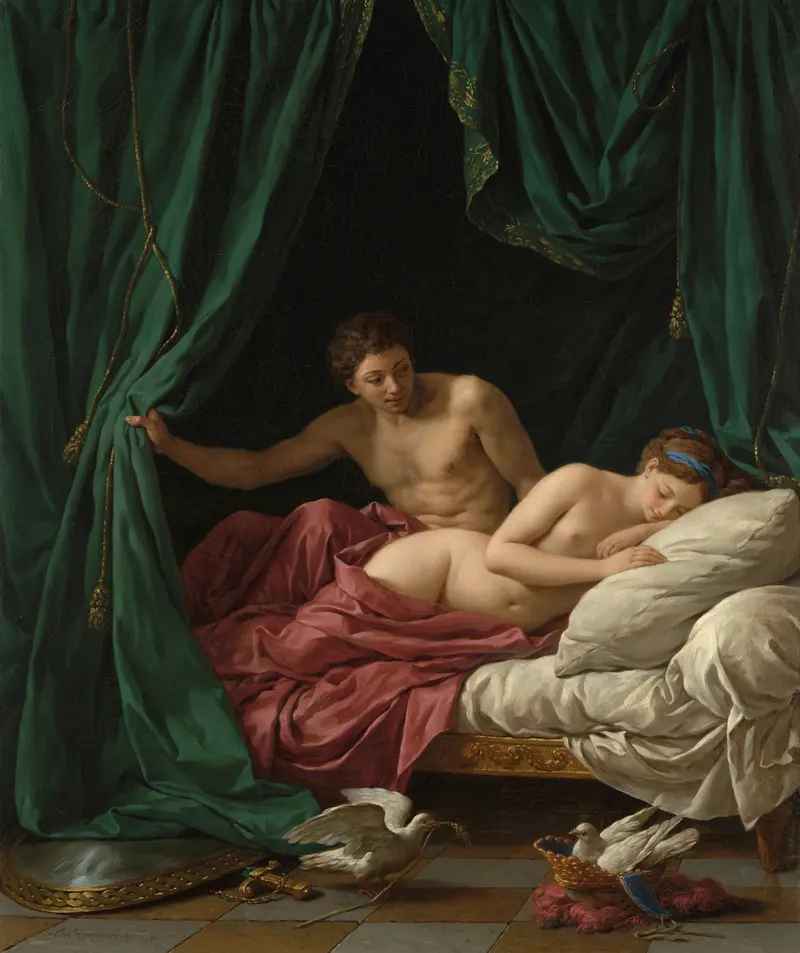
Mars and Venus, Allegory of Peace
Louis-Jean-François Lagrenée





