
House Altar with Six Scenes from the Life of the Virgin Mary — History & Facts
A cloud of music and gold crowns hovers above a gathering of earthbound figures, drawing the eye upward into a vision of heaven that feels almost within reach. In this small, intricate Hausaltar mit sechs Szenen aus dem Leben der Jungfrau Maria, the artist has woven together six moments from Mary's life, each scene pulsing with its own energy yet united by a careful choreography of gesture and gaze. The central panel radiates with the coronation of Mary, angels circling in a celestial dance, while the wings and predella unfold the drama of annunciation, birth, visitation, adoration, and death.
Light is used as a guide, picking out faces and hands, leading the viewer from the earthly to the divine and back again. The palette is gentle but not timid—earthy ochres and cool blues anchor the miraculous in the everyday, inviting contemplation rather than spectacle. Altarpieces like this, crafted around 1600, were often intended for private devotion rather than public display, their compact scale drawing the viewer into an intimate encounter with the sacred. In the late Renaissance, such works became cherished companions in homes and small chapels, offering a sequence of meditations on the Virgin's life and virtues.
The six scenes here echo the narrative cycles found in larger church commissions, but distilled for personal reflection. The documented date, circa 1598, places this work at a moment when artists like Adam Elsheimer were experimenting with light, atmosphere, and storytelling on a miniature scale. History has kept few traces of this particular altarpiece's journey, but its quiet complexity invites us to linger, searching for the thread that binds these moments together.
More Artworks by Adam Elsheimer

Saint John the Baptist in the Wilderness
Adam Elsheimer
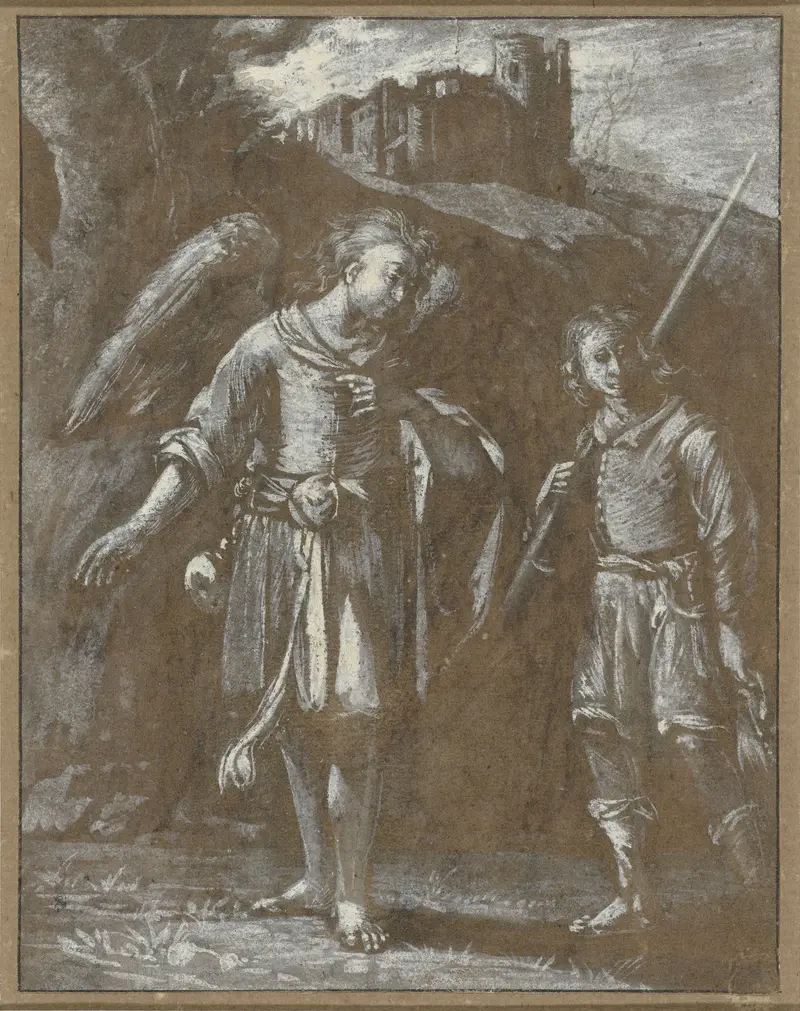
Tobias en de engel
Adam Elsheimer
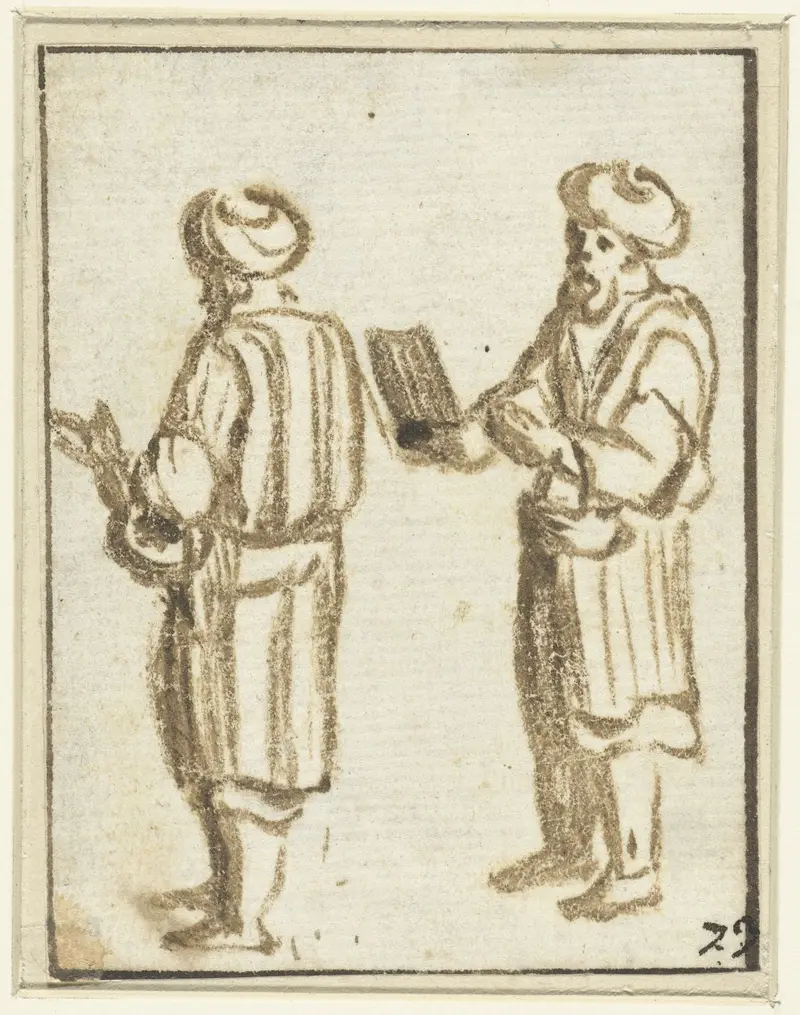
Twee staande mannen met tulbanden
Adam Elsheimer
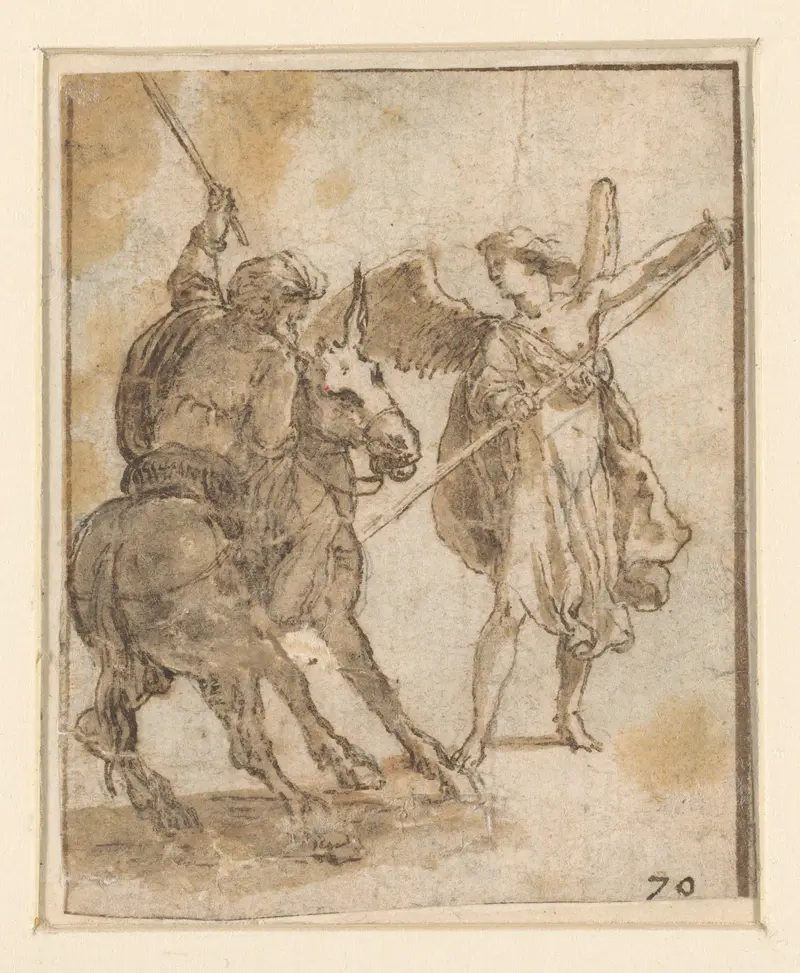
Bileam op zijn ezel ontmoet de engel
Adam Elsheimer
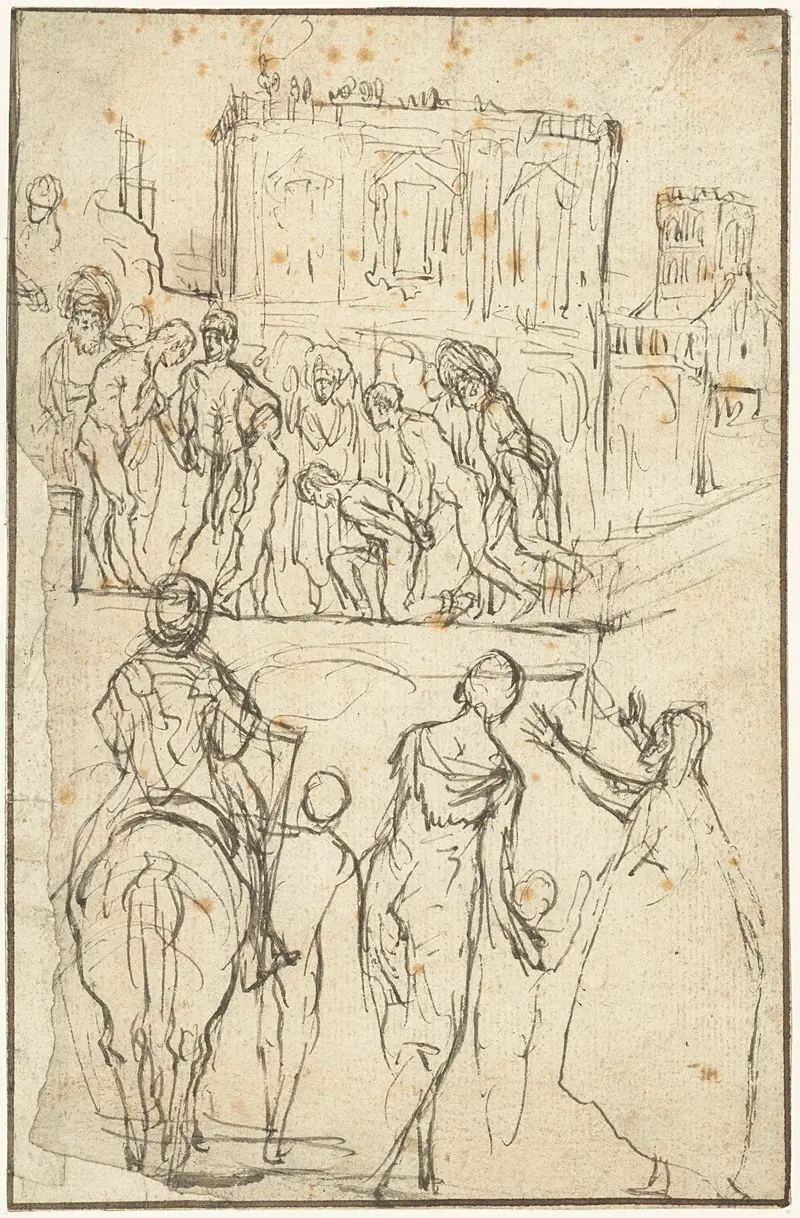
Judgement Scene with a Bound Prisoner
Adam Elsheimer
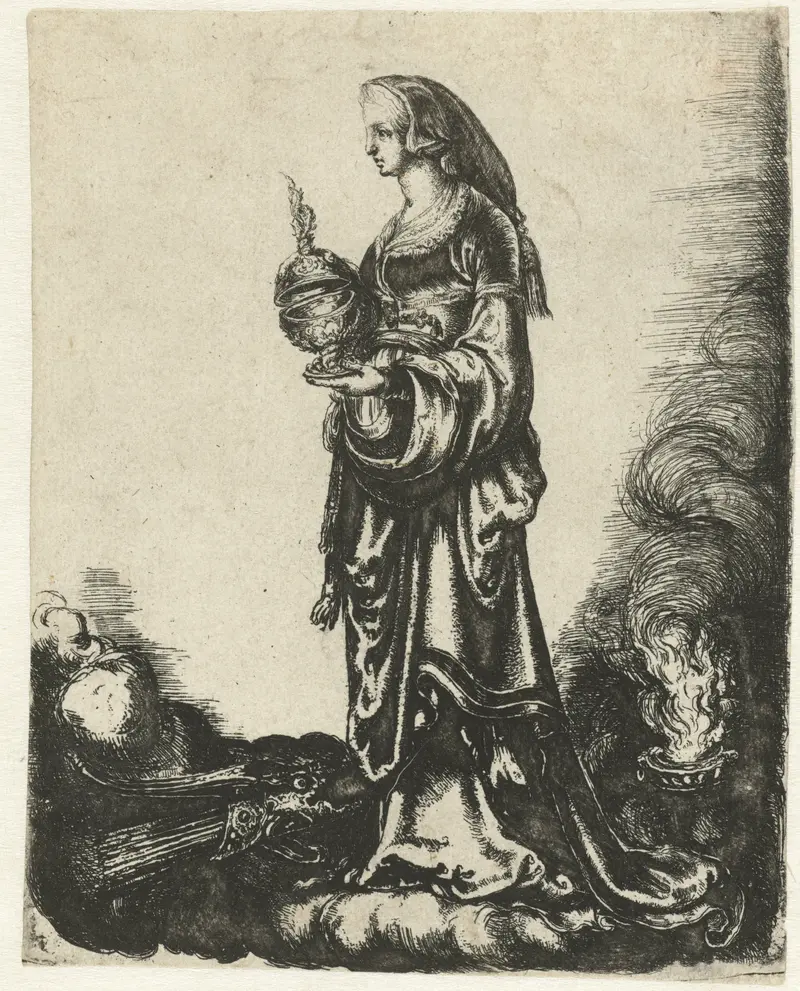
Allegorie met vrouw met beker staand op wolk
Adam Elsheimer
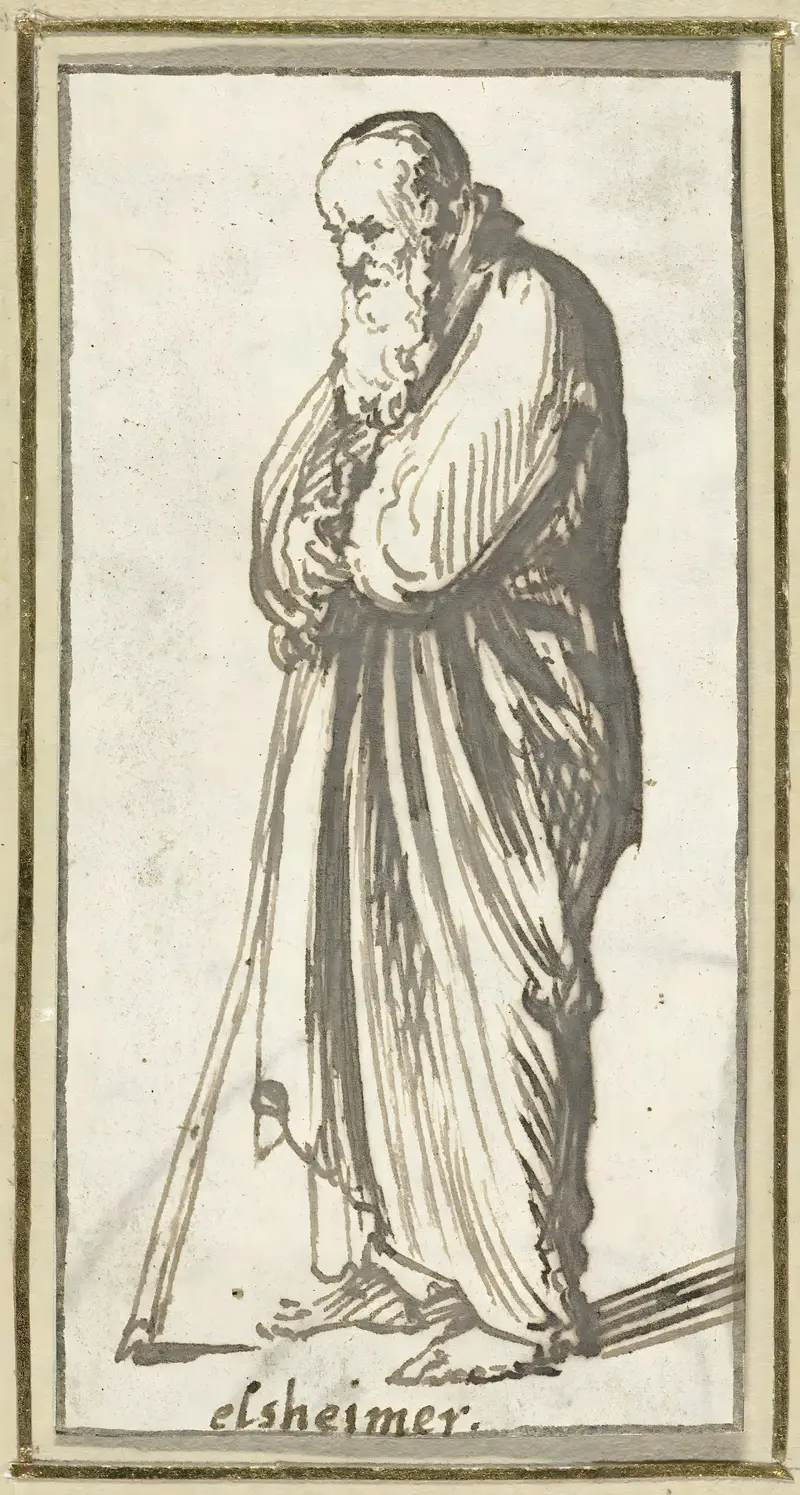
Oude man in lang gewaad
Adam Elsheimer
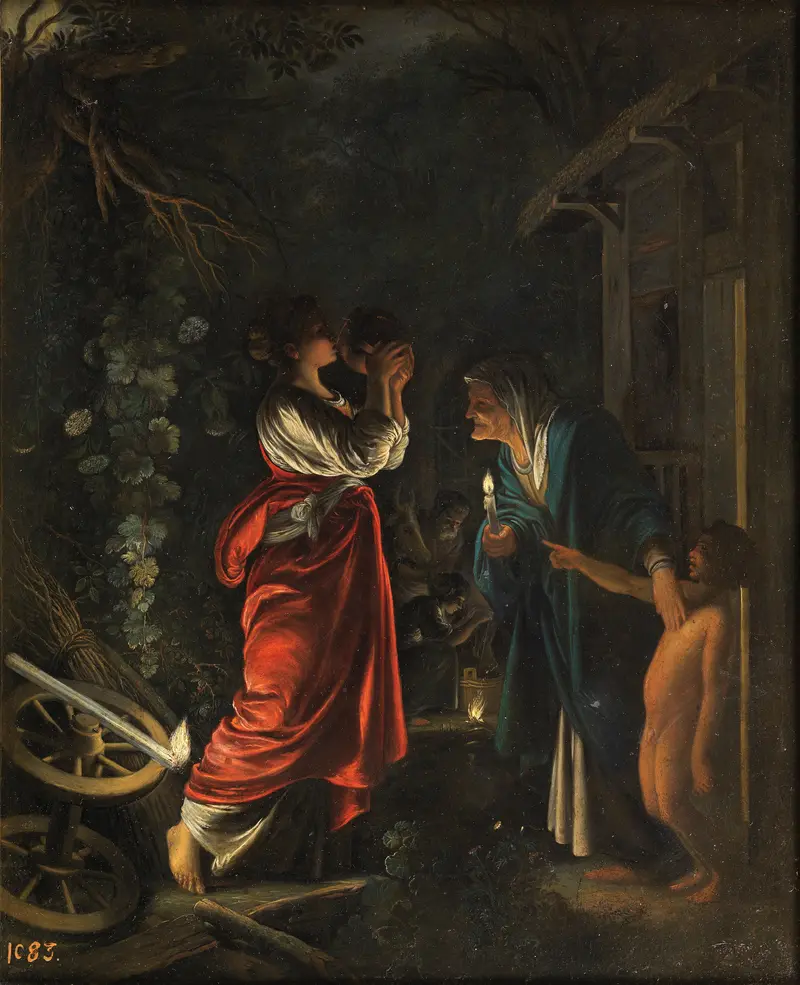
Ceres in the House of Hecuba
Adam Elsheimer
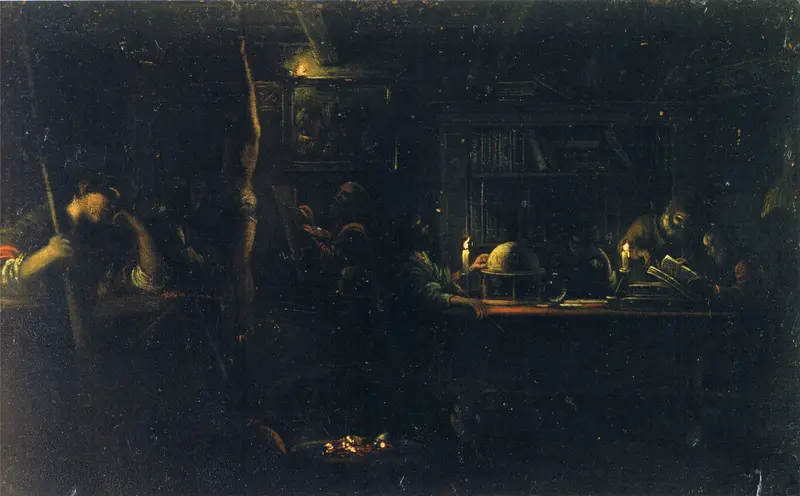
Minerva as patroness of Arts and Sciences
Adam Elsheimer
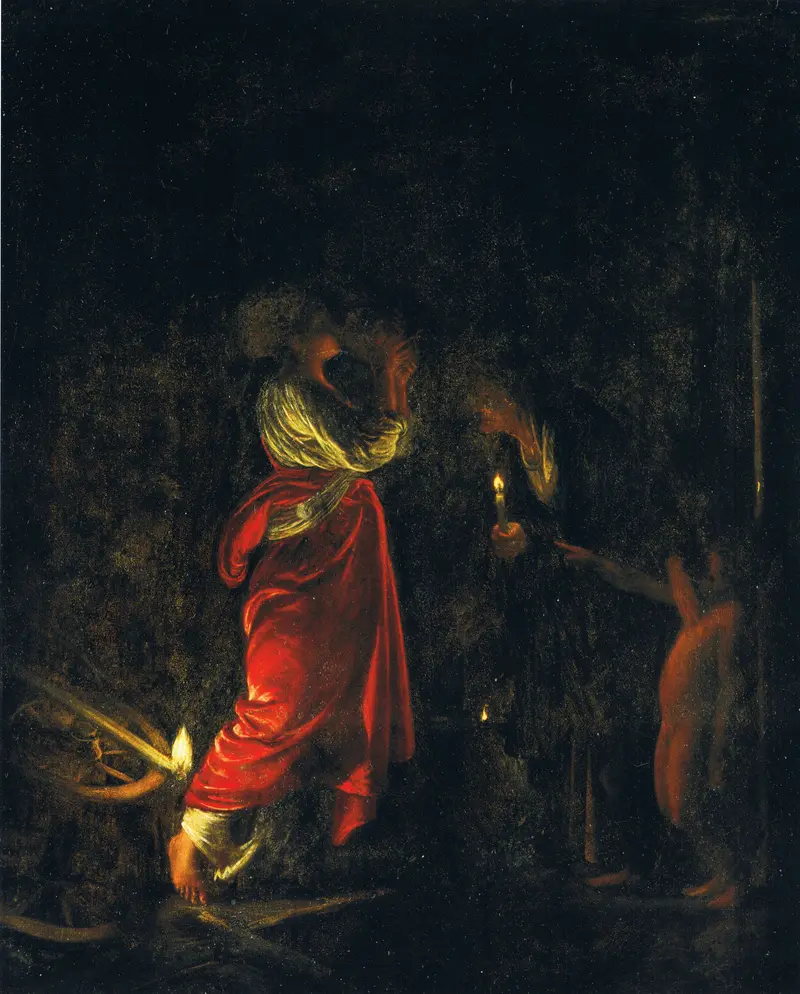
The Mocking of Ceres
Adam Elsheimer





