
Bird Hunting — History & Facts
A sudden crack of gunfire splits the calm of a pale morning, and all eyes—human and canine—turn skyward. In Bird Hunting, Alexandre-Gabriel Decamps captures not just the act of the hunt, but the charged moment when anticipation and action collide. The viewer is drawn first to the hunter at right, frozen mid-shot, his musket still trailing smoke, while his companions—one kneeling, one standing, one crouched low—track the invisible arc of the fleeing birds.
The dog, alert and ready, completes the circle of attention, its body tensed for the chase. The painting’s low horizon and wide, luminous sky lend drama to the scene, making the fleeting birds almost secondary to the choreography of the hunters themselves. Painted in 1830, this work belongs to a period when scenes of rural life and leisure were gaining favor among collectors and the urban public alike. The early nineteenth century in France saw a growing fascination with the countryside, spurred by Romanticism’s interest in nature and the everyday.
Artists like Decamps—better known for his Orientalist subjects—also turned their attention to the rituals of rural sport, capturing both its camaraderie and its quiet suspense. Now housed at the Clark Art Institute, Bird Hunting stands as a testament to a moment in art when the ordinary was newly worthy of attention, and invites us to linger with the hunters in their charged, sunlit pause.
More Artworks by Alexandre-Gabriel Decamps

Still Life with Herring, Bread, and Cheese
Alexandre-Gabriel Decamps
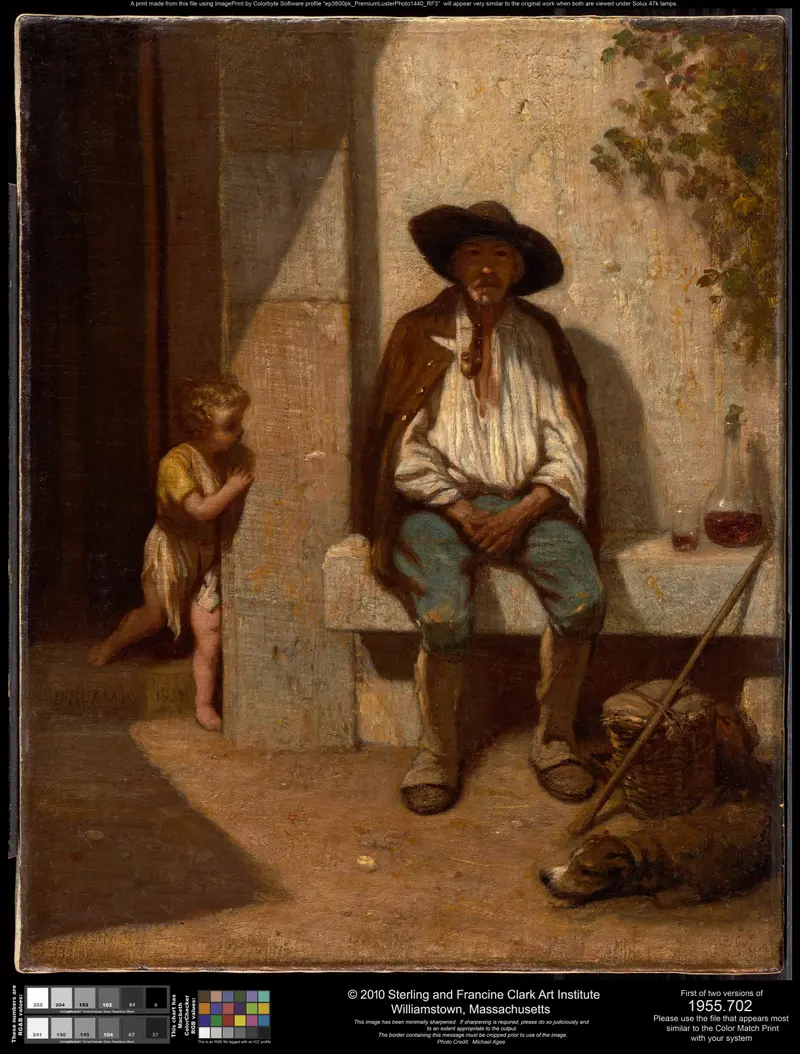
Italian Peasant
Alexandre-Gabriel Decamps
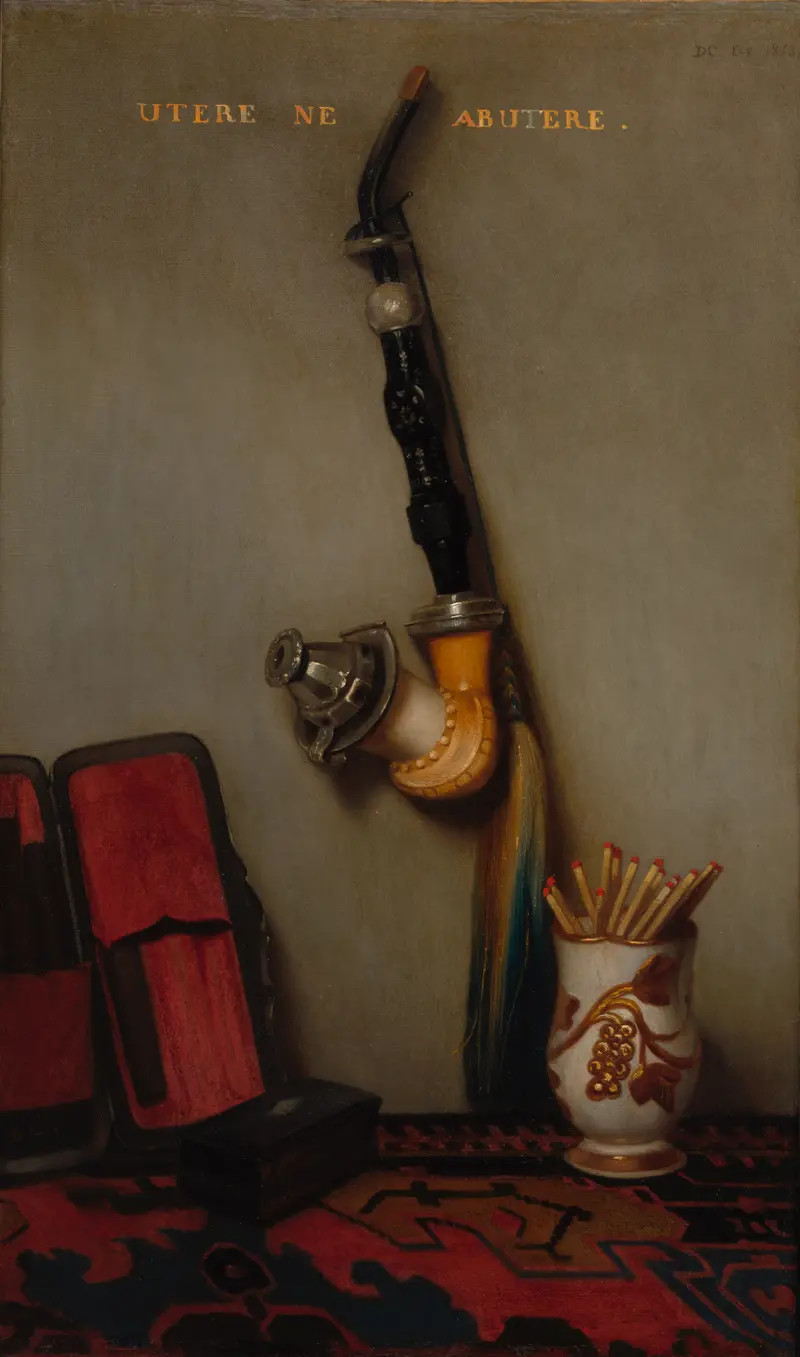
Still Life with Pipe and Matches
Alexandre-Gabriel Decamps
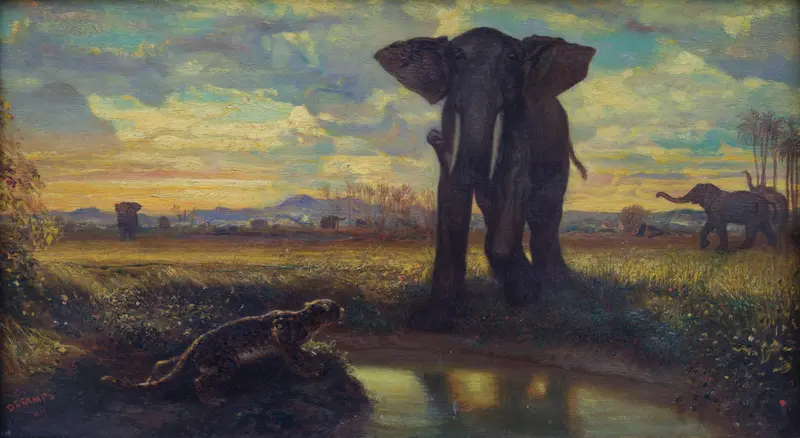
Tigre et éléphant à la source Musée du Louvre Peintures RF
Alexandre-Gabriel Decamps
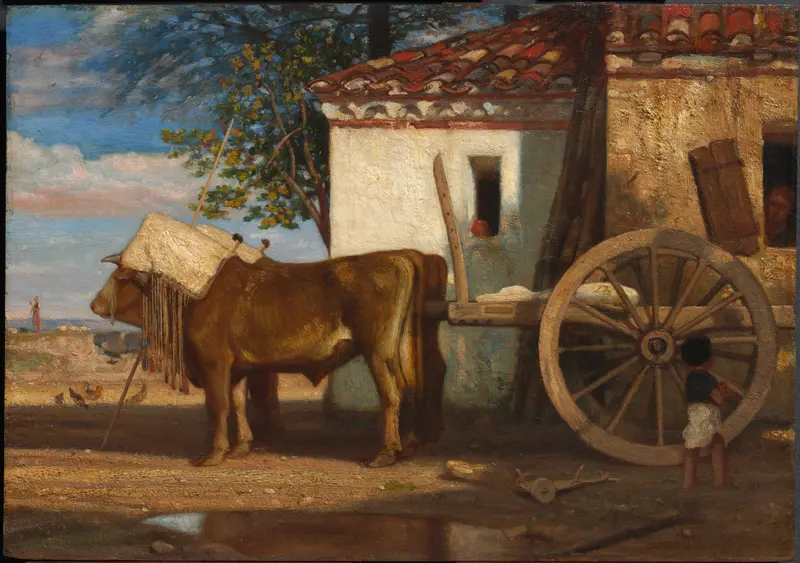
Oxen before a Farmhouse at Le Verrier
Alexandre-Gabriel Decamps
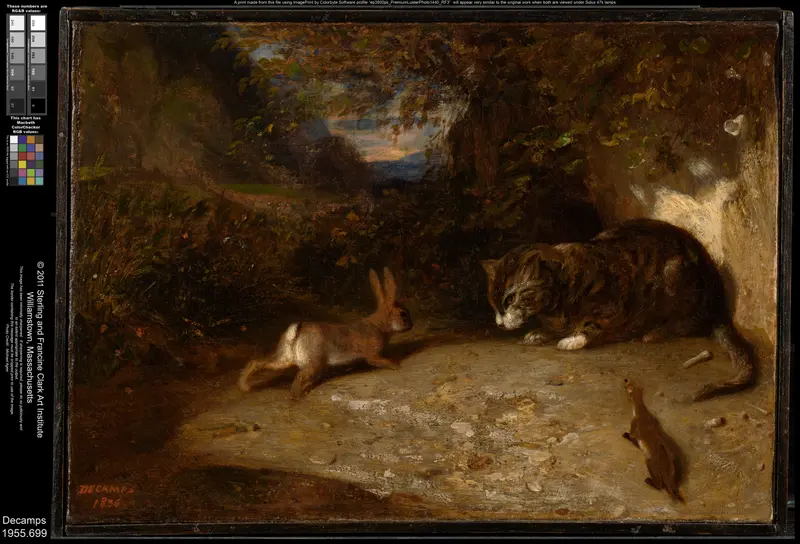
Cat, Weasel, and Rabbit
Alexandre-Gabriel Decamps
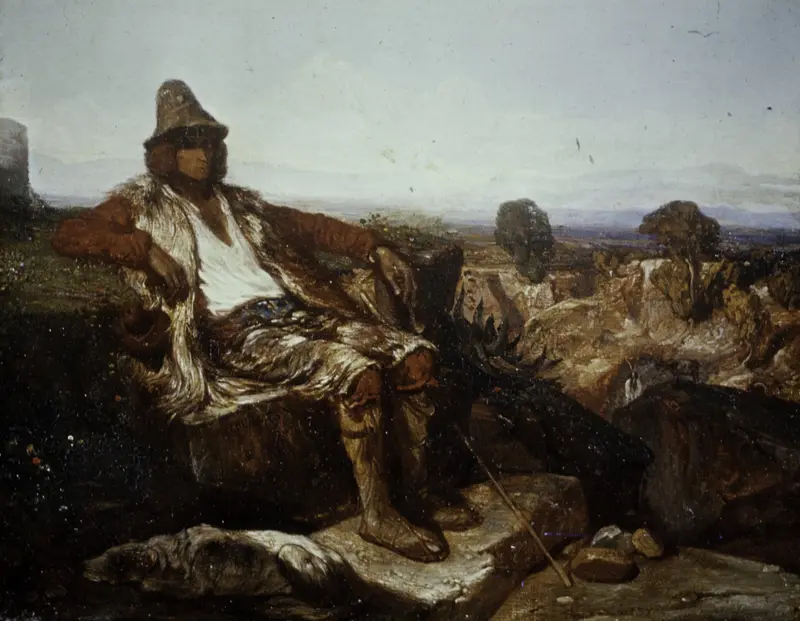
Goatherd of the Abruzzi
Alexandre-Gabriel Decamps
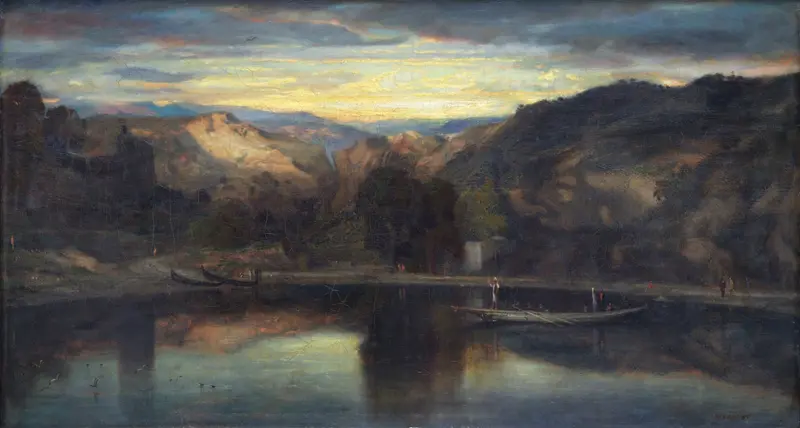
Jésus sur le lac de Génésareth Musée du Louvre Peintures RF
Alexandre-Gabriel Decamps

Espagnols jouant aux cartes Musée du Louvre Peintures RF
Alexandre-Gabriel Decamps
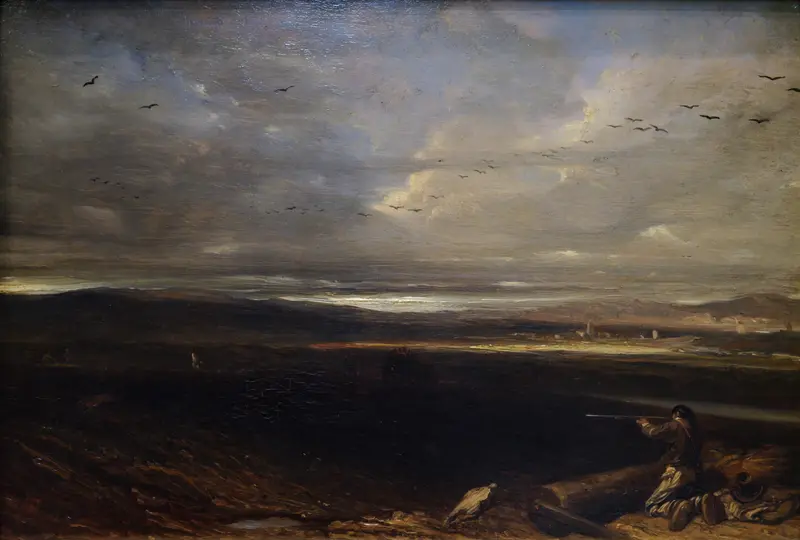
La battue en plaine Musée du Louvre Peintures RF
Alexandre-Gabriel Decamps
More Genre Scene Art

Banquet of the Officers of the St George Civic Guard
Frans Hals

Rembrandt and Saskia in the Scene of the Prodigal Son
Rembrandt van Rijn

Bal du moulin de la Galette
Pierre-Auguste Renoir

Quadrille at the Moulin Rouge
Henri de Toulouse-Lautrec

A Burial at Ornans
Gustave Courbet

When Will You Marry?
Paul Gauguin