Blad met twee sibyllen en twee scènes — History & Facts
It becomes a mirror reflecting not only the triumphs of reason but also the depths of madness that often lurk beneath the surface. In Blad met twee sibyllen en twee scènes, this duality unfolds vividly, inviting contemplation on the thin line between prophecy and insanity. Focus on the two sibyls at the center, their faces etched with expression—a blend of wisdom and despair. Notice how the light falls delicately on their features, casting shadows that enhance the emotional weight of their gaze.
The meticulous detail in the drapery reveals the artist’s mastery of texture, drawing your eye further into the intricate surroundings filled with symbolic elements that hint at the tumultuous themes of fate and revelation. Delve deeper into the contrasting scenes that frame the sibyls. One side brims with a chaotic energy, suggesting a world unraveling, while the other leans toward serene contemplation—a stark juxtaposition that embodies the tension between clarity and madness. The deliberate use of color and composition amplifies this tension, as warm hues clash with cooler tones, mirroring the internal struggles faced by those who dare to see beyond the veil of reality. Created between 1528 and 1532, this work emerged during a time of profound change in Europe.
Jacob Cornelisz van Oostsanen was situated in the Netherlands, where the Renaissance was infusing art with new ideas and logic. As societal norms shifted and the realm of thought expanded, the artist captured a moment in history where the complexities of human emotion were beginning to be laid bare, both in the world and within each individual’s soul.
More Artworks by Jacob Cornelisz van Oostsanen
Browse all →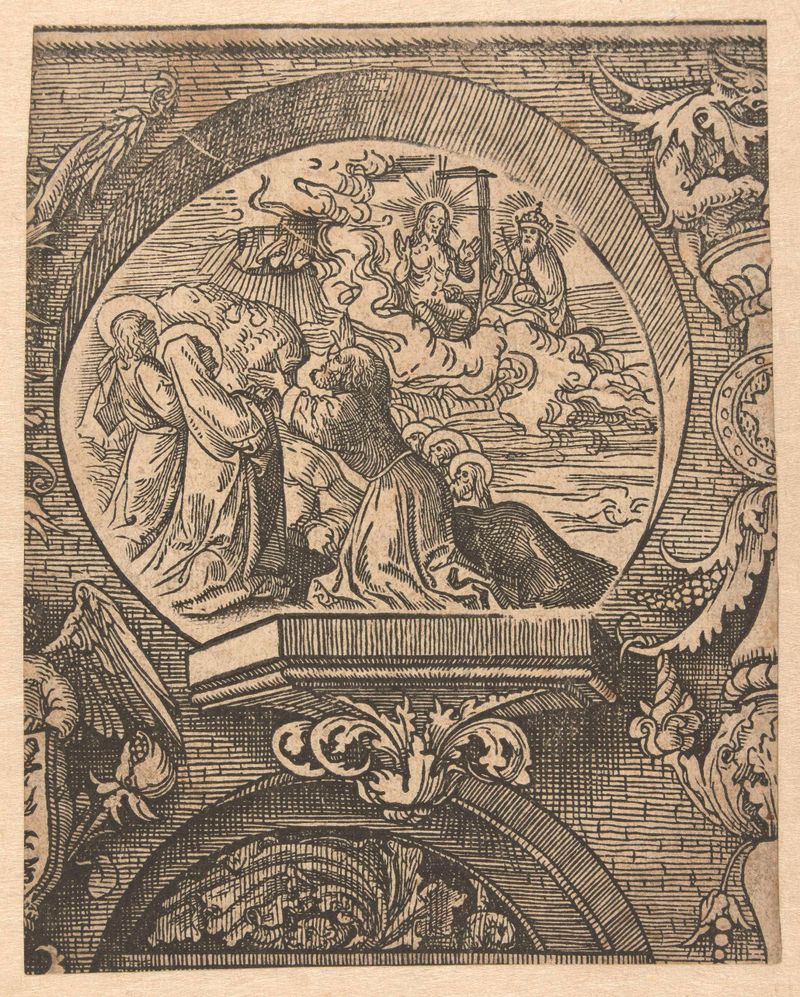
De hemelvaart en Christus voor God de Vader
Jacob Cornelisz van Oostsanen
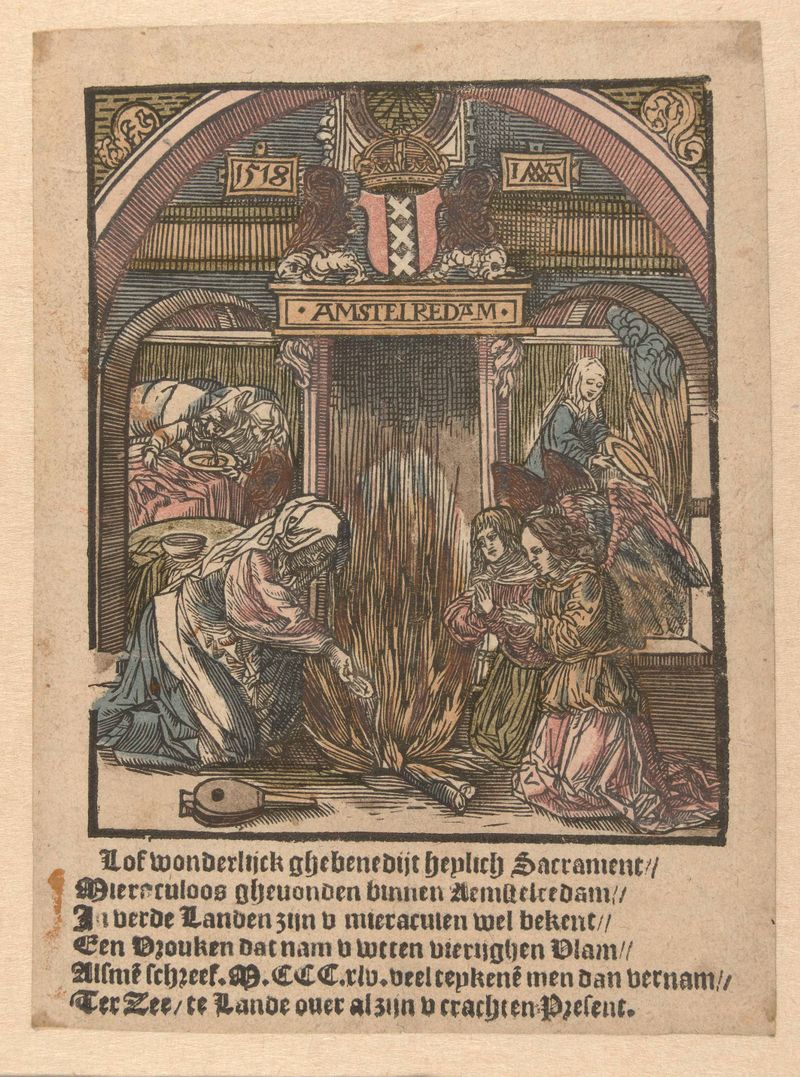
Het hostiewonder van Amsterdam
Jacob Cornelisz van Oostsanen
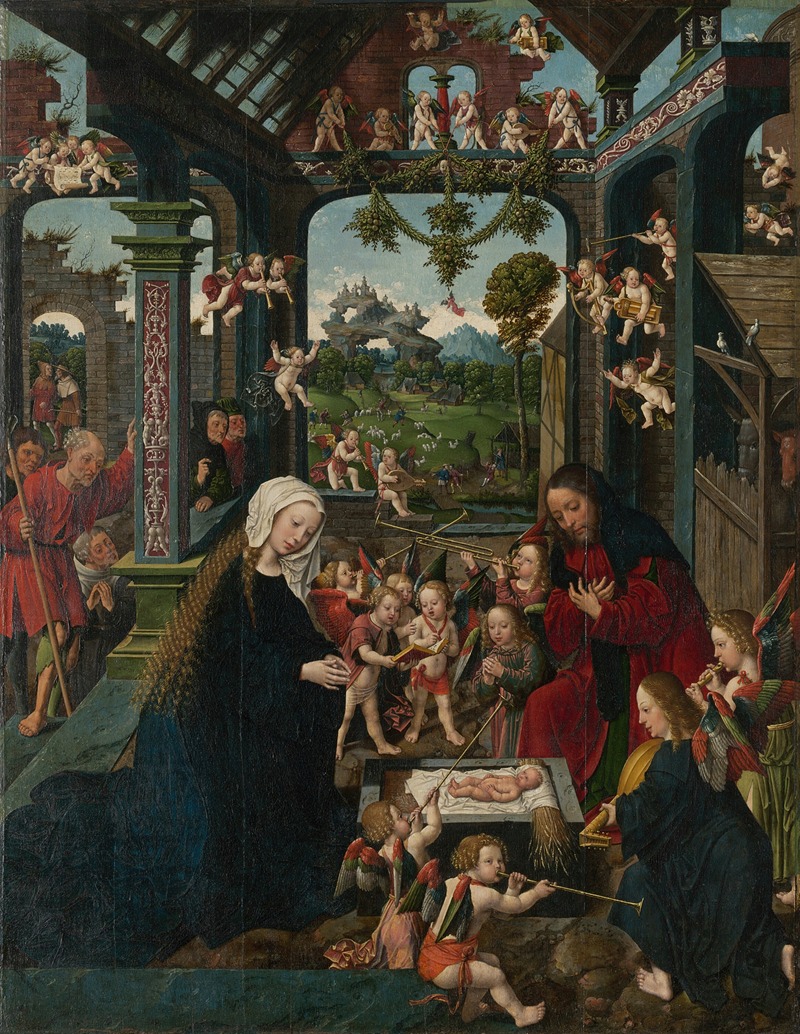
The Adoration of the Christ Child
Jacob Cornelisz van Oostsanen
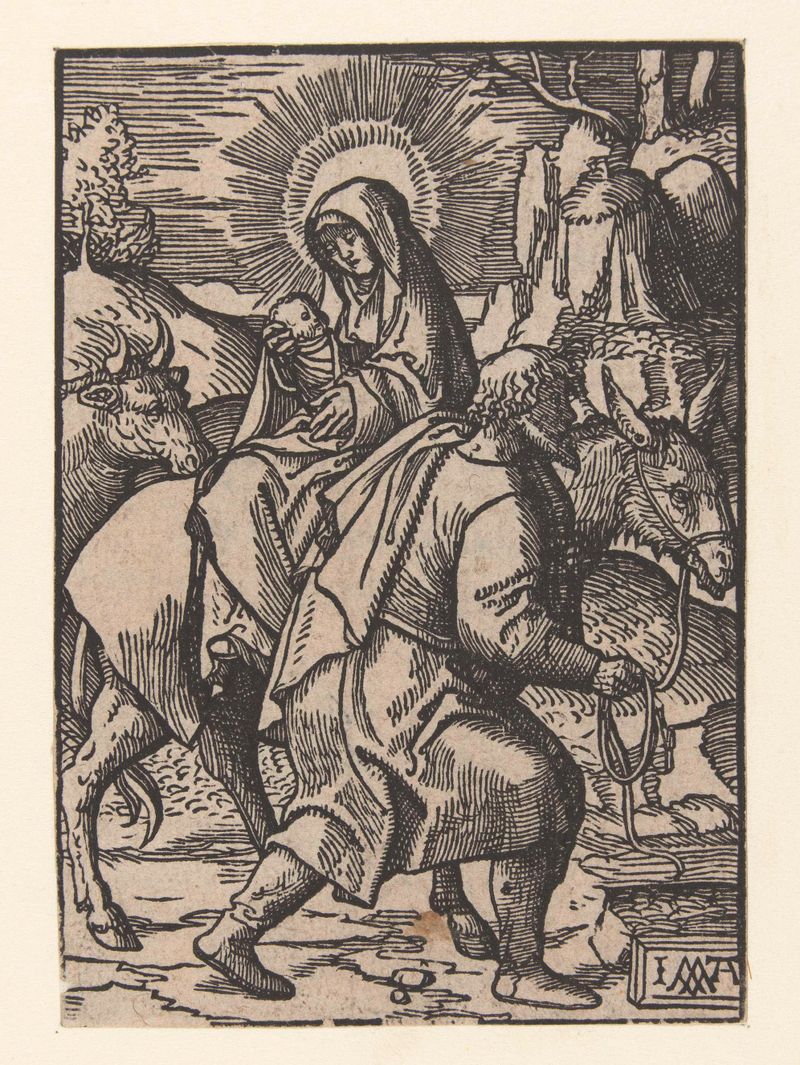
Vlucht naar Egypte
Jacob Cornelisz van Oostsanen
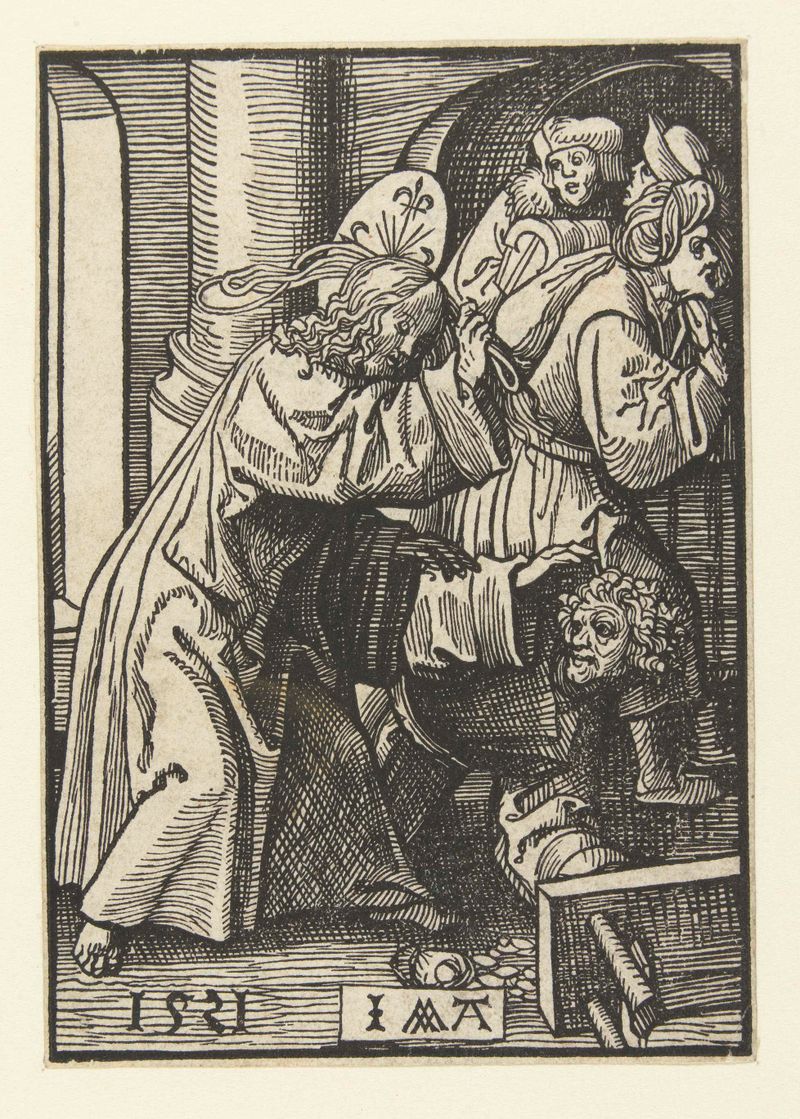
Verdrijving van de handelaren uit de tempel
Jacob Cornelisz van Oostsanen
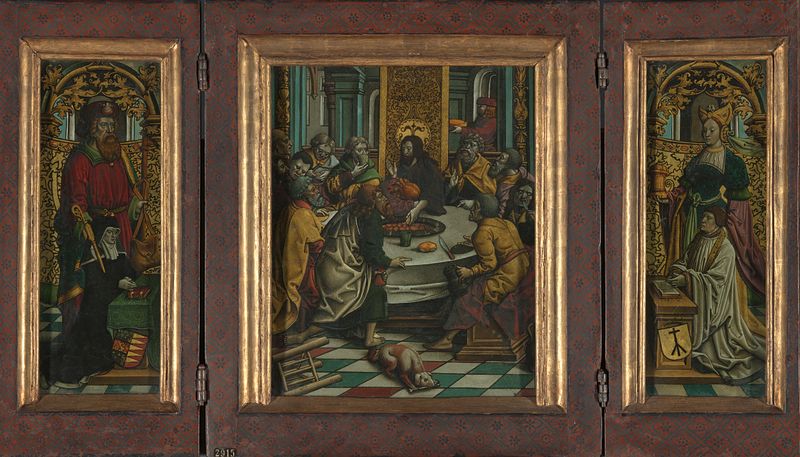
Triptych with the Last Supper and Donors
Jacob Cornelisz van Oostsanen
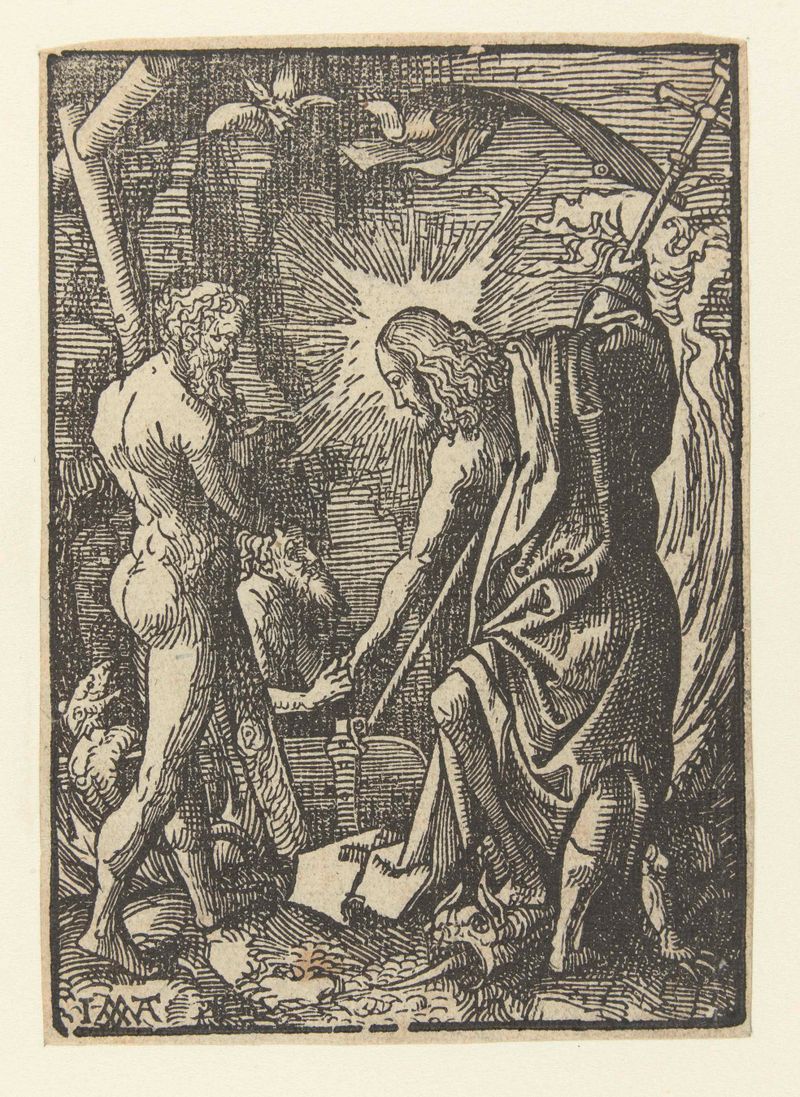
Christus in het voorgeborchte
Jacob Cornelisz van Oostsanen
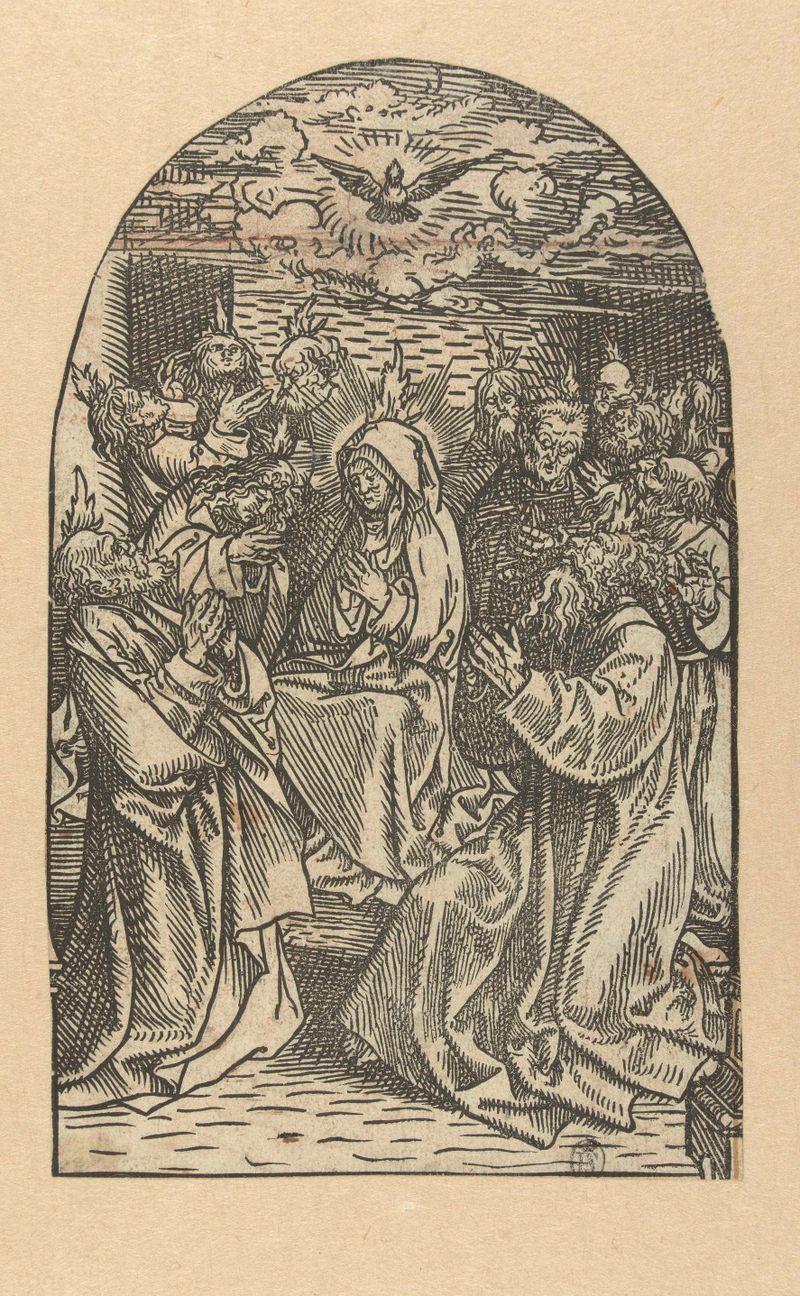
Uitstorting van de Heilige Geest
Jacob Cornelisz van Oostsanen
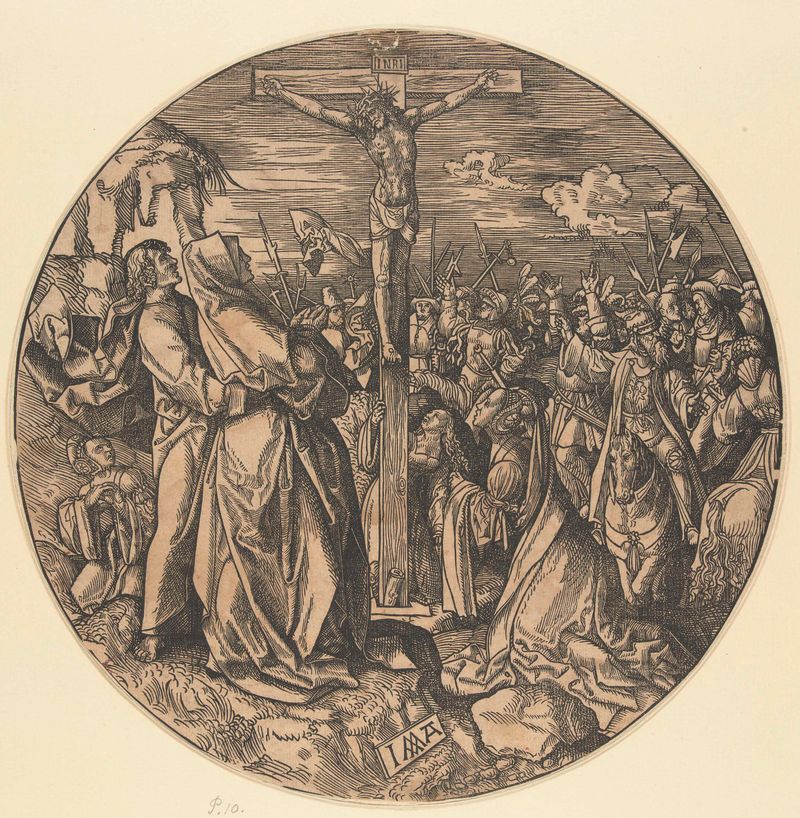
Christus aan het kruis
Jacob Cornelisz van Oostsanen

De kruisiging en de graflegging van Christus
Jacob Cornelisz van Oostsanen