Blick aus der römischen Campagna auf die Sabinerberge — History & Analysis
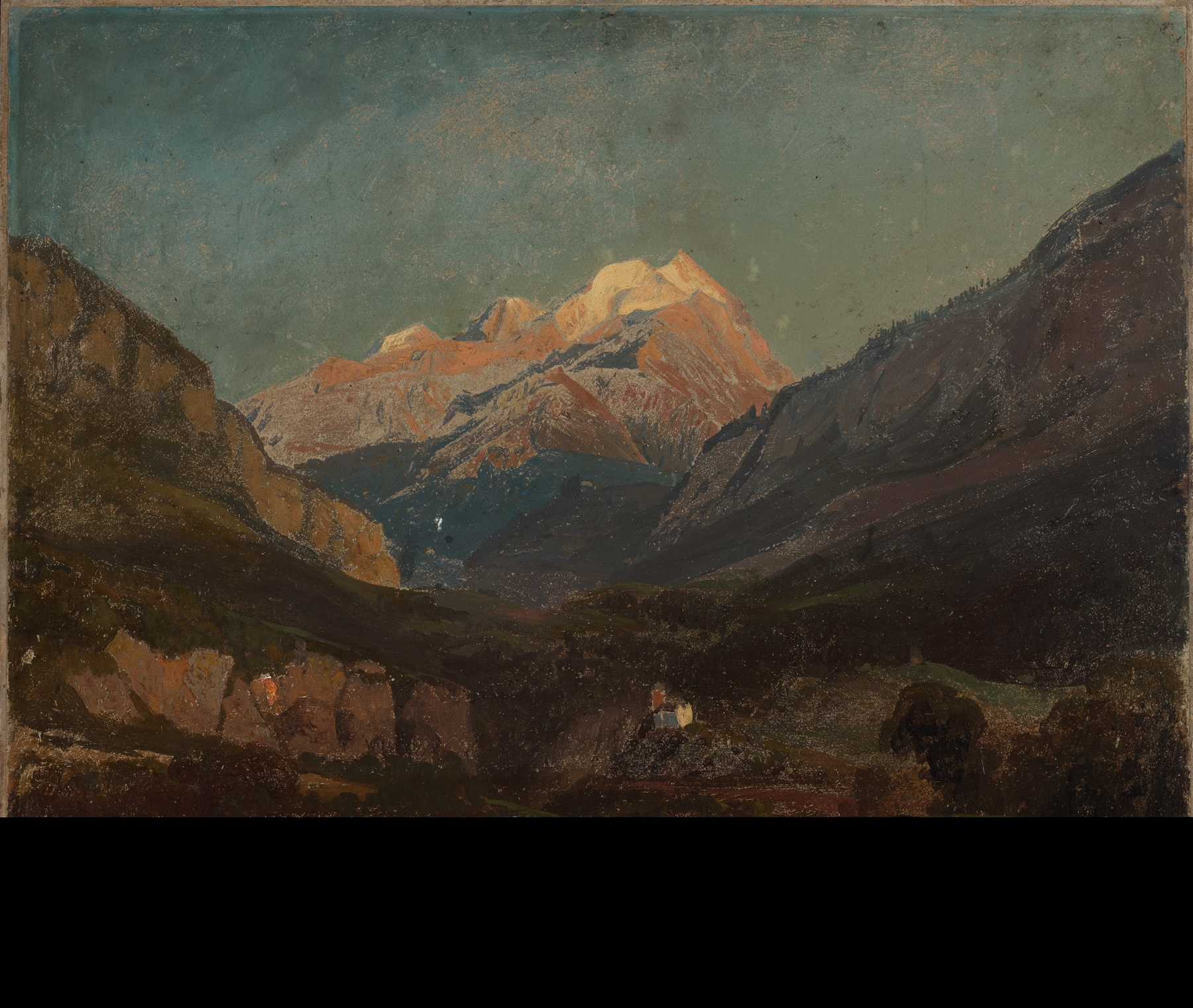
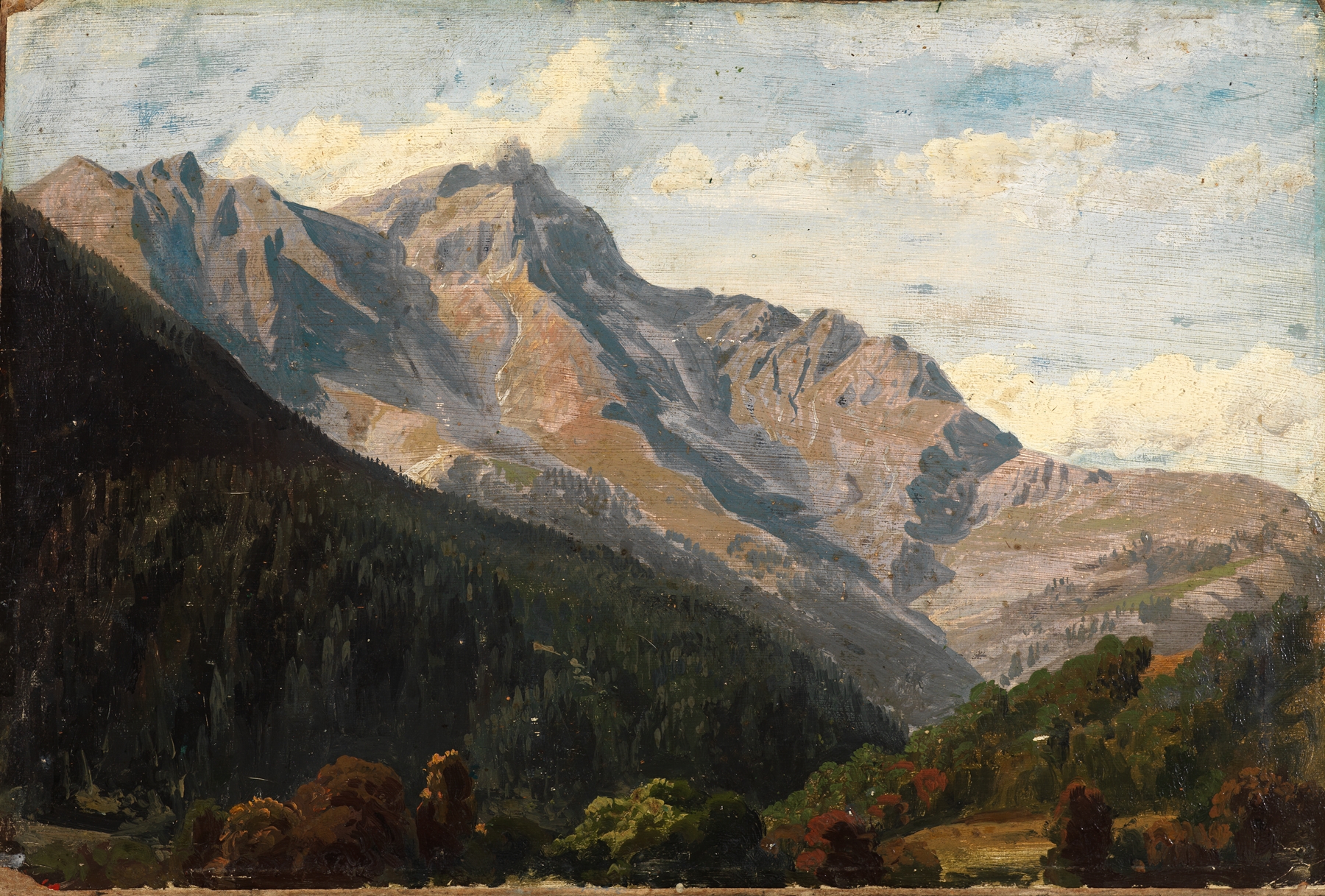
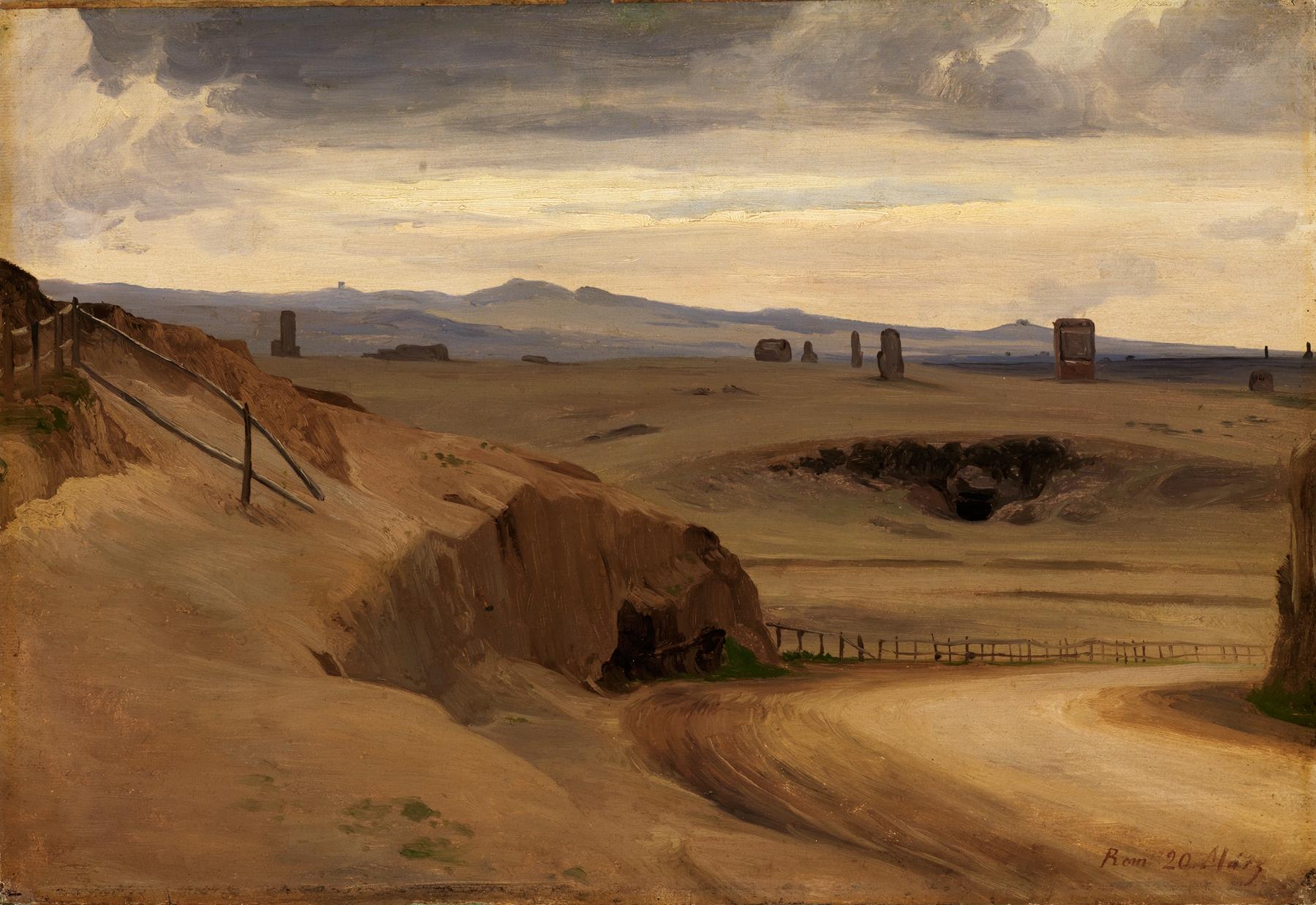
Who listens when art speaks of silence? In the stillness of Blick aus der römischen Campagna auf die Sabinerberge, light becomes the quiet language that unveils the beauty of nature’s expanse. The artist captures not just a landscape, but a moment suspended in time, where the interplay of shadow and illumination invites contemplation. Look to the left where gentle hills roll into the distance, their verdant slopes kissed by the soft embrace of sunlight.
Notice how the light falls upon the Sabine Mountains, casting a warm golden hue that contrasts with the cool blues of the encroaching twilight. The meticulous brushwork creates texture in the foliage and rocky outcrops, guiding your gaze from the foreground’s rich detail to the horizon’s serene majesty. In this moment, there’s a palpable sense of longing and tranquility. The juxtaposition of the fertile Campagna and the rugged mountains evokes a dialogue between civilization and the wild, between the warmth of the earthly and the aloofness of the divine.
The subtle gradations of color reflect the artist's emotional depth, suggesting a yearning for connection amidst vastness, a reminder of nature’s overwhelming presence in human life. Around 1840, while creating this piece, Schirmer was deeply engaged in the Romantic movement, which celebrated the sublime and the power of nature. He painted in Germany and Italy during a time of great change in European art, moving from the strictures of Neoclassicism to a more expressive and emotive style that sought to capture the essence of the sublime. This work embodies that transition, a testament to his mastery and the era’s evolving aesthetic vision.