
Boerderij aan een kanaal bij Haarlem — History & Facts
The stillness of a Dutch landscape often speaks louder than words, revealing the soul of a nation through its serene beauty. Look to the center of the canvas, where a quaint farmhouse nestles beside the reflective canal, its earthy tones harmonizing with the surrounding fields. The gentle play of light captures the contours of the building's thatched roof, casting soft shadows that dance across the water's surface. Notice how the artist’s brushwork brings texture to the trees and fields, immersing the viewer in the tranquil atmosphere, yet hints at the delicate balance between nature and human presence. Amidst the pastoral calm lies a deeper conversation about the coexistence of humanity and the landscape.
The canal, a vessel of life and sustenance, signifies the connection between the agricultural and the aquatic, while the farmhouse stands as a symbol of resilience in a world that constantly changes. The sky, painted in muted blues and grays, suggests an impending shift, evoking a quiet tension between tranquility and the unknown, a moment suspended in time. In 1645, the artist painted this work during a period when Dutch art was flourishing, marked by an emphasis on realism and the appreciation of everyday life. Living in Haarlem, he was influenced by the burgeoning interest in landscape painting, a genre that celebrated both the beauty and simplicity of rural life.
This piece reflects not only his personal journey as an artist but also the collective consciousness of a society deeply connected to its land and waterways.
More Artworks by Esaias van de Velde
Browse all →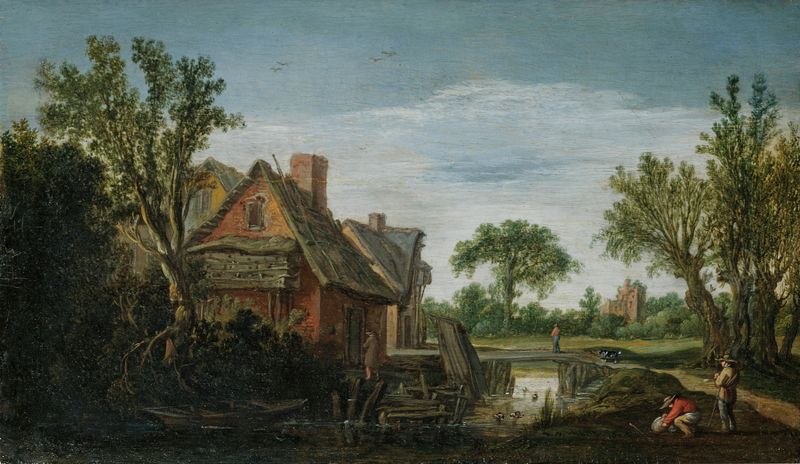
The Hague A Wooded River Landscape With Figures On A Path On A River Bank Beside A Village, A Bridge Beyond
Esaias van de Velde
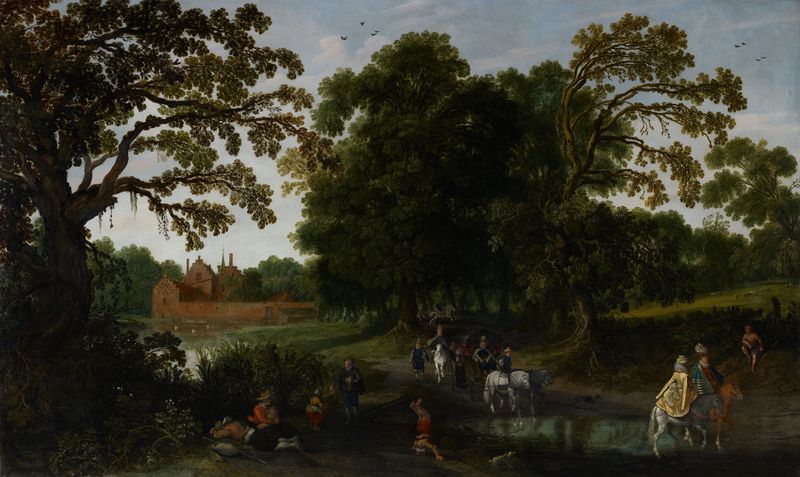
Courtly Procession before Abstpoel Castle
Esaias van de Velde
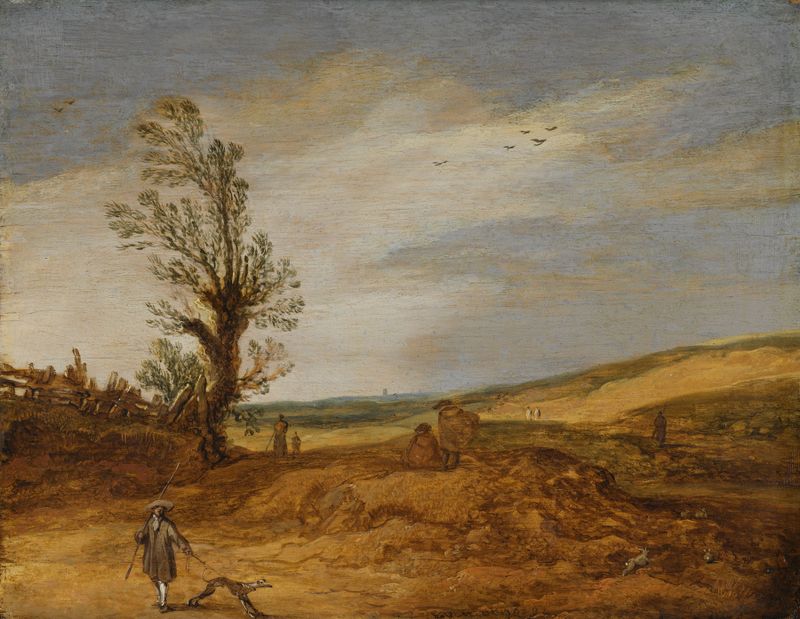
A View in the Dunes
Esaias van de Velde
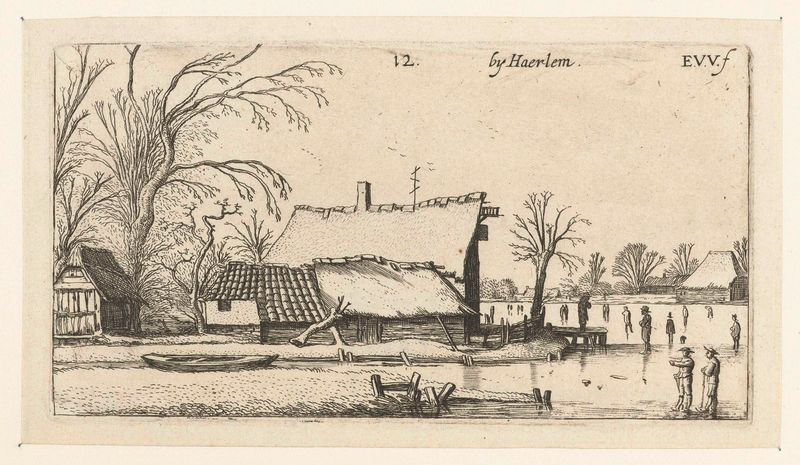
Boerderij bij een bevroren rivier met schaatsers
Esaias van de Velde
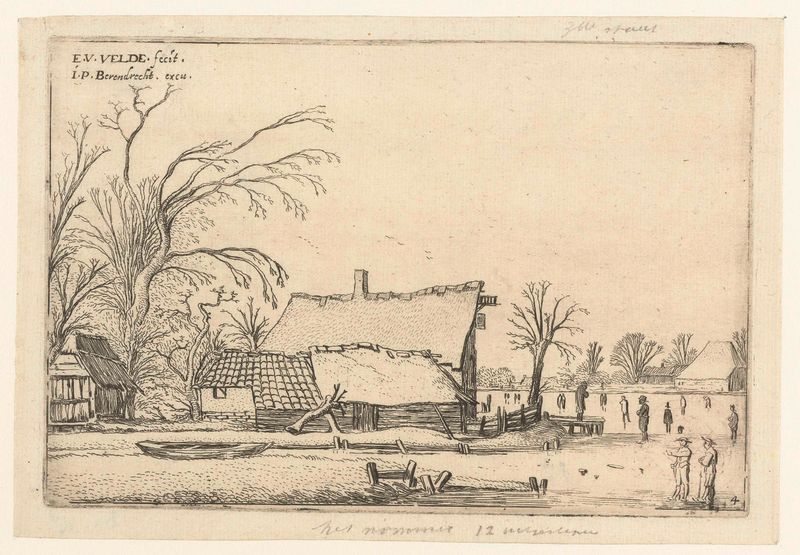
Boerderij bij een bevroren rivier met schaatsers
Esaias van de Velde
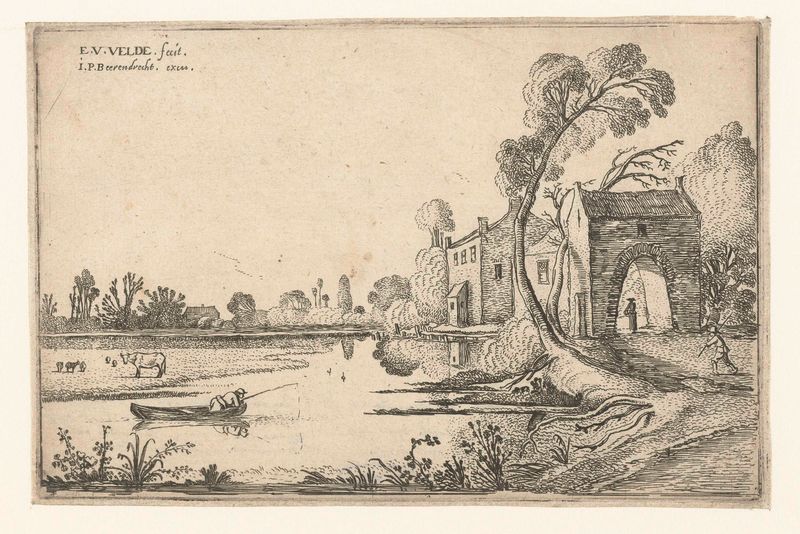
Landschap met rivier en poortgebouw
Esaias van de Velde
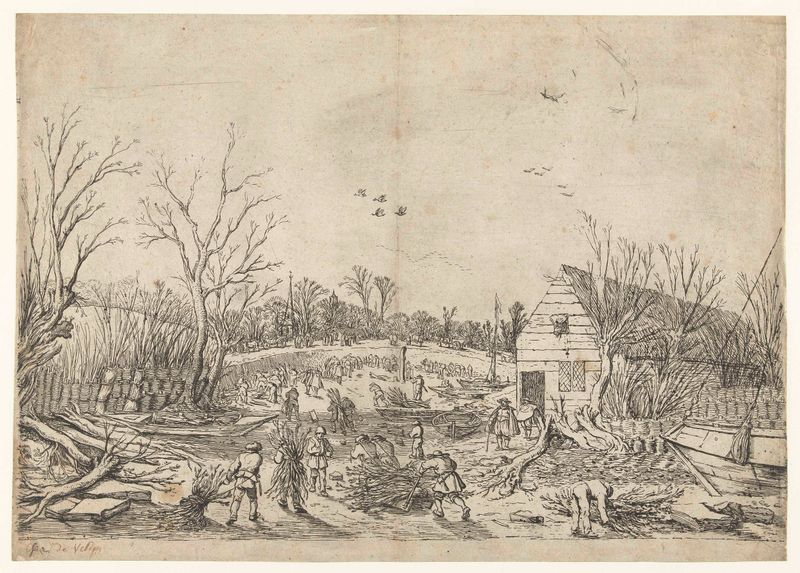
Herstelwerkzaamheden aan de doorgebroken Lekdijk bij 't Waal
Esaias van de Velde
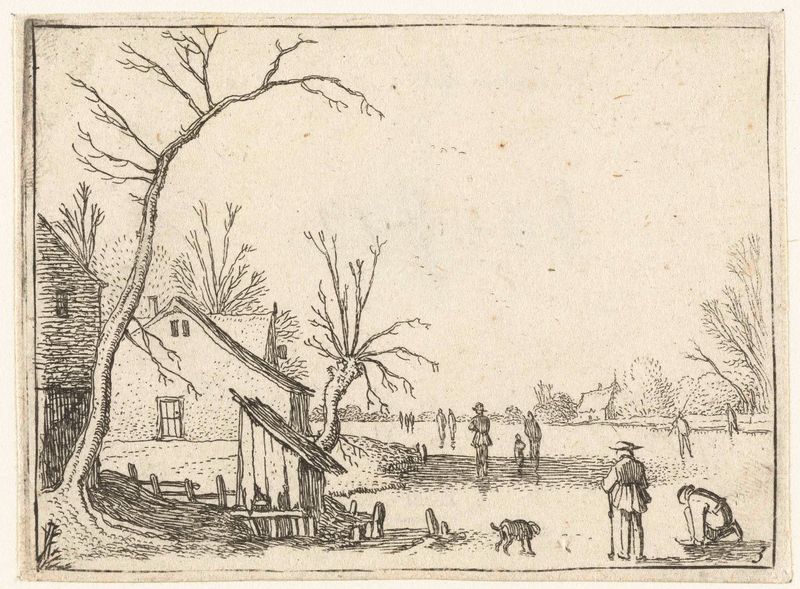
Boerderij bij bevroren rivier en schaatsers op het ijs
Esaias van de Velde
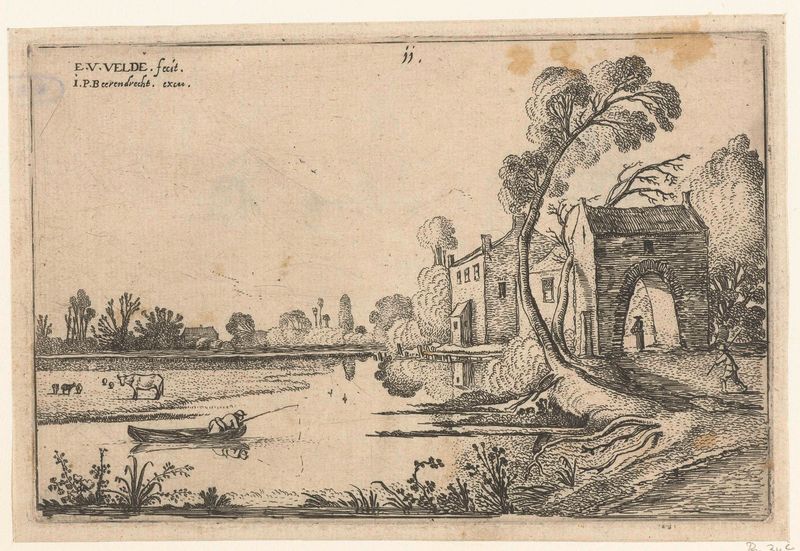
Landschap met een rivier en poortgebouw
Esaias van de Velde
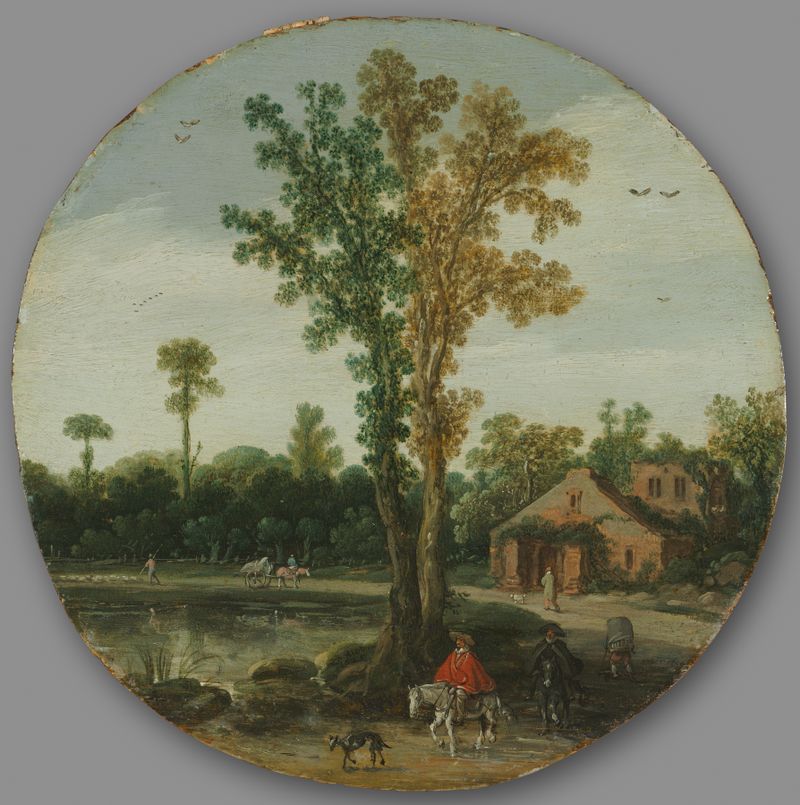
Travelers by a Lake
Esaias van de Velde





