Boerderij bij een kanaal — History & Analysis
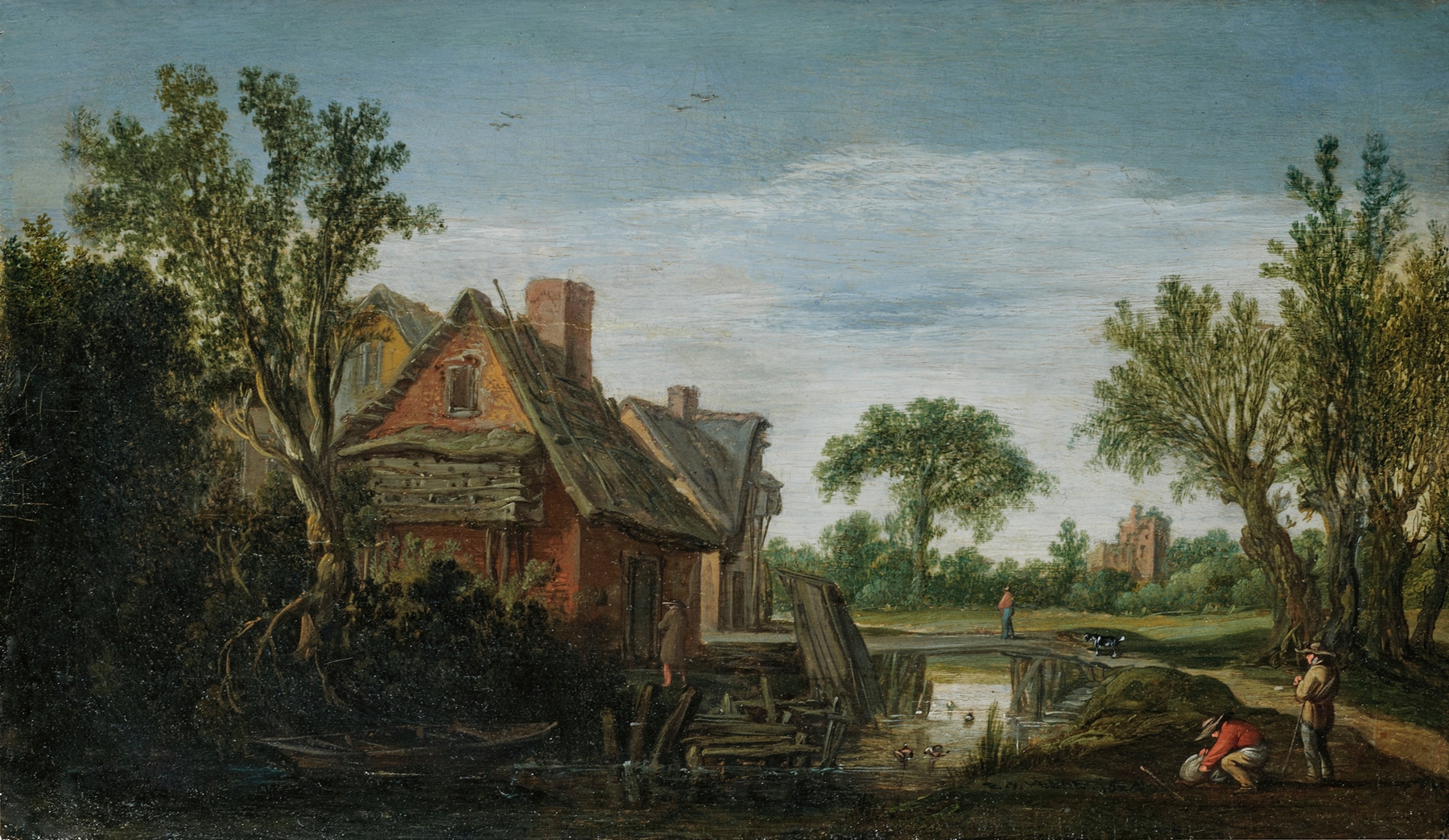
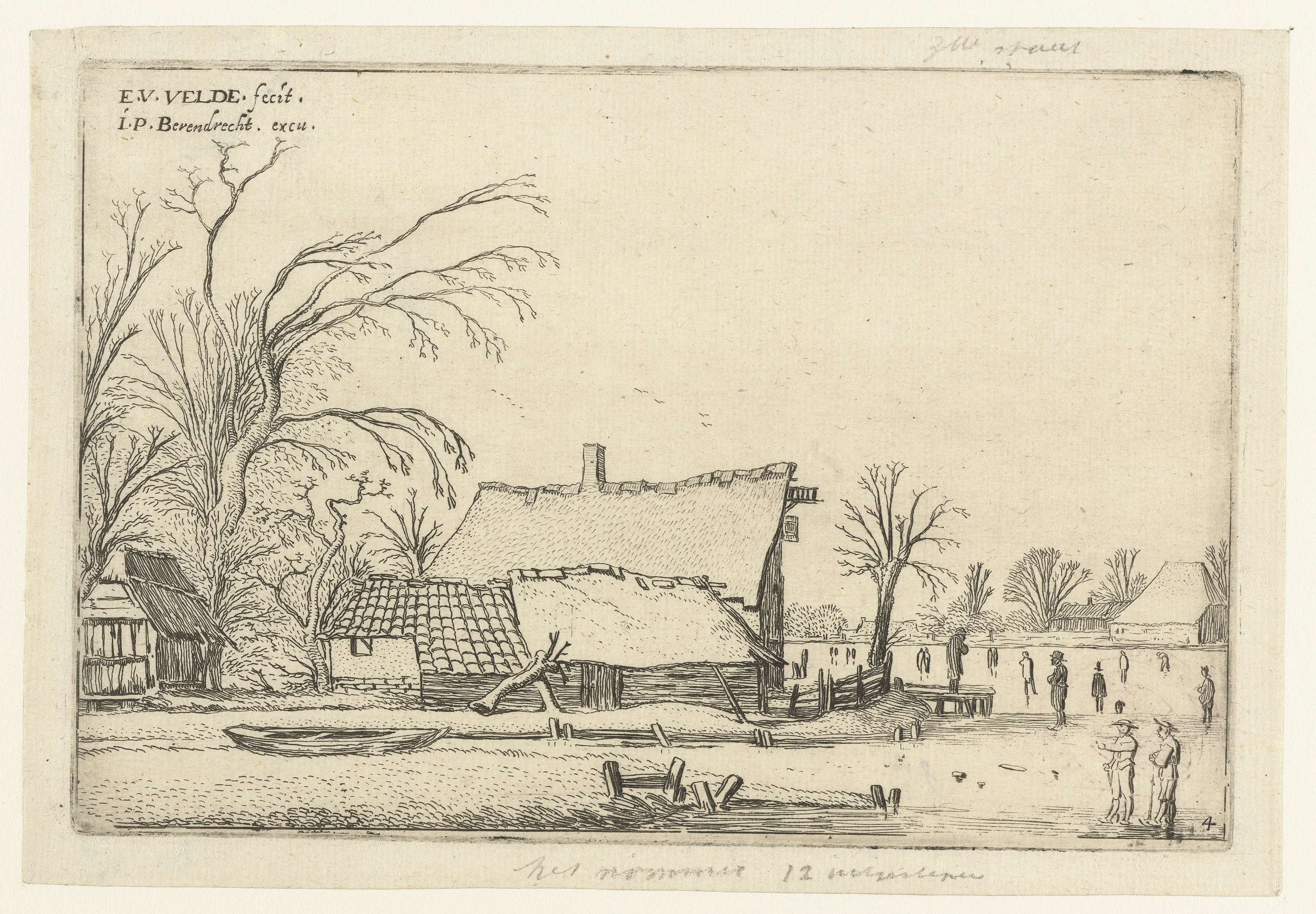
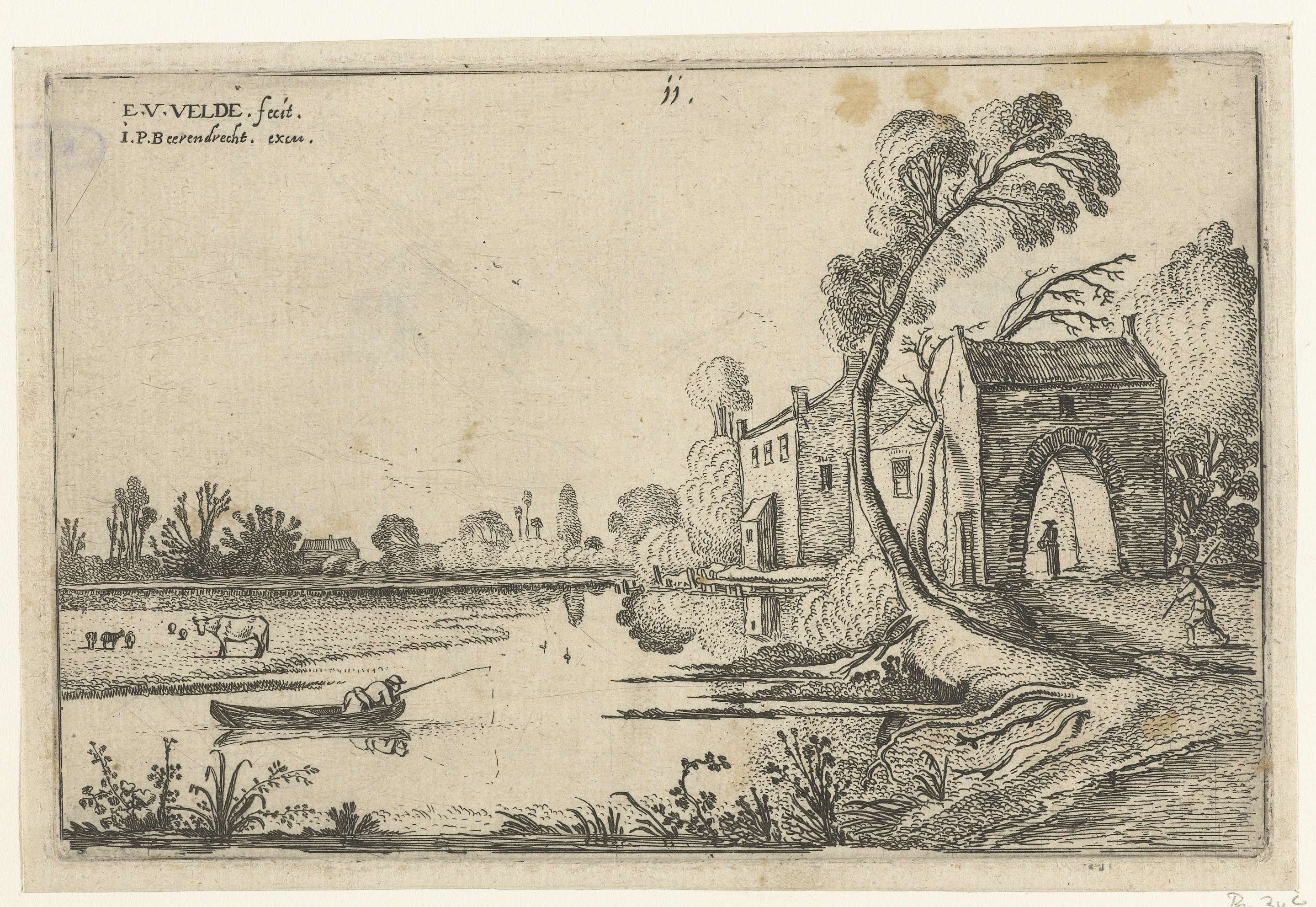
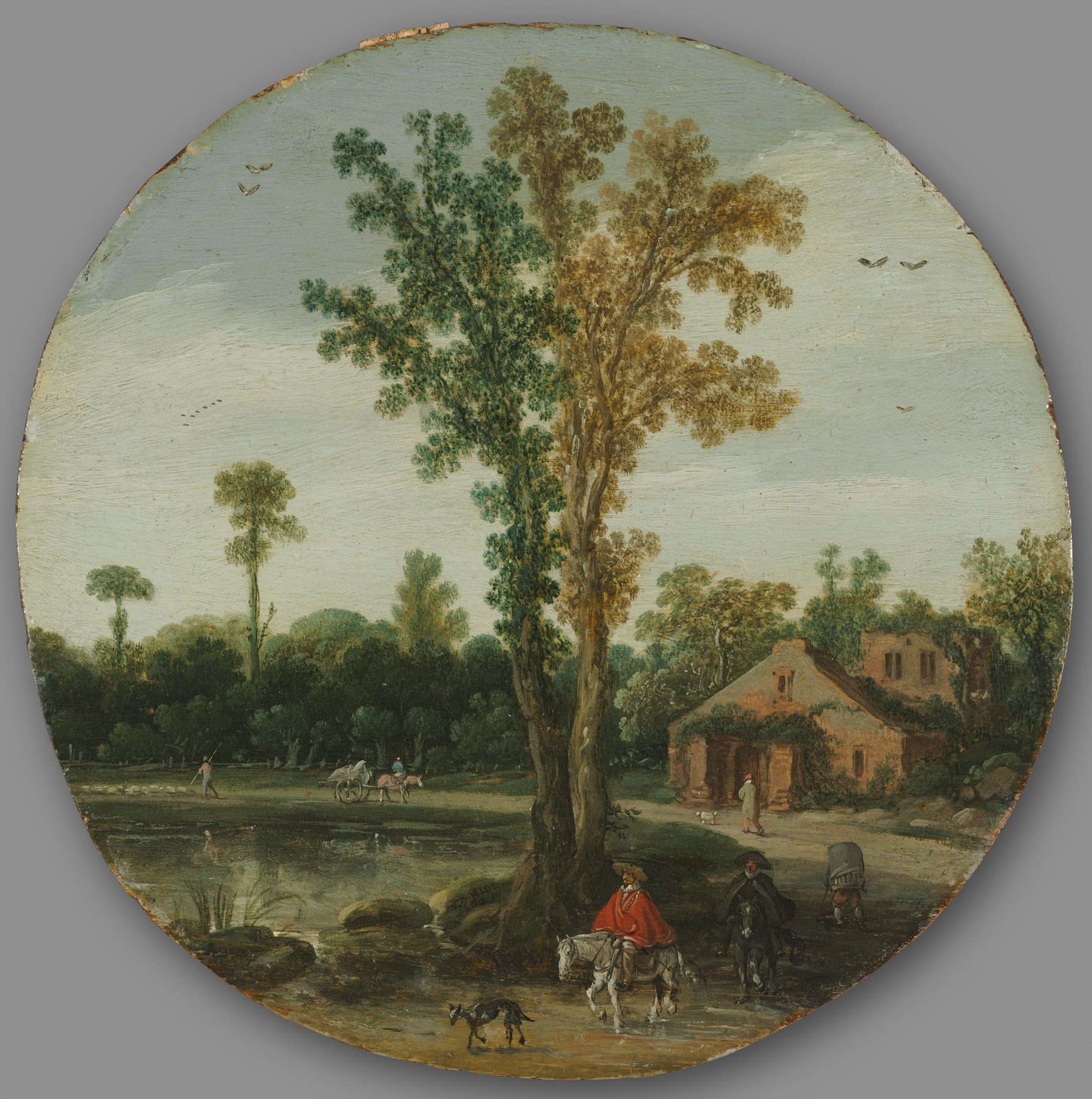
“Sometimes beauty is just pain, disguised in gold.” In a world where serenity often masks deeper sorrows, the emptiness of a landscape can speak volumes. Here, a quiet yet haunting scene unfolds, inviting us to ponder the silence that speaks of loss and solitude. Look to the center of the canvas, where a humble farmhouse sits beneath an expansive sky. The muted earth tones of the dwelling contrast sharply with the soft blue of the canal, creating a delicate balance between land and water. Notice how the gentle brushstrokes suggest a fading light, as if the day is winding down, casting long shadows that stretch toward the viewer.
This interplay of light and shade evokes a sense of nostalgia, pulling us into the stillness of the moment. Delve deeper into the details: the barren trees on the horizon, stripped of leaves, echo the loneliness that permeates the scene. The still water of the canal reflects not just the farmhouse but also the somber mood lingering in the air. Each element — the empty pathways, the solitary structures — encapsulates a profound yearning, hinting at stories untold.
The emptiness is palpable, illustrating the fragile connection between beauty and melancholy. In 1615, while crafting this evocative piece, the artist found himself emerging from a period of exploration in the Dutch Golden Age, a time of both prosperity and introspection in the art world. Living in Haarlem, Esaias van de Velde was influenced by the burgeoning landscape genre, where tranquility often belied underlying tensions. This painting marks a poignant moment in his career, reflecting both the aesthetic values of his time and a personal engagement with the subtleties of human experience.